
Our daily routines often seem harmless, even comforting. From typing away on a keyboard to scrolling through a phone before bed, we rarely think about the physical effects of these repetitive activities.
However, these simple habits can sometimes take a toll on our nervous system. Nerves are delicate, and when stressed or compressed over time, they can cause discomfort, pain, or even lasting damage. Recognizing the signs that your daily routine might be affecting your nerves is the first step to making healthier changes that can prevent long-term issues.
Repetitive Movements and Poor Ergonomics
Many people spend hours each day performing repetitive motions such as typing, clicking a mouse, or texting. These actions can irritate the nerves in your wrists and forearms, leading to conditions involving nerve compression or inflammation. Poor posture while working, especially when your wrists are bent or your shoulders are hunched, can worsen the problem.
Continuous wrist and hand movements can place stress on the median nerve, leading to a condition known as carpal tunnel syndrome. This can lead to numbness, tingling, or weakness in the hand and fingers, often making everyday tasks more difficult.
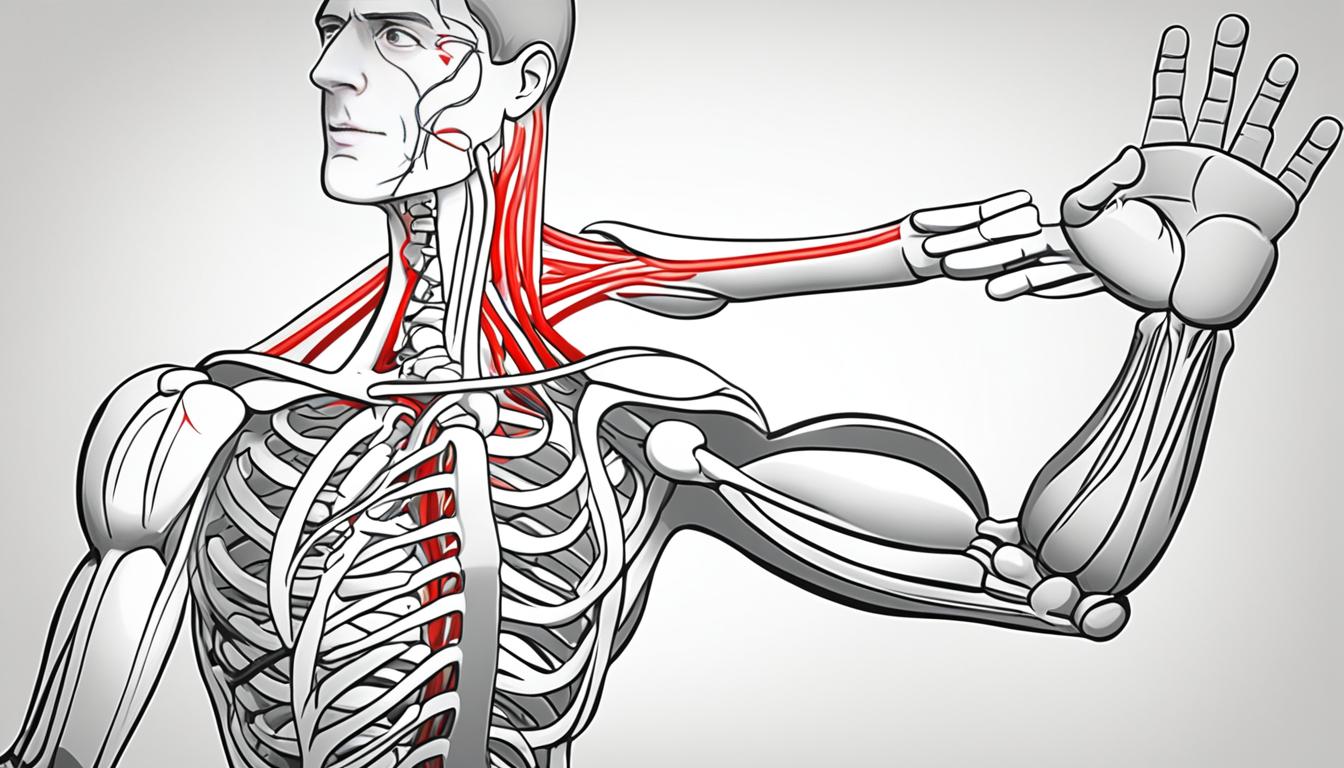
Sitting for long hours at a poorly adjusted workstation can also contribute to similar nerve compression in the neck or shoulders, resulting in discomfort that radiates down the arms.
If these symptoms sound familiar, it may be time to explore how to cure carpal tunnel through preventive, corrective, and natural strategies. Simple steps such as maintaining proper wrist alignment, taking regular breaks, and performing gentle hand and forearm stretches can ease pressure on the affected nerve. Natural approaches like applying warm compresses, practicing relaxation techniques to reduce tension, and ensuring balanced hand movements throughout the day can also promote recovery and long-term nerve health.
Subtle Warning Signs You Might Be Ignoring
Nerve problems don’t always start with intense pain. In many cases, the signs begin subtly, gradually developing until they interfere with your comfort or mobility. Tingling sensations in your hands, feet, or limbs are among the first indicators. You might notice that your fingers fall asleep after holding your phone for a while, or your foot tingles when sitting too long in one position.
Frequent numbness, especially in your extremities, can also point to nerve stress caused by repetitive movements or poor posture. Some people experience sharp, burning pain or unusual weakness when gripping objects or performing fine motor tasks. If these symptoms occur often, it’s worth examining your daily activities to determine whether something in your routine might be straining your nerves.
The Role of Posture in Nerve Health
Posture is more than just how you look when sitting or standing. It plays a crucial role in how your body distributes weight and tension. When you slouch, lean forward excessively, or cross your legs for long periods, certain nerves may become compressed or irritated. The most affected areas are often the lower back, neck, and shoulders, where large nerve bundles run close to bones and muscles.
A common issue linked to poor posture is nerve impingement in the neck or upper back, which can lead to tingling in the arms or hands. Maintaining a straight spine with relaxed shoulders and ensuring that your screen or workspace is at eye level can reduce this stress significantly.
Lack of Movement and Circulation
Sitting for prolonged periods can do more than just affect your posture. It can also impact your circulation and nerve function. When your body remains in one position for too long, blood flow decreases, and the nerves in the lower body can become compressed. This can cause numbness, tingling, or even temporary loss of sensation in the legs and feet.
Small lifestyle adjustments can counter this issue. Standing up every hour, stretching, or taking short walks encourages blood flow and relieves pressure on the nerves. Even simple leg movements under your desk can help prevent stiffness and discomfort.
Stress and Its Connection to Nerve Health
While physical strain is a common cause of nerve discomfort, stress also has a powerful impact. When you experience chronic stress, your body remains in a state of tension. Muscles tighten, circulation changes, and inflammation can increase, all of which may affect how your nerves function.
People who hold stress in their shoulders, neck, or back often experience nerve-related symptoms in these areas. Regular relaxation techniques, such as breathing exercises, mindfulness, or gentle stretching, can ease muscle tension and allow the nerves to function more freely.
Making Small Changes for Lasting Relief
Improving nerve health often begins with small but consistent adjustments. Maintaining good posture, taking short breaks to stretch, and keeping your workspace properly aligned are among the simplest yet most effective steps. Avoid staying in one position for too long, and incorporate light physical activity throughout your day.
When your nerves are overworked by repetitive actions, poor posture, or inactivity, your body sends clear signals—tingling, numbness, weakness, or pain. Listening to these cues and making mindful adjustments to your daily routine can make a world of difference. Your nerves play a crucial role in every movement and sensation, so protecting them through small, consistent lifestyle choices ensures long-term comfort and well-being.