
Fungal ear infection ( otomycosis) is a condition where fungi grow inside your ear canal. It mostly affects the outer ear canal, not the middle or inner ear. This infection develops when fungi find warmth and moisture, and damage to the ear’s natural defenses allows this to happen. A ear infection often gets missed because it looks similar to bacterial ear problems. Correct identification matters because the treatment approach is different.
Otomycosis does not spread through touch. It develops due to changes inside your ear. Fungi such as Aspergillus and Candida cause most cases. A fungal ear infection often lasts longer than bacterial ones if treated incorrectly. Early care reduces complications and repeat infections.
Common Fungi That Cause Ear Infections
Fungi that cause ear infections live in soil, air, and water. They enter the ear through moisture or minor skin damage. These fungi behave differently from bacteria and respond to specific antifungal care.
Aspergillus species cause many cases worldwide. They appear more often in hot climates. Candida species also cause infection, especially in people with diabetes or weak immunity. These fungi do not invade deep tissue at first. They grow on the skin lining the ear canal. Once established, a fungal ear infection becomes hard to ignore due to itching and discharge.
Moisture And Humid Environments
Moisture plays the biggest role in fungal growth. Fungi multiply fast in damp spaces. Swimming, frequent sweating, and trapped water create the right setting. Higher otomycosis rates occur due to constant humidity. When water stays in your ear, the skin softens. This removes its protective barrier. Fungi then attach easily.
You may not notice the problem right away. The infection builds slowly. This explains why a fungal ear infection often feels mild at first. Dry ears recover faster. Wet ears support fungal survival.
Excessive Ear Cleaning Or Trauma
The ear canal has a thin skin layer. Aggressive cleaning removes protective wax. Cotton swabs or inserting objects into the ear canal push debris deeper. This causes tiny cuts. These small injuries give fungi an entry point. Even fingernails cause harm.
Once the skin breaks, fungi attach to damaged areas. This leads to inflammation. A fungal ear infection becomes more likely when cleaning happens often. Natural earwax controls moisture and blocks germs. Removing it too often increases risk.
Use Of Ear Drops Or Antibiotics
Antibiotics target bacteria, not fungi. Using them without confirmation alters the ear’s balance. Antibiotics reduce normal bacteria that control fungal growth. Without competition, fungi multiply. This causes stubborn infections.
Some steroid ear drops also suppress local immunity. This allows fungi to thrive. Many cases of ear infections caused by fungal treatment failure occur after repeated antibiotic use.
Fungal Ear Infection Symptoms
Symptoms depend on fungal type and immune response. Unlike bacterial infections, fungal ones cause more itching than pain early on. Symptoms may appear slowly. Many people delay care because pain stays mild at first. This allows the fungal ear infection to worsen.
Symptoms often affect one ear. Both ears can get infected, but this is less common. The signs listed below help you spot the problem early.
Itching And Irritation In The Ear
Itching is the most common symptom. It feels deep and constant. Scratching makes it worse. This itch does not ease with cleaning. Itching appears before discharge or pain. This symptom often signals a fungal ear infection rather than bacterial causes.
Inflammation causes redness inside the ear. Swelling may follow. You may feel irritation while chewing or touching the ear opening.
Ear Pain Or Discomfort
Pain develops as inflammation increases. It stays mild to moderate in most cases. Severe pain suggests deeper involvement or mixed infection. Pain increases when the ear canal swells. Pressure builds as debris accumulates.
This discomfort differs from sharp bacterial pain. Fungal pain feels dull or burning. Ignoring pain allows the fungal ear infection to spread along the ear canal lining.
Discharge From The Ear
Discharge confirms active infection. The texture and color vary. It may look white, gray, yellow, or black. Some discharge appears thick and flaky. Black spores often indicate Aspergillus species.
The discharge may have a musty smell. This odor differs from bacterial pus. Cleaning alone does not stop discharge. Proper treatment for fungal ear infection is required to clear it.
Hearing Changes Or Fullness
Swelling and debris block sound. This causes muffled hearing. You feel a blocked or full sensation. The ear feels clogged. Hearing improves after debris removal and antifungal care.
Risk Factors For Fungal Ear Infections
Swimming Or Water Exposure
Frequent swimmers face a higher risk. Water stays trapped after swimming. Lakes and rivers carry fungal spores. Pool water also increases moisture exposure. Swimmer’s ear often turns fungal when moisture persists. Drying ears properly reduces the chance of a fungal ear infection .
Diabetes And Weakened Immunity
High blood sugar supports fungal growth. Diabetes reduces immune response. This allows fungi to multiply unchecked. Otomycosis occurs more often in people with uncontrolled diabetes.
Weakened immunity from illness or medication also increases risk. Your body struggles to limit fungal spread. Managing blood sugar reduces symptoms of fungal ear infections .
Wearing Hearing Aids Or Earbuds
Devices block airflow in the ear canal. Heat and moisture build up. Long daily use worsens the effect. Fungi thrive in these conditions. Cleaning devices daily lowers risk. Device users face higher fungal ear infections during exams.
Hot And Humid Climate
Warm climates increase sweating. Humidity keeps ears moist all day. Countries near the equator report higher otomycosis cases. Climate alone does not cause infection. Combined with other factors, risk increases. Living in humid regions requires extra ear care. Drying ears supports the prevention of ear infection .
Diagnosing Fungal Ear Infections
Correct diagnosis decides whether your recovery is fast or frustrating. A fungal ear infection often looks similar to bacterial ear problems, but the treatment approach is different.
Visual inspection alone misses fungal cases in early stages, which explains delayed relief in many patients. Accurate diagnosis prevents wrong medications that allow fungi to grow further.
Physical Ear Examination
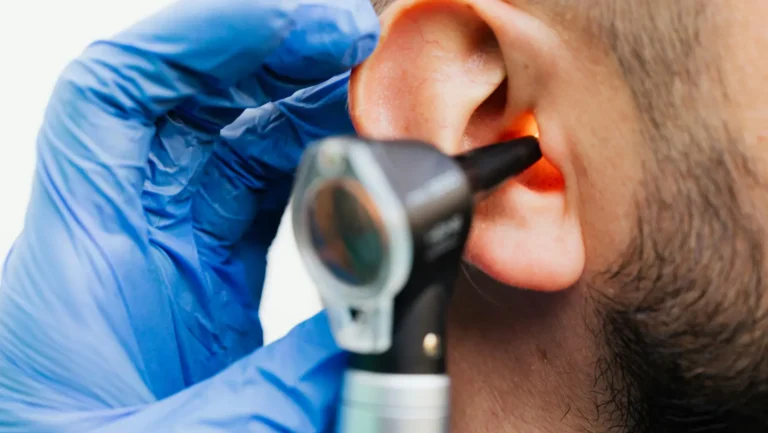
During examination, the doctor looks inside your ear canal using an otoscope (a lighted viewing tool). Fungal debris often appears flaky, thread-like, or powdery. Dark spots suggest an Aspergillus species. White or creamy patches point toward Candida. Swelling, redness, and scaling help confirm a fungal ear infection rather than a bacterial one. Pain response during examination also offers clues.
Doctors also check for skin damage and trapped moisture. These findings explain why the infection developed and guide prevention advice. This step forms the base of diagnosing fungal ear infections and decides if lab tests are needed.
Ear Swab And Lab Testing
If symptoms persist or recur, doctors collect an ear swab. The sample goes to a lab for fungal culture. This test identifies the exact fungal species. Peer-reviewed ENT studies show that targeted treatment works better than broad antifungal use.
Lab testing matters in stubborn cases, people with diabetes, or weak immunity. It avoids trial-and-error treatment. This step strengthens ear infection treatment success caused by fungi and lowers recurrence risk.
Differentiating Fungal Vs Bacterial Infection
Bacterial infections cause thick pus and sharp pain. Fungal ones cause intense itching, flaky debris, and slower pain onset. Antibiotics worsen fungal growth, which doctors consider a red flag. Mixed infections can occur, but fungi dominate when itching stays severe.
Correct differentiation protects you from unnecessary antibiotics. It also ensures that proper treatment for fungal ear infections begins early.
Fungal Ear Infection Treatment
Treatment focuses on removing fungal growth and restoring ear balance. No single method works for everyone. Doctors adjust care based on severity, fungal type, and health status. Cleaning plus antifungal medication works best for most cases. Skipping cleaning reduces drug effectiveness.
Ear Canal Cleaning
Doctors gently clean your ear canal using suction or special tools. This removes fungal debris, spores, and discharge. Cleaning reduces itching and improves hearing quickly. It also allows medicines to reach infected skin directly.
This step may need repetition. Cleaning alone does not cure a fungal ear infection , but it makes all other treatments more effective and shortens recovery time.
Antifungal Ear Drops
Doctors usually prescribe antifungal ear drops. These target fungi directly on the skin surface. Common agents include clotrimazole or similar medications. Dosage varies by age and severity. Drops reduce itching and discharge within days.
You must complete the full course. Stopping early allows fungi to return. Proper use improves symptoms of fungal ear infection and prevents recurrence.
Oral Antifungal Medications
Oral antifungals are reserved for severe or resistant cases. Doctors use them when an infection spreads beyond the ear canal or in people with weak immunity. These medicines work throughout the body, not just the ear.
Oral treatment requires monitoring due to possible side effects. Doctors weigh risks carefully. This option supports complex ear infections caused by fungi treatment plans.
Managing Underlying Conditions
Doctors address diabetes, eczema, or immune issues alongside ear treatment. High blood sugar feeds fungi. Skin conditions damage ear’s defenses. Managing these factors prevents repeat infection.
Without addressing root causes, a fungal ear infection often returns. Long-term control matters more than quick relief.
How Long Does A Fungal Ear Infection Last?
Recovery depends on severity and treatment timing. Early care leads to faster healing. Delayed care extends symptoms. Research shows fungal infections last longer than bacterial ones when mismanaged.
Mild Infections
Mild cases clear within one to two weeks. Proper cleaning and drops resolve symptoms steadily. Itching reduces first, followed by discharge and swelling. Most mild cases recover fully without complications. Early treatment for fungal ear infection prevents spread.
Moderate To Severe Infections
Severe infections last several weeks. Swelling blocks the canal and delays healing. Oral medication may be needed. Hearing returns slowly after inflammation resolves. Consistent follow-up ensures recovery. Skipping appointments increases recurrence risk of fungal ear infection .
Recurrent Fungal Ear Infections
Recurrent cases signal unresolved risk factors. Moisture exposure, device use, or health issues often persist. Doctors develop long-term prevention plans. Repeated infections require deeper diagnosing of fungal ear infections and efforts to identify triggers.
Complications Of Untreated Fungal Ear Infection
Ignoring treatment leads to damage. Fungi erode skin and prolong inflammation. Complications remain uncommon with timely care but increase with delay.
Chronic Ear Infection
Untreated infection becomes chronic. Symptoms flare and fade without full relief. Chronic inflammation thickens ear canal skin. This condition reduces quality of life and increases treatment difficulty. Early care avoids this outcome.
Damage To The Ear Canal
Fungi break down skin layers. This causes cracks and bleeding. Secondary bacterial infection may follow. Permanent canal damage is rare but possible. Treating a fungal ear infection early prevents tissue injury.
Persistent Hearing Problems
Long-term swelling blocks sound transmission. Hearing loss usually reverses, but may linger. Severe damage risks permanent changes. Proper prevention of ear infections reduces this risk.
Prevention Of Fungal Ear Infections
Prevention focuses on moisture control and preserving the ear’s natural barrier. Over-cleaning removes protective wax, while damp environments promote fungal survival. ENT guidelines emphasize habit changes over medication for long-term prevention.
Keeping Ears Dry
Dry ears resist fungal growth. Towel dry after bathing. Tilt your head to release trapped water. Avoid inserting objects. This habit alone lowers fungal ear infection risk significantly.
Avoiding Over-Cleaning
Do not remove earwax unless advised. Wax protects against moisture and germs. Over-cleaning strips this barrier. Gentle care supports natural prevention of ear infection mechanisms.
Safe Use Of Ear Devices
Clean earbuds and hearing aids daily. Allow ears to breathe between use. Replace damaged devices. These steps reduce moisture buildup and fungal growth.
When To See A Doctor
Medical evaluation becomes necessary when symptoms persist, worsen, or recur. Severe pain, swelling, or hearing changes suggest deeper involvement. Early consultation prevents complications and reduces repeat fungal infections.
Symptoms That Do Not Improve
Persistent itching, discharge, or blockage after a few days needs evaluation. Home care may fail. Doctors reassess diagnosis and adjust treatment for fungal ear infection accordingly.
Severe Pain Or Swelling
Severe pain suggests deeper involvement. Swelling may block the canal completely. Immediate care prevents complications. Prompt action limits fungal spread.
Repeated Ear Infections
Frequent infections indicate underlying issues. ENT specialists investigate causes and plan long-term control. This approach reduces repeated symptoms of fungal ear infection .
FAQs
How Do I Know If My Ear Infection Is Fungal?
A fungal ear infection causes intense itching, flaky discharge, and mild pain rather than sharp pain. Doctors confirm through examination and testing, which supports an accurate diagnosis of fungal ear infections and prevents wrong treatment.
What Does A Fungal Ear Infection Look Like?
It often appears as white, gray, or black debris inside the ear canal. The texture looks flaky or powdery, which helps doctors identify a fungal ear infection during examination.
Is A Fungal Ear Infection Serious?
Most cases are mild when treated early. Delayed care increases risk of chronic infection and hearing issues. Proper treatment for fungal ear infection keeps complications rare.
Can A Fungal Ear Infection Go Away On Its Own?
It rarely resolves without treatment. Fungi continue to grow in moist conditions. Medical care shortens recovery and prevents worsening of fungal ear infection symptoms.
How Long Does It Take For A Fungal Ear Infection To Heal?
Healing usually takes one to three weeks, depending on severity. Early treatment shortens duration. Severe cases need longer care and follow-up.
Can Home Remedies Cure A Fungal Ear Infection?
Evidence for home remedies remains limited. Some may irritate the ear. Doctors recommend proven medical treatment for fungal ear infection instead of untested methods.
Why Does My Fungal Ear Infection Keep Coming Back?
Recurring infection often links to moisture exposure, device use, or health conditions. Addressing these factors improves the prevention of ear infection and reduces recurrence.
Is Fungal Ear Infection Common In Children?
Children get it less often than adults. Swimmers face a higher risk. Proper ear drying and hygiene help prevent fungal ear infections in children.
Can Antibiotics Make a Fungal Ear Infection Worse?
Yes. Antibiotics kill helpful bacteria, allowing fungi to grow. This worsens symptoms of fungal ear infection and delays recovery.
When Should I See an ENT for a Fungal Ear Infection?
You should see an ENT if symptoms persist, recur, or worsen. Specialists manage complex cases and improve long-term outcomes.