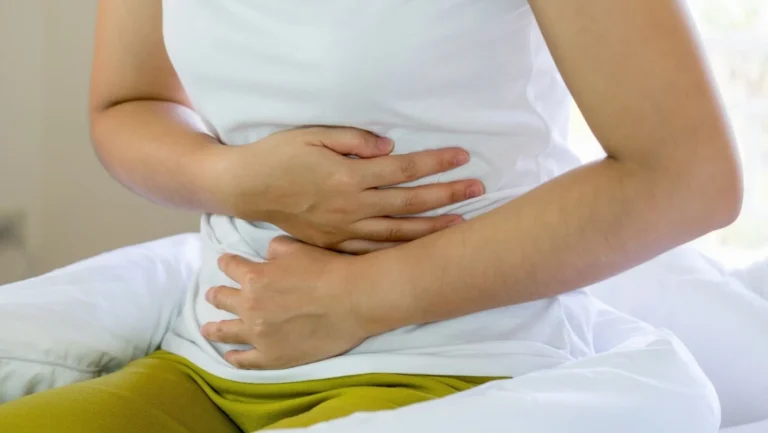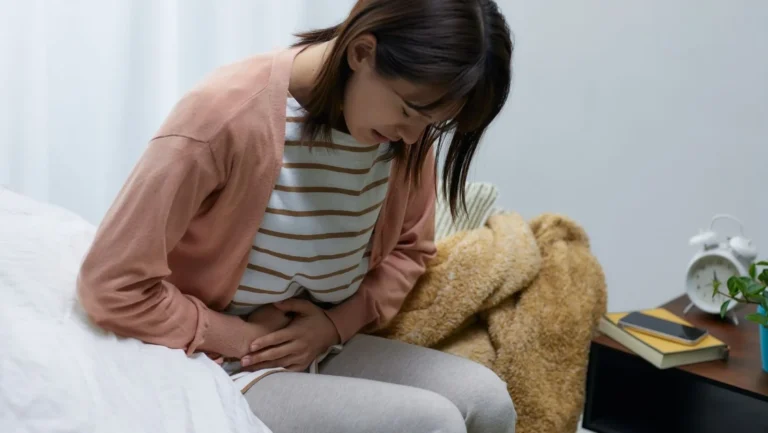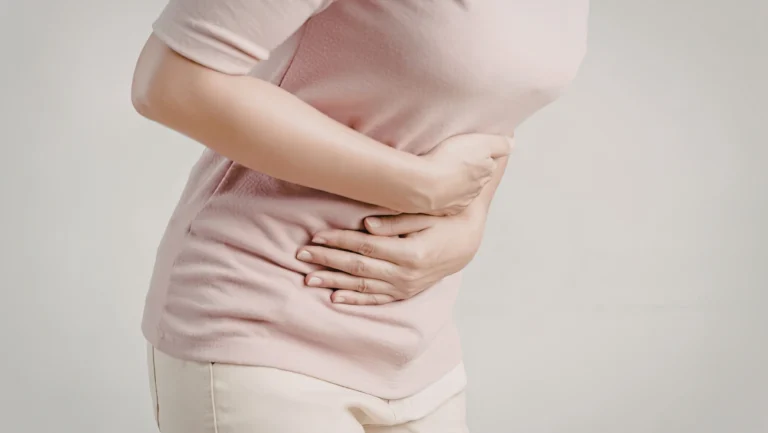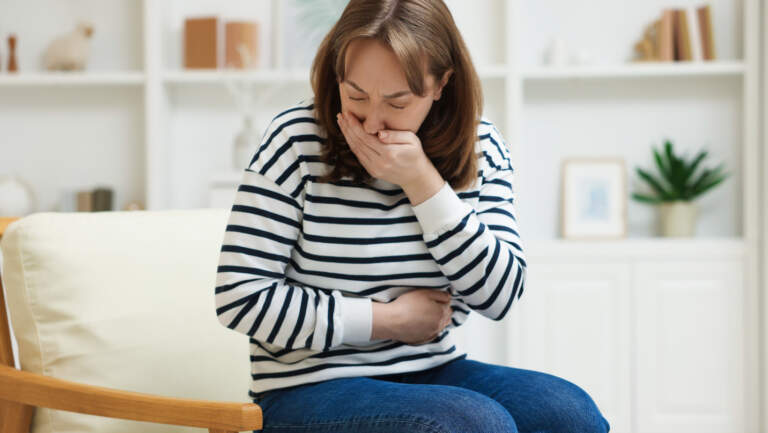
Abdominal pain and chills happen when your body fights an infection or deals with inflammation in your digestive system. Your immune system raises your temperature, triggers shaking chills, and sends pain signals from your stomach or intestines.
This combination usually points to something infectious-viral gastroenteritis, food poisoning, or a urinary tract infection that’s spread. Sometimes it signals inflammation in your stomach lining, intestines, or pancreas.
Chills and Stomach Pain Causes

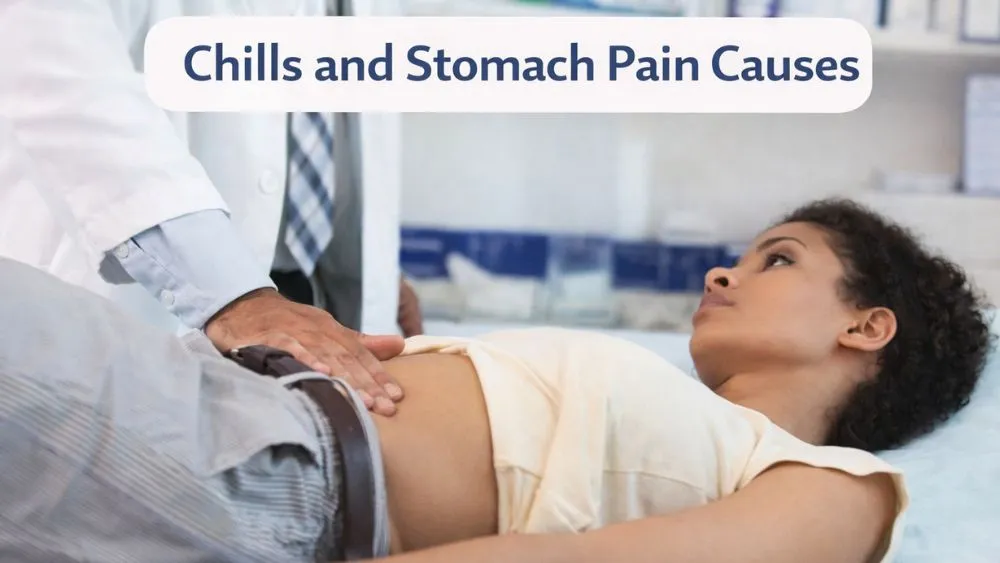
Your body produces chills and stomach pain through different mechanisms. Infections, inflammation, and sometimes serious internal problems create both.
Infectious Causes
Viral gastroenteritis attacks your intestinal lining. Your immune system detects the invasion and raises your core temperature. You get chills before the fever peaks. The virus also inflames your intestinal walls and causes cramping pain.
Bacterial food poisoning (Salmonella, E. coli, or Campylobacter) contaminates your food. Your body responds with violent chills, high viral fever, and sharp abdominal cramps. Vomiting and diarrhea start within 6-48 hours.
Urinary and abdominal infections sometimes create abdominal pain and chills too. A kidney infection produces flank pain that radiates to your abdomen, plus shaking chills and fever.
Inflammatory and Digestive Causes
Gastritis inflames your stomach lining through acid damage, H. pylori bacteria, and medication side effects. The pain gets worse on an empty stomach or after eating spicy food. You feel burning abdominal pain, nausea, and chills.
An inflammatory bowel flare happens when Crohn’s disease or ulcerative colitis is activated. It causes deep cramping pain, bloody diarrhea, and low-grade fever with chills. The inflammation spreads through your bowel wall.
Pancreatic inflammation can trigger abdominal pain and chills, causing pain to shoot straight through to your back.
Non-Infectious but Serious Causes
Internal bleeding in your digestive tract causes chills along with pain. You might see black tarry stools or vomit blood.
Organ inflammation from conditions like cholecystitis (gallbladder inflammation) produces right-sided abdominal pain with fever, chills, and pain after eating fatty meals.
5 Reasons You Might Have the Chills
Chills happen for specific physiological reasons. Your body doesn’t shake randomly. Here are 5 reasons you might have the chills for why body temperature regulation fails.
Infection Response
Your immune system changes your internal temperature when it detects an infection. Your current body temperature suddenly feels too cold, so you shiver to generate heat. That’s why you get chills as infection response tops the list.
Fever Development
Chills arrive before your temperature spikes. You shake for 20-60 minutes while your body heats up. Once you reach the new target temperature, the chills stop, and you feel hot instead. When the fever breaks, you sweat as your body cools back down.
Dehydration or Electrolyte Imbalance
Severe fluid loss disrupts your body’s temperature regulation through vomiting and diarrhea. Your muscles can’t function properly.
Blood Sugar Fluctuations
When your glucose drops low, your body releases adrenaline, which causes shaking, sweating, and cold sensations. This happens when you’re sick and not eating normally.
Stress or Shock Response
Physical stress from severe pain or internal injury activates your sympathetic nervous system. You might get chills, pale skin, a rapid heartbeat, and cold sweats, which signals you might have the chills beyond simple infection.
Symptoms That Occur With Abdominal Pain and Chills
Abdominal pain and chills accompany symptoms that help identify the underlying causes:
- Cramping or sharp abdominal pain that moves around your belly or stays in one spot. Cramping suggests intestinal involvement. Sharp, localized pain points to organ inflammation.
- Fever or sweating cycles with chills, and then you feel burning hot, then sweat as the fever drops.
- Nausea or vomiting empties your stomach. Your mouth feels dry and sticky.
- Diarrhea that’s watery, bloody, or contains mucus. Diarrhea with more than 6 episodes in 24 hours needs attention.
- Fatigue or weakness that prevents normal activities. You can’t stand without feeling dizzy.
Chills plus right-sided pain point to gallbladder or liver problems. Recognizing chills and stomach pain causes early leads to faster treatment.
Diagnosis of Abdominal Pain and Chills
The diagnosis of abdominal pain and chills starts with your symptoms and physical examination.
Clinical Evaluation
- Symptom duration: Symptoms under 12 hours suggest food poisoning; those lasting 3-7 days point to viral gastroenteritis, and beyond a week need imaging tests.
- Fever pattern: Spiking fevers (temperature jumps then drops) indicate bacterial infection, persistent low-grade fever suggests viral infection or inflammation.
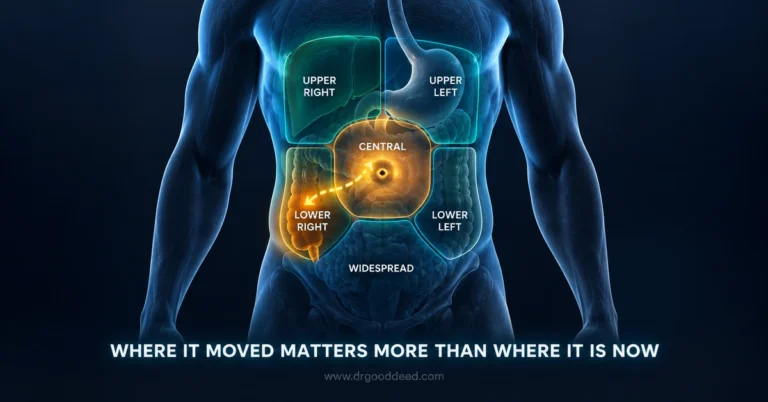
- Pain location and severity: Right upper quadrant pain means the gallbladder, liver, or right kidney. Left lower quadrant pain points to diverticulitis or colitis, and diffuse cramping suggests gastroenteritis.
Your doctor presses different parts of your abdomen to check for guarding (muscle tightening).
Tests Commonly Used
- Blood tests measure white blood cell count, which rises with infection. High neutrophils suggest bacterial infection. Elevated lymphocytes point to viral infection. C-reactive protein & ESR show inflammation levels.
- Urine tests indicate bacteria in urine. And flank pain explains the symptoms.
- Stool tests identify bacterial pathogens, parasites, or blood when diarrhea is present.
- Imaging (ultrasound and CT scans) shows bowel obstructions or organ inflammation.
How Are Abdominal Pain and Chills Treatment
Abdominal pain and chills treatment depends on the underlying cause.
Initial and Supportive Treatment
Hydration fixes most problems. Drink clear liquids, water, and oral rehydration solutions. Aim for pale yellow urine.
Fever control uses acetaminophen or ibuprofen. These lower your temperature and reduce pain. Take them every 4-6 hours as needed.
Rest and dietary adjustment let your digestive system recover. Skip solid food for 12-24 hours if you’re vomiting. Eat rice, bananas, toast, and applesauce. Avoid dairy, caffeine, and fatty foods until symptoms clear.
Medical Treatment
Infection-specific treatment targets the pathogen. Bacterial infections need antibiotics (ciprofloxacin) for food poisoning and (trimethoprim-sulfamethoxazole) for urinary infections.
Inflammation control uses different approaches. Gastritis responds to proton pump inhibitors that reduce stomach acid. Inflammatory bowel disease needs immunosuppressants or biologics during flares.
Hospital care and continuous monitoring become necessary when you experience symptoms of high fever over 103°F, severe dehydration, bloody diarrhea with weakness, or intense pain that prevents movement.
How Can I Prevent Abdominal Pain and Chills
These will help you learn how you can prevent abdominal pain and chills through practical daily habits.
- Food safety practices stop most infections before they start. Cook meat to proper temperatures (165°F & 160°F) for poultry and ground beef.
- Hand hygiene blocks transmission. Wash your hands with soap or hand sanitizer for 20 seconds before eating, after bathroom use, or touching raw meat.
- Adequate hydration keeps your immune system functioning.
- Early treatment of infections prevents complications that could worsen abdominal pain and chills. See a doctor within 48 hours if symptoms start.
- Avoiding trigger foods during illness reduces inflammation. Skip alcohol, spicy foods, and high-fat meals.
When to See a Doctor for Abdominal Pain and Chills
Don’t ignore abdominal pain and chills when they become severe or persistent. Seek medical care immediately if you notice:
- Chills with high fever (103°F) that doesn’t respond to medication
- Severe or worsening abdominal pain that makes you double over or prevents normal movement
- Persistent vomiting or diarrhea for more than 24 hours
- Signs of dehydration like dark urine, dizziness when standing, dry mouth, and no urination for 8+ hours
- Symptoms lasting more than 24-48 hours without improvement
Immediately seek the doctor if you have bloody vomit, black tarry stools, chest pain with abdominal pain, or confusion with fever.
FAQs on Abdominal Pain and Chills
Is abdominal pain and chills a sign of infection?
Yes, usually. Your immune system creates chills while fighting bacterial or viral infections in your digestive tract, urinary system, or abdominal organs.
Can food poisoning cause abdominal pain and chills?
Absolutely. Bacterial food poisoning from Salmonella or E. coli produces severe chills, high fever, and cramping abdominal pain within 6-48 hours of eating contaminated food.
Are chills without fever concerning?
Sometimes. Chills can happen before your temperature rises, during dehydration, or from low blood sugar. If chills persist without fever for more than 12 hours, see a doctor.
Can dehydration cause chills and stomach pain?
Yes. Severe fluid loss from vomiting or diarrhea disrupts your electrolyte balance and temperature regulation, triggering chills and cramping.
Is abdominal pain and chills an emergency?
It becomes an emergency when you have high fever above 103°F, bloody diarrhea, severe pain, confusion, or signs of dehydration that don’t improve with drinking fluids.
Can stress cause abdominal pain and chills?
Acute stress triggers your fight-or-flight response, which can cause chills, stomach cramping, and nausea. Chronic stress doesn’t typically cause true chills with fever.
Do antibiotics always treat abdominal pain and chills?
No. Antibiotics only work for bacterial infections. Viral gastroenteritis, which causes most cases, resolves on its own within 3-7 days.
Can this condition go away on its own?
Most cases of abdominal pain and chills from viral infections or mild food poisoning resolve within 24-72 hours with rest and hydration.
Should I eat during abdominal pain and chills?
Skip solid food for 12-24 hours if you’re vomiting actively. Once vomiting stops, start with bland foods like rice, bananas, and toast. Avoid fatty or spicy foods.
When should I seek urgent care?
Go to urgent care if symptoms last more than 48 hours, you can’t keep liquids down, you have a high fever, or you notice blood in vomit or stool.