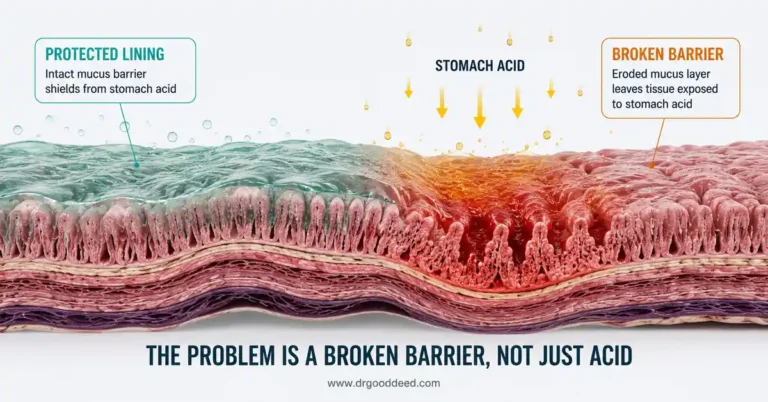


Stomach ulcers are open sores that form on the lining of your stomach or the upper part of your small intestine. The right home remedies for ulcers reduce pain, protect the stomach lining, and speed up recovery when used alongside proper medical treatment. None of them replaces that treatment.
Most ulcers are caused by a bacterium called H. pylori or by long-term use of painkillers like ibuprofen. Both need medical treatment. Natural remedies reduce symptoms and help the stomach heal faster alongside that treatment.
If your symptoms are mild and recent, start with the dietary changes and see a doctor to confirm what you are dealing with. If symptoms are severe or have lasted more than two weeks, earlier the diagnosis, the faster and cleaner the recovery.
Can Stomach Ulcers Be Treated at Home?
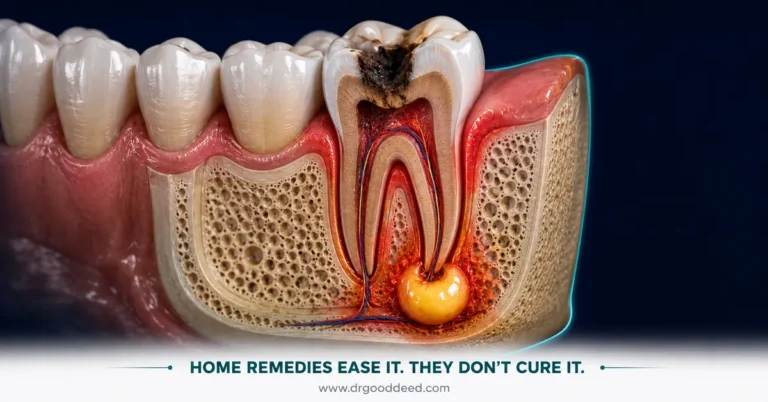
Home remedies for ulcers reduce discomfort and support the healing process. They do not cure ulcers caused by H. pylori infection or NSAID use. Those require antibiotics and acid-suppressing medications prescribed by a doctor.
Here is the clear split:
- H. pylori ulcers: Need a 10 to 14-day antibiotic course with a proton pump inhibitor (PPI).
- NSAID-induced ulcers: Need to stop the painkiller and use a PPI.
- Home remedies: Supportive care that reduces pain and inflammation while the real treatment does its job.
Treating an ulcer only with natural remedies and skipping the doctor leads to complications. Bleeding and perforation are both real risks.
10 Home Remedies for Stomach Ulcers

These 10 home remedies for stomach ulcers have varying levels of evidence. Some are well-studied. Some are traditional. All are safer than trying random herbal supplements without guidance.
1. Probiotics
Probiotics do not kill H. pylori. What they do is reduce the side effects of the antibiotics used to treat it, like diarrhea and bloating. Adding Lactobacillus and Bifidobacterium strains during antibiotic therapy improves treatment success rates. Yogurt with live cultures, kefir, and fermented foods are practical daily sources.
2. Cabbage Juice
Raw cabbage juice contains L-glutamine, an amino acid that feeds the cells lining the stomach wall. Fresh cabbage juice helps ulcers heal significantly faster than standard treatment at the time. The research is old, but the mechanism is real. Drink half a cup of fresh raw cabbage juice, not from a can, once or twice a day.
3. Raw Honey
Raw honey has documented antimicrobial activity against H. pylori in lab settings. Manuka honey, specifically, carries higher concentrations of the active compound methylglyoxal. One to two teaspoons before meals on an empty stomach is the typical use. It does not replace antibiotics, but it is not doing nothing either.
4. Aloe Vera Juice
Aloe vera soothes the stomach lining and reduces acid-related inflammation. Small amounts, about 10 ml of pure aloe vera juice (not the gel meant for skin), are enough. Drinking large quantities causes diarrhea. More is not better here.
5. Deglycyrrhizinated Licorice (DGL)
DGL is a processed form of licorice root where the compound glycyrrhizin has been removed. Regular licorice raises blood pressure and causes fluid retention. DGL does not. It stimulates the stomach’s natural mucus production, which protects the lining from acid. Chewable DGL tablets before meals are the most common form. This is one of the more evidence-backed home remedies for ulcers in terms of mucosal protection.
6. Turmeric (Curcumin)
Curcumin, the active part of turmeric, reduces inflammation in the stomach lining and shows some antimicrobial activity against H. pylori in research settings. Adding turmeric to food is safe. High-dose curcumin supplements on an empty stomach can irritate the gut in some people. Start small.
7. Garlic
Garlic contains allicin, which has antimicrobial properties. Some studies show it inhibits H. pylori growth. Raw garlic in large amounts irritates the stomach lining for many people. One or two cloves cooked into meals is the safe approach. Eating five raw cloves on an empty stomach is asking for more pain.
8. Chamomile Tea
Chamomile has mild anti-inflammatory and antispasmodic effects. It relaxes the smooth muscle of the gut, which reduces cramping and pain. It does not heal the ulcer itself, but it makes living with one more manageable. One to two cups a day, away from meals, works well.
9. Flavonoid-Rich Foods
Flavonoids found in apples, blueberries, cherries, and green tea have been studied for their ability to inhibit H. pylori and protect the stomach lining. These work as a dietary habit, not a one-time fix. Eating them consistently as part of a regular diet provides the most benefit.
10. Stress Reduction
Stress does not cause ulcers directly. But stress worsens ulcer symptoms by increasing stomach acid secretion and slowing the healing rate. Chronic stress also raises cortisol, which reduces the stomach’s ability to maintain its mucosal barrier. Sleep, exercise, and cutting back on overwork are not soft suggestions here. They are part of recovery.
Gastric Ulcer Natural Treatment: What Actually Helps?
Gastric ulcer natural treatment works within a narrow lane. Here is what the evidence supports versus what it does not.
Evidence-backed gastric ulcer treatment:
- Probiotics used alongside antibiotic therapy
- DGL licorice for mucosal protection
- Flavonoid-rich diet for reducing H. pylori adhesion
- Stress reduction to normalize acid secretion
Not supported by evidence:
- High-dose apple cider vinegar (it is acidic and worsens ulcer pain for most people)
- Random herbal supplement blends sold online
- Baking soda as a daily antacid (it neutralizes acid temporarily but disrupts stomach pH balance with regular use)
The most important thing to know about gastric ulcer natural treatment: none of these eliminate H. pylori. A confirmed H. pylori infection needs eradication therapy.
Foods That Help Heal Ulcers
Foods that help heal ulcers focus on reducing irritation and supporting the stomach’s natural protective lining.
- Bananas: Contain compounds that stimulate mucus production in the stomach.
- Oatmeal: Gentle on the gut, high in soluble fiber, slows digestion without increasing acid.
- Yogurt with live cultures: Delivers probiotics directly to the gut.
- Leafy greens: Spinach and broccoli are high in vitamin K, which supports tissue repair.
- Lean protein: Chicken, fish, and eggs digest easily without overloading stomach acid production.
- Whole grains: Brown rice and whole wheat bread are fiber-dense and non-irritating.
The goal of these foods that help heal ulcers is to stop making the situation worse while the ulcer heals.
Food to Avoid With Ulcers
Food to avoid with ulcers does not mean these foods caused the ulcer. They did not. Diet does not cause ulcers. But these foods worsen symptoms and slow healing.
- Alcohol: Damages the stomach lining directly and increases acid output.
- Spicy foods: Not proven to cause ulcers, but they aggravate pain in active ulcer cases.
- NSAIDs: Ibuprofen, aspirin, and naproxen block the enzymes that protect the stomach lining. This is one of the top two causes of ulcers, not just a food to avoid with ulcers.
- Excess caffeine: Stimulates acid secretion. Coffee, black tea, and energy drinks are the main sources.
- Fried and fatty foods: They slow stomach emptying, increasing the time acid sits against the ulcer.
- Highly acidic foods: Citrus and tomato-based dishes cause burning in some people with active ulcers.
Individual responses vary. Some people with ulcers tolerate coffee fine. Others cannot. Pay attention to what triggers your symptoms specifically.
How Long Do Ulcers Take to Heal?
How long ulcers take to heal depends entirely on the cause and whether treatment is started.
- With proper treatment, most gastric ulcers heal in 4 to 8 weeks.
- Without treatment, healing is delayed, and complications like bleeding become much more likely.
Factors that slow healing:
- Smoking: Reduces blood flow to the stomach lining and slows mucosal repair significantly.
- H. pylori not fully eradicated: The bacteria keep damaging the lining.
- Continued NSAID use: Removes the protective layer repeatedly.
- Large ulcer size: Takes longer structurally.
If you try to heal ulcers with only home remedies and no medication, it will take longer to cure than with treatment, and sometimes not at all if H. pylori is present.
Warning Signs of a Complicated Ulcer
Some ulcers stop being a stomach problem and become a medical emergency. Get to an emergency room immediately if you notice any of these:
- Vomiting blood or material that looks like coffee grounds
- Black, tarry, foul-smelling stools (this is digested blood)
- Sudden severe abdominal pain that does not go away
- Dizziness, fainting, or rapid heartbeat alongside stomach pain
These signals either a bleeding ulcer or a perforated ulcer. Both are life-threatening. No home remedies for ulcers address either of these. This is not the time for chamomile tea.
When to See a Doctor
See a doctor if:
- Stomach pain persists beyond 1 to 2 weeks
- Symptoms keep coming back after they improve
- You lose weight without trying
- Vomiting happens frequently
- You are over 55 with new stomach pain (higher risk for stomach cancer)
A doctor will likely order an endoscopy to confirm the ulcer and test for H. pylori. Treatment takes 2 to 4 weeks. Skipping this step and relying only on home remedies for ulcers risks the ulcer growing larger or bleeding.
FAQs
Can ulcers heal naturally?
Small ulcers with no H. pylori infection sometimes heal on their own within 6 to 8 weeks when NSAIDs are stopped, and diet is managed. H. pylori ulcers do not heal naturally because the bacteria actively damage the lining. Without antibiotics, H. pylori infection persists indefinitely.
Is milk good for ulcers?
No. Milk provides short-term relief by neutralizing acid briefly, but it triggers a rebound acid surge afterward. Research confirms that milk increases acid secretion within 30 minutes of drinking it. Doctors stopped recommending milk for ulcers decades ago after studies showed it prolonged healing time rather than helping it.
Can stress cause ulcers?
No. Stress alone does not cause ulcers. The two proven causes are H. pylori infection and NSAID overuse. Stress increases acid production and slows stomach healing, which worsens an existing ulcer. Critically ill patients in ICUs sometimes develop stress ulcers, but that is due to severe physiological trauma, not everyday stress.
Are probiotics effective for ulcers?
Yes, but only as a supporting role. Probiotics do not kill H. pylori on their own. When taken alongside antibiotics, specific strains like Lactobacillus reuteri and Lactobacillus acidophilus improve H. pylori eradication rates by up to 10% and reduce antibiotic side effects by roughly 50%, based on multiple clinical trials.
Can I drink coffee with an ulcer?
It depends on the person. Coffee increases acid output, which can worsen pain in an active ulcer. If coffee triggers symptoms, stop it until the ulcer heals. If it does not cause pain, moderate intake of 1 cup a day is unlikely to cause serious harm. Decaf is not acid-free, so it still triggers some acid secretion.
Do ulcers always cause pain?
No. Silent ulcers exist. Many people, especially older adults taking NSAIDs regularly, have ulcers with no pain at all. The first sign is sometimes a complication like bleeding, which shows up as black stools or vomiting blood. This is one reason regular checkups matter for people on long-term painkiller use.