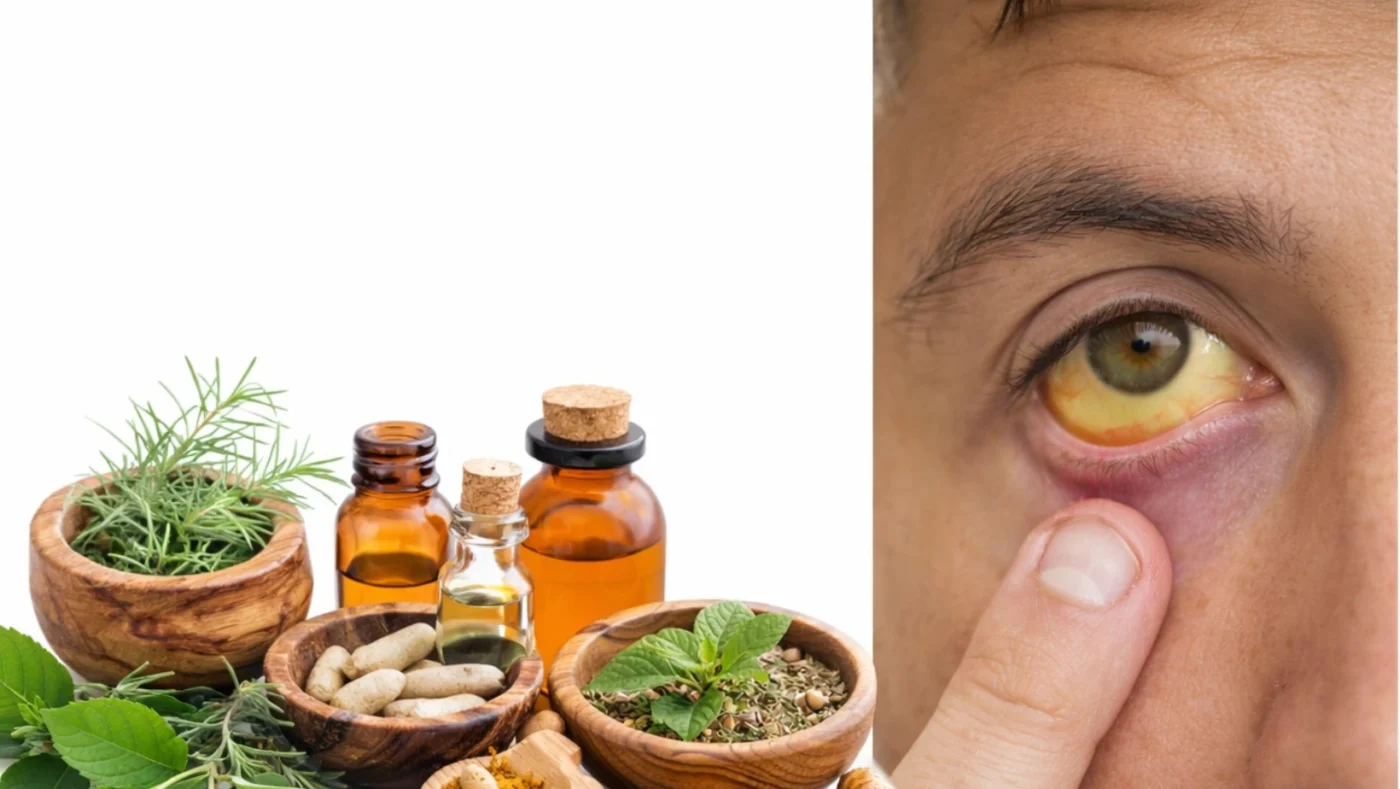

Jaundice is a symptom, not a disease. Your skin and eyes turn yellow because bilirubin, a waste product from old red blood cells, builds up in your blood faster than your liver can clear it. Mild jaundice from viral hepatitis A or early fatty liver disease can improve with proper rest, hydration, and a liver-friendly diet. But jaundice always needs a doctor’s diagnosis first because the cause determines the treatment.
Jaundice recovery is mostly about giving your liver the right conditions to do its job. That means clean food, enough water, full rest, and zero alcohol.
Monitor bilirubin levels with regular blood tests. If symptoms worsen in the first week instead of improving, that is a sign the underlying cause needs more than supportive care. Treat the cause, support the liver, and recovery follows.
Can Jaundice Be Treated at Home?
Yes, partially, but only under medical supervision.
Mild jaundice from Hepatitis A, for example, often resolves within 2 to 6 weeks with rest and supportive care. But obstructive jaundice, which happens when a gallstone blocks your bile duct, requires surgery or an endoscopic procedure. No amount of turmeric milk fixes a blocked bile duct.
This is why doctors check bilirubin levels through a blood test called the LFT (Liver Function Test). A bilirubin level above 3 mg/dL is usually when you start seeing yellow skin. Levels above 10 mg/dL need hospital-level care in most adults.
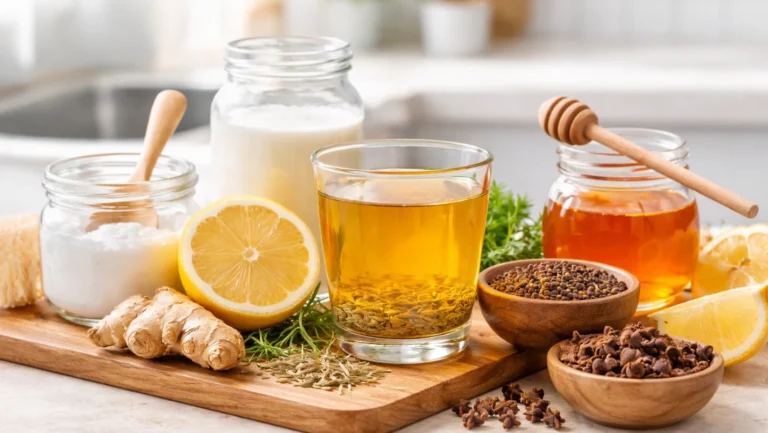
7 Home Remedies for Jaundice
1. Adequate Hydration
Your liver needs fluid to flush out bilirubin through urine and stool. Dehydration slows this process down.
- Water: 2.5 to 3 liters per day. Plain water works better than anything with added sugar.
- Coconut water: Provides electrolytes without stressing the liver. Contains potassium, which supports cell function during recovery.
- Lemon water: Lemon stimulates bile production mildly. A glass of warm lemon water in the morning helps bile flow.
Dark yellow or brown urine is a sign you are not drinking enough.
2. Sugarcane Juice (Hygienically Prepared)
Sugarcane juice is a traditional remedy used across South Asia for liver recovery. It has alkaline properties and provides quick energy without putting digestion under pressure.
The catch: it must be freshly prepared at home. Roadside sugarcane juice is a known source of Hepatitis E and typhoid in India. If you are already dealing with home remedies for jaundice due to Hepatitis A, contaminated juice makes things significantly worse.
One glass per day, made at home with a clean machine, is the safe limit.
3. Papaya and Papaya Leaf Extract
Papaya contains papain, an enzyme that supports digestion. The fruit itself is easy on the liver. Papaya leaf extract has shown some evidence of reducing liver enzyme levels (ALT and AST) in small studies on liver conditions.
Two to three slices of ripe papaya per day is a practical approach. Papaya leaf extract juice, about 30 ml once daily, is commonly used in traditional medicine. Do not exceed this amount. High doses of papaya leaf extract can irritate the stomach lining.
4. Gooseberry (Amla)
Amla has one of the highest natural vitamin C concentrations of any fruit. 100 grams of amla gives you about 600 mg of vitamin C, compared to 53 mg in an orange.
Vitamin C is an antioxidant. Oxidative stress damages liver cells during inflammation. Amla helps reduce this. Two raw amlas per day, or 20 ml of fresh amla juice mixed with water, works well during recovery. Avoid amla candy or processed forms because they contain sugar and preservatives the liver does not need right now.
5. Barley Water
Barley is rich in beta-glucan, a soluble fiber that supports digestion and reduces cholesterol load on the liver. It also keeps bowel movements regular, which matters because bilirubin exits the body through stool.
Soak two tablespoons of pearl barley in water overnight. Boil, strain, and drink the water throughout the day. You can add a squeeze of lemon. This is one of the most overlooked 7 home remedies for jaundice in most online articles.
6. Turmeric in Warm Milk
Curcumin in turmeric has anti-inflammatory properties. It does not directly lower bilirubin. What it does is reduce liver inflammation, which helps the liver function more efficiently.
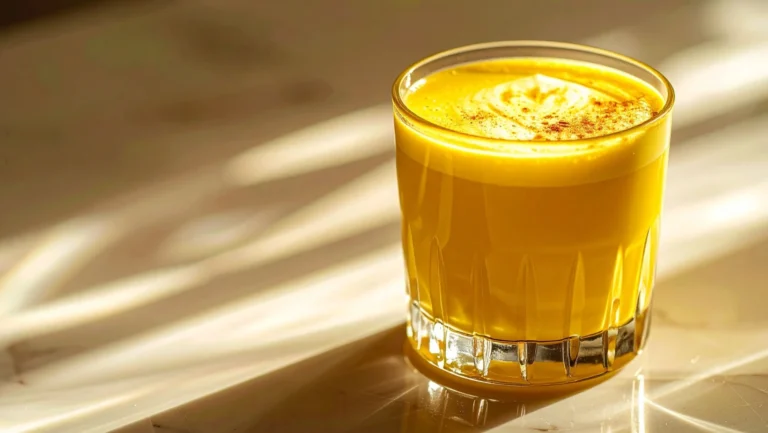
Half a teaspoon of turmeric in a glass of warm low-fat milk, once a day, is a reasonable amount. More than this can actually irritate the liver in high doses. Curcumin supplements above 1,000 mg/day can be hepatotoxic (damaging to the liver). Stick to the kitchen-level amount, not supplements.
7. Adequate Rest
The liver does most of its repair work when you are at rest. Physical activity increases metabolic demand, which means the liver processes more waste. During jaundice recovery, this slows healing.
Bed rest for the first 1 to 2 weeks of acute jaundice, especially from viral hepatitis, is standard medical advice. Do not push through fatigue. Fatigue during jaundice is your liver telling you something.
Best Diet for Jaundice Patient at Home
The best diet for jaundice patient at home follows one rule: make digestion easy and reduce toxic load on the liver.
What to Eat
- Fresh fruits: Papaya, apple, pomegranate, watermelon, and oranges
- Steamed vegetables: Carrots, beetroot, bottle gourd, and ridge gourd
- Whole grains: Brown rice, oats, and whole wheat roti in small portions
- Lean proteins: Yellow lentil dal, moong dal, and tofu. Avoid heavy pulses like rajma or chana in the first week.
- Water and clear fluids: The liver uses water to make bile and flush waste
Eat small meals every 3 to 4 hours instead of three large meals. A full stomach puts more pressure on the liver to produce digestive enzymes.
Best Fruits to Eat During Jaundice Recovery
The best fruits to eat during jaundice recovery are the ones that combine hydration, antioxidants, and natural enzyme support.
- Papaya: Enzyme support, easy digestion
- Pomegranate: High in polyphenols that reduce liver inflammation
- Apples: Pectin in apples binds to toxins in the gut and helps remove them through stool
- Oranges: Vitamin C and hydration, but avoid on an empty stomach if you have acidity
- Watermelon: 92% water content, supports kidney and liver flushing
Avoid packaged fruit juices. Even “100% natural” juices contain fructose concentrations that stress a recovering liver.
Foods to Avoid
- Fried food and oily snacks
- Spicy food (irritates bile production)
- Alcohol (in any amount)
- Processed foods with preservatives
- Red meat (takes longer to digest, increases liver workload)
Alcohol-Induced Jaundice Recovery at Home
Alcohol-induced jaundice recovery at home is possible in early-stage alcoholic fatty liver, but only with complete alcohol cessation and medical monitoring.
If the jaundice is alcohol-related, stopping alcohol is the first and most important step, not optional. Even one drink during recovery can spike liver enzymes further.
Alcoholic hepatitis, a more serious form, causes jaundice along with fever, abdominal pain, and confusion. This is a hospital condition, not a home-management situation. The 30-day mortality in severe alcoholic hepatitis without treatment is around 50%.
At home, after medical clearance:
- High-protein diet (eggs, dal, tofu) because alcohol damages protein synthesis
- Vitamin B complex supplements (especially B1/Thiamine) because alcohol depletes B vitamins
- Zinc supplementation, as deficiency is common in alcoholic liver disease
- Regular LFT testing every 2 to 4 weeks
Itching Due to Jaundice: Home Relief
Home relief for itching due to jaundice is one of the most searched yet least explained topics. The itch comes from bile salts depositing under the skin, not from dryness. This is why regular moisturizers do not fully stop it.
Home options that actually help:
- Oatmeal baths: Colloidal oatmeal reduces bile-related skin irritation. Soak for 15 to 20 minutes in lukewarm water.
- Cool compress: Cold reduces the nerve signals that cause itch. Apply to affected areas for 10 minutes.
- Loose cotton clothing: Synthetic fabric traps heat and worsens bile-salt itch.
- Keep nails short: Scratching breaks skin and causes infection.
When the itch is severe and widespread, doctors use cholestyramine, a bile acid binder. Home remedies help mild cases. Severe itch from obstructive jaundice needs medical treatment.
How Long Does Jaundice Take to Recover?
Recovery time depends entirely on the cause:
- Hepatitis A: 2 to 6 weeks with rest and supportive care
- Hepatitis B (acute): 4 to 12 weeks; some cases become chronic
- Alcoholic hepatitis: Weeks to months, depending on how much liver damage exists
- Obstructive jaundice (gallstones): Clears within days after the blockage is removed
- Newborn jaundice: Usually resolves in 1 to 2 weeks
Home remedies for jaundice can shorten recovery by reducing liver stress, but they do not change the biology of viral clearance or structural obstruction.
Warning Signs That Need Immediate Medical Attention
Do not wait and watch if you see:
- Severe abdominal pain on the right side (under the ribs)
- Confusion, slurred speech, or disorientation
- Vomiting blood or black-colored vomit
- Dark brown urine with pale, clay-colored stools together
- Persistent vomiting that prevents eating or drinking
- Rapidly spreading yellow color across the body
These signs point to liver failure or biliary obstruction. This is a medical emergency.
Can Jaundice Be Prevented?
Yes, most cases of infectious jaundice are preventable.
- Hepatitis A and B vaccines are both available and effective. Hepatitis A vaccine is given in two doses. Hepatitis B is given in three doses.
- Safe drinking water and avoiding street food during outbreaks
- Avoid sharing needles (Hepatitis B and C transmission)
- Limit alcohol to safe limits: The WHO defines this as under 14 units per week for men, under 7 for women
FAQs
Can jaundice go away on its own?
Yes, Hepatitis A-related jaundice resolves on its own within 2 to 6 weeks with rest. But obstructive jaundice from gallstones or bile duct blockage does not resolve without a procedure. The cause decides whether home remedies for jaundice are enough.
Is sugarcane juice good for jaundice?
Yes, freshly made sugarcane juice supports liver recovery by providing quick energy in a liver-friendly form. The risk is contamination. Commercially pressed sugarcane juice is a documented source of Hepatitis E. Make it at home only.
What is the fastest way to cure jaundice?
There is no shortcut. For Hepatitis A, rest and hydration are the proven approach and recovery takes 2 to 6 weeks minimum. For gallstone-related jaundice, an ERCP (Endoscopic Retrograde Cholangiopancreatography) or laparoscopic surgery removes the blockage and jaundice clears within days.
Is milk allowed during jaundice?
Low-fat milk in small amounts is fine. Full-fat milk increases fat load on the liver, which slows recovery. One glass of low-fat or skimmed milk per day is acceptable. Avoid cream, cheese, and butter entirely during the recovery phase.
Can jaundice return?
Yes. In people with Gilbert’s syndrome, a genetic condition, jaundice returns during stress, illness, or fasting. Alcoholic jaundice returns if drinking resumes. Hepatitis B and C can cause repeated episodes if not treated with antiviral medication. Home remedies for jaundice help with recovery but do not prevent recurrence.