
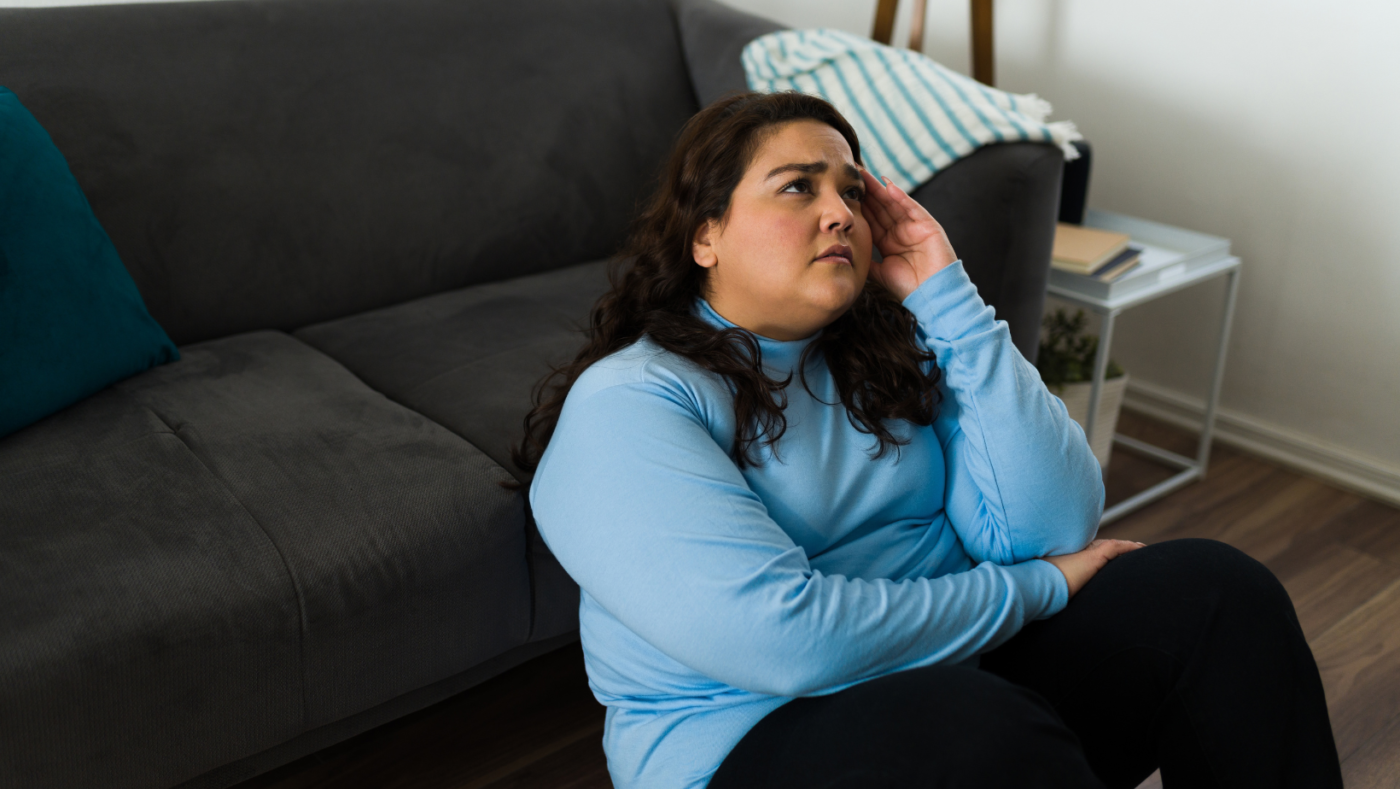

Over 284 million people worldwide live with an anxiety disorder, making it the most common mental health condition globally.
What Is Anxiety?
Anxiety is a mental state of excessive fear, worry, or nervousness that doesn’t match the actual situation. The brain’s amygdala, the part that processes fear, sends out threat signals even when no real danger exists. This keeps the body in a constant “fight or flight” state, which wears it down over time.
What Are the 4 Types of Anxiety Disorder?
There are four main types, each with different triggers and patterns:
- Generalized Anxiety Disorder (GAD): Constant, uncontrollable worry about everyday things like money, health, or work. It lasts six months or longer.
- Social Anxiety Disorder: Intense fear of being judged or embarrassed in social situations. Many people with this avoid public spaces entirely.
- Panic Disorder: Repeated, sudden panic attacks with no clear trigger. People often fear the next attack, which creates a cycle.
- Specific Phobias: Extreme fear of one specific thing, like heights, flying, or needles, that causes immediate anxiety when faced.
Each type responds differently to treatment, which is why diagnosis matters before starting any therapy.
What Are the 5 Main Symptoms of Anxiety?
The five symptoms that show up most consistently across anxiety disorders are:
- Constant worry that feels impossible to control
- Physical tension, mostly in the neck, shoulders, and chest
- Sleep problems, either trouble falling asleep or staying asleep
- Restlessness, a feeling of being on edge for no clear reason
- Fatigue, even after rest, because the nervous system stays overactivated
These symptoms are often written off as stress. The difference is duration. Stress is temporary. Anxiety sticks around without a clear cause.
How Do I Know If I’m Having an Anxiety Attack?
An anxiety attack builds gradually. You’ll feel increasing dread or worry, then physical symptoms start: chest tightness and use this relieve method , shallow breathing, sweating, or a racing heart. Unlike panic attacks, anxiety attacks often have an identifiable trigger.
The peak usually lasts 20 to 30 minutes. how to stop If you’re shaking from anxiety, hyperventilating, or convinced something terrible is about to happen without a real reason, you’re likely in an anxiety attack.
What Are the Symptoms of a Silent Panic Attack?

Silent panic attacks are real and frequently missed. There’s no dramatic crying or gasping. Instead, a person experiences:
- Sudden feeling of disconnection from their surroundings
- Numbness or tingling in hands, face, or feet
- A strong sense that something is deeply wrong, but no words for it
- Racing heartbeat that feels like it’s happening inside the head
- Blurred thoughts or difficulty forming sentences
Silent panic attacks are dismissed as “overthinking.” The nervous system is fully activated; the symptoms just show up internally rather than visibly.
What Is the Difference Between Anxiety and Panic Attacks?
Panic attacks peak faster and feel more physically explosive. Anxiety attacks last longer and feel more mentally suffocating.
| Feature | Anxiety Attack | Panic Attack |
| Onset | Gradual buildup | Sudden, within seconds |
| Duration | 20 to 60+ minutes | Usually 5 to 20 minutes |
| Trigger | Usually identifiable | Often no clear trigger |
| Physical Intensity | Moderate | Severe (heart pounding, gasping) |
| Fear Type | Future-focused dread | Immediate fear of death or losing control |
| After Effects | Lingering unease | Exhaustion, confusion |
Can Anxiety Feel Like a Heart Attack?
Yes. This is one of the most common reasons people go to the ER. Anxiety triggers a real adrenaline surge that causes of Anxiety chest pain, shortness of breath, left arm tingling, and rapid heartbeat. These are the same symptoms as a cardiac event.
Heart attacks usually start during physical exertion or at rest in older adults. Anxiety-related chest pain and resolves within minutes once the trigger passes. A doctor rules out cardiac causes with an ECG and blood tests.
What Is the 3-3-3 Rule for Anxiety?
The 3-3-3 rule is a grounding technique used to interrupt an anxiety spiral by forcing the brain to focus on the present moment.
How it works:
- Name 3 things you can see around you
- Name 3 sounds you can hear right now
- Move 3 parts of your body, like fingers, shoulders, and feet
This technique works because anxiety pulls attention into “what if” future scenarios. Grounding it in physical, real-time sensory input short-circuits that loop. It doesn’t cure anxiety, but it reliably reduces the intensity of an active episode.
How Can I Confirm If I Have Anxiety?
A doctor or psychologist uses standardized tools to confirm an anxiety diagnosis. The most widely used is the GAD-7 scale, a 7-question assessment measuring how often anxiety symptoms occur. Scores above 10 suggest moderate to severe anxiety.
A clinical diagnosis also requires that symptoms last at least 6 months, cause real disruption to daily functioning, and aren’t better explained by medication side effects or a medical condition like hyperthyroidism.
Is Anxiety Disorder Curable?
Anxiety disorders are treatable, and many people reach full remission. “Curable” depends on the type and severity. Social anxiety and specific phobias respond very well to Cognitive Behavioral Therapy (CBT), with remission rates above 60% in clinical trials.
GAD is more chronic but highly manageable. Most people with treated anxiety live normal lives. Without treatment, anxiety disorders rarely resolve on their own and usually get worse over time.
How to Treat Extreme Anxiety?
For extreme or severe anxiety, treatment works best when it combines medication with therapy.
- SSRIs (like sertraline or escitalopram) are the first-line medication choice. They reduce baseline anxiety over 4 to 6 weeks.
- CBT teaches the brain to respond differently to triggers. It produces lasting changes that medication alone doesn’t.
- Exposure therapy is used for phobias and severe social anxiety. The person gradually faces feared situations in a controlled way.
- In acute crisis, benzodiazepines (like lorazepam) provide fast relief but aren’t for long-term use because of dependence risk.
Severe anxiety sometimes requires inpatient or intensive outpatient programs if daily functioning has completely broken down.
Can I Cure Anxiety Without Medication?
For mild to moderate anxiety, yes. CBT without medication works for a large percentage of people, especially when started early. A 2021 meta-analysis published in JAMA Psychiatry confirmed CBT produces similar outcomes to medication for generalized anxiety disorder in adults.
Other proven non-medication approaches include:
- Regular aerobic exercise (30 minutes, 5 days a week) reduces cortisol and increases GABA activity in the brain
- Sleep regulation, because sleep deprivation raises anxiety sensitivity significantly
- Mindfulness-Based Stress Reduction (MBSR), which showed measurable changes in amygdala activity after 8 weeks in multiple studies
Severe anxiety usually needs medication, at least initially. Mild anxiety often doesn’t.
What Is the Safest Anxiety Medication?
SSRIs are considered the safest long-term option. Sertraline (Zoloft) and escitalopram (Lexapro) have the most favorable safety profiles and the fewest drug interactions among all anxiety medications.
Buspirone is another safe option, particularly for GAD. It doesn’t cause sedation or dependence. It takes 2 to 4 weeks to work, which many people find frustrating, but it’s genuinely well-tolerated across age groups including older adults.
Benzodiazepines (like Xanax) work fast but carry real dependence risk. They’re not “safe” for regular use.
How to Heal Anxiety Naturally?
Natural approaches that have clinical backing:
- Magnesium glycinate (200 to 400 mg daily) reduces cortisol and supports the GABA system, the brain’s calming pathway
- Lavender oil (oral supplement Silexan 80 mg) showed anxiety reduction comparable to lorazepam in a published German clinical trial
- L-theanine, found in green tea, increases alpha brain waves and reduces stress response without sedation
- Breathwork: box breathing (4 seconds in, hold 4, out 4, hold 4) activates the vagus nerve and slows heart rate within minutes
- Limiting caffeine removes a direct anxiety amplifier, since caffeine raises cortisol and mimics anxiety symptoms
These work best for mild anxiety. They support treatment but don’t replace it for moderate or severe cases.
What Are the Top 10 Medications for Anxiety?
| Medication | Class | Best For |
| Sertraline (Zoloft) | SSRI | GAD, Social anxiety, Panic disorder |
| Escitalopram (Lexapro) | SSRI | GAD, general anxiety |
| Buspirone | Azapirone | GAD (non-habit forming) |
| Venlafaxine (Effexor) | SNRI | GAD, Social anxiety |
| Duloxetine (Cymbalta) | SNRI | GAD with depression overlap |
| Alprazolam (Xanax) | Benzodiazepine | Short-term acute anxiety |
| Lorazepam (Ativan) | Benzodiazepine | Panic attacks, short-term only |
| Clonazepam (Klonopin) | Benzodiazepine | Panic disorder, short-term |
| Pregabalin (Lyrica) | Anticonvulsant | GAD, especially in Europe |
| Hydroxyzine (Vistaril) | Antihistamine | Situational anxiety, non-addictive |
Benzodiazepines on this list are for short-term use only. Long-term use builds tolerance and dependence.
What Vitamins Are Good for Anxiety?
Four vitamins and minerals have real evidence behind them:
- Magnesium deficiency directly increases anxiety. Most adults don’t get enough. Supplementing at 200 to 400 mg daily makes a measurable difference.
- Vitamin D at low levels is associated with higher anxiety and depression rates. A 2020 review in Nutrients confirmed this link across multiple studies.
- Vitamin B6 supports serotonin and GABA production. Low B6 means lower natural calming ability.
- Omega-3 fatty acids (EPA and DHA) reduce neuroinflammation. A 2018 meta-analysis in JAMA Network Open found high-dose omega-3s significantly reduced anxiety symptoms.
Vitamins alone won’t treat a clinical anxiety disorder. But correcting deficiencies removes a variable that makes anxiety harder to manage.
What If Anxiety Is Not Treated?
Untreated anxiety typically gets worse. Over time, the brain reinforces anxious patterns, making them harder to reverse.
Chronic anxiety raises cortisol levels continuously, which damages the hippocampus (the brain region tied to memory) and weakens the immune system. People with long-term untreated anxiety have significantly higher rates of heart disease, high blood pressure, and digestive disorders.
Mental health consequences include a much higher risk of developing depression. About 50% of people with untreated GAD develop major depression within 5 years. Substance use also increases, as many people self-medicate with alcohol or sedatives.
Anxiety is one of the most treatable mental health conditions. Waiting doesn’t make it easier to treat. Starting earlier almost always leads to better outcomes.