

Ear infections happen when bacteria, viruses, or fungi get into the ear canal or middle ear. They affect over 700 million people globally each year. Children get them more often, but adults aren’t immune.
What Is an Ear Infection?
An ear infection is inflammation inside the ear caused by a pathogen. The middle ear (behind the eardrum) is the most commonly infected area. Fluid builds up, pressure increases, and pain follows. The medical term is “otitis media” for middle ear infections and “otitis externa” for outer ear (swimmer’s ear) infections.
What Is the Main Reason for Ear Pain?
The most common cause of ear pain is a blocked Eustachian tube. This tube connects the middle ear to the back of the throat. When it gets blocked by a cold, allergy, or sinus infection, fluid builds up and bacteria grow inside. Pressure on the eardrum creates the pain.
How Do You Know if You Have an Ear Infection?
Key signs include sharp or throbbing pain inside the ear, muffled hearing, a feeling of fullness, fluid draining from the ear, and fever. In adults, jaw pain and headache sometimes accompany it. Pain that worsens when lying down is a strong indicator of middle ear infection.
What Causes Frequent Ear Infections in Adults?

Adults who get repeated ear infections usually have one of these underlying issues:
- Chronic allergies that keep the Eustachian tube inflamed
- Regular swimming that traps moisture in the outer ear
- Smoking, which damages the mucosal lining and reduces pathogen clearance
- Immune deficiency or uncontrolled diabetes
- Structural narrowing of the ear canal
Recurrent infections in adults always warrant an ENT evaluation.
Do Adult Ear Infections Go Away on Their Own?
Most mild adult ear infections resolve within 3 to 5 days without antibiotics. A 2006 study in the British Medical Journal found 60% of ear infections cleared without treatment. However, infections with high fever, severe pain, or symptoms lasting beyond 5 days need medical attention to prevent complications.
How to Clear an Ear Infection?
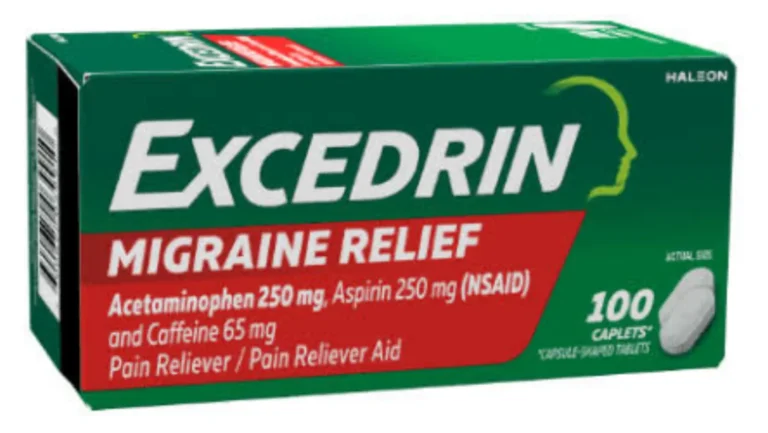
For mild infections, warm compress applied to the ear for 15 to 20 minutes reduces pain and pressure. Over-the-counter pain relievers like ibuprofen (400 mg) reduce inflammation. Keep the ear dry. Avoid inserting anything into the canal. If symptoms worsen after 48 hours or fever exceeds 38.5°C (101.3°F), see a doctor.
What Is a Homemade Antibiotic for Ear Infection?
Garlic oil is the most clinically supported home remedies for the best option for ear infection . Garlic contains allicin, a compound with proven antibacterial properties. Warm two cloves of garlic in two tablespoons of olive oil, strain, and apply 2 to 3 drops into the ear canal. A 2001 study in the Archives of Pediatrics found garlic-infused oil as effective as commercial anesthetic ear drops for pain relief.
Do not use this if the eardrum is perforated or if there is visible discharge.
Can Coconut Oil Relieve Ear Pain?
Coconut oil has mild antimicrobial properties due to lauric acid content. Warmed coconut oil dropped into the ear soothes pain and reduces outer ear inflammation. It works better for fungal outer ear infections than bacterial middle ear ones. It won’t clear a bacterial infection on its own, but it reduces discomfort while other treatments work.
Which Oil Can We Put in the Ear?
Oils safe for ear use include warmed olive oil, garlic-infused oil, coconut oil, and mullein flower oil. Mullein (Verbascum thapsus) oil has clinical evidence specifically for ear pain in children. Warm any oil to body temperature before use. Cold oil in the ear causes dizziness. Never use essential oils like tea tree or eucalyptus directly in the ear canal undiluted.
How Do I Know if My Ear Infection Is Bacterial, Viral, or Fungal?
Fungal ear infections itch far more than they hurt. Bacterial infections hurt more than they itch. A doctor confirms type with visual examination or swab culture.
| Type | Key Signs |
| Bacterial | Sudden severe pain, thick yellow or green discharge, fever |
| Viral | Follows a cold or flu, clear discharge, mild to moderate pain |
| Fungal | Intense itching, black or white debris in canal, chronic and recurring |
What Kills a Fungal Infection in the Ear?
Antifungal ear drops containing clotrimazole or fluconazole are the medical standard. Over the counter, diluted white vinegar (1 part vinegar, 1 part water) changes the ear’s pH and inhibits fungal growth. Apply 3 to 4 drops twice daily. Keep the ear dry at all times. Moisture is what lets fungal infections grow and persist.
How to Treat Ear Infection in Ayurveda?
Ayurvedic treatment uses warm sesame oil or Bilva (Aegle marmelos) oil dropped into the ear. Neem oil, with its natural antibacterial properties, is also used. Nasya therapy (nasal oil application) targets the Eustachian tube to clear congestion linked to ear infections. These work best for chronic mild infections, not acute bacterial ones with fever.
How to Use Ginger for Ear Pain?
Ginger contains gingerol and shogaol, both with anti-inflammatory properties. Grate fresh ginger, press out the juice, and apply 2 to 3 drops of the juice to the outer ear canal. Do not push it deep inside. Alternatively, steep fresh ginger in warm olive oil for 5 minutes, strain, and use the cooled oil as ear drops.
How to Naturally Clean an Ear Infection?
Warm saline solution (quarter teaspoon of salt in a cup of warm water) gently flushes the outer ear. Tilt the head, apply a few drops, let it sit for 30 seconds, then tilt to drain. This softens debris and reduces bacterial load. Never use cotton swabs inside the canal. They push debris deeper and scratch the canal lining.
What Is the Most Effective Treatment for Ear Infection?
For bacterial middle ear infections, oral amoxicillin remains the most effective first-line antibiotic. For outer ear infections, antibiotic ear drops (ciprofloxacin or neomycin-based) work faster than oral antibiotics because they deliver medication directly to the infection site. Combining ear drops with a warm compress accelerates recovery compared to medication alone.
How to Stop an Ear Infection Quickly?
Start ibuprofen immediately for pain and inflammation control. Apply a warm compress. If you have leftover antibiotic ear drops from a previous confirmed ear infection, use them, but see a doctor within 24 hours regardless. Chewing or yawning repeatedly helps open the Eustachian tube and drain built-up fluid, which reduces pressure fast.
How Long Will an Ear Infection Last?
Mild viral ear infections clear in 3 to 7 days. Bacterial infections treated with antibiotics improve within 48 to 72 hours of starting medication. Fungal infections take the longest, often 2 to 4 weeks of consistent antifungal treatment. Without treatment, bacterial middle ear infections sometimes persist for weeks and risk spreading to surrounding tissue.
Which Antibiotic Is Best for Ear Infection?
For middle ear infections, amoxicillin (500 mg three times daily for adults) is the first choice. For penicillin-allergic patients, azithromycin works well. For outer ear infections, ciprofloxacin ear drops outperform oral antibiotics. For resistant infections, amoxicillin-clavulanate (Augmentin) covers a broader range of bacteria and is the standard second-line option.
How to Fight an Ear Infection Without Antibiotics?
Evidence-backed antibiotic-free strategies:
- Warm garlic oil drops (2 to 3 times daily) reduce bacterial activity
- Diluted hydrogen peroxide (3% solution, half-strength) loosens debris and kills surface bacteria
- Xylitol nasal spray reduces nasopharyngeal bacteria that travel to the ear
- Zinc lozenges shorten ear infection duration when started at symptom onset
These work for mild infections. Moderate to severe infections with fever or hearing loss need antibiotics.