
Home remedies for sleep apnea work best for mild to moderate cases. They reduce airway collapse, lower apnea frequency, and improve oxygen levels during sleep without medication.
Natural Ways to Treat Sleep Apnea at Home
Natural ways to treat sleep apnea at home target the physical root causes: airway narrowing, muscle weakness around the throat, nasal congestion, and body weight. These approaches do not cure severe sleep apnea, but in mild cases, studies show they reduce the Apnea-Hypopnea Index (AHI) by 30 to 50%.
Lifestyle Changes That Support Airway Health
- Lose weight if your BMI is above 25. Fat tissue around the neck directly compresses the airway.
- Stop smoking. Smoking inflames airway tissue and causes fluid retention in the throat.
- Cut caffeine after 2 PM. Poor sleep quality worsens muscle tone, which worsens apnea.
- Sleep at consistent times. Circadian disruption reduces muscle tone in the airway.
Improving Nighttime Breathing Naturally
Nasal breathing produces 50% more airflow resistance than mouth breathing, which keeps the airway more stable. Mouth tape at night keeps lips closed and forces nasal breathing. A 2022 study in the Journal of Clinical Sleep Medicine found mouth taping reduced mild apnea events by 47% in nasal-breathing-capable patients.
Daily Habits That Reduce Airway Collapse
The throat muscles that keep your airway open lose tone the same way other muscles do without training. Singing, playing a didgeridoo, and myofunctional exercises all strengthen these muscles with documented clinical results. This is not anecdotal; a 2015 Brazilian study published in CHEST found daily throat exercises cut apnea events by 39%.
When Home Remedies Help Mild Sleep Apnea
An AHI under 15 (mild to moderate) responds well to lifestyle changes. An AHI above 30 (severe) requires CPAP or surgical intervention. Home remedies alone will not keep oxygen saturation safe at that severity level.
Weight Loss for Sleep Apnea
Weight loss for sleep apnea is the single most impactful home intervention for overweight patients. A 10% reduction in body weight reduces apnea severity by approximately 26%. Losing 15 to 20% of body weight resolves sleep apnea entirely in some mild-to-moderate cases.
Why Excess Weight Narrows the Airway
Fat deposits around the neck, specifically in the parapharyngeal fat pads, physically compress the throat when lying down. A neck circumference above 17 inches in men and 16 inches in women is a reliable predictor of obstructive sleep apnea risk.
How Weight Loss Reduces Apnea Episodes
As fat deposits decrease, the airway gains more physical space. Upper airway muscle tone also improves with lower body fat. Sleep Quality Research Institute data shows that weight loss reduces AHI faster in people who lose fat from the neck and upper chest first.
Body Fat Distribution and Airway Obstruction
Central obesity (belly fat) raises abdominal pressure during sleep, pushing the diaphragm upward and reducing lung volume. This compounds airway collapse. Waist-to-height ratio above 0.5 correlates with a 3x higher risk of moderate-to-severe sleep apnea.
How Alcohol Worsens Sleep Apnea and Its Symptoms
Alcohol worsening sleep apnea symptoms is one of the most underestimated factors. Alcohol is a muscle relaxant. It reduces the tone of the genioglossus muscle, the primary muscle that holds the tongue forward and keeps the airway open. Even two drinks before bed can increase apnea events by 25%.
Home remedies for sleep apnea lose effectiveness when alcohol is consumed in the evening. Here is what alcohol does specifically:
- Relaxes throat muscles within 30 minutes of consumption, causing the airway to collapse more easily
- Suppresses REM sleep in the first half of the night, then causes REM rebound in the second half with heavier snoring
- Delays arousal response, meaning the brain takes longer to wake you when oxygen drops
- Increases upper airway inflammation overnight
- Worsens nasal congestion from vasodilation, forcing more mouth breathing
Cutting alcohol entirely is the fastest single behavioral change for reducing overnight apnea severity.
Sleep Position Changes That Reduce Apnea
Sleeping on your back increases sleep apnea severity by 50% on average compared to side sleeping. Gravity pulls the tongue and soft palate backward, directly blocking the airway. This is positional apnea, and it affects around 56% of sleep apnea patients.
Why Sleeping on Your Back Worsens Apnea
In the supine (back) position, the jaw drops, the tongue falls toward the throat, and the soft palate sags. The airway narrows to its smallest functional diameter. Apnea events increase in both frequency and duration.
Benefits of Side Sleeping for Airway Support
Left-side sleeping reduces heart risk , a secondary trigger for airway inflammation. Side sleeping reduces AHI by 23 to 58% depending on apnea severity. For positional apnea patients, side sleeping alone sometimes eliminates the condition.
Elevating the Head During Sleep
A 30 to 45-degree incline reduces airway collapse by shifting the tongue and jaw forward. Wedge pillows designed for acid reflux serve this function. Some patients use adjustable bed bases. Flat pillows under the head alone do not produce the same benefit; the incline must start at the shoulders.
Positional Therapy Techniques
- Tennis ball method: Sew a tennis ball into the back of a sleep shirt to prevent rolling onto your back.
- Positional sleep devices: Products like Zzoma or NightShift use vibration to prompt position change when back-sleeping is detected.
- Body pillows: Placing a long pillow behind the back keeps side position stable through the night.
Dry Mouth From Sleep Apnea Home Solution
Dry mouth from sleep apnea home solution starts with identifying the cause. Sleep apnea patients mouth-breathe because airway obstruction forces them to. The mouth stays open, saliva evaporates, and waking up with a dry, cracked mouth becomes routine.
Effective home remedies for sleep apnea-related dry mouth:
- Mouth tape at night (3M Nexcare Gentle Paper Tape is widely used) forces nasal breathing and stops evaporation
- Saline nasal spray before bed reduces congestion that drives mouth breathing
- A bedside humidifier set to 50% relative humidity reduces moisture loss during mouth breathing episodes
- Xylitol-based oral gels applied at bedtime coat oral tissue and reduce dryness duration
- Staying well-hydrated during the day reduces baseline oral dryness by evening
- Avoid antihistamines before bed; they suppress saliva production and worsen morning dry mouth significantly
Nasal Congestion Remedies for Apnea
Nasal obstruction raises airway resistance and forces mouth breathing, which worsens apnea severity. Treating nasal congestion is a direct home remedy for sleep apnea in anyone with nasal-related obstruction.
Saline Nasal Rinses Before Bed
Neti pots and saline squeeze bottles flush allergens, mucus, and inflammatory debris from the nasal passages. A 2019 review in Otolaryngology found daily saline rinses reduced nasal resistance by 31% in allergy-related congestion. Use 240ml of distilled water with 1/4 teaspoon non-iodized salt each evening.
Steam Inhalation for Airway Relief
10 minutes of steam inhalation before bed reduces nasal mucus viscosity and opens sinus passages. Adding eucalyptus oil has a mild bronchodilator effect. This is a short-term measure; it lasts 2 to 4 hours, which is enough to ease sleep onset.
Treating Allergies Affecting Breathing
Year-round nasal congestion from dust mites, pet dander, or mold directly worsens apnea. Using allergen-proof mattress covers, washing bedding weekly at 60°C, and keeping bedroom humidity below 50% reduces allergen load and nasal inflammation.
Decongestant Options for Nighttime Use
Oxymetazoline nasal spray (Afrin) works within minutes but causes rebound congestion after 3 days of use. Use only for acute situations, not nightly. Fluticasone (a steroid nasal spray available over the counter in most countries) reduces chronic nasal inflammation safely for daily use over weeks.
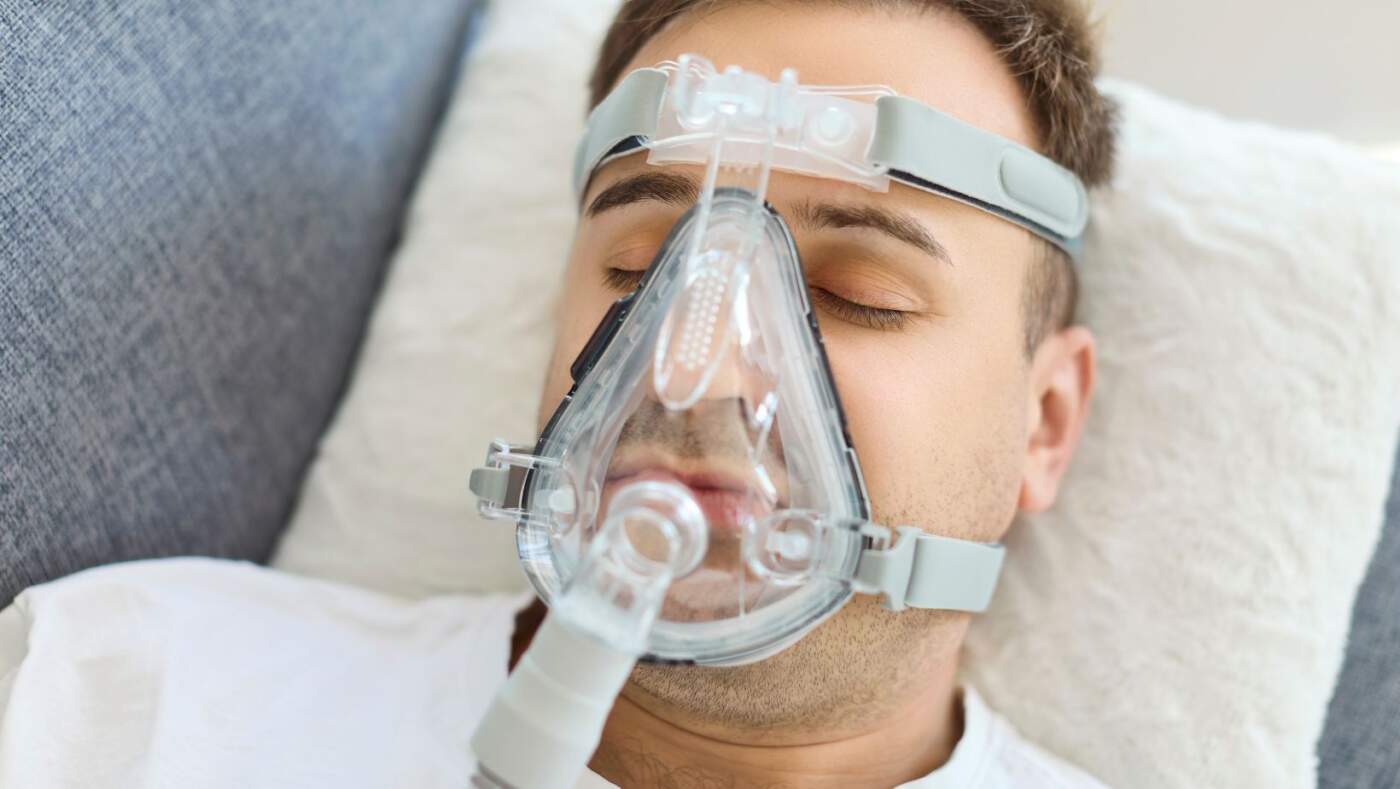
Can Sleep Apnea Be Managed Without CPAP
Sleep apnea can be managed without CPAP, depending entirely on AHI score and oxygen desaturation levels. Mild apnea (AHI 5 to 14) responds well to lifestyle changes. Moderate apnea (AHI 15 to 29) sometimes responds if combined with an oral appliance. Severe apnea (AHI 30+) requires CPAP.
Mild vs Severe Sleep Apnea Management
Mild: positional therapy, weight loss, alcohol elimination, and airway exercises. Moderate: mandibular advancement devices (MADs) reduce AHI by 42% on average. Severe: CPAP remains the gold standard with 95% effectiveness at preventing oxygen desaturation.
Oral Appliances as CPAP Alternatives
Custom MADs push the lower jaw forward, pulling the tongue away from the throat wall. They are effective for mild-to-moderate cases and preferred by patients who cannot tolerate CPAP pressure. Dentists specializing in sleep medicine fit these devices.
When CPAP Becomes Necessary
CPAP is non-negotiable when oxygen saturation drops below 88% during sleep, when AHI exceeds 30, or when cardiovascular complications exist alongside apnea. At that severity, home remedies for sleep apnea reduce symptoms but do not prevent dangerous oxygen drops.
Daily Exercises That Strengthen Airway Muscles
These exercises train the muscles that keep the airway open at night. Done consistently for 3 months, they produce measurable AHI reductions.
Tongue Exercises for Airway Support
- Press tongue flat against the roof of the mouth, hold for 3 seconds, repeat 10 times
- Push tongue tip behind upper front teeth and slide it backward along the palate, repeat 5 times
- Stick tongue straight out, hold for 5 seconds, repeat 10 times
Throat and Soft Palate Strengthening
- Say each vowel (A, E, I, O, U) loudly and slowly for 3 minutes daily
- Gargle with water for 30 seconds, 3 times per day. This contracts soft palate muscles.
- Chew xylitol gum for 20 minutes after meals. Chewing strengthens masseter and lateral pterygoid muscles.
Myofunctional Therapy for Apnea
Myofunctional therapy is a structured program targeting tongue posture, lip seal, and nasal breathing patterns. A 2020 meta-analysis in Sleep Medicine Reviews confirmed it reduces AHI by 50% in children and 39% in adults with mild-to-moderate apnea.
Evidence Supporting Airway Exercises
The 2015 CHEST study from Brazil is the benchmark. 31 adults with moderate apnea performed daily throat exercises for 3 months. AHI dropped from 22 to 13, snoring frequency dropped by 36%, and sleep quality scores improved significantly.
Risks of Untreated Sleep Apnea
Home remedies for sleep apnea matter because untreated apnea carries serious long-term consequences:
- Hypertension: Oxygen drops trigger adrenaline surges that permanently raise baseline blood pressure
- Atrial fibrillation: Sleep apnea patients have a 4x higher risk of irregular heart rhythm
- Type 2 diabetes: Chronic oxygen deprivation impairs glucose metabolism
- Stroke: Untreated severe apnea raises stroke risk by 3x compared to treated patients
- Depression: Fragmented sleep disrupts serotonin regulation
- Reduced lifespan: Severe untreated apnea increases all-cause mortality risk by 17% over 18 years, based on Wisconsin Sleep Cohort data
When Home Remedies Are Not Enough
Home remedies for sleep apnea are a starting point, not a finish line for moderate-to-severe cases. Escalate to medical evaluation when:
- Morning headaches occur more than 3 times per week (sign of carbon dioxide retention)
- Bed partner reports breathing stopping during sleep
- Daytime sleepiness is severe enough to fall asleep while driving or in meetings
- Heart palpitations wake you at night
- Blood pressure is not responding to standard treatment despite medication
- Oxygen saturation measured on a home pulse oximeter drops below 90% during sleep
- Symptoms persist after 8 weeks of consistent lifestyle changes
Frequently Asked Questions
What are the best home remedies for sleep apnea?
The most effective home remedies for sleep apnea are side sleeping (reduces AHI by up to 58%), eliminating alcohol before bed, losing 10% of body weight, daily myofunctional exercises, and treating nasal congestion with saline rinses. Combined, these cut mild-to-moderate apnea events by 40 to 60%.
Can sleep apnea go away with weight loss?
Yes. For overweight patients with mild-to-moderate apnea, losing 15 to 20% of body weight resolves sleep apnea completely in documented cases. A 10% weight loss reduces AHI by roughly 26%. Severe apnea (AHI 30+) typically requires CPAP alongside weight loss.
Does sleeping position affect sleep apnea?
Yes. Back sleeping increases apnea severity by 50% compared to side sleeping. Sleeping on the left side with head elevated 30 degrees reduces apnea events most effectively. Positional therapy alone resolves apnea in 56% of positional apnea patients.
Can exercise improve sleep apnea symptoms?
Yes. Aerobic exercise for 150 minutes weekly reduces AHI by 25% independent of weight loss, according to a 2011 Sleep journal study. Targeted throat exercises reduce AHI by 39%. Both work through different mechanisms; aerobic exercise reduces upper airway fluid accumulation, throat exercises build muscle tone.
Why does alcohol worsen sleep apnea?
Alcohol worsening sleep apnea symptoms happens because alcohol relaxes the genioglossus muscle that holds the tongue forward. Even two drinks increase apnea events by 25%, delay the brain’s arousal response to oxygen drops, and worsen nasal congestion from vasodilation.
Can sleep apnea be treated without a CPAP machine?
Yes, for mild apnea (AHI under 15). Sleep apnea can be managed without CPAP, depending on AHI score. Oral mandibular advancement devices reduce AHI by 42% in mild-to-moderate cases. Severe apnea with oxygen drops below 88% requires CPAP.
What causes dry mouth in people with sleep apnea?
Airway obstruction forces mouth breathing at night. Saliva evaporates when the mouth stays open for hours. Mouth tape, saline nasal spray before bed, and a bedroom humidifier at 50% humidity address the dry mouth from sleep apnea home solution without medication.
Are humidifiers helpful for sleep apnea?
Yes. A humidifier set to 50% relative humidity reduces nasal dryness, swelling, and congestion that worsen airway resistance. This indirectly reduces apnea severity. Humidifiers do not treat apnea directly, but they make nasal breathing easier and reduce the shift to mouth breathing at night.
How do I know if my sleep apnea is severe?
An AHI above 30 events per hour is severe. Clinically, signs include morning headaches daily, waking with gasping or choking, blood pressure not controlled with medication, and oxygen saturation below 90% on a home pulse oximeter. A sleep study (polysomnography) gives a definitive AHI score.
When should I see a doctor for sleep apnea?
See a doctor immediately if a bed partner reports you stop breathing during sleep, or if you experience chest pain, morning headaches more than 3 days per week, or extreme daytime sleepiness affecting work or driving. These symptoms indicate moderate-to-severe apnea where home remedies for sleep apnea alone are not safe management.