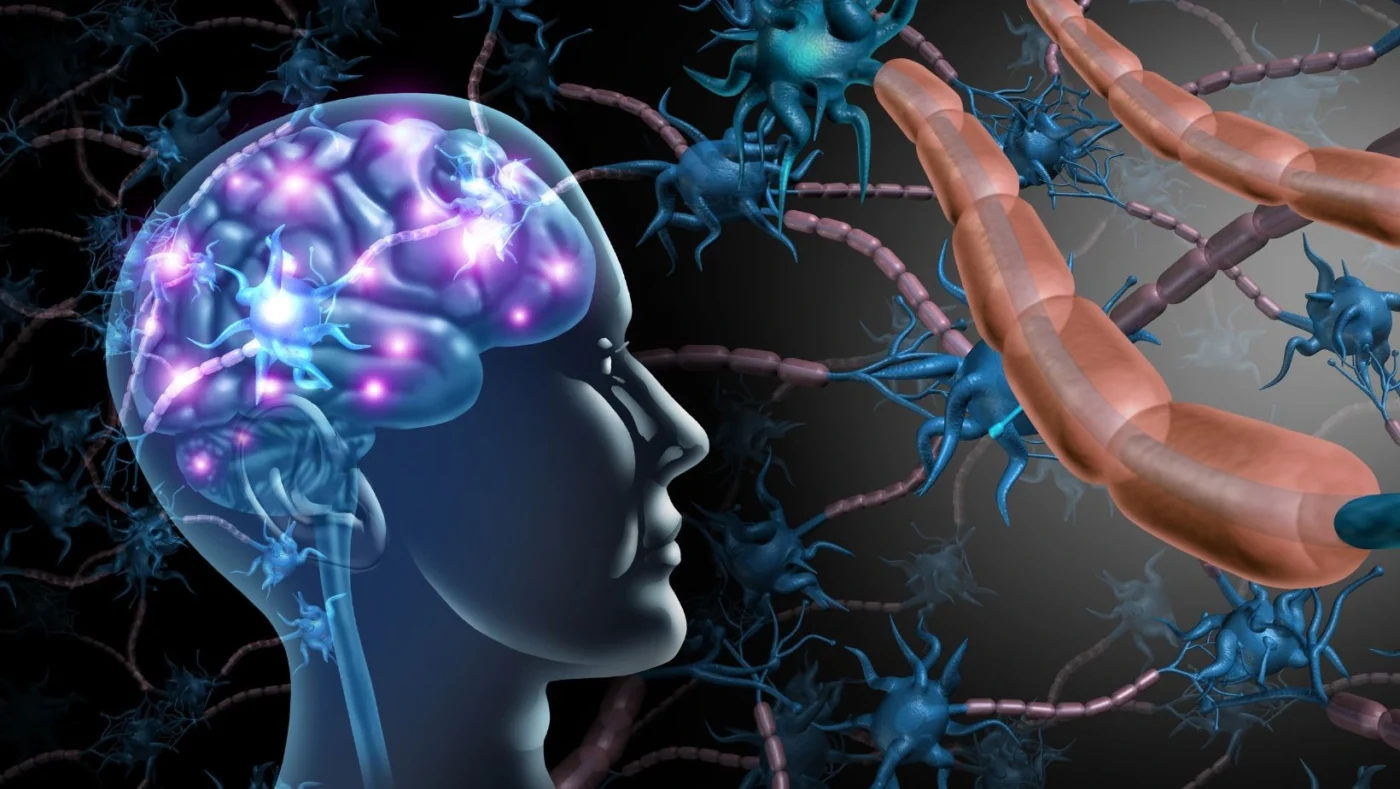

digestive tract, requires coordinated nerve signaling. The vagus nerve times these contractions. Disrupted timing produces uncoordinated contractions, which manifest as cramping, irregular bowel movements, and the sensation of food “sitting heavy” in the stomach.
Interaction with Gut Bacteria
Lactobacillus rhamnosus, a common probiotic strain, activates vagal signaling in the gut and reduces anxiety-like behavior in animal studies, according to research published in the Proceedings of the National Academy of Sciences (2011). The gut bacteria communicate with the brain partly through vagal pathways. This is why probiotic interventions sometimes improve mood outcomes, not just gut symptoms.
Gut Motility Problems Vagus Nerve
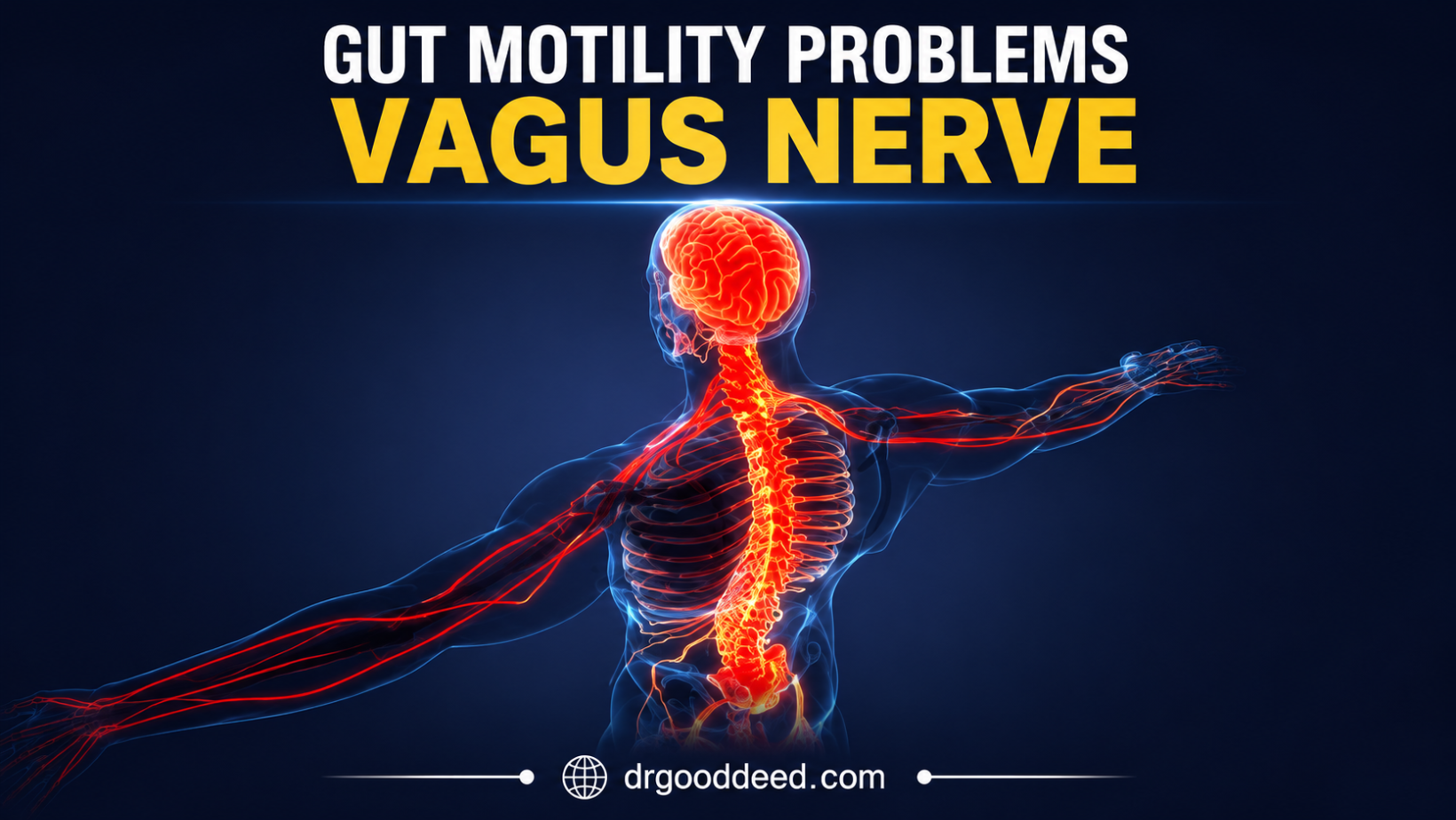
Gut motility problems vagus nerve dysfunction creates are among the most misdiagnosed digestive complaints in clinical practice. Patients get treated for symptoms without anyone investigating vagal tone.
Slow Digestion (Gastroparesis)
Gastroparesis is delayed stomach emptying caused by nerve damage to the stomach, including the vagus nerve. Diabetic patients develop it at high rates because chronic high blood glucose damages vagal fibers over time.
Symptoms include nausea, vomiting undigested food, early fullness, and upper abdominal pain. The connection between gut motility problems vagus nerve damage and gastroparesis is well-established in gastroenterology literature.
Constipation or Irregular Bowel Movements
When the vagus nerve underperforms, colonic transit slows. Studies using wireless motility capsules show transit times exceeding 72 hours in people with documented vagal dysfunction, versus the normal 24-48 hour range. This isn’t dehydration or low fiber. It’s a signaling failure.
Bloating and Discomfort
Impaired vagal tone disrupts the migrating motor complex (MMC), the housekeeping wave that sweeps residual food and bacteria through the gut between meals. When MMC function degrades, bacterial fermentation increases, gas accumulates, and bloating becomes a daily problem regardless of what you eat.
Poor Digestion Vagus Nerve Dysfunction
Poor digestion vagus nerve dysfunction produces a cluster of symptoms that overlap with several other GI diagnoses, which is why it gets missed.
Indigestion and Bloating
Reduced gastric acid from low vagal activation leaves food partially undigested in the stomach. Undigested protein feeds bacteria in the lower gut, producing hydrogen and methane gas. The bloating that follows is often misattributed to food intolerance when the actual problem is inadequate gastric acid from weak vagal signaling.
Acid Reflux
This seems counterintuitive, but low stomach acid from poor vagal tone causes acid reflux in many cases. Insufficient acid means the lower esophageal sphincter (LES) doesn’t receive the pressure signal to stay closed. Partially acidic stomach contents then reflux upward. Treating this with proton pump inhibitors makes the root problem worse by further reducing acid.
Nausea or Fullness
Poor digestion vagus nerve dysfunction commonly presents as postprandial nausea, the feeling of being sick after eating. This occurs because impaired vagal signaling slows gastric emptying, and food remaining in the stomach too long triggers nausea receptors.
How Stress Disrupts the Gut-Brain Axis
Chronic stress is the fastest route to vagus nerve gut health connection breakdown.
Reduced Vagal Tone
The autonomic nervous system has two modes: sympathetic (fight or flight) and parasympathetic (rest and digest). The vagus nerve is the primary parasympathetic nerve. When stress keeps the body in sympathetic dominance, vagal activity drops. Digestion slows. Inflammation increases. This is measurable through heart rate variability (HRV), which directly reflects vagal tone.
Increased Gut Sensitivity
Chronic stress increases gut permeability, sometimes called “leaky gut,” through cortisol’s effect on tight junction proteins in the intestinal lining. This allows bacterial fragments to enter systemic circulation, triggering immune responses that further reduce vagal tone in a self-reinforcing loop.
Digestive Imbalance
Research from the American Journal of Physiology shows that acute psychological stress reduces gastric motility by 40% within 30 minutes in healthy subjects. That’s how fast stress shuts down digestion.
Breathing Exercises to Improve Vagal Tone
Breathing exercises to improve vagal tone are the most evidence-backed, free, and accessible intervention available.
Deep Diaphragmatic Breathing
Slow diaphragmatic breathing at 6 breaths per minute (5 seconds inhale, 5 seconds exhale) maximally stimulates vagal afferents in the lungs and heart. A 2014 study in Frontiers in Psychology showed this breathing pattern significantly increased HRV within a single 20-minute session.
Slow Exhale Breathing
The exhale phase activates the parasympathetic system more than the inhale. A 4-count inhale followed by an 8-count exhale specifically increases vagal tone. Practice this for 5 minutes before meals to prime the cephalic phase of digestion.
Box Breathing Technique
Inhale 4 counts, hold 4 counts, exhale 4 counts, hold 4 counts. Used by U.S. Navy SEALs for stress control. It reduces cortisol and activates the vagus nerve through controlled breath retention. Daily practice for two weeks measurably increases baseline HRV.
Bonus methods with clinical backing:
- Cold face immersion: Submerging your face in cold water (50-60°F) for 30 seconds activates the diving reflex, which directly stimulates the vagus nerve and drops heart rate by 10-25%.
- Humming or gargling: Vibrates the vagal fibers in the throat. Gargling with water for 30 seconds twice daily is a simple vagal exercise with documented effects on HRV.
- Physical activity: Aerobic exercise at moderate intensity for 30 minutes improves vagal tone over 8-12 weeks of consistent practice.
Diet and Lifestyle for Better Gut-Vagus Function
Anti-Inflammatory Foods
Omega-3 fatty acids (from fatty fish like salmon and sardines) reduce TNF-alpha and support vagal anti-inflammatory signaling. Polyphenols in blueberries and dark chocolate support gut microbiome diversity, which feeds back positively into vagal signaling pathways.
Probiotics and Gut-Friendly Diet
Fermented foods (kimchi, kefir, sauerkraut) increase Lactobacillus and Bifidobacterium populations. Both strains produce short-chain fatty acids (SCFAs), particularly butyrate, which strengthens the intestinal lining and supports vagal nerve fiber health.
Regular Sleep Patterns
Deep sleep (slow-wave sleep) is when the parasympathetic nervous system dominates and vagal tone recovers. Chronic sleep deprivation reduces HRV and impairs the vagus nerve gut health connection measurably within three nights of disrupted sleep, according to research published in Sleep Medicine Reviews.
FAQs
What is the vagus nerve gut health connection?
The vagus nerve gut health connection is the two-way nerve pathway linking the brainstem to the gastrointestinal tract. It controls digestion speed, stomach acid output, gut inflammation, and hunger signals. About 80% of its signals travel from gut to brain, making gut health a direct driver of brain function.
Why is the vagus nerve important for gut health?
The importance of vagus nerve for gut health is that it controls three non-negotiable digestive functions: muscle contractions that move food, acid and enzyme secretion for digestion, and anti-inflammatory signaling that keeps gut tissue healthy. Without adequate vagal tone, all three degrade simultaneously.
What are symptoms of poor digestion vagus nerve dysfunction?
Poor digestion vagus nerve dysfunction produces chronic bloating after meals, postprandial nausea, acid reflux despite low stomach acid, constipation with transit times above 48 hours, early satiety, and undigested food in stool. These symptoms often appear together rather than in isolation.
How to improve vagal tone naturally?
Diaphragmatic breathing at 6 breaths per minute for 20 minutes daily raises HRV within one session. Cold face immersion in 55°F water for 30 seconds activates the diving reflex immediately. Consistent aerobic exercise improves baseline vagal tone over 8 weeks. Gargling vigorously twice daily provides measurable stimulation without equipment.
What foods support vagus nerve health?
Fermented foods (kefir, kimchi) increase butyrate-producing bacteria that strengthen vagal nerve fibers. Fatty fish supply omega-3s that reduce gut inflammation and support vagal anti-inflammatory pathways. Magnesium-rich foods (pumpkin seeds, spinach) support acetylcholine production, the primary neurotransmitter the vagus nerve uses.
When should I see a doctor for gut issues?
See a doctor immediately if gut symptoms include unexplained weight loss above 10 pounds, blood in stool, vomiting that prevents eating for more than 24 hours, or severe abdominal pain. These symptoms require clinical evaluation and cannot be addressed through vagal tone improvement alone.