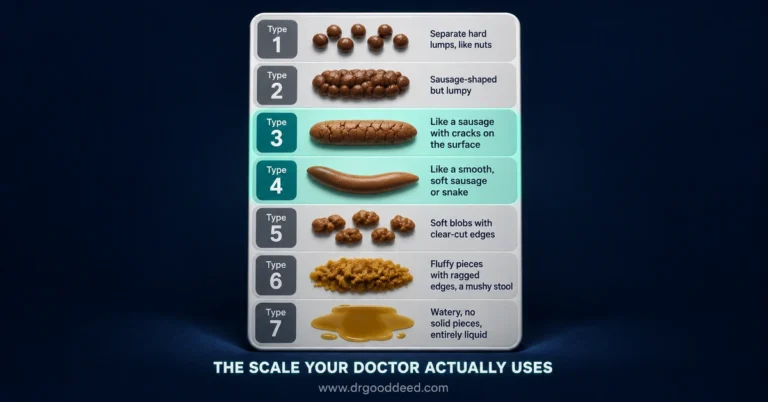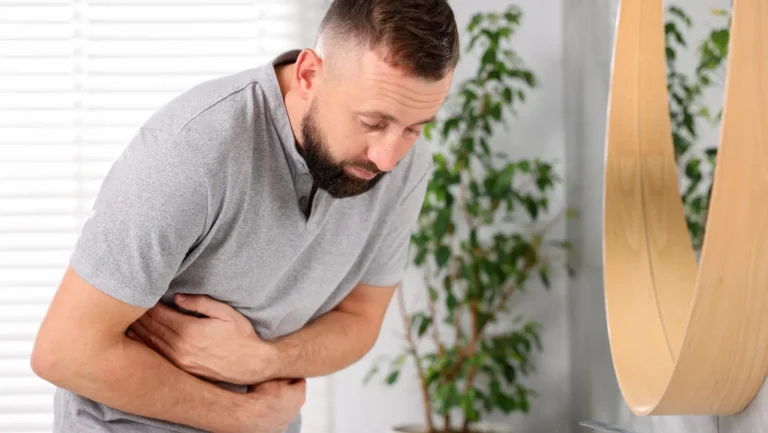

Summer heat does more than make you sweat. It disrupts your gut. Tips to improve digestion in summer are searched by millions of Americans every June through August, and for good reason.
Heat slows gastric emptying, dehydration thickens bile, and electrolyte loss directly affects intestinal muscle contractions. This guide covers causes, food fixes, daily habits, and prevention strategies for every common summer digestive complaint.
Why Digestion Gets Worse in Summer
Your gut is directly affected by body temperature. When core temperature rises, blood shifts away from the digestive tract toward the skin for cooling. Less blood flow to the gut means slower digestion. It is that simple.
Dehydration Affecting Bowel Movements
The colon absorbs water from the stool. When you are dehydrated, it pulls even more, making stool hard and dry. Studies from the American Journal of Gastroenterology confirm that fluid intake below 1.5 liters per day increases constipation risk significantly. In summer, most adults lose 1 to 2 liters through sweat before they even feel thirsty.
Heat Slowing Digestive Efficiency
Body heat above 98.6°F tells the body to prioritize cooling. Digestive enzyme activity, particularly from the pancreas and small intestine, decreases under thermal stress. Gastric emptying, which normally takes 2 to 4 hours for a mixed meal, can extend to 5 to 6 hours during prolonged heat exposure. That is why heavy meals feel unbearable in July.
Poor Eating Habits and Irregular Routines
Summer breaks routines. Late nights, irregular meal times, outdoor food stalls, and cold sugary drinks create a chaotic environment for the gut. The gut microbiome runs on circadian rhythm. Eating at irregular hours disrupts the gut’s internal clock, reducing digestive enzyme secretion by up to 30%.
Sweating also causes sodium loss. Sodium is needed to activate intestinal sodium-glucose transporters (SGLT1), which move nutrients across the gut wall. Low sodium from sweat impairs nutrient absorption even when you eat enough.
Best Habits for Better Digestion in Summer
The best habits for better digestion in summer are not complicated. Smaller meals, consistent timing, and steady hydration are the three things that matter most.
Eating Smaller, Frequent Meals
A full stomach in summer heat is a recipe for bloating and nausea. The stomach produces more acid in response to large meals. In summer, when acid reflux is already triggered by dehydration and lying down after eating, large meals make it worse. Aim for 4 to 5 small meals spaced every 3 hours instead of 2 to 3 large ones.
Staying Hydrated Throughout the Day
Adults in the US average only 1.8 liters of water daily. In summer, you need at least 2.5 to 3 liters. Drink water between meals, not during, since large amounts of water with food dilute digestive enzymes and slow down the breakdown. Room temperature or slightly warm water supports digestion better than ice-cold water, which causes the stomach to contract.
Maintaining Regular Meal Timing
Eat breakfast within 1 hour of waking. Keep lunch between 12 and 1 PM. Dinner before 7 PM. The gut’s digestive enzyme cycle peaks at midday and drops sharply after 8 PM. Late dinners sit in the stomach longer, ferment more, and produce gas overnight.
Cooling Foods for Better Digestion
Cooling foods for better digestion contain compounds, water content, and electrolytes that directly support gut function in heat.
Cucumber and Watermelon
Cucumber is 96% water and contains cucurbitacins, which reduce gut inflammation. Watermelon is 92% water with citrulline, an amino acid that improves blood flow, including to digestive organs. Both are low in fiber residue, so they move through the gut quickly without adding fermentation pressure.
Yogurt and Buttermilk
Plain yogurt contains Lactobacillus acidophilus and Bifidobacterium, which survive summer heat better than most probiotics. Buttermilk has lactic acid, which lowers gut pH and suppresses harmful bacteria growth. In a 2019 Indian clinical trial, patients consuming 200 ml of buttermilk daily during summer reported 40% fewer episodes of bloating and loose stools.
Coconut Water and Light Fruits
Coconut water contains 250 mg of potassium per cup, which directly supports intestinal muscle contractions and prevents cramps. Papaya contains papain, a proteolytic enzyme that breaks down protein. Eating papaya in summer actively speeds up protein digestion and reduces gas from undigested protein.
Diarrhea Prevention During Summer
Summer is the peak season for foodborne illness in the US. The CDC reports that 48 million cases of food poisoning occur annually, with the highest rates between June and September.
Diarrhea prevention during summer depends on three things: food safety, water quality, and hand hygiene.
Safe Food Handling Practices
Bacteria double every 20 minutes between 40°F and 140°F. In summer, outdoor food, buffets, and picnics sit in this danger zone constantly. Refrigerate perishable food within 1 hour in temperatures above 90°F. Cook meat to the correct internal temperature: 165°F for poultry, 145°F for whole cuts.
Avoiding Contaminated Water
Tap water in the US is mostly safe. But well water, outdoor fountains, and water from portable coolers at events carry Cryptosporidium and Giardia, two parasites that survive chlorination. Use filtered water for drinking and cooking during outdoor summer events.
Maintaining Hygiene While Eating Outside
Norovirus transfers from hands to food in under 2 seconds. Wash hands for 20 seconds with soap before eating. Hand sanitizers with at least 60% alcohol reduce risk but do not eliminate it for norovirus. Washing remains the more reliable method.
Foods That Harm Digestion in Summer

Some foods that are fine in winter become problems in summer.
Oily and Spicy Foods
Fat digestion requires bile. Heat already slows bile flow. Oily foods in summer sit in the stomach longer and trigger acid reflux at higher rates. Capsaicin in spicy food stimulates TRPV1 receptors in the gut lining. When the gut is already inflamed from heat stress, this worsens cramping and urgency.
Excess Caffeine and Sugary Drinks
Coffee is a gut stimulant. In summer dehydration, it speeds intestinal transit and makes diarrhea worse. Energy drinks with 80 to 200 mg of caffeine per can also act as diuretics, further reducing gut fluid. Sodas with high-fructose corn syrup pull water into the gut through osmosis, causing loose stools in people with fructose intolerance, which affects roughly 40% of Americans.
Late-Night Heavy Meals
Eating a full meal after 9 PM when body temperature has dropped and digestive enzyme secretion is minimal leads to overnight fermentation. Gas, bloating, and morning nausea the next day are direct results.
Role of Hydration in Healthy Digestion
Constipation relief in summer heat starts with water. It is not about fiber alone. Fiber absorbs water; without enough water, fiber makes constipation worse.
Preventing Constipation and Bloating
The ways to improve gut health during summer consistently point to water intake as the single highest-impact variable. At 2.5 liters daily, colon transit time drops from an average of 57 hours to 35 hours in adults with mild constipation.
Supporting Nutrient Absorption
The small intestine absorbs nutrients dissolved in fluid. Dehydration thickens the mucus layer lining the intestine, creating a barrier between nutrients and absorptive cells. Iron, magnesium, and B vitamins are most affected.
Maintaining Electrolyte Balance
Sodium, potassium, and magnesium all regulate intestinal muscle contractions. Magnesium deficiency is linked to constipation because the gut muscles lose their rhythmic squeezing ability. Magnesium-rich summer foods include spinach, pumpkin seeds, and avocado.
Daily Summer Routine for Better Digestion
Applying the tips to improve digestion in summer daily is where most people fail. Knowing is not the same as doing.
Morning Hydration Habits
Drink 12 to 16 oz of room temperature water within 10 minutes of waking. This rehydrates the gut after 7 to 8 hours without fluid, stimulates the gastrocolic reflex, and sets the digestive rhythm for the day.
Light Lunch and Dinner Planning
Lunch should be the largest meal. Keep dinner light: lean protein, cooked vegetables, and a small portion of grains. Avoid raw salads at dinner because raw fiber ferments overnight and causes morning bloating.
Regular Sleep and Meal Schedule
The gut microbiome follows a 24-hour rhythm. Irregular sleep disrupts the population of Akkermansia muciniphila, a bacterium that repairs the gut lining. Adults who sleep fewer than 6 hours show measurably higher gut permeability (leaky gut markers) within 72 hours.
FAQs
Why does hot weather affect digestion and appetite?
Heat diverts blood to the skin for cooling, reducing blood supply to the stomach by up to 60%. This directly lowers gastric acid production and slows emptying, which suppresses hunger signals. It is a physiological survival response, not a preference.
Can dehydration slow down bowel movements in summer?
Yes. The colon absorbs water from stool. Below 1.5 liters of daily intake, it extracts even more, creating hard, compacted stool. Colon transit time increases from 35 hours to over 70 hours in moderate dehydration. Drink 2.5 liters daily for constipation relief in summer heat.
Which fruits are easiest to digest during summer?
Watermelon, papaya, and cantaloupe. All three have high water content above 88%, low fiber residue, and digestive enzymes. Papaya contains papain, which breaks down protein. Watermelon clears the stomach in under 20 minutes because it is mostly water and simple sugars.
How do probiotics support digestion in hot weather?
Lactobacillus rhamnosus GG and Bifidobacterium longum reduce diarrhea duration by 1 to 2 days during summer gut infections. They compete with pathogens for gut lining attachment sites. Take them with food, not on an empty stomach, to improve survival rate through stomach acid.
What are the signs of poor digestion in summer?
Bloating after meals, loose stools more than 3 times daily, nausea after eating, upper abdominal heaviness lasting over 2 hours, and frequent belching. These are measurable indicators, not vague discomfort.
Can spicy foods worsen acidity during hot weather?
Yes. Capsaicin delays gastric emptying by 30% and relaxes the lower esophageal sphincter. In summer, when reflux risk is already elevated from dehydration and lying down after eating, spicy food triggers acid episodes in people who are otherwise tolerant of it in cooler months.
Is buttermilk helpful for summer digestion?
Yes. 200 ml of buttermilk after lunch lowers gut pH, suppresses E. coli and Salmonella growth, and reduces bloating. Lactic acid in buttermilk also slows carbohydrate absorption, preventing post-meal blood sugar spikes that worsen gut inflammation.
How often should meals be eaten for healthy digestion in summer?
4 to 5 small meals every 3 hours. This prevents gastric overload, keeps acid production steady, and maintains blood sugar without taxing the digestive system in heat.
What lifestyle habits improve gut function in summer?
Morning water before food, eating the largest meal at midday, sleeping 7 to 8 hours consistently, avoiding food after 8 PM, and cutting cold sugary drinks. These are the best habits for better digestion in summer backed by gastroenterology research.
When should digestive issues in summer become serious?
See a doctor if diarrhea lasts more than 48 hours, blood appears in stool, fever exceeds 101°F alongside gut symptoms, or dehydration signs appear, including dark urine, dizziness, or no urination for 8 hours. These indicate bacterial infection or significant fluid loss requiring clinical care.