

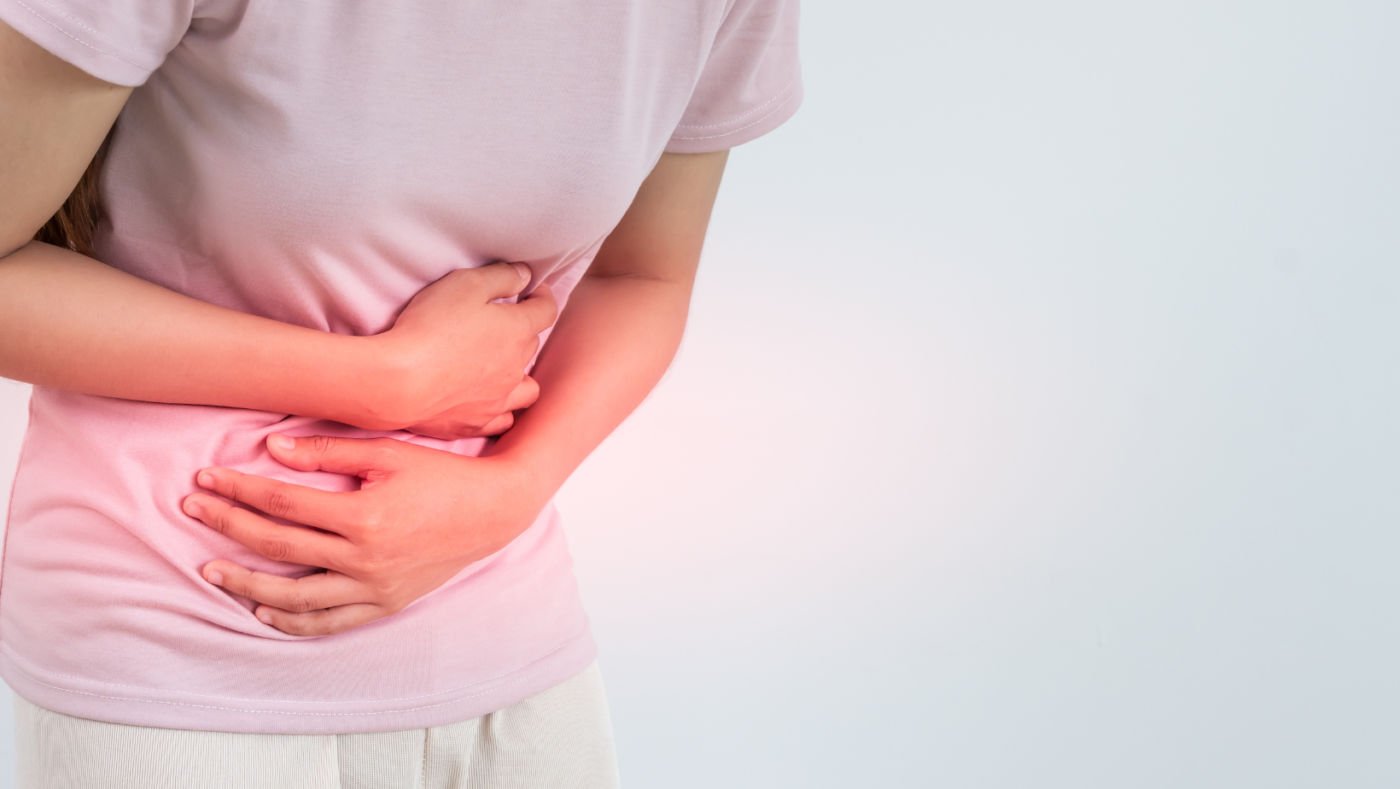

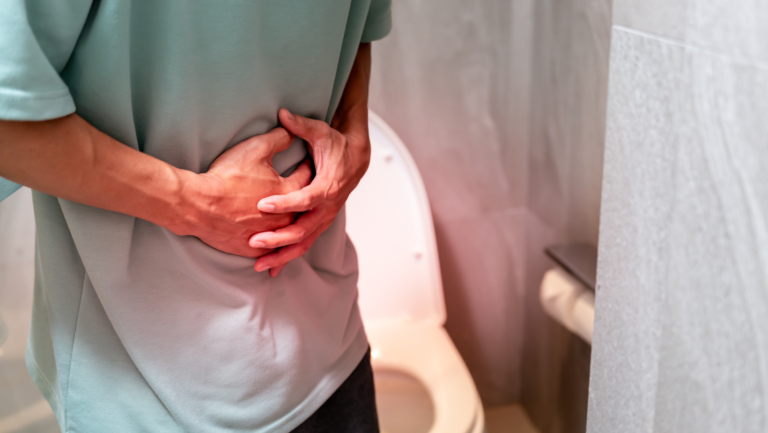
Abdominal pain is discomfort anywhere between the chest and the groin. Most cases resolve on their own within hours. But some patterns, like sudden severe pain, pain with fever, or pain that worsens over 24 hours, need a doctor.
Abdominal pain has a wide range of causes, and most resolve with simple care. Severe pain, fever, blood in stool, and rigidity of the abdomen are red flags that never deserve a wait-and-see approach.
What Are 5 Causes of Abdominal Pain?
The most common causes are gas and bloating, constipation, gastritis, irritable bowel syndrome (IBS), and urinary tract infections (UTIs). Less commonly, appendicitis, kidney stones, or gallstones cause sudden intense pain. The location of the pain tells you a lot. Upper pain often points to the stomach or liver. Lower pain usually involves the intestines or bladder.
What Is Gastritis Stomach Pain Like?
Gastritis pain feels like a burning or gnawing ache in the upper middle abdomen, just below the breastbone. It worsens on an empty stomach and gets better temporarily after eating, then returns. Nausea, bloating after meals, and a feeling of fullness after just a few bites are common alongside it. H. pylori bacteria cause most chronic gastritis cases.
How to Reduce Abdominal Pain?
Apply a heating pad to the painful area. Heat relaxes muscle spasms in the gut wall and reduces cramping faster than most oral medications for mild pain. Sip warm water slowly. Avoid solid food for 1 to 2 hours if nausea accompanies the pain.
For gas-related pain, walking for 10 minutes moves trapped gas through the intestines faster than lying down.
What to Eat to Stop Abdominal Pain?
Eat plain rice, boiled potatoes, bananas, or toast when your stomach hurts. These are low-fiber, easy-to-digest foods that do not irritate the gut lining. Ginger, either as tea or raw, reduces nausea and cramping through its active compound gingerol.
Yogurt with live cultures helps restore gut bacteria after antibiotic-related stomach pain. Avoid dairy, spicy food, and raw vegetables until the pain fully clears.
What Is the Pain on the Right Side of the Abdomen?
Right-side abdominal pain splits by location. Upper right pain usually points to the liver or gallbladder, especially if it occurs after fatty meals. Lower right pain is the classic location for appendicitis, which presents as dull pain around the navel that shifts to the lower right and worsens over hours. Right-side pain with back radiation often indicates a kidney stone.
How Do I Know If Abdominal Pain Is Serious?
Go to the emergency room if the pain is sudden and severe, if the abdomen is hard or rigid when you press it, if there is blood in stool or vomit, if fever is above 101°F (38.3°C) alongside the pain, or if the pain follows a recent injury. Persistent pain lasting more than 6 hours without improvement also warrants urgent evaluation.
How Long Is Abdominal Pain Normal?
Pain from gas, indigestion, or a stomach virus typically resolves within 2 to 24 hours. Menstrual cramps last 1 to 3 days. IBS flares can last 2 to 4 days. Any abdominal pain lasting more than 48 hours without a clear cause is no longer normal and needs medical attention. Pain that keeps returning in cycles needs investigation regardless of duration.
What Are the First Warning Signs of a Stomach Tumor?
Early stomach tumors rarely cause obvious symptoms. The warning signs most people miss include persistent fullness after small meals, unexplained weight loss, mild upper abdominal discomfort that does not go away, dark or tarry stools, and fatigue without an obvious cause. These symptoms are subtle and easy to dismiss. Anyone over 40 with these signs for more than 3 weeks needs an endoscopy.
Can Abdominal Pain Heal Itself?
Yes, often. Gas pain, mild indigestion, constipation, and minor muscle strain all resolve without treatment. Around 40% of acute abdominal pain cases in emergency departments get discharged with no specific diagnosis found.
The body resolves many gut issues independently. The exceptions are structural problems like appendicitis, gallstones, hernias, and infections, which do not heal without treatment and worsen without intervention.
What Disease Starts With Stomach Pain?
Several serious conditions begin as stomach pain. Appendicitis starts as central stomach pain before moving to the lower right. Pancreatitis starts as upper abdominal pain that radiates to the back.
Crohn’s disease often presents as cramping lower abdominal pain with diarrhea. Ovarian cysts in women start as dull pelvic pain. Heart attacks in women sometimes present as upper abdominal pain rather than chest pain.
What Is the Best Treatment for Abdominal Pain?
Treatment depends on the cause. For gas and bloating, simethicone works fast. For gastritis, antacids or proton pump inhibitors like omeprazole are the standard.
For IBS, a low-FODMAP diet reduces symptoms in 75% of patients, according to research from Monash University. For infections, antibiotics. For structural causes like gallstones or appendicitis, surgery is the only effective fix.
What Medicine Is Best for Abdominal Pain?
| Pain Type | Best Medicine |
| Gas and bloating | Simethicone (Gas-X) |
| Acid-related pain | Omeprazole or antacids |
| Cramping or spasms | Dicyclomine or Cyclopam |
| Mild general pain | Paracetamol (acetaminophen) |
| Infection-related | Doctor-prescribed antibiotics |
Avoid ibuprofen or aspirin for stomach pain. Both irritate the stomach lining and worsen gastritis.
How to Stop Abdominal Pain Naturally?
Peppermint oil capsules (enteric-coated) reduce IBS cramping. Clinical trials show they work better than placebo in 57% of cases. Fennel seeds chewed after meals reduce gas production in the colon.
Aloe vera juice (not the latex version) soothes mild gastritis. Probiotics like Lactobacillus rhamnosus GG restore gut flora faster after infections or antibiotic courses and reduce recurrence of gut pain.
Which Tablet Is for Abdominal Pain?
- For spasms and cramping: Cyclopam (dicyclomine + paracetamol) is widely used.
- For acid pain: pantoprazole or rabeprazole. For general mild pain: paracetamol 500mg.
- For gas: simethicone-based tablets. Buscopan (hyoscine butylbromide) is another antispasmodic tablet that specifically targets gut muscle cramps without drowsiness.
A pharmacist can guide you toward the right one based on your symptoms.
Is Zerodol SP Used for Abdominal Pain?
Zerodol SP contains aceclofenac, paracetamol, and serratiopeptidase. It is an anti-inflammatory and pain reliever. Doctors sometimes prescribe it for abdominal pain caused by inflammation, such as in pelvic inflammatory disease or post-surgical pain. It is not a first-choice drug for regular stomach pain or gastritis because aceclofenac irritates the stomach lining. Always take it with food and only under medical advice.
What Are the Top 5 Pain Relief Medicines?
| Medicine | Best For |
| Paracetamol | Mild to moderate general pain |
| Ibuprofen | Inflammation-related pain (not gut pain) |
| Dicyclomine | Gut spasms and cramping |
| Omeprazole | Acid-related stomach pain |
| Tramadol | Severe pain (prescription only) |
For abdominal pain specifically, paracetamol and dicyclomine are the safest first choices. NSAIDs like ibuprofen worsen stomach conditions.
What Is Cyclopam 10 Used For?
Cyclopam 10 contains dicyclomine 10mg and paracetamol 500mg. It targets intestinal spasms by relaxing the smooth muscles of the gut. Doctors prescribe it for IBS cramps, stomach spasms, painful periods, and post-meal colicky pain. It starts working within 30 to 45 minutes. Do not take more than 3 tablets per day. It causes dry mouth and mild drowsiness in some people.




Leave a Comment