

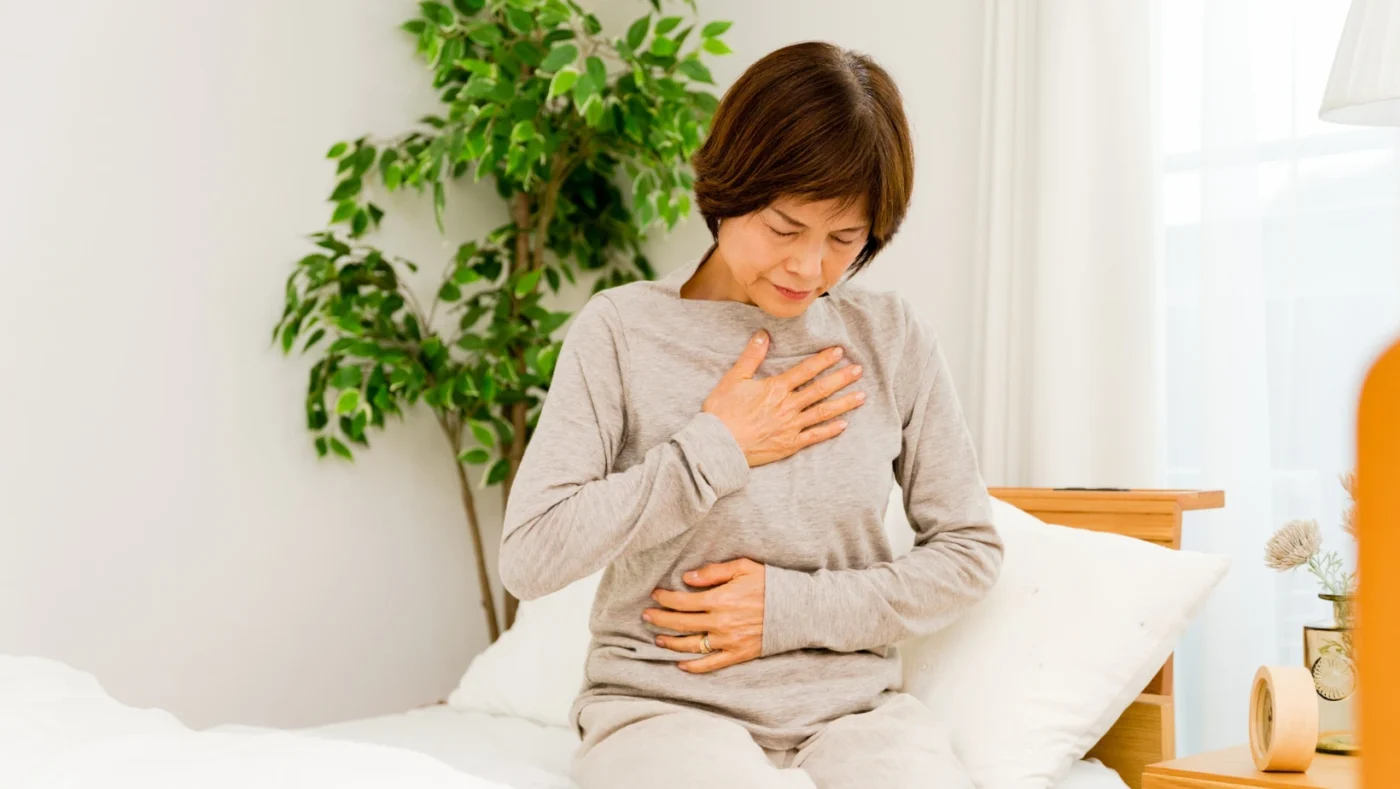

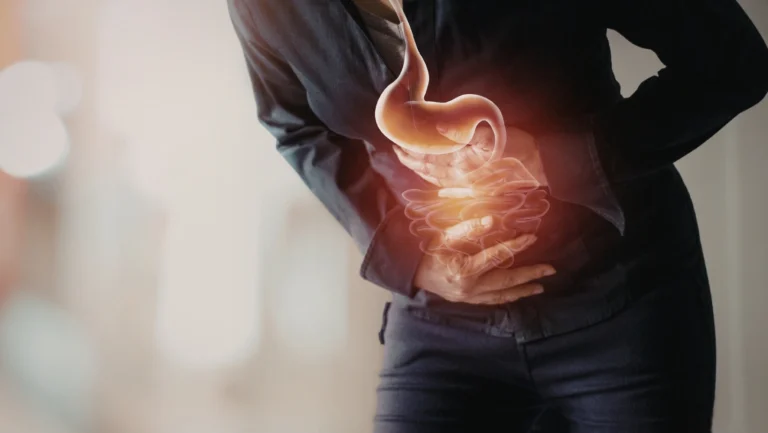
Chest and abdominal pain cause discomfort felt in the upper body or stomach area, and it can come from many different causes. Sometimes it’s something minor like indigestion or muscle strain, but it may also signal more serious issues involving the heart, lungs, or digestive organs. Because nerves and organs in these regions are connected, pain can spread or feel hard to pinpoint.
What Is Chest and Abdominal Pain?
Chest and abdominal pain mean you feel discomfort in both areas at once. These two areas share more organs in your body. Separate nerves in these regions overlap, which explains why problems in one spot can trigger pain in another.
Isolated chest pain usually points to heart or lung issues. Isolated stomach pain typically means digestive trouble.
10 Common Causes of Chest and Abdominal Pain

Digestive System Causes
Acid reflux is the most common cause of chest and abdominal pain. Stomach acid flows backward into your esophagus and creates a burning sensation that climbs from your stomach into your chest, and you taste something sour in your mouth. The pain gets worse after big meals or when you lie flat.
Indigestion strikes after you eat too fast or consume something your stomach doesn’t appreciate. The discomfort sits in your upper abdomen but can spread into your lower chest.
Gas and bloating create pressure. Your intestines expand, pushing against other organs. This pressure radiates upward into your chest cavity. The pain moves around and often disappears after you burp or pass gas.
Heart-Related Causes
Heart attack can be a cause of chest and abdominal pain, though it’s less common than digestive causes. The pain spreads to your jaw, arm, or back. You sweat and can’t catch your breath.
Angina happens when your heart muscle doesn’t get enough oxygen. The pain squeezes your chest during physical activity or stress. It is pressure rather than sharp pain.
Lung and Chest Causes
Pulmonary embolism occurs when a blood clot blocks an artery in your lung. You feel sudden, sharp chest and abdominal pain. Breathing becomes difficult. Your heart races , a critical situation.
Pneumonia inflames your lung tissue. You cough, spike a fever, and feel pain when you breathe deeply, which can extend into your upper abdomen if the infection sits in your lower lungs.
Pleurisy means the lining around your lungs gets inflamed. Every breath hurts. The pain sharpens when you inhale and can move into your stomach area.
Abdominal Organ Causes
Gallstones block the tube that carries bile from your gallbladder. The pain hits your upper right abdomen and shoots into the chest or shoulder blade. It can get worse after fatty meals.
Appendicitis starts as vague discomfort around your belly button. Within hours, the pain shifts to the lower right abdomen. If your appendix sits higher than usual, the pain might reach your lower chest.
Kidney stones create excruciating waves of pain in your back or side. The pain wraps around to your abdomen and can climb the lower chest. You might see blood in your urine.
Chest and Abdominal Pain After Eating
Food-Triggered Causes
Chest and abdominal pain after eating usually points to your digestive system.
Acid reflux flares up when the stomach secretes extra acid to break down food. The acid backs up into the esophagus, burning both the chest and the upper stomach.
Overeating stretches your stomach beyond its comfort zone. The expanded stomach presses against your diaphragm (the muscle separating your chest from your abdomen). Leads to shortness of breath.
Fatty or spicy meals take longer to digest. Your stomach works overtime, producing more acid and relaxing the valve between your stomach and esophagus, allowing acid to move upward.
When Post-Meal Pain Is Concerning
Chest and abdominal pain after eating becomes worrying when you also sweat profusely or feel clammy. If the pain shoots down your left arm or up into your jaw, your heart might be struggling and need immediate medical attention.
Chest and Abdominal Pain During Exercise
Benign Causes
Muscle strain happens when you push too hard. Your chest and abdominal muscles ache. The pain worsens when you press on the distressed spots or twist your body.
Dehydration reduces blood flow to your organs. Your heart works harder. Your muscles cramp. You feel chest and abdominal pain during exercise that fades when you drink water and rest.
Dangerous Causes
Heart-related ischemia means your heart isn’t getting enough blood during exertion. The pain feels heavy. It might extend into your upper abdomen. Stop exercising immediately.
Exercise-induced reflux can mask cardiac pain. Physical activity bounces stomach acid into your esophagus. The burning mimics heart problems. If you’re over 50 or have heart disease risk factors, don’t assume it’s just reflux.
Chest and Abdominal Pain GERD vs Heart Pain
How GERD Pain Feels
Chest and abdominal pain from GERD creates a burning sensation. It starts in your stomach and climbs upward like a fire. Lying down makes it worse because gravity stops helping keep stomach contents down. Antacids provide quick relief.
How Heart Pain Feels
Heart pain brings pressure, not burning. Your chest feels tight, squeezed. The pain doesn’t change when you shift positions or eat antacids. You might feel short of breath even sitting still. The discomfort spreads to your left arm, neck, or jaw.
How Chest and Abdominal Pain Is Diagnosed
Doctors start by asking questions. When did the pain begin? What makes it better or worse? Does it come after meals or during activity?
Physical exam comes next. The doctor presses on your chest and abdomen, checking for tender spots.
Blood tests reveal infection, inflammation, or heart muscle damage. Elevated cardiac enzymes suggest a heart attack. High white blood cell counts point to infection.
ECG and imaging. An electrocardiogram records your heart’s electrical activity. X-rays show lung problems. CT scans reveal blockages, inflammation, or structural issues.
Treatment Options for Chest and Abdominal Pain
Treatment targets the cause, not just where it hurts.
Initial Management
Diet changes help digestive causes. Avoid triggers like caffeine, alcohol, chocolate, and acidic foods. Don’t lie down right after eating.
Pain relief with acetaminophen for general discomfort. NSAIDs for inflammation (though these can worsen stomach issues).
Acid control medications include antacids for quick relief, H2 blockers for longer protection, and proton pump inhibitors for severe reflux.
Emergency or Medical Treatment
Cardiac evaluation involves continuous monitoring, medications to improve blood flow, and sometimes procedures to open blocked arteries.
Infection or obstruction management might require antibiotics for pneumonia, surgery for appendicitis, or procedures to remove gallstones or kidney stones.
When Chest and Abdominal Pain Is an Emergency
Sudden severe pain that makes you double over needs immediate attention.
Pain with shortness of breath could mean a heart attack, pulmonary embolism, or severe pneumonia. Call emergency services.
Pain with sweating or fainting suggests your body is in distress. The blood pressure drops. Your heart might be struggling.
Pain during exertion that stops when you rest could be angina. If it’s your first time experiencing this, get checked. If you’ve had angina before and its patterns, that’s also concerning.
FAQs on Chest and Abdominal Pain
Is chest and abdominal pain always serious?
No. Gas, indigestion, and acid reflux cause chest and abdominal pain frequently. These aren’t life-threatening but can feel scary. The key is recognizing warning signs that suggest something more serious.
Can GERD cause both chest and abdominal pain?
Yes. GERD (gastroesophageal reflux disease) pushes stomach acid into your esophagus, creating burning in both your upper abdomen and chest. It’s the 10 common causes of abdominal pain rolled into one condition.
Is chest and abdominal pain after eating dangerous?
Usually not. Most post-meal chest and abdominal pain comes from acid reflux, overeating, or gas. It becomes dangerous when accompanied by sweating, arm pain, or jaw pain, which suggests heart problems.
Can exercise trigger chest and abdominal pain?
Yes. Chest and abdominal pain during exercise happens from muscle strain, dehydration, or exercise-induced reflux. However, it can also signal heart disease, especially if the pain stops when you stop moving.
How do I know if pain is heart-related?
Heart pain feels like pressure or squeezing, not burning. It spreads to your arm, jaw, or back. You might feel short of breath, sweaty, or nauseous. Antacids don’t help. Position changes don’t help.
Can gas cause chest and abdominal pain?
Absolutely. Trapped gas creates pressure that radiates upward into your chest. The pain moves around and disappears after you burp or pass gas. It’s one of the 10 common causes of abdominal pain that extends into the chest.
Is anxiety a possible cause?
Yes. Panic attacks create real physical symptoms, including chest and abdominal pain. Your heart races. You hyperventilate. The pain feels very real because your body’s stress response triggers it.
Should I go to the ER for chest and abdominal pain?
Go if you have severe pain, can’t breathe normally, feel faint, or notice pain spreading to your arm or jaw. Go if you’re over 40 with heart disease risk factors and experiencing new chest pain.
Can this pain go away on its own?
Gas, minor indigestion, and muscle strain resolve without treatment. More serious causes won’t improve and often worsen. When in doubt, get checked. Better to feel silly in the ER than ignore something serious.
When is chest and abdominal pain life-threatening?
When linked to heart attack, pulmonary embolism, or internal bleeding. These conditions kill quickly without treatment. Sudden severe pain, difficulty breathing, and chest pressure with sweating are red flags demanding immediate care.






Leave a Comment