

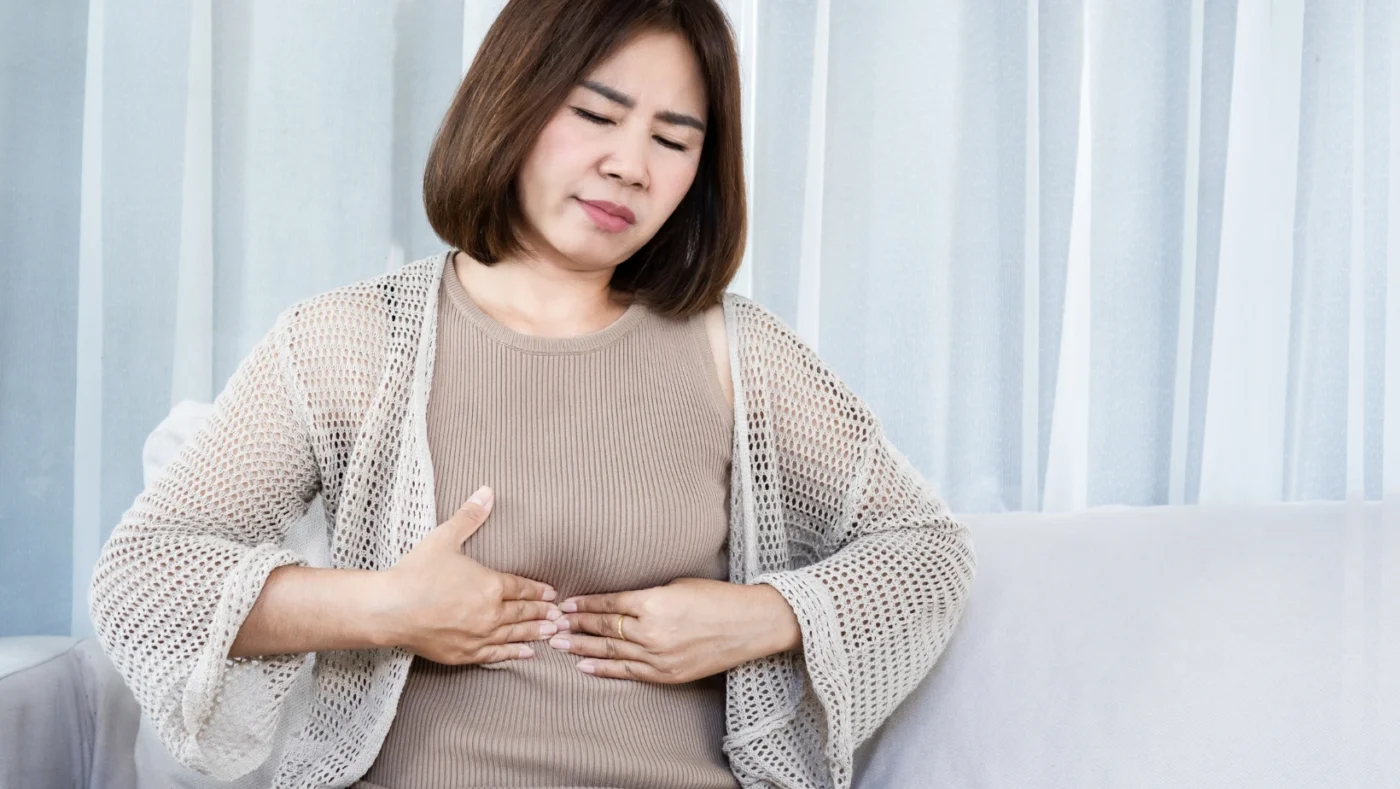

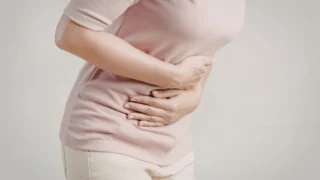
- Upper left abdominal pain under ribs happens in the area tucked beneath your left rib cage, right above your belly button.
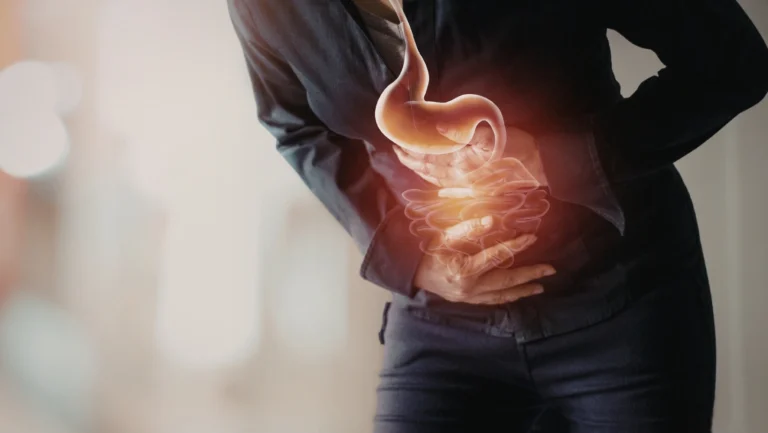
- Upper left abdomen has your spleen, part of your stomach, the tail of your pancreas, your left kidney, and the lower section of your left lung.
- This isn’t the same as chest pain. Upper left abdominal pain under ribs stays lower and more to the side. It’s also different from general belly pain.
What Is Upper Left Abdominal Pain Under Ribs?
Place your hand flat against your left side, fingers pointing down, thumb touching your lowest rib. That’s the upper left abdominal zone.
Upper left abdominal pain under ribs occupies the space between your lowest left ribs and your belly button’s left side.
- Your spleen sits right under those ribs. It’s about the size of your fist and filters your blood constantly.
- Your stomach’s greater curve (the bigger, rounder part) extends into this space.
- The tail of your pancreas reaches here.
- Your left kidney nestles behind everything, pressed against your back muscles.
- Your colon bends sharply in this area, making a turn from going across your belly to heading down your left side.
Upper left abdominal pain under ribs tends to feel sharper and more localized and responds to eating, breathing, or movement.
15 Causes of Upper Left Abdominal Pain

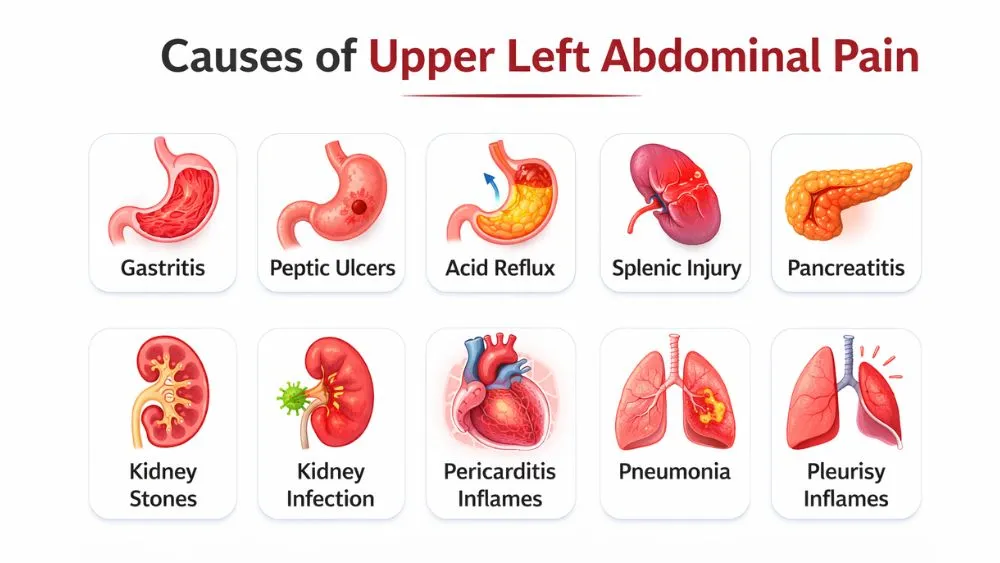
Multiple organs packed into this small space means multiple things can go wrong. Some causes are simple fixes. Others need urgent medical attention.
Digestive System Causes
Gas buildup ranks as the most common cause for upper left abdominal pain. Your colon makes a 90-degree turn under your left ribs. Gas gets stuck there, and the trapped air pushes against your ribs from the inside. You’ll feel bloated, might hear gurgling sounds, and notice the pain shifts when you change positions. Lying on your right side sometimes helps gas move through faster.
Gastritis inflames your stomach lining. Alcohol, NSAIDs (ibuprofen, aspirin), stress, or a bacteria called H. pylori trigger it. The pain typically feels worse when your stomach is empty and improves after eating bland foods like crackers or rice.
Peptic ulcers are actual sores in your stomach or duodenum (the first part of your small intestine). The pain might hurt, then stop for days, then come back. You may feel it 2-3 hours after eating when the stomach empties, or wake up at 2 or 3 AM with burning pain.
Acid reflux (GERD) sends stomach acid backward into your esophagus. While you feel most reflux behind your breastbone, the pain can spread to your upper left abdomen. You’ll taste something sour or bitter in your mouth. The pain worsens when you lie flat, bend over, or eat large meals.
Spleen-Related Causes
Enlarged spleen (splenomegaly) happens when infections, liver disease, or blood disorders make your spleen swell. The swollen organ pushes against your ribs and stomach, so you’ll feel full after eating just a few bites. The pain is dull and constant, not sharp.
Splenic injury typically follows car crashes, bicycle accidents, contact sports hits, or falls from heights. The spleen has a rich blood supply, so even small tears can bleed profusely into your abdomen. You’ll feel sudden, severe pain under your left ribs that might spread to your left shoulder (Kehr’s sign). Without surgery, bleeding can cause shock and death.
Pancreas and Kidney Causes
Pancreatitis means your pancreas gets inflamed. Gallstones blocking the pancreatic duct or chronic heavy drinking cause most cases. The pain is intense, constant, and boring. You will feel like something is drilling through you. It starts in your upper abdomen and radiates straight through to your back.
Left-sided kidney stones create pain that comes in waves as the stone moves through your ureter (the tube from kidney to bladder). The pain starts in your back, below your ribs, and wraps around to your front. The waves last 20-60 minutes. You’ll see pink, red, or brown urine from blood. You’ll feel like you need to urinate constantly but pass very little when you try.
Kidney infection (pyelonephritis) causes steady, deep aching in the area between your ribs and hip. Unlike stones, this pain is constant and gets worse when someone taps on your back over the kidney. You’ll spike a fever, often above 101°F. Chills shake you. Your urine looks cloudy, smells foul, or appears bloody.
Heart and Lung-Related Causes
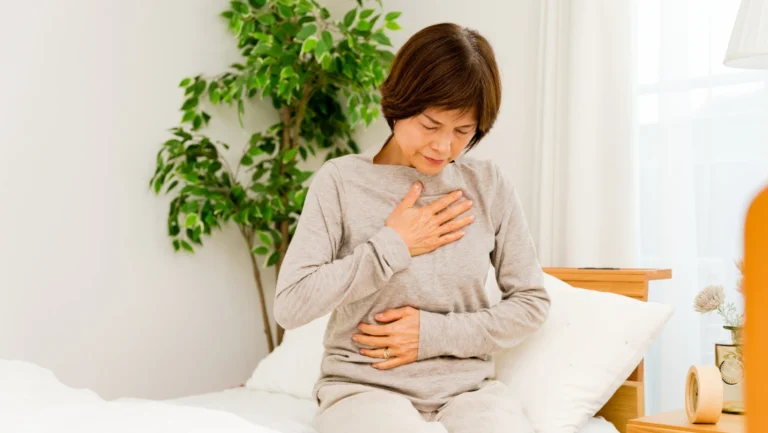
Pericarditis inflames the sac surrounding your heart. Viral infections cause most cases. The pain is sharp and stabbing. It gets worse when you lie flat and improves when you sit up and lean forward. Deep breaths and coughing make it hurt more. The pain can radiate to your left shoulder and into your upper left abdomen.
Pneumonia in your left lower lung creates pain that projects to your upper left abdomen. The infection inflames your lung tissue. You’ll cough; sometimes producing green, yellow, or rust-colored mucus. The pain worsens when you breathe deeply or cough because your inflamed lung expands against inflamed tissue.
Pleurisy inflames the thin membrane wrapping your lungs. The pain is sharp and catches you mid-breath. Take a deep breath and you’ll stop halfway through because it hurts too much. The pain eases when you breathe shallowly and hold still.
Musculoskeletal and Rib Causes
Costochondritis inflames the cartilage connecting your ribs to your breastbone. The pain mimics a heart attack: sharp, stabbing chest pain that can radiate to your abdomen. The difference is that you can reproduce the pain by pressing on your chest wall.
Muscle strain happens from overexertion, awkward movements, or prolonged coughing spells. The pain is sore and achy. It sharpens with twisting, bending, or reaching.
Rib injury from trauma, repetitive stress, or violent coughing creates localized pain. You might have bruised ribs, cracked ribs, or even a stress fracture. The pain is sharp and precise (you can point to the exact rib that hurts).
Symptoms of Upper Left Abdominal Pain
Symptoms of upper left abdominal pain change based on what’s causing the problem. Gas creates different sensations than pancreatitis. A muscle strain feels nothing like a kidney infection. Your body’s trying to tell you what’s wrong through specific signals.
Common Symptoms
Dull or sharp pain describes two completely different experiences. Dull pain feels like someone pressing hard on your side. It’s constant, achy, and exhausting because it never fully stops. You can function through it but you’re always aware it’s there. Sharp pain feels like stabbing or electric shocks. It catches you off guard. You might gasp or freeze mid-movement when it hits.
Bloating or pressure makes your left side feel full, tight, or swollen. An enlarged spleen creates persistent fullness because the swollen organ physically takes up space. You’ll feel satisfied after eating tiny amounts because there’s less room in your stomach.
Pain after eating connects directly to your digestive system. If pain starts within 15-30 minutes of eating, your stomach is the problem (gastritis, ulcers, or acid reflux). If pain hits 2-3 hours after meals, especially fatty meals, think gallbladder or pancreas issues.
Warning Symptoms That Need Urgent Care
Severe pain rated 8, 9, or 10 out of 10 requires urgent care. Pain that makes you unable to stand up straight, that makes you vomit from intensity alone, or that makes you cry out should get checked immediately. Pancreatitis, splenic rupture, kidney stones, or organ perforation creates this level of pain.
Fever combined with upper left abdominal pain under ribs signals infection somewhere in that region. Kidney infections spike fevers to 101-103°F. A 102°F fever with abdominal pain shouldn’t wait until morning.
Vomiting blood appears either bright red or dark brown like coffee grounds. Bright red means active bleeding, possibly a torn blood vessel or severe ulcer. Coffee ground appearance means blood sat in your stomach long enough for acid to partially digest it.
Pain radiating to chest or shoulder suggests either your diaphragm is irritated or something heart-related is happening. Blood in your abdomen irritates your diaphragm, pericarditis, or pancreatitis both send pain to your shoulder.
Pain Under Left Ribs When Breathing: What It Means
Pain under left ribs when breathing happens because your lungs, ribs, and diaphragm all move with each breath. When something’s inflamed or injured in that area, breathing amplifies the pain.
Breathing-Related Causes
Lung or pleural irritation makes every breath hurt. Normally, the lung membranes slide smoothly against each other as you breathe. When inflamed, they rub together like sandpaper. Pneumonia fills air sacs with fluid and pus. Your lung expands against infected, swollen tissue with each breath.
Rib or muscle inflammation syncs pain with breathing because your ribs expand and contract constantly. Bruised or cracked ribs flex slightly with breathing, enough to send sharp pain shooting through the injury site.
How to Tell If It’s Serious
Pain with shortness of breath raises immediate red flags.
- If you’re breathing fast and shallow because deep breaths hurt too much
- If you physically cannot get enough air
- If you’re gasping, or your lips or fingers look bluish
That’s a medical emergency.
Diagnosis of Upper Left Abdominal Pain
Doctors diagnose upper left abdominal pain under ribs through a combination of listening to your story, examining you, and running tests. They’re detectives gathering clues.
Clinical Evaluation
Pain pattern gives doctors their first big clue. The sudden onset suggests stones, injury, or blood clots. Gradual onset points toward infections or inflammation building over days. They’ll ask about timing and constant pain versus intermittent pain.
Trigger factors narrow the possibilities fast.
- If you say “it always hurts after I drink alcohol,” they’re thinking gastritis or pancreatitis.
- If you say “it started after I fell off my bike,” they’re worried about splenic injury.
- If you mention “it gets worse when I eat fatty foods,” gallbladder or pancreas problems move up the list.
During the physical exam, doctors press on your abdomen systematically. They’re feeling for tenderness (where does it hurt when touched?), swelling (is anything enlarged?), guarding (do your muscles tighten automatically?), and masses (is there a lump?). They’ll listen with a stethoscope for bowel sounds and check your vital sign.
Tests Commonly Used
A complete blood count (CBC) shows if your white blood cells are elevated (infection or inflammation) or if you’re anemic (bleeding).
Ultrasound uses sound waves to create images. It’s the first choice for looking at your spleen, kidneys, and gallbladder because it’s quick, painless, and uses no radiation.
CT scan provides detailed cross-sectional images of everything in your abdomen. It’s the gold standard for diagnosing pancreatitis (you’ll see inflammation and sometimes fluid collections around the pancreas), kidney stones (they light up on CT), organ injuries (you’ll see blood), and infections (abscesses show up clearly). The radiation exposure is higher than X-rays.
Chest imaging checks your lungs and heart. A chest CT gives more detail for pulmonary embolism or pericarditis.
Treatment of Upper Left Abdominal Pain
Treatment of upper left abdominal pain depends entirely on what’s causing it. Gas needs completely different treatment than pancreatitis. The approach splits into things you can handle at home versus things needing medical intervention.
Initial and Conservative Treatment
Diet modification tackles digestive causes head-on.
- Eliminate foods that trigger gas, such as beans, broccoli, cabbage, carbonated drinks, and artificial sweeteners.
- Eat smaller meals more frequently instead of three large meals.
- Stay upright for 2-3 hours after eating to let gravity help.
- Avoid alcohol completely if you have gastritis or ulcers.
- Cut out spicy foods, caffeine, and acidic foods (tomatoes, citrus).
Pain control starts with acetaminophen (Tylenol). Doctors usually prescribe 500-1000mg every 6 hours for adults. Avoid NSAIDs like ibuprofen or naproxen if you have any suspicion of gastritis, ulcers, or gastritis.
Gas or acid reduction offers quick relief using Simethicone (Gas-X), antacids (Tums, Rolaids), H2 blockers like famotidine (Pepcid), and proton pump inhibitors like omeprazole (Prilosec).
Medical or Hospital-Based Treatment
Infection management requires prescription antibiotics specific to the bacteria causing problems. Take the complete antibiotic course even when you feel better. Stopping early lets resistant bacteria survive.
Inflammation control for severe cases needs stronger medications. Pancreatitis often requires hospital admission with IV fluids (sometimes 6-8 liters per day), IV pain medication, and nothing by mouth until inflammation calms. Pericarditis needs high-dose anti-inflammatory drugs (colchicine or even brief steroid courses).
Organ-specific intervention addresses structural problems.
- Kidney stones under 5mm usually pass on their own with pain control and lots of fluids. Stones 5-10mm might need lithotripsy (sound waves that break stones into smaller pieces). Larger stones need surgical removal.
- Enlarged spleens get treated based on antibiotics for infections, chemotherapy for blood cancers, managing liver disease for cirrhosis-related enlargement.
When to See a Doctor for Upper Left Abdominal Pain
- Pain lasting more than 48 hours without improvement needs evaluation. Acute problems either resolve or clearly worsen within two days. If you’re three days in and still hurting, something needs diagnosis and treatment.
- Pain with breathing difficulty warrants same-day evaluation at minimum, emergency care if severe.
- Fever or vomiting alongside upper left abdominal pain under ribs means infection in kidney, lungs, or abdominan need antibiotics.
- Sudden severe pain that hits you out of nowhere and rates 8-10 in intensity needs emergency evaluation.
FAQs on Upper Left Abdominal Pain Under Ribs
Is upper left abdominal pain under ribs serious?
Upper left abdominal pain depends on accompanying symptoms. Gas and muscle strain resolve in days. Pancreatitis, splenic rupture, pulmonary embolism, and severe infections are serious. Fever above 101°F, vomiting blood, severe pain rated 8-10, or shortness of breath with the pain means seek emergency care immediately.
Can gas cause pain under the left ribs?
Yes. Gas trapped at the splenic flexure (where your colon bends under your left ribs) creates sharp, cramping upper left abdominal pain under ribs. The pain improves with position changes, passing gas, or bowel movements.
Is spleen pain felt under the left ribs?
Yes, your spleen sits directly beneath your left rib cage. You’ll feel full quickly when eating because the enlarged spleen presses on your stomach from the side.
Can upper left abdominal pain be heart-related?
Yes, pericarditis causes upper left abdominal pain under ribs along with chest pain. The pain worsens lying flat and improves sitting forward. Heart attacks rarely cause pain this low but can. Watch for chest pressure, left arm pain, jaw pain, or severe shortness of breath.
Why does pain worsen when I breathe deeply?
Deep breathing expands your lungs and lifts your ribs. Pleurisy, pneumonia, costochondritis, or rib injuries hurt more because inflamed tissues pull, stretch, or rub together. Organs near your diaphragm (spleen, stomach, pancreas) can cause breathing-related pain when inflamed because the diaphragm moves them slightly with each breath.
Is pain after eating a warning sign?
Pain within 30 minutes of eating suggests stomach problems like gastritis, ulcers, or severe acid reflux. Pain 2-3 hours after fatty meals points toward gallbladder or pancreas issues.
Can muscle strain cause pain under left ribs?
Absolutely. Intercostal muscles (between ribs) and oblique muscles (side abdominals) strain from overuse, awkward movements, or violent coughing. Rest and ice help more than medication.
Should I worry about pain with fever?
Yes. Fever combined with upper left abdominal pain under ribs indicates kidney, lungs, or abdominal infection. Temperatures above 101°F need medical evaluation within 24 hours. Above 103°F or with severe pain needs emergency care because infections can progress to sepsis rapidly without treatment.
Can this pain go away on its own?
Minor causes like gas, mild gastritis, or muscle strain resolve without medical treatment in 3-5 days. Serious causes like pancreatitis, kidney infections, pneumonia, or organ enlargement won’t improve without specific medical treatment. If pain persists beyond 48 hours or worsens, get evaluated.
When is upper left abdominal pain an emergency?
Go to the emergency room for pain rated 8-10 severity, vomiting blood (bright red or coffee-ground appearance), severe shortness of breath, pain after abdominal trauma, sudden severe pain with dizziness or fainting, or pain with chest pressure radiating to your arm.


Leave a Comment