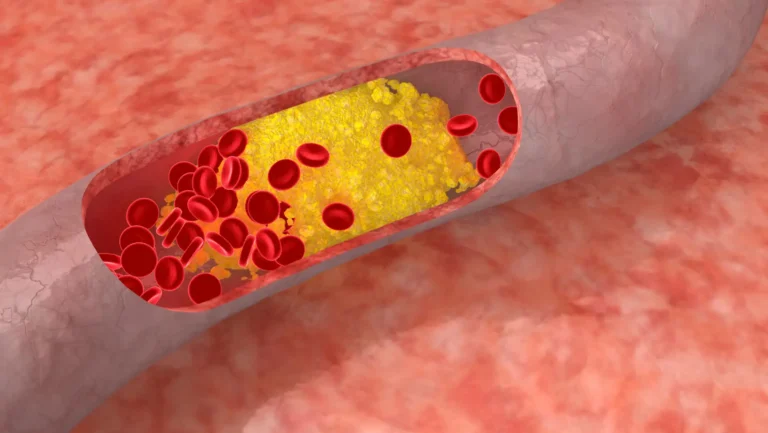

Diets for rheumatic disease can meaningfully reduce inflammation, ease joint pain, and support long-term disease management, though they do not replace medication. Rheumatic diseases, including rheumatoid arthritis (RA), lupus, ankylosing spondylitis, and psoriatic arthritis, affect over 54 million adults in the US, according to the CDC. These conditions share one common driver: chronic inflammation.
What you eat directly affects inflammatory markers in the body. Choosing the right diets for rheumatic disease approach can reduce flare frequency and improve daily function. This guide covers the best foods, which foods to cut, key nutrients, and meal strategies for managing rheumatic disease through nutrition.
Best Diet for Rheumatic Diseases
The best diet for rheumatic diseases is not a single rigid protocol. Across all current research, one pattern consistently emerges: whole, minimally processed, anti-inflammatory foods. It is a flexible, whole-foods pattern that consistently lowers the body’s inflammatory load.
Research published in Nutrients (2021) confirmed that anti-inflammatory dietary patterns reduce C-reactive protein (CRP) and interleukin-6, two key markers of joint inflammation.
Characteristics of an Anti-Inflammatory Diet
The best diet for rheumatic diseases shares these consistent features:
- High in colorful vegetables and fruits (rich in antioxidants)
- Includes fatty fish at least twice per week
- Uses olive oil as the primary fat source
- Relies on whole grains over refined carbohydrates
- Limits processed foods, added sugar, and trans fats
- Includes legumes several times per week
Whole Foods Approach
Whole foods retain vitamins, minerals, and fiber. Processing strips these out and adds inflammatory compounds like refined sugar and high omega-6 vegetable. When diets for rheumatic disease prioritize whole foods, the anti-to-pro-inflammatory ratio in the diet improves.
Importance of Nutrient Density
Chronic inflammation increases cellular oxidative stress, raising nutrient needs. Nutrient-dense foods supply antioxidants, B vitamins, and minerals that support immune regulation without excess calories.
Sustainable Eating Habits
A diet is only effective if maintained. The most successful diets for rheumatic disease are the ones people actually follow for years, not weeks. Rigid elimination diets cause nutrient deficiencies and rarely last. The best diet for rheumatic diseases is one you can sustain alongside your medical treatment.
Mediterranean Diet for Rheumatic Disease
The Mediterranean diet for rheumatic disease has the strongest evidence base of any dietary pattern studied in autoimmune conditions. A 2025 nine-year cohort study in the European Journal of Clinical Nutrition (n = 117,341) found higher adherence was associated with lower RA risk.
Key Components of the Diet
- Extra virgin olive oil as the main fat
- Abundant vegetables, legumes, and whole grains
- Fatty fish 2 to 3 times per week
- Moderate consumption of nuts, seeds, and dairy
- Limited red meat and processed foods
Evidence Supporting Joint Health Benefits
A 3-month prospective study in Annals of Rheumatic Diseases found a Mediterranean diet for rheumatic disease intervention improved disease activity in RA patients. A 2021 Nutrients systematic review found anti-inflammatory diets reduced joint pain scores (SMD = -0.45).
How It May Reduce Inflammation
The Mediterranean diet reduces pro-inflammatory prostaglandins and cytokines. Oleocanthal, a compound in extra virgin olive oil, inhibits COX-2, the same inflammatory enzyme ibuprofen targets.
Long-Term Health Advantages
Beyond joints, the Mediterranean diet for rheumatic disease reduces cardiovascular disease risk. RA patients have up to double the cardiovascular risk of the general population, making this benefit significant.
Nutrition for Rheumatic Disease Management
Nutrition for rheumatic disease management protects bones, supports heart health, and prevents deficiencies caused by both the disease and its medications.
Prioritizing Anti-Inflammatory Foods
Building a practical meal plan for inflammatory rheumatic diseases starts with daily additions that lower inflammatory markers. Fatty fish, leafy greens, berries, olive oil, and nuts are the core of nutrition for rheumatic disease management.
Maintaining a Healthy Weight
Excess body weight increases joint stress and drives inflammation through fat tissue cytokines. Losing just 10% of body weight in overweight RA patients significantly reduces joint swelling and CRP. A whole-foods diet supports this naturally.
Supporting Bone Health
Corticosteroid medications reduce bone density, and chronic inflammation impairs calcium absorption. Patients need 1,000 to 1,200 mg of dietary calcium daily from dairy, fortified foods, or leafy greens, paired with vitamin D.
Promoting Heart Health
Diets for rheumatic disease emphasizing omega-3s, fiber, and low saturated fat reduce LDL cholesterol and blood pressure, directly addressing the high cardiovascular risk in RA, lupus, and spondyloarthritis.
Preventing Nutrient Deficiencies
Methotrexate depletes folate. NSAIDs reduce iron absorption. Regular blood tests identify deficiencies. Address them through food first, then supplements if needed.
Foods That May Help Reduce Inflammation
The following foods form the foundation of evidence-based diets for rheumatic disease. Including them consistently produces measurable results.
Fatty Fish Rich in Omega-3s
Salmon, mackerel, sardines, and herring are the richest sources of EPA and DHA, the two omega-3 fatty acids most effective at reducing joint inflammation. A systematic review and meta-analysis in PMC (2025) found that omega-3 supplementation significantly reduced pain in RA patients (SMD = -0.42, p = 0.01), with benefits noticeable at 1 month and improving by 6 months.
Aim for 2 to 3 servings per week. Canned sardines and mackerel are affordable options with equally high omega-3 content.
Fruits and Berries
Blueberries, cherries, and pomegranates are rich in anthocyanins and quercetin, which block inflammatory signaling pathways. Tart cherry juice has reduced inflammation markers in several clinical studies.
Leafy Green Vegetables
Spinach, kale, and Swiss chard provide vitamin K, magnesium, and plant-based calcium. Vitamin K activates proteins that protect cartilage. Aim for 2 cups daily.
Nuts and Seeds
Walnuts vs almonds are the best plant source of ALA omega-3s. Flaxseeds and chia seeds add ALA plus fiber. One ounce of mixed nuts daily is linked to lower CRP levels.
Olive Oil
Extra virgin olive oil (EVOO) is the fat most supported by evidence in diets for rheumatic disease. Use it as your primary cooking fat and for dressings. Polyphenols in EVOO are heat-sensitive, so reserve some for drizzling raw on vegetables.
Legumes
Lentils, chickpeas, and black beans provide fiber, plant protein, and magnesium. High fiber intake feeds beneficial gut bacteria linked to better immune regulation in rheumatic diseases (Rheumatology International, 2023).
Foods to Avoid With Rheumatoid Arthritis
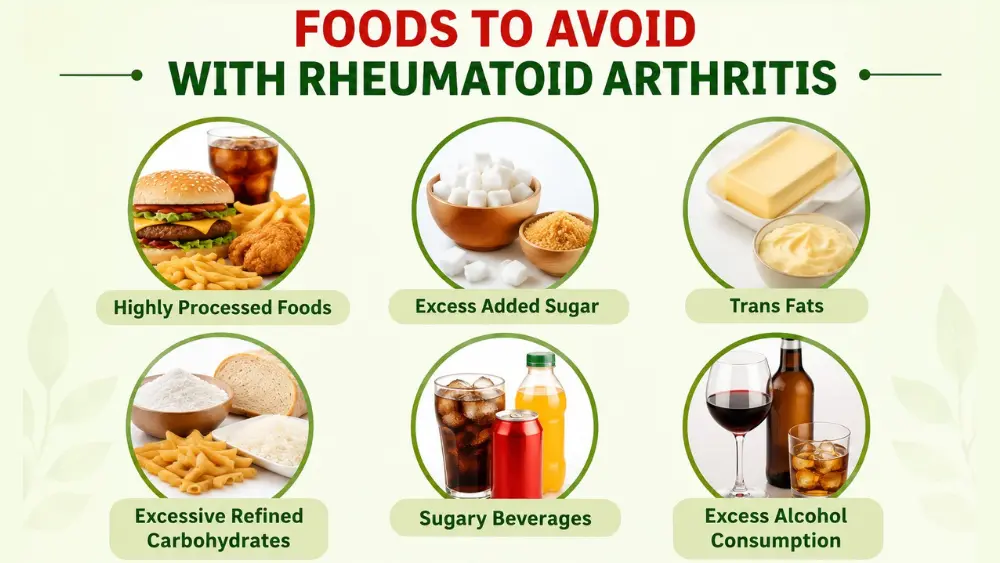
Foods to avoid with rheumatoid arthritis are those that actively raise inflammatory markers or worsen immune dysregulation.
Highly Processed Foods
The top foods to avoid with rheumatoid arthritis list are ultra-processed foods (packaged snacks, fast food, processed meats) contain advanced glycation end-products (AGEs), which directly stimulate inflammatory cytokines. People with RA who eat the most ultra-processed foods have significantly higher disease activity scores.
Excess Added Sugar
Sugar raises IL-6 and TNF-alpha, cytokines central to RA flares. The American Heart Association caps daily added sugar at 25 grams for women and 36 grams for men. Most processed foods exceed this.
Trans Fats
Partially hydrogenated oils (found in packaged cookies, crackers, and margarine) increase LDL cholesterol and inflammatory markers. Check ingredient labels: “partially hydrogenated oil” means trans fat is present, even if the label shows 0 grams.
Excessive Refined Carbohydrates
White bread, white rice, and refined pasta spike blood sugar rapidly, triggering inflammation. Switching to whole-grain versions significantly reduces this effect.
Sugary Beverages
Soda, energy drinks, and sweetened juices deliver large doses of fructose rapidly. Fructose metabolism increases uric acid and CRP, particularly relevant for patients with gout.
Excess Alcohol Consumption
Alcohol disrupts gut barrier integrity, allowing bacterial toxins into the bloodstream and triggering systemic inflammation. It also increases liver toxicity risk in patients on methotrexate. RA patients on methotrexate should abstain from alcohol.
Important Nutrients for Joint Health
Omega-3 Fatty Acids
The VITAL RCT (2022, BMJ) found that combined vitamin D and omega-3 supplementation reduced incident autoimmune disease by 22% over 5 years. For joint health, 1 to 3 grams of EPA/DHA daily is the studied range.
Vitamin D3
Vitamin D3 deficiency is more common in RA and lupus patients than in the general population. A 2024 meta-analysis found supplementation reduced inflammatory markers and disease activity scores. The target serum 25(OH)D level is 40 to 60 ng/mL. Most US adults need 1,500 to 2,000 IU daily, especially in winter.
Calcium
Corticosteroids reduce bone mineral density by up to 10% in the first year of use. Get calcium from dairy, fortified plant milks, canned salmon with bones, or calcium-rich vegetables like bok choy and kale, always paired with vitamin D.
Antioxidants
Vitamin C (citrus, bell peppers), vitamin E (almonds, sunflower seeds), and selenium (Brazil nuts, tuna) neutralize free radicals from inflammatory processes. One Brazil nut provides the full daily selenium requirement.
Fiber
A high-fiber diet feeds beneficial gut bacteria that produce short-chain fatty acids (SCFAs), which reduce intestinal permeability and systemic inflammation. Research in Rheumatology International (2023) confirmed a direct link between fiber-driven microbiome diversity and reduced disease activity. Aim for 25 to 35 grams daily.
FAQs
Can diet help reduce rheumatic disease symptoms?
Yes. Diets for rheumatic disease rich in omega-3 fatty acids, antioxidants, and fiber consistently reduce CRP and IL-6 in clinical studies. Diet does not replace medication but reduces the inflammatory load that drives symptoms.
What nutrients are important for rheumatic disease management?
The most important are omega-3 fatty acids (EPA and DHA), vitamin D, calcium, selenium, vitamin C, and dietary fiber. Each addresses a specific aspect of nutrition for rheumatic disease management, from inflammation control to bone protection.
Can omega-3 fatty acids help with joint pain?
Yes. A 2025 meta-analysis (PMC) covering 813 RA patients found omega-3 supplementation significantly reduced pain (SMD = -0.42, p = 0.01). Benefits begin within 1 month and peak around 6 months of daily supplementation.
How does weight affect rheumatic diseases?
Every extra pound places 3 to 4 pounds of force on the knee joint. Excess fat also secretes pro-inflammatory cytokines. Losing 10% of body weight in overweight RA patients measurably reduces joint swelling and CRP.
What is a good meal plan for inflammatory rheumatic diseases?
A strong meal plan for inflammatory rheumatic diseases includes oily fish 3x/week, 2 cups of leafy greens daily, olive oil as the main fat, and legumes 4x/week. Cut foods to avoid with rheumatoid arthritis: processed foods, sugar, and alcohol.
Are supplements necessary for rheumatic disease patients?
Vitamin D supplementation is often necessary because food sources are limited and deficiency is common in this population. Omega-3 supplements are useful if fatty fish intake is below 2 servings per week. Other nutrients should come from food first.
How does gut health affect rheumatic diseases?
The gut microbiome regulates immune system activity. Research in Rheumatology International (2023) confirmed that dysbiosis (imbalanced gut bacteria) is directly linked to increased rheumatic disease activity. A high-fiber diet with fermented foods supports microbiome diversity.
Can diet replace medications for rheumatic disease?
No. Diets for rheumatic disease are evidence-based adjuncts to medication, not replacements. Stopping RA medications without medical supervision causes joint damage progression. Dietary changes work best combined with prescribed treatment.
How long does it take to notice benefits from dietary changes?
CRP and inflammatory markers begin responding within 4 to 6 weeks. Joint stiffness and fatigue improvements are reported between 6 and 12 weeks. Full disease activity benefits typically appear by 3 months of consistent changes.
Sources
- PMC: Mediterranean Diet’s Role in Mediating Inflammation and Rheumatoid Arthritis
- European Journal of Clinical Nutrition: Mediterranean Diet and Rheumatoid Arthritis: 9-Year Cohort Study (2025)
- PMC: Effects of Omega-3 Fatty Acids on Chronic Pain: Systematic Review and Meta-Analysis (2025)
- PMC: The Effect of Omega-3 Fatty Acids in Patients With Active RA Receiving DMARDs
- Springer: Vitamin D in Inflammatory Rheumatic Diseases (2026)
- MDPI: Mediterranean Diet and Physical Activity in Women with Rheumatoid Arthritis: MADEIRA RCT (2023)
- PMC: Rheumatic Diseases and Gut Microbiota (Rheumatology International, 2023)
- ScienceDirect: Efficacy of Mediterranean Diet for Prevention of Autoimmune Diseases (2025)
- The Permanente Journal: Brief Review: Mediterranean Diet and Rheumatoid Arthritis Management (2025)
- PMC: The Interplay of Nutrition, Gut Microbiota and Immunity