

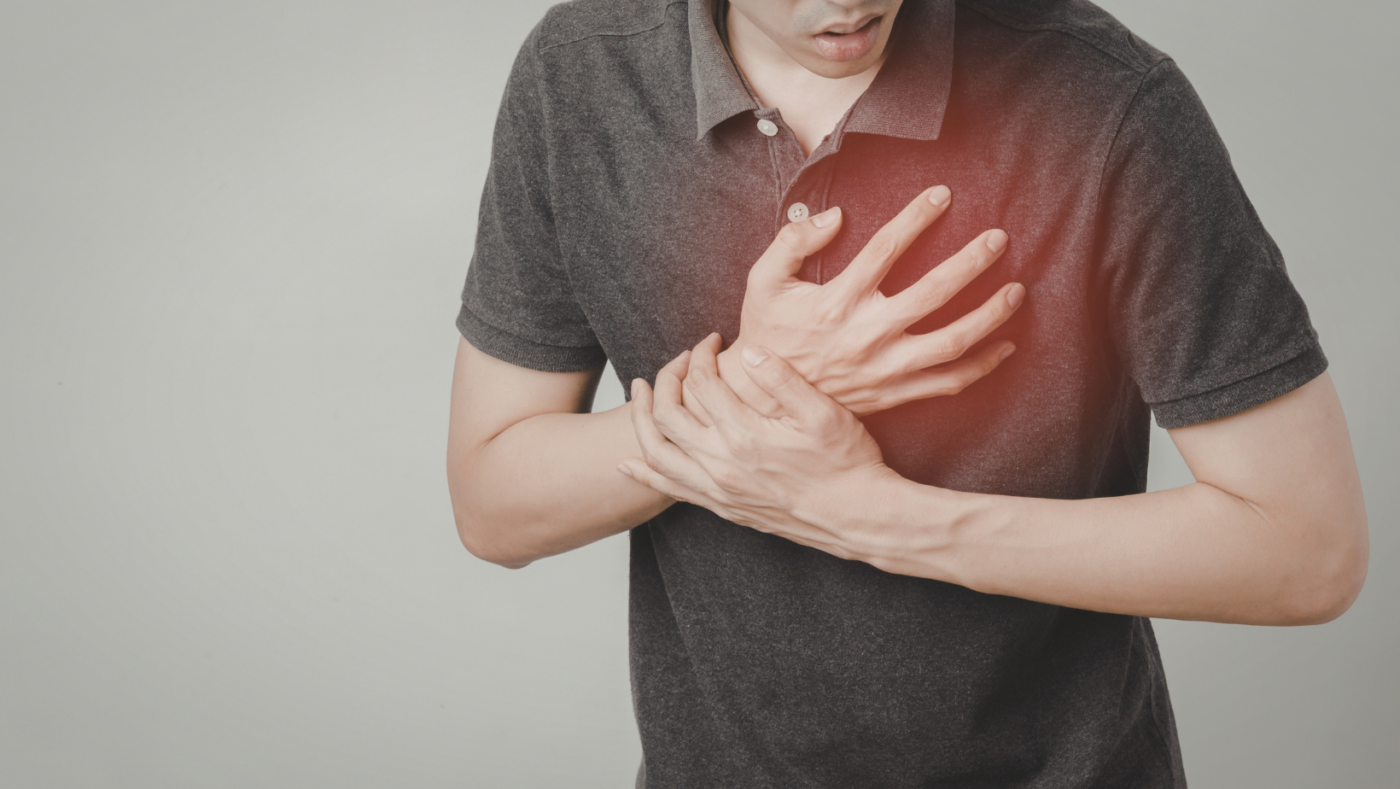

Chest pain is one of the most common reasons people visit emergency rooms worldwide. About 6 million ER visits in the US each year involve chest pain as the main complaint. Most cases turn out to be non-cardiac. But the ones that aren’t can be fatal within hours.
Chest Pain Overview
Chest pain is any discomfort felt between the neck and the upper abdomen. The chest contains the heart, lungs, esophagus, major blood vessels, ribs, and several muscle groups. Any of these structures can produce pain that feels like it’s coming from the chest.
Cardiac causes get the most attention, but they account for only about 15 to 20% of chest pain cases in emergency settings. Gastrointestinal causes (especially acid reflux) are actually more common. Musculoskeletal causes, lung issues, and anxiety make up much of the remainder.
What Are 5 Common Causes of Chest Pain?
The five causes that account for the majority of chest pain presentations are:
- Acid reflux (GERD): Stomach acid rises into the esophagus and creates a burning sensation in the center of the chest. It worsens after eating, when lying down, or when bending forward. Many people mistake this for heart trouble.
- Musculoskeletal strain: Inflammation of the cartilage where ribs meet the breastbone (costochondritis) or strained chest wall muscles produce sharp, localized pain that worsens when pressing on the area or taking a deep breath.
- Angina: Reduced blood flow to the heart muscle causes pressure or tightness in the chest, usually during physical exertion or stress. It resolves within minutes of rest. This is cardiac and needs medical evaluation.
- Anxiety and panic attacks: Adrenaline surge during a panic attack tightens chest muscles and increases heart rate. The chest pain feels real and intense. It mimics cardiac symptoms closely enough that even doctors sometimes order ECGs.
- Pleuritis: Inflammation of the lining around the lungs causes sharp pain that worsens when breathing in. Often follows a respiratory infection.
How Do I Know if Chest Pain Is Serious?
Chest pain is serious when it fits any of these patterns:
- Pain spreads to the left arm, jaw, neck, or back
- It comes with shortness of breath, sweating, or nausea
- It started during physical activity and didn’t fully resolve with rest
- A tearing or ripping sensation in the chest or back (possible aortic dissection)
- The person is over 40 with known heart disease, diabetes, or high blood pressure
- It comes with a fast or irregular heartbeat
- Lips or fingertips look bluish (low oxygen)
- The pain started suddenly and feels worse than anything experienced before
Pain that changes with body position or pressure, improves with antacids, or follows an obvious physical strain is more likely non-cardiac. But if there’s any doubt, a single ECG and troponin blood test rules out most acute cardiac events within 3 hours.
What Are the 5 Life-Threatening Chest Pains?
These five conditions kill people who wait too long:
1. Acute Myocardial Infarction (Heart Attack) A blocked coronary artery starves heart muscle of oxygen. Classic presentation is pressure or crushing pain in the center of the chest, spreading to the left arm or jaw. Women and diabetics sometimes present with atypical symptoms: fatigue, nausea, or upper back pain with no chest pain at all.
2. Aortic Dissection The inner wall of the aorta tears. This causes sudden, severe tearing or ripping pain in the chest that radiates to the back between shoulder blades. Blood pressure often differs between the two arms. Without emergency surgery, mortality increases by about 1 to 2% per hour.
3. Pulmonary Embolism A blood clot travels to the lungs and blocks an artery. Sudden sharp chest pain with shortness of breath, rapid heart rate, and sometimes leg swelling are the key signs. Risk increases after long flights, surgery, or prolonged bed rest.
4. Tension Pneumothorax Air gets trapped in the chest cavity and collapses the lung. Causes sudden sharp chest pain and severe difficulty breathing. The trachea visibly shifts to one side. This is a medical emergency requiring immediate needle decompression.
5. Cardiac Tamponade Fluid builds up around the heart and compresses it, preventing it from pumping properly. Causes chest pain, muffled heart sounds, low blood pressure, and distended neck veins. Common after chest trauma or certain infections like pericarditis.
How Do I Make Sure My Chest Pain Is Not Heart-Related?
The first is an ECG (electrocardiogram). It records the heart’s electrical activity and detects patterns consistent with a heart attack, arrhythmia, or reduced blood flow within minutes of being performed.
The second is a troponin blood test. Troponin is a protein released by damaged heart muscle. Elevated troponin in the blood confirms cardiac damage. Modern high-sensitivity troponin tests detect damage within 1 to 2 hours of a heart event.
The third is a stress test or coronary CT angiogram for people with recurring chest pain that isn’t acute. These assess blood flow through the coronary arteries and identify blockages before they cause a heart attack.
Pain that responds to antacids, changes with body position, worsens only when pressing on the chest wall, or follows a meal is unlikely to be cardiac. Normal ECG plus normal troponin at two timepoints (0 hours and 3 hours) rules out acute heart attack with 99% accuracy in most protocols used by emergency departments.
What to Do to Relieve Chest Pain?
The right response depends on the type of chest pain.
For suspected cardiac chest pain: Call emergency services immediately. Chew one regular aspirin (325 mg) if available and not allergic. Sit still. Don’t drive yourself to the hospital.
For acid reflux chest pain: Take an antacid (like calcium carbonate) or an H2 blocker (like famotidine). Sit upright. Avoid lying flat. Avoid eating for 2 hours. Loosening tight clothing around the abdomen also helps fast.
For musculoskeletal chest pain: Apply heat to the area for 15 to 20 minutes. Take ibuprofen (400 mg with food). Rest from activity that aggravates the pain. Most costochondritis pain reduces within 3 to 5 days with this approach.
For anxiety-related chest pain: Box breathing (4 seconds in, hold 4, out 4, hold 4) activates the vagus nerve and slows the heart rate within minutes. Lying flat and placing a hand on the chest to feel breathing slow down also helps interrupt the panic cycle.
Never self-treat chest pain that spreads, comes with shortness of breath, or started suddenly at rest.
What Are the Natural Treatments for Angina?
Medical treatment (nitrates, beta blockers, statins) is the standard care and shouldn’t be skipped. But natural approaches do support cardiac health and reduce angina frequency.
- L-arginine: An amino acid that helps produce nitric oxide, which widens blood vessels. A 2005 American Heart Journal study found it reduced angina episodes in stable angina patients.
- Omega-3 fatty acids: Reduce triglycerides and arterial inflammation. Fish oil at 2 to 4 grams of EPA and DHA daily is the clinically studied dose.
- Coenzyme Q10 (CoQ10): The heart uses CoQ10 for energy production. Levels drop significantly in people taking statins. Supplementing at 200 to 400 mg daily has shown reduced angina frequency in several trials.
- Hawthorn extract: A herb with decades of clinical research behind it. Improves coronary blood flow and reduces cardiac oxygen demand. Used widely in Germany as an adjunct cardiac treatment.
- Mediterranean diet: Reduces overall cardiovascular risk by about 30% based on the PREDIMED trial, which followed over 7,000 high-risk adults.
What Is the Best Home Remedy for Chest Pain?
The best home remedy depends entirely on the cause. For the most common type of chest pain (acid reflux), baking soda in water works fast. Half a teaspoon in a glass of water neutralizes stomach acid within minutes. It’s the same active ingredient in many commercial antacids.
Ginger tea is the second most effective home option for digestive chest discomfort. Ginger reduces esophageal inflammation and speeds up stomach emptying, which prevents acid from sitting in the stomach and backing up.
For musculoskeletal chest pain, a warm compress applied directly to the painful area for 20 minutes reduces muscle spasm and local inflammation faster than oral pain relievers in many cases.
For stress-related chest tightness, magnesium glycinate (200 to 400 mg) taken at night reduces baseline muscle tension in the chest wall and supports nervous system regulation. Many people with chronic chest tension are magnesium deficient.
If pain is severe, doesn’t improve within 15 minutes, or comes with any other symptom, stop home treatment and seek medical care.
What to Drink to Remove Chest Pain?
These drinks have actual evidence or clinical logic behind them, not just popular belief:
- Cold water: For esophageal spasm (a common cause of chest pain that mimics heart attack), drinking cold water sometimes interrupts the spasm. Warm water works better for acid reflux.
- Baking soda water: Half a teaspoon in 200 ml of water neutralizes stomach acid fast. Best for burning, post-meal chest discomfort.
- Ginger tea: Reduces esophageal inflammation and calms gastric activity. Studies confirm ginger’s effectiveness for GI-related discomfort including chest symptoms.
- Aloe vera juice: Reduces esophageal irritation from chronic acid reflux. A 2015 study published in the Journal of Traditional Chinese Medicine found aloe vera juice reduced GERD symptoms including chest burning.
- Chamomile tea: Reduces smooth muscle spasm in the esophagus and stomach. Useful for stress-related chest tightness and digestive chest pain.
Milk actually worsens acid reflux in the long run. It neutralizes acid briefly, then stimulates more acid production. Cold milk feels soothing in the moment but makes GERD worse over time.










Leave a Comment