

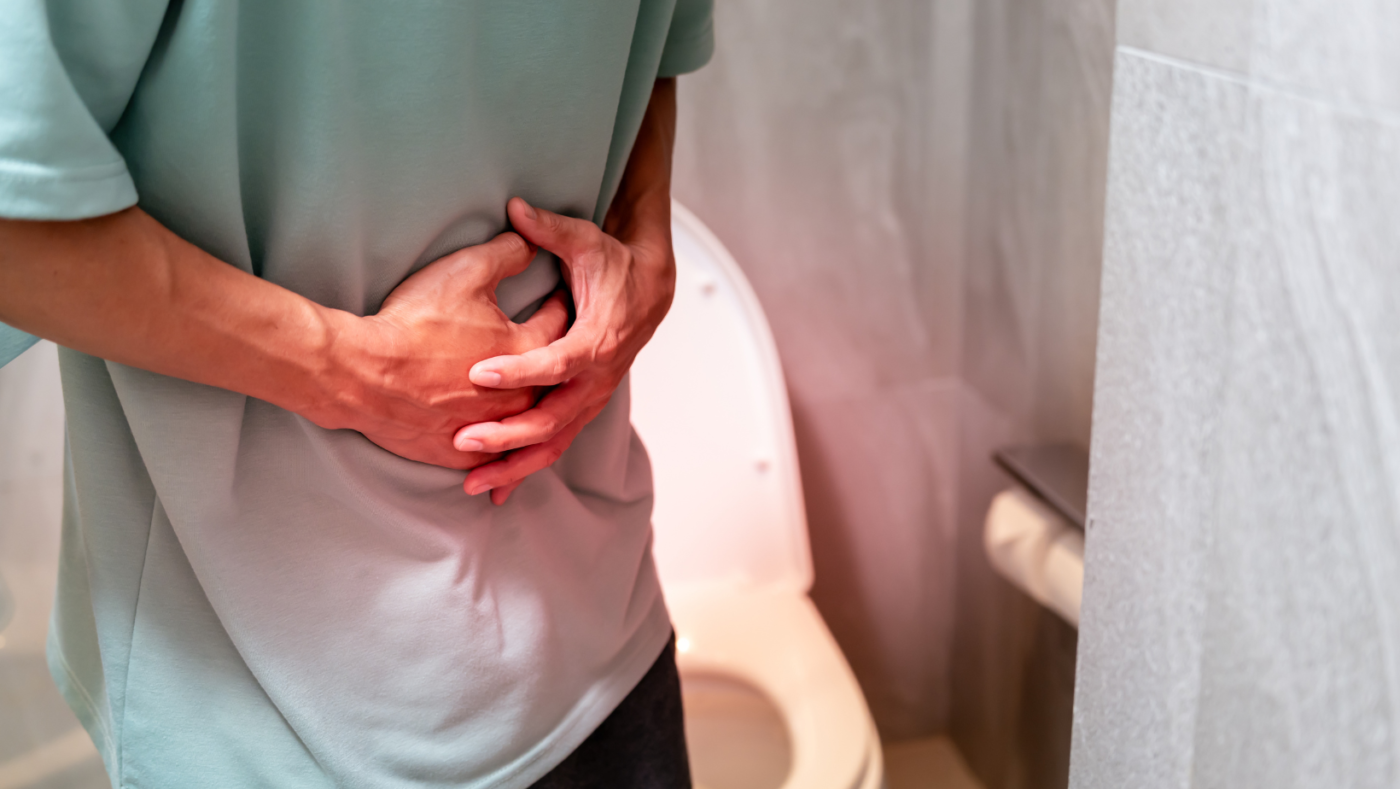

Constipation means fewer than 3 bowel movements per week, or stools that are hard, dry, and painful to pass. It affects roughly 16% of adults worldwide. Low fiber, low water, and too much sitting create constipation in the first place. Fix those three, and most cases resolve without any medication.
For stubborn constipation lasting more than a week without improvement, or constipation with blood, unexplained weight loss, or severe pain, a gastroenterologist evaluation is the right step.
What Are the Symptoms of Very Bad Constipation?
Severe constipation includes no bowel movement for more than 3 days, hard lumpy stools, straining for more than 10 minutes, a feeling of blockage in the rectum, and bloating that does not go away. Blood on toilet paper after straining signals anal fissures. Fever alongside no bowel movement needs urgent medical attention, not home remedies.
What Is the 3 to 3 Poop Rule?
The 3 to 3 rule defines the normal range of bowel habits. Healthy bowel movement frequency falls between 3 times per day and 3 times per week. Anything outside this range consistently means the gut is either too fast or too slow. Most doctors use this rule as the starting point when checking for constipation or diarrhea.
How to Solve Constipation Problem?
The fastest fix is hydration plus movement. Drink 2 glasses of water immediately upon waking. Walk for 15 minutes. This stimulates the gastrocolic reflex, the natural signal your colon gets after the stomach fills and the body moves. Most mild constipation resolves within 6 to 12 hours with this alone, before any medication is needed.
Why Am I Constipated?
The most common reasons are low fiber intake, not drinking enough water, sitting for long hours, ignoring the urge to go, and stress. Medications like iron supplements, antacids with aluminum, opioid painkillers, and some antidepressants all slow the gut. Hypothyroidism and diabetes also cause chronic constipation that does not respond well to diet changes alone.
How Do You Get Rid of Constipation Fast?
Try this sequence:
- Drink 2 glasses of warm water on an empty stomach
- Eat 2 kiwis or prunes within 30 minutes
- Walk briskly for 10 to 15 minutes
- Sit on the toilet with feet elevated on a small stool (squatting angle improves stool passage)
This works for most people within 30 to 60 minutes. The squat position straightens the anorectal angle and reduces the force needed to pass stool.
Which Foods Cure Constipation?
Prunes work better than most laxatives for mild constipation. A 2011 study in Alimentary Pharmacology & Therapeutics found prunes outperformed psyllium husk in improving stool frequency. Kiwi fruit contains actinidin, an enzyme that speeds up gut movement. Flaxseeds add both soluble and insoluble fiber. Legumes like lentils and chickpeas bulk up stool within 24 hours of eating.
What Drink Clears Constipation?
Warm water with lemon juice on an empty stomach is the most accessible option. Coffee works too. Caffeine stimulates muscle contractions in the colon, which is why many people feel the urge within 20 minutes of drinking it. Prune juice at 120ml contains sorbitol, a natural sugar that draws water into the intestine and softens stool fast.
What Fruit Is Good for Constipation?
Kiwi is the most clinically proven fruit for constipation. A 2022 study in the American Journal of Gastroenterology found that eating 2 kiwis daily for 4 weeks increased bowel movement frequency significantly in constipated adults. Prunes come second. Pears with skin contain high sorbitol. Figs, both fresh and dried, are also strong options because of their high fiber and mucilage content.
How to Fix Constipation in 30 Minutes?
The fastest approach combines warm liquid and body position. Drink 1 to 2 cups of warm coffee or warm water with lemon. Then sit on the toilet with your knees higher than your hips (use a Squatty Potty or a small footstool). Lean forward slightly and breathe deeply. This position works with gravity instead of against it. Most people get results within 20 to 30 minutes.
What Foods Cause Constipation?
- White bread, white rice, and pasta, all low in fiber
- Unripe bananas, which contain high resistant starch
- Red meat, which is slow to digest and contains no fiber
- Fried foods, which slow gut motility
- Dairy products in large amounts, particularly cheese
- Processed snacks like chips and crackers
The common thread is low fiber and low water content. The gut needs both to move waste efficiently.
Can Curd Cause Constipation?
Plain curd (yogurt) does not cause constipation. It contains live bacteria like Lactobacillus, which improve gut motility. However, flavored yogurts with added sugar and thickeners sometimes slow digestion in sensitive people. Full-fat cream-based dairy products do slow down the gut. Plain, unsweetened curd with active cultures is actually one of the better dairy choices for gut health.
How Much Water Should I Drink If Constipated?
At least 2.5 to 3 liters of water per day when constipated. Normal daily intake is around 2 liters. The extra water softens stool and makes it easier to pass. Drinking water alone without fiber does not fix constipation. Water works best when combined with a high-fiber food. Warm water is more effective than cold water for stimulating gut movement.
What Is a Good Home Remedy for Constipation?
Castor oil is one of the most effective home remedies. One teaspoon on an empty stomach produces results within 2 to 6 hours by stimulating small intestine contractions. It is strong, so do not use it repeatedly. Isabgol (psyllium husk) mixed in warm water at bedtime works more gently and is safe for daily use. It absorbs water and bulks up stool overnight.
Is Hot Water Good for Constipation?
Yes. Warm or hot water stimulates the digestive tract more effectively than cold water. It increases intestinal muscle contractions. Drinking a glass of hot water 30 minutes before breakfast consistently improves bowel regularity within a week in people with mild constipation. Hot water also helps break down food faster and reduces bloating linked to slow gut transit.
What Tablet Is Best for Constipation?
| Medication | Type | How It Works |
| Bisacodyl (Dulcolax) | Stimulant laxative | Triggers colon muscle contractions |
| Lactulose | Osmotic laxative | Draws water into the colon |
| Isabgol / Psyllium | Bulk-forming | Adds fiber and softens stool |
| Sodium picosulfate | Stimulant laxative | Fast-acting, overnight results |
| Macrogol (MiraLax) | Osmotic laxative | Gentle, safe for regular use |
For occasional constipation, bisacodyl at 5 to 10mg works well. For chronic cases, macrogol is safer for long-term use.
What Is the Fastest Medicine for Constipation?
Bisacodyl (Dulcolax) in suppository form produces results within 15 to 30 minutes. The oral tablet version works in 6 to 12 hours. Sodium picosulfate oral drops work in 10 to 14 hours and are gentler on the gut than bisacodyl. For the absolute fastest relief, a glycerin suppository inserted rectally works in 15 minutes by softening stool locally.






Leave a Comment