



Yes. Constipation can cause nausea. When your digestive system slows down and waste builds up in your intestines, the pressure and toxins can trigger feelings of sickness. Your gut sends distress signals to your brain, which often results in nausea alongside your bowel troubles.
When stool sits too long in your colon, bacteria produce gases and compounds that make you feel queasy. The bloating and discomfort add to this unpleasant sensation.
Causes of Nausea and Constipation

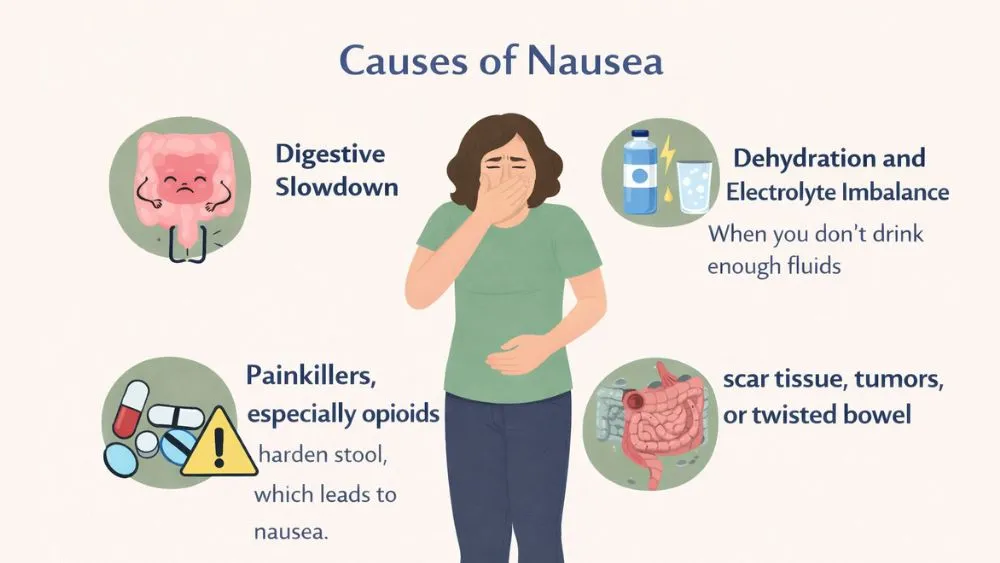
Several factors create the uncomfortable pairing of stomach upset and difficulty passing stool.
Digestive Slowdown
Your stomach empties food into your intestines at a controlled pace. When constipation develops, this process gets disrupted. Food stays in your stomach longer than normal because the exit route is blocked or moving too slowly. This delayed gastric emptying makes you feel full, bloated, and sick to your stomach.
The backup creates a domino effect throughout your digestive tract. Your small intestine can’t push contents forward efficiently when the large intestine is packed with hard stool. Increased gut pressure from this buildup stimulates nerve endings that trigger your nausea response.
Dehydration and Electrolyte Imbalance
When you don’t drink enough fluids, your colon absorbs extra moisture from waste material. This leads to hard stool formation that becomes difficult or painful to pass. The same dehydration affects your entire body, including the mechanisms that control nausea.
Reduced intestinal movement happens when cells lack sufficient water and electrolytes like sodium, potassium, and magnesium. These minerals help nerves signal muscles to push waste through your system. Without them, everything slows down.
Medication-Related Causes
Many common medications interfere with normal bowel function while also affecting your stomach. Painkillers, especially opioids, are notorious for causing severe constipation and nausea simultaneously. They slow down the natural contractions of your intestines while also triggering nausea centers in your brain.
Antidepressants, particularly older types, can dry out your digestive tract and reduce bowel movements. Iron supplements cause constipation because they irritate your intestinal lining and harden stool, which leads to nausea.
Serious but Less Common Causes
Bowel obstruction is a medical emergency when something physically blocks your intestine. This can happen from scar tissue, tumors, or twisted bowel. The complete or partial blockage prevents normal waste passage and almost always causes severe nausea along with intense pain.
These serious conditions require immediate medical treatment. They won’t resolve with home remedies or over-the-counter solutions.
Nausea and Constipation Symptoms
Recognizing how these conditions present helps you know when simple measures will work and when you need professional help.
Common Symptoms
Feeling sick to your stomach is often the first sign that your constipation is affecting your whole system. This sensation might be mild queasiness or strong enough to make eating difficult.
Bloating accompanies constipation and can cause nausea. Your abdomen feels tight, swollen, and uncomfortable. This bloating results from gas buildup and stool accumulation in your intestines.
Loss of appetite naturally follows nausea. You might feel full after eating very little or have no interest in food at all.
| Hard or infrequent stools define constipation itself. You may go three days or more without a bowel movement, or when you do go, the stool is dry, lumpy, and difficult to pass. Straining becomes necessary, which can cause additional discomfort and sometimes small amounts of bleeding from anal tears. |
Warning Symptoms
Persistent vomiting signals that your nausea has progressed beyond simple queasiness. This needs medical evaluation to prevent dehydration and identify the underlying cause.
Severe abdominal pain that’s sharp, stabbing, or intensifying indicates something more serious than typical constipation discomfort.
Blood in stool should never be ignored. Whether you see bright red blood on toilet paper, dark blood mixed with stool, or black tarry stools, bleeding indicates damage to your digestive tract. While hemorrhoids from straining are common, bleeding can also point to more serious conditions.
Unintentional weight loss combined with nausea and constipation symptoms raises red flags.
Diagnosis of Nausea and Constipation
Medical professionals use systematic approaches to identify why you’re experiencing both symptoms together.
Clinical Assessment
Your doctor starts by asking detailed questions about your bowel movement history.
- How often do you go?
- What does the stool look like?
- When did the constipation start?
Diet and fluid intake evaluation reveals whether you’re getting enough fiber and water. Your doctor may ask you to describe a typical day of eating and drinking.
Medication review is essential because so many drugs affect bowel function. Sometimes adjusting or switching medications solves both the constipation and nausea.
Physical examination includes pressing on your abdomen to check for tenderness, masses, or bloating. Sometimes a digital rectal exam is necessary to check for impaction or other abnormalities.
Tests Used When Symptoms Persist
Blood tests can reveal anemia, electrolyte imbalances, thyroid problems, or signs of infection.
Abdominal imaging includes X-rays, CT scans, or ultrasounds that show what’s happening inside your belly. Doctors often start with simple X-rays before moving to more detailed scans.
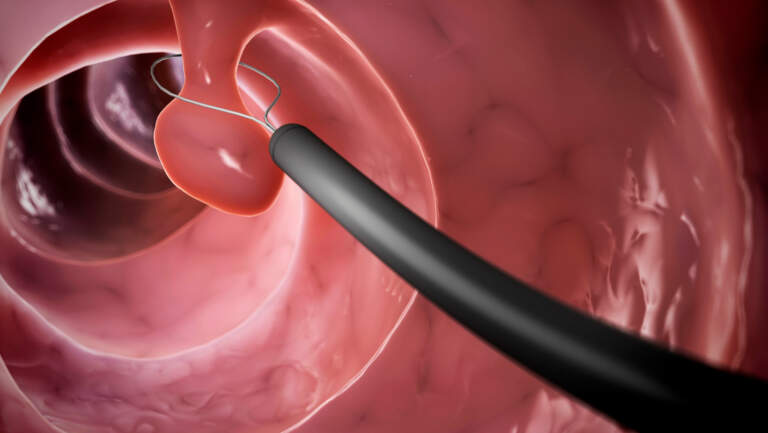
Colon evaluation through colonoscopy or sigmoidoscopy becomes necessary when red flag symptoms appear or when the diagnosis of nausea and constipation remains unclear.
Treatment of Nausea and Constipation
Addressing both symptoms requires a multi-pronged approach that targets the root cause while providing symptom relief.
Initial Treatment
Hydration forms the foundation of treatment. Drinking more water helps soften stool and supports every bodily function involved in digestion.
| Adults typically need eight to ten glasses daily, more if you’re active or in hot weather. |
Dietary fiber adjustment means slowly adding more fruits, vegetables, whole grains, and legumes to your meals. Start with small increases to avoid gas and bloating, aiming for 25 to 35 grams daily.
Gentle stool softening with products (laxatives) containing docusate helps when you need immediate relief. They’re safe for short-term use while you adjust your diet and fluids.
Medical Treatment
Osmotic (polyethylene glycol) or bulk-forming laxatives (psyllium) work differently from harsh stimulant types.
Medications for nausea help when dietary changes and constipation treatment aren’t enough. Antiemetics (ondansetron, promethazine) can settle your stomach while you work on the underlying bowel problem.
Treatment of underlying causes is crucial for lasting relief. If medication causes your symptoms, your doctor might switch prescriptions. If a medical condition like hypothyroidism or diabetes is responsible, treating that disease improves your digestive function.
Tips To Relieve Nausea and Constipation
Tips to relieve nausea and constipation work best when combined rather than tried individually.
- Increase water intake gradually throughout your day rather than drinking large amounts at once. Your urine should be pale yellow, indicating good hydration.
- Eat fiber-rich foods with plenty of fluids. Good options include apples, pears, berries, broccoli, beans, oats, and whole wheat bread.
- Avoid skipping meals because regular eating keeps your digestive system active and predictable. Even if you’re not hungry due to nausea, try eating small amounts at regular intervals.
- Physical activity like walking, yoga, or swimming stimulates intestinal contractions. Exercise also reduces stress, which can contribute to digestive problems.
| Avoid excessive laxative use. Using laxatives too often or in high doses can actually worsen constipation over time by weakening your intestinal muscles. Use them only as directed. |
When to See a Doctor for Nausea and Constipation
- Symptoms lasting more than one week without improvement suggest something beyond simple dietary constipation.
- If you can’t keep fluids down or you’re vomiting multiple times daily, seek medical attention promptly.
- Severe abdominal pain that’s getting worse or different from typical constipation cramps warrants immediate evaluation. Sharp, localized, or unbearable pain can indicate serious complications requiring urgent treatment.
- Constipation not responding to treatment after trying increased fluids, fiber, and over-the-counter remedies for several days means you need stronger medications, or your doctor will investigate other causes.
FAQs on Constipation and Nausea
Can constipation really make you nauseous?
Yes, backed-up stool creates pressure and releases compounds that trigger your brain’s nausea centers. The digestive slowdown also prevents your stomach from emptying properly, which intensifies the sick feeling.
Is nausea a common symptom of constipation?
About 30 to 40 percent of people with constipation experience nausea. It’s especially common when constipation is severe or has lasted several days without relief.
Can constipation cause vomiting?
Can constipation cause nausea severe enough to trigger vomiting? Yes, in extreme cases. Complete bowel obstruction or severe impaction can make you vomit because contents have nowhere else to go.
Does drinking water help nausea from constipation?
Water helps by softening stool and reducing the pressure causing your nausea. Proper hydration also supports the nerve and muscle function needed for normal digestion. Relief typically comes within hours to days.
Can laxatives relieve nausea caused by constipation?
Once laxatives help you pass stool and reduce intestinal pressure, nausea usually improves within a few hours. The relief comes from addressing the underlying blockage rather than directly treating nausea.
Is nausea with constipation an emergency?
Not usually, but severe pain, persistent vomiting, fever, or blood in stool requires immediate medical attention. These signs indicate possible obstruction or other serious complications.
Can diet alone fix nausea and constipation?
Mild cases often resolve with increased fiber, fluids, and regular meals. Moderate to severe cases typically need additional interventions like stool softeners or medical evaluation for underlying causes.
Do fiber supplements help nausea?
Fiber supplements address the constipation that’s causing your nausea. They don’t directly stop the sick feeling but reduce it by improving bowel function. This takes several days of consistent use.
Can stress cause constipation and nausea together?
Stress disrupts the gut-brain connection, slowing digestion and triggering nausea simultaneously. Your nervous system controls both bowel movements and stomach sensations, so anxiety affects both functions.
When should I worry about nausea and constipation?
Worry when symptoms persist beyond one week, worsen despite treatment, or come with fever, severe pain, vomiting, bleeding, or weight loss. These patterns suggest conditions requiring professional diagnosis and treatment.





Leave a Comment