

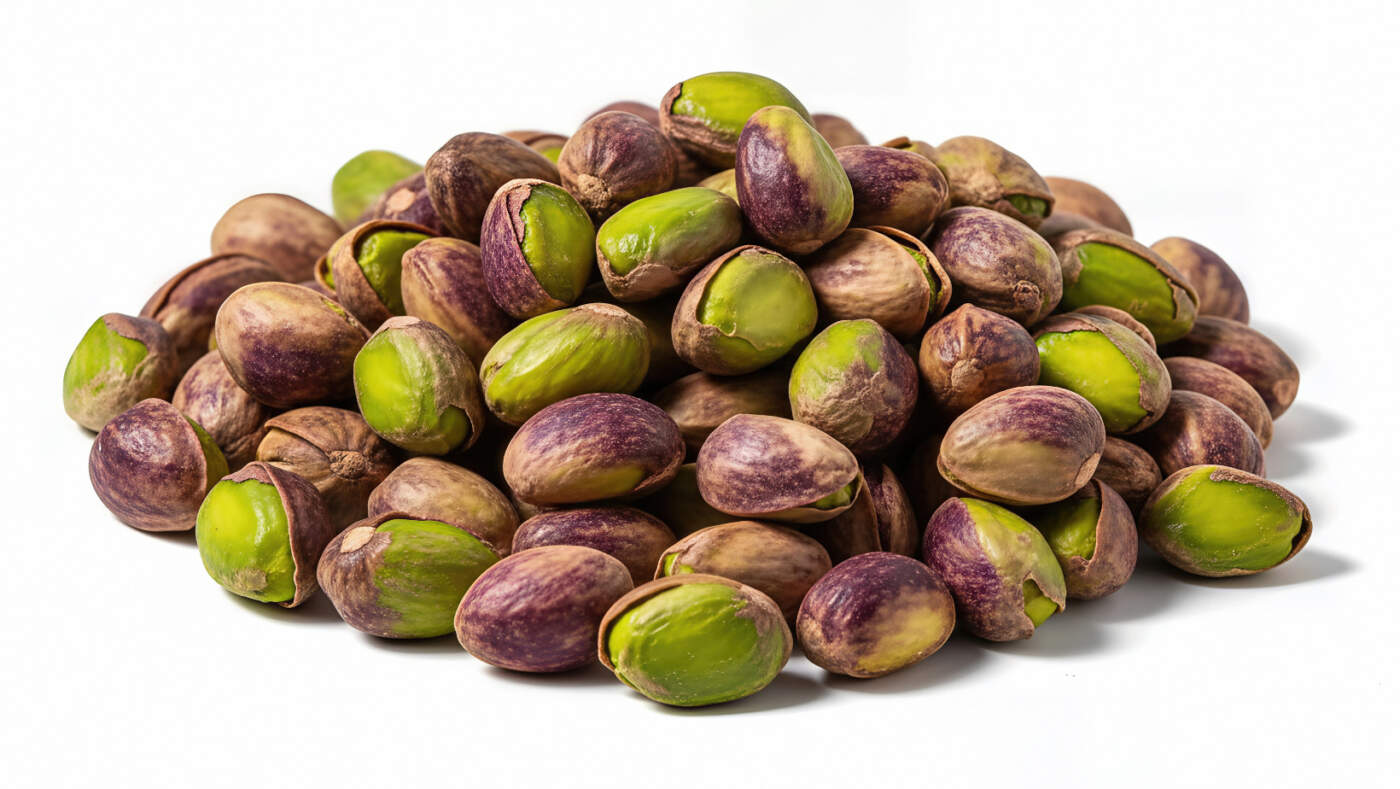

No, pistachios do not cause constipation. Pistachios contain 3 grams of fiber per ounce, which typically prevents constipation rather than causing it. You will experience improved bowel movements when eating moderate amounts. Constipation only occurs when you eat too much without drinking enough water, have a generally low-fiber diet, or possess a sensitive digestive system.
Pistachios pack fiber, healthy fats, and prebiotic compounds that support your gut. Your digestive system processes this fiber to create bulk in your stool. Pista actually keeps bowel moving.
Can Eating Pistachios Cause Constipation
Eating pistachios causes constipation when you overconsume them. The fiber in pistachios usually prevents constipation. Problems arise when you ignore hydration needs or make sudden diet changes. Whether pistachios cause constipation depends entirely on how you consume them.
The 3 grams of fiber per ounce includes both soluble and insoluble types. Insoluble fiber doesn’t dissolve in water. It sweeps through your intestines, adding bulk to stool. Without enough liquid, that fiber sits in your gut and hardens instead of moving smoothly.
Soluble fiber absorbs water and forms a gel. This softens stool and feeds good bacteria in your colon. When you skip water intake, neither fiber type works properly. The same fiber that should help becomes the reason for constipation in dehydrated individuals.
When Pistachios May Cause Constipation
Excess intake without enough water is the top trigger. Eating a full cup of pistachios (about 3 ounces) adds roughly 9 grams of fiber to your daily intake. Your body needs extra water to process this amount. Without it, the fiber clumps together and slows transit time.
A low overall fiber diet creates problems when you suddenly add pistachios. Surviving on white bread, cheese, and meat all week, then dumping high-fiber pistachios into the mix shocks your digestive system.
A sensitive digestive systems affect individual responses. Your gut motility (muscle contractions that push food through) varies based on genetics, stress, and existing conditions. Some people process fiber easily, while others struggle with any sudden increase.
Who Is More Likely to Experience It
If you have IBS-C (irritable bowel syndrome with constipation), adding concentrated fiber without proper preparation worsens symptoms. What helps a healthy person might trigger cramping and discomfort in someone with IBS-C.
Dehydrated individuals include anyone who sweats heavily, lives in hot climates, or forgets to drink water throughout the day. Athletes fall into this category often.
Coffee and tea contain caffeine, which increases urination. If your fluid intake consists mainly of these drinks, you’re operating at a water deficit before eating anything.
Switching from low-fiber processed foods to a nut-heavy diet creates shock waves through your microbiome. Your gut needs several weeks to rebalance populations.
Pistachios and Bowel Movements
Pistachios and bowel movements connect through multiple mechanisms. The fiber, fat, and prebiotic compounds all influence stool formation and transit speed. Most changes trend positively when you eat reasonable portions. Knowing whether pistachios cause constipation requires understanding these digestive processes first.
How Pistachios Affect Stool
Insoluble fiber increases bulk by adding physical mass to your stool. By the time it reaches your colon, you’ve got a larger, softer stool that’s easier to pass without straining.
Healthy fats support stool passage by lubricating the intestinal lining. Pistachios contain about 13 grams of fat per ounce, that coat the surface of the stool and reduces friction as everything moves through your colon.
Fat signals your gallbladder to release bile, which acts as a natural laxative. It stimulates secretions in your intestines and prevents stool from becoming too dry or hard to pass.
Expected Bowel Changes
Improved regularity shows up within a few days of adding pistachios to your routine. Instead of going every three or four days, you might go daily. Bowel movements feel more complete with less straining required to finish.
Softer stools when eaten with fluids occur because the water you drink combines with the fiber. Well-hydrated people eating pistachios create ideal conditions for soft, formed stools that pass easily.
Nuts Causing Constipation: Pistachios vs Other Nuts
Nuts causing constipation: pistachios versus other varieties depend on fiber content and fat ratios. When comparing nuts causing constipation, pistachios rank lower than cashews or macadamias for causing digestive backup.
Why Pistachios Behave Differently
Higher fiber than many nuts gives pistachios an edge over competitors. One ounce of almonds contains 3.5 grams of fiber, slightly more. But cashews only provide 0.9 grams. Macadamia nuts have 2.4 grams. Pecans contain 2.7 grams per ounce.
The 3 grams in pistachios hit a sweet spot for digestive comfort. You can snack on an ounce and see benefits without the bloating that sometimes comes from almond overload.
Natural prebiotic effect sets pistachios apart from many competitors. Prebiotics are compounds that feed beneficial gut bacteria. Pistachios contain specific carbohydrates your body can’t digest, but your bacteria love consuming.
When bacteria ferment these prebiotics, they improve colon health, reduce inflammation, and support regular muscle contractions that move stool along efficiently.
Nuts More Likely to Cause Constipation
Low-fiber, high-fat nuts like macadamias and cashews slow digestion more than they help it. Cashews are particularly tricky for many people. The low fiber count means little bulk is added to stool. The high fat content (13 grams per ounce) slows stomach emptying and intestinal transit significantly.
If you binge on cashews, you often feel backed up the next day. The fat takes hours to digest fully. Without fiber to keep things moving, food sits in your gut longer than ideal for comfortable digestion.
Macadamia nuts contain even more fat (21 grams per ounce) with just 2.4 grams of fiber. The ratio works directly against smooth digestion for most people.
Pistachios’ Side Effects on Digestion

Pistachios’ side effects on digestive issues range from minor annoyances to genuine discomfort. You may wonder if pistachios cause constipation. The digestive system reacts to pistachios in predictable patterns.
Common Digestive Side Effects
Bloating happens when gut bacteria ferment the fiber and prebiotic compounds. This fermentation produces gas as a natural byproduct. Your stomach and intestines expand to accommodate the extra air, creating that full, tight feeling.
The bloating usually peaks a few hours after eating pistachios, then subsides as gas moves through your system naturally. Drinking peppermint tea or walking helps speed up gas elimination and reduce discomfort.
Gas manifests as burping or flatulence throughout the day. You may produce more gas than others based on their bacterial composition and enzyme production. Chewing pistachios thoroughly reduces gas production by making fiber easier to break down.
Less Common Effects
Constipation, despite the fiber content, affects roughly 10% of people who eat pistachios regularly. This usually stems from dehydration or pre-existing slow bowel transit.
If you notice constipation after adding pistachios, try drinking an extra glass of water with each serving.
Loose stools, if overeaten, occur when you exceed your personal fiber tolerance threshold. Eating 4 or 5 ounces in one sitting dumps over 12 grams of fiber into your system. Your colon can’t absorb water fast enough, resulting in mushy or watery stool. This self-corrects once you cut back on portion size.
Pistachios: Constipation or Diarrhea: Why Reactions Differ
Pistachios’ constipation or diarrhea outcomes depend on individual factors that aren’t always predictable in advance. Whether you experience constipation or diarrhea from pistachios depends on your unique biology.
- Portion size impact determines whether you help or hurt your digestion overall. A small handful (about 1 ounce or 49 kernels) supports healthy bowel movements.
- Two or three ounces push you into territory where reactions vary dramatically. You get constipated from insufficient water. Still others develop loose stools from too much fiber hitting their colon simultaneously.
Gut microbiome differences explain why your friend thrives on pistachios while you struggle with discomfort.
- If your gut lacks the right bacteria, pistachios ferment differently and create problems. You might produce more gas or experience slower transit.
- Eating pistachios regularly can shift your microbiome toward beneficial species over several weeks.
Salted vs. unsalted pistachios affect fluid balance differently throughout your body.
- Salt makes your body retain water, which initially seems helpful for preventing constipation. But excess sodium causes bloating and disrupts natural water balance in your intestines.
- Unsalted pistachios let you control sodium intake through other foods in your diet. Most Americans already eat too much salt daily. Adding heavily salted nuts on top of processed foods creates inflammation that affects digestion negatively.
How to Eat Pistachios Without Causing Constipation
No, pistachios do not cause constipation when you eat them correctly. Learning how to avoid constipation from pistachios protects your digestive comfort long-term. Small adjustments make huge differences in how your gut responds to these nutritious nuts.
- Moderate portion size means sticking to 1 to 1.5 ounces per sitting, maximum. This gives you roughly 49 to 73 kernels. Count them out instead of eating directly from the bag to maintain portion control.
- Spreading pistachio consumption throughout the day works better than eating them all at once. Have some with breakfast in yogurt, a few as an afternoon snack, and maybe a sprinkle on your dinner salad.
- Adequate water intake starts before you even eat the pistachios. Drink a glass of water 15 to 30 minutes beforehand to prime your system. Then drink another glass while eating or immediately after finishing.
| A basic formula: divide your weight in pounds by 2, and drink that many ounces of water daily. If you weigh 150 pounds, aim for 75 ounces (about 9 cups) of water throughout the day. |
Pairing with other fiber-rich foods creates a balanced approach to digestive health. Eating pistachios alongside vegetables (spinach), fruits (apple), and whole grains builds a diverse fiber profile.
Avoid sudden overconsumption even if you absolutely love pistachios. Start with half an ounce if you’ve never eaten them regularly before. After a week with no problems, increase to a full ounce. Wait another week, then try 1.5 ounces if desired.
When to Stop Eating Pistachios or See a Doctor
Pistachios rarely cause constipation severe enough to require medical attention. Rarely, but certain warning signs shouldn’t be ignored.
- Persistent constipation despite hydration lasting more than three days needs investigation from a healthcare provider.
- Other medications, stress, hormonal changes, or underlying conditions like hypothyroidism cause constipation too.
- Abdominal pain or bloating that worsens instead of improving suggests an intolerance or allergy developing.
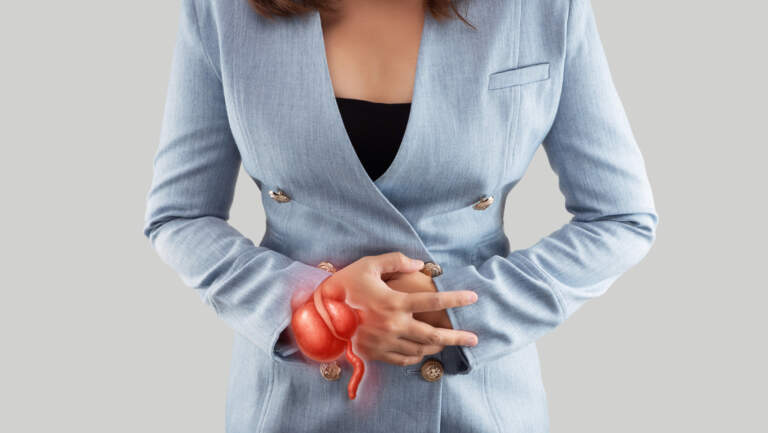
- Pain that’s sharp, localized to one spot, or accompanied by fever requires immediate medical care. This could indicate appendicitis, bowel obstruction, or infection rather than simple constipation from dietary choices.
- Known nut sensitivity or IBS flare means pistachios might not work for your particular body chemistry. Some people with IBS react badly to FODMAPs (pistachios are moderate FODMAP foods).
- If you’ve previously reacted poorly to almonds or walnuts, pistachios might cause similar digestive problems.
Consider working with a registered dietitian who specializes in digestive issues to identify specific triggers.
FAQs on Pistachios and Constipation
Do pistachios usually cause constipation?
No. Pistachios contain 3 grams of fiber per ounce, which typically promotes bowel movements rather than blocking them. Most people digest them easily when paired with adequate water intake throughout the day.
Can pistachios make constipation worse?
Yes, if you’re already constipated and dehydrated. The fiber absorbs available water in your gut, potentially hardening existing stool further. Drink extra fluids before eating pistachios if you’re already backed up.
Are pistachios good for digestion?
Yes. The fiber supports beneficial gut bacteria growth, adds stool bulk, and speeds transit time through your intestines. The healthy fats lubricate your intestinal tract. Moderate daily intake improves overall digestive health.
Can pistachios cause diarrhea instead?
Yes, when you eat too many at once. More than 3 ounces within a few hours overloads your colon with fiber. Your intestines can’t absorb water fast enough, resulting in loose or watery stools.
How many pistachios are safe for digestion?
One to two ounces daily (49 to 98 kernels) works well for most adults. This provides 3 to 6 grams of fiber without overwhelming your digestive system. Start with less if you’re new to eating nuts.
Do salted pistachios affect digestion differently?
Slightly. The sodium causes temporary water retention and bloating in salt-sensitive individuals. Excessive salt intake disrupts fluid balance in your intestines. Unsalted versions avoid this issue but taste less appealing to some people.
Are pistachios better than other nuts for constipation?
They rank similarly to almonds but beat cashews and macadamias for preventing constipation. The 3-gram fiber content per ounce plus prebiotic compounds make pistachios effective. Personal tolerance varies, so experiment cautiously.
Should I stop eating pistachios if constipated?
Not immediately. First, increase your water intake significantly and reduce pistachio portions by half. If constipation persists after 48 hours despite these changes, switch to other fiber sources temporarily.
Can pistachios help with chronic constipation?
Sometimes. Regular intake improves bowel frequency for people with mild chronic constipation. Severe cases often need medical treatment, fiber supplements, or prescription medications. Pistachios alone won’t fix serious motility disorders.
When should I worry about constipation after eating pistachios?
Seek medical advice if you go more than three days without a bowel movement, experience severe abdominal pain, notice blood in your stool, or have unexplained weight loss. These symptoms indicate problems beyond pistachio consumption.






Leave a Comment