


Diabetes is a condition where blood sugar stays too high because the body can’t use insulin properly. Over 537 million adults worldwide live with it. Type 2 accounts for 90% of cases and develops slowly, often without obvious symptoms for years.
What Are 10 Warning Signs of Diabetes?
You may have type 2 diabetes for years with zero symptoms. Regular blood sugar testing catches it early.
- Urinating more often than usual, especially at night
- Extreme thirst that doesn’t go away
- Blurry vision
- Cuts or wounds healing slowly
- Tingling or numbness in hands and feet
- Constant tiredness despite enough sleep
- Unexplained weight loss
- Recurring skin or gum infections
- Dark patches of skin around the neck or armpits (called acanthosis nigricans)
- Feeling hungry even after eating
What Is Normal Blood Sugar by Age?
For adults, a fasting reading above 126 mg/dL on two separate tests confirms diabetes. Between 100 and 125 mg/dL means prediabetes.
| Age Group | Fasting Blood Sugar (Normal) |
| Children (under 6) | 80 to 200 mg/dL |
| Children (6 to 12) | 80 to 180 mg/dL |
| Teens (13 to 19) | 70 to 150 mg/dL |
| Adults (20 and above) | 70 to 100 mg/dL |
| Older Adults (60+) | 100 to 140 mg/dL (slightly higher range accepted) |
What Fruits Should Diabetics Avoid?
Avoid fruits with a high glycemic index. These spike blood sugar fast.
- Watermelon (glycemic index of 72)
- Overripe bananas
- Pineapple
- Dates and dried fruits (very concentrated sugar)
- Canned fruit in syrup
Fresh whole fruit with fiber is always safer than juice. A glass of orange juice raises blood sugar faster than eating two whole oranges because juicing removes the fiber that slows sugar absorption.
What Foods Should Diabetics Avoid?
The foods that raise blood sugar most aggressively:
- White bread, white rice, and refined pasta
- Sugary drinks including soda, sports drinks, and sweet tea
- Packaged breakfast cereals with added sugar
- Flavored yogurt (often contains as much sugar as dessert)
- Fried foods and fast food
- Alcohol, especially beer and sweet cocktails
- Full-fat dairy in large amounts
Ultra-processed foods deserve particular attention. A 2023 study in Nature Medicine found that each 10% increase in ultra-processed food intake raised type 2 diabetes risk by 17%.
Is Type 2 Diabetes Your Own Fault?
No. Type 2 diabetes has strong genetic components. Having a first-degree relative with type 2 diabetes raises personal risk by 40%. Ethnicity also affects risk significantly. South Asian, African, and Hispanic populations develop type 2 diabetes at lower BMIs than white populations due to genetic differences in fat distribution and insulin sensitivity.
How to Test for Diabetes at Home?
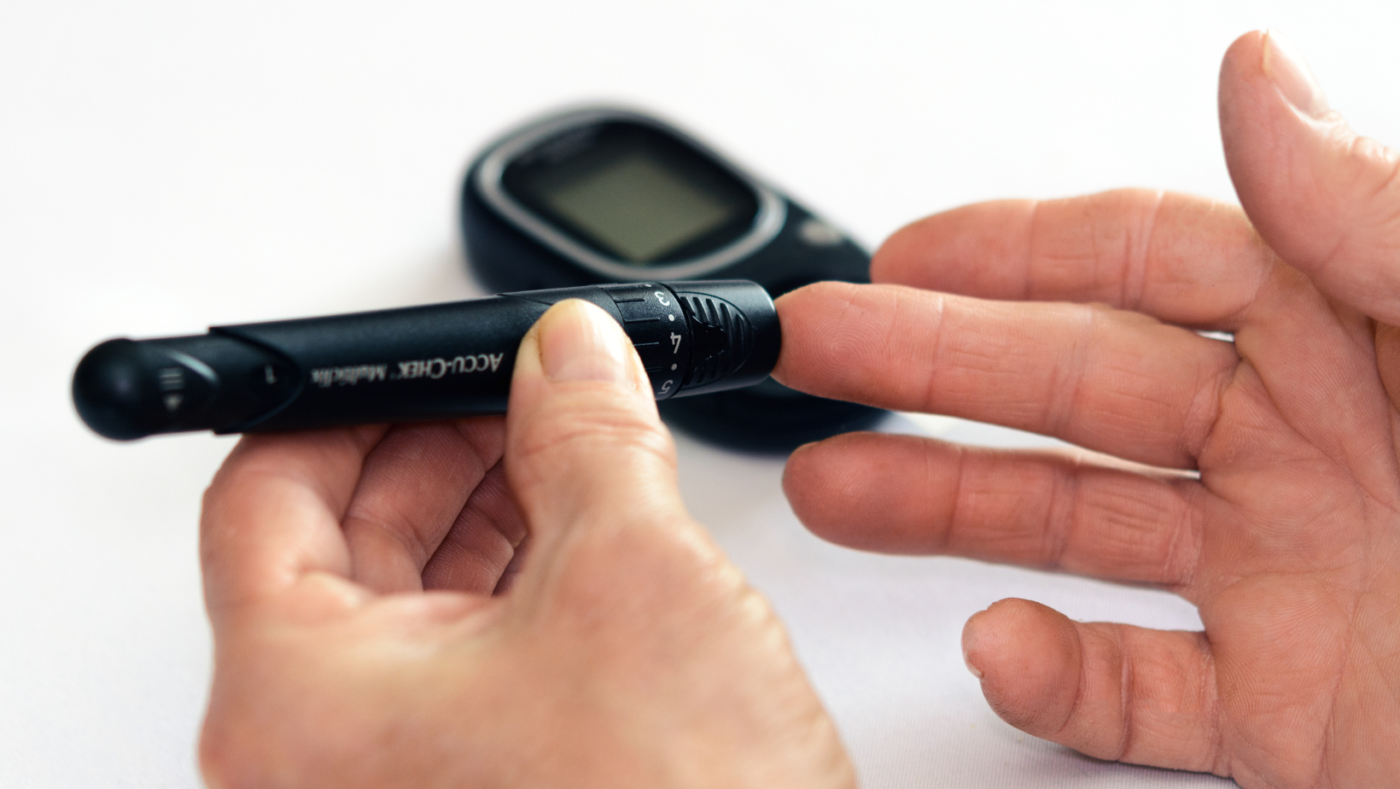
Home glucometers (blood glucose monitors) test fasting blood sugar accurately. Prick the fingertip, place blood on a test strip, and the device reads results in seconds.
For ongoing tracking, an HbA1c home test kit (available at pharmacies) measures average blood sugar over 3 months. This is the same test doctors use.
Fasting blood sugar above 126 mg/dL or HbA1c above 6.5% warrants a doctor visit to confirm the result.
What Are the 5 Best Foods for Diabetics?
- Leafy greens (spinach, kale): Extremely low in carbs, high in magnesium, which improves insulin sensitivity
- Eggs: Raise blood sugar minimally and increase satiety for hours
- Fatty fish (salmon, mackerel): Omega-3s reduce inflammation linked to insulin resistance
- Lentils and beans: High fiber slows glucose absorption significantly
- Avocado: Healthy fats slow digestion and blunt blood sugar spikes after meals
Which Fruit Is Best for Diabetes?
Berries rank highest for diabetics. Blueberries, strawberries, and raspberries have low glycemic indexes (between 25 and 40), high fiber content, and contain anthocyanins that improve insulin sensitivity.
Cherries (glycemic index 22) and apples with skin are also strong options. The skin on apples contains quercetin, which slows carbohydrate digestion in the gut.
Eat whole fruit. Avoid juice entirely.
How to Self-Treat Diabetes?
Self-management for type 2 diabetes centers on four actions:
- Monitor blood sugar regularly to understand how meals and activity affect your levels
- Follow a low-glycemic diet that limits refined carbohydrates
- Exercise daily: 30 minutes of brisk walking after meals reduces post-meal blood sugar by 20 to 30%
- Sleep 7 to 8 hours: One week of sleep deprivation raises insulin resistance to near-prediabetic levels
Self-treatment supports medical care. It doesn’t replace it for people already on medication.
What Is the Best Breakfast for a Diabetic?
The best diabetic breakfast combines protein, fat, and low-glycemic carbs. This slows glucose absorption and prevents the morning blood sugar spike that many diabetics experience.
Practical options:
- Two eggs with spinach and avocado
- Greek yogurt (plain, unsweetened) with berries and walnuts
- Oatmeal (steel-cut, not instant) with chia seeds and no added sugar
Avoid all sugary cereals, white toast, pastries, and flavored coffees in the morning.
What Reduces Diabetes Quickly Naturally?
Apple cider vinegar (1 to 2 tablespoons in water before a meal) reduces post-meal blood sugar by slowing stomach emptying. Multiple small studies confirm this effect.
Cinnamon at 1 to 6 grams daily improves insulin sensitivity. A 2020 review in the Journal of the Academy of Nutrition and Dietetics confirmed consistent blood sugar reduction across trials.
Exercise produces the fastest natural reduction. A 20-minute walk after eating reduces blood sugar spikes by up to 30%.
What Is the 3-Hour Rule in Diabetes?
The 3-hour rule refers to waiting 3 hours between meals to allow blood sugar to return to baseline before eating again. Continuous snacking keeps insulin constantly elevated, which worsens insulin resistance over time.
This approach aligns with intermittent fasting research. Giving the body clear fasting windows between meals improves insulin sensitivity and reduces HbA1c in type 2 diabetics, according to a 2020 study in Cell Metabolism.
How to Control Diabetes Without Medicine?
Lifestyle changes alone produce remission in early type 2 diabetes. The DiRECT trial (published in The Lancet) showed that 46% of type 2 diabetics achieved full remission after one year through intensive dietary change and weight loss, with no medication.
The key actions: lose 5 to 10% of body weight, eliminate refined carbs, exercise daily, and sleep consistently. This works best when applied early, before the condition becomes advanced.
What Is the Safest Diabetes Treatment?
Metformin remains the safest and most widely prescribed first-line medication for type 2 diabetes. It lowers blood sugar by reducing glucose production in the liver. It doesn’t cause weight gain or dangerous blood sugar drops (hypoglycemia) on its own.
Metformin has been used safely for over 60 years with a well-understood safety profile and very low long-term risk compared to all other diabetes medications.
What Is the Newest Treatment for Diabetes?
GLP-1 receptor agonists are the biggest shift in diabetes treatment in decades. Semaglutide (brand names Ozempic and Wegovy) reduces blood sugar, promotes significant weight loss, and lowers cardiovascular risk simultaneously.
The SUSTAIN trial confirmed that semaglutide reduced major cardiovascular events by 26% in type 2 diabetics. It’s now prescribed for weight management even in non-diabetics.
SGLT2 inhibitors (like empagliflozin) are another major advance. They remove excess glucose through urine and protect the kidneys and heart.
What Is the Permanent Treatment for Diabetes?
Type 1 diabetes has no permanent cure yet, but pancreatic islet cell transplantation offers long-term insulin independence for some patients. In June 2023, the FDA approved the first cellular therapy for type 1 diabetes called Lantidra, made from donor islet cells.
For type 2 diabetes, bariatric surgery (specifically gastric bypass) produces full remission in 50 to 80% of patients by changing gut hormone activity and dramatically improving insulin sensitivity. For people with a BMI above 35, it outperforms any medication available.










Leave a Comment