

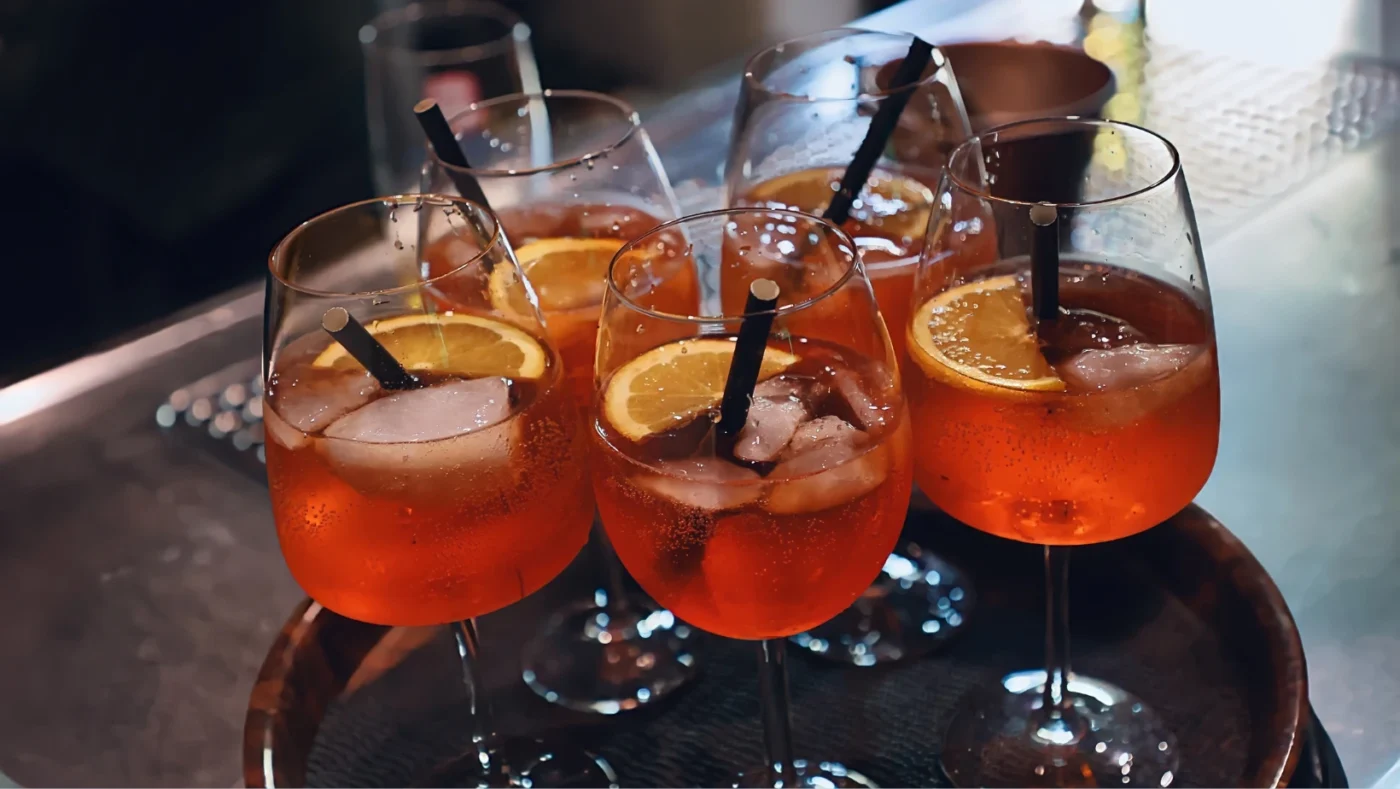

Diarrhea after drinking alcohol is predictable, manageable, and mostly preventable. The gut responds to alcohol by speeding up, becoming inflamed, and stopping from absorbing water properly. You should slow the alcohol intake, replace the fluids, and give the gut time to settle.
For people who experience symptoms regularly, even with moderate drinking, that pattern points toward an underlying gut condition worth investigating properly.
Why Does Alcohol Cause Diarrhea
Alcohol causes diarrhea through four mechanisms working together to explain it.
Increased Gut Motility
Alcohol speeds up the muscular contractions that push food through the intestines. Normally, food takes 24–72 hours to move through the digestive system. Your colon doesn’t get enough time to absorb water from the stool. The result is loose, watery stools.
This is a dose-dependent effect. Two drinks speed motility slightly. Six drinks push it into overdrive.
Intestinal Lining Irritation
Alcohol is a direct irritant to the stomach and intestinal lining. Fluid leaks into the gut, increasing stool water content. Inflammation in the stomach lining (gastritis) develops quickly with heavy drinking. This explains why diarrhea after drinking alcohol often comes with cramping. The intestinal wall is inflamed and in spasm.
Impaired Water Absorption
The large intestine normally reabsorbs water from stool before it exits. Alcohol disrupts this process by interfering with the gut’s water transport channels. Water stays in the colon instead of being absorbed. Stools come out watery even if you drank enough fluids during the night.
Effect on Gut Microbiome
A single heavy drinking session measurably shifts gut bacteria composition. Alcohol decreases protective Lactobacillus species within 24 hours of consumption. This short-term imbalance further disrupts gut motility and increases gut wall inflammation.
Chronic drinkers show more severe and persistent microbiome damage, which is why diarrhea after drinking alcohol tends to get worse over time with regular heavy drinking.
How Alcohol Affects Your Diarrhea
How alcohol affects your diarrhea depends heavily on what you drink, how much, and your baseline gut health.
Type of Alcohol Matters
Not all drinks are equal when it comes to gut impact:
- Beer: worst for gut symptoms. Contains fructans (fermentable carbs from barley) on top of alcohol. Fructans cause gas and loose stools independently. Beer also contains gluten, which triggers diarrhea in people with celiac disease or gluten sensitivity.
- Wine: contains sulfites used as preservatives. Some people react to sulfites with gut inflammation and loose stools. Red wine has tannins that can additionally irritate the gut lining.
- Spirits: higher alcohol concentration per sip. Spirits mixed with sugary sodas or juices add fructose, another gut irritant that speeds transit.
Quantity Consumed
One standard drink (14g of pure alcohol) affects gut motility mildly. Four or more drinks in one evening produces measurable diarrhea in healthy adults. Heavy drinking (8+ drinks) causes severe gut irritation and sometimes bloody stools in people with existing gut inflammation.
Individual Sensitivity
- IBS patients: the gut is already hypersensitive. Even 2 drinks can trigger diarrhea after drinking alcohol in IBS-D patients.
- Lactose-intolerant people: some beers contain lactose (especially milk stouts and cream ales). Drinking these without knowing causes diarrhea that looks alcohol-related but is actually lactose-driven.
- People with gastritis: an already-inflamed stomach lining reacts much faster to alcohol’s irritant effects.
Who Is More Likely to Get Diarrhea After Drinking Alcohol
You may consistently get gut symptoms from alcohol. Others drink regularly, and rarely do. The difference usually comes down to:
- IBS patients: gut hypersensitivity makes even moderate drinking a reliable trigger
- Chronic alcohol users: long-term drinking damages the intestinal lining permanently; gut symptoms become persistent rather than episodic
- People with gastritis or ulcers: alcohol inflames an already-damaged stomach lining faster and more severely
- People who drink on an empty stomach: without food to slow alcohol absorption, the gut absorbs it all at once, intensifying every effect
How to Stop Diarrhea After Drinking Alcohol

How to stop diarrhea after drinking alcohol depends on whether it’s still happening or already resolved.
Immediate Steps
- Electrolyte hydration: drink an oral rehydration solution (ORS), not just plain water. Alcohol and diarrhea together cause sodium and potassium loss. One ORS sachet per liter of water is the correct approach.
- Stop drinking: continuing to drink keeps the gut in an irritated, fast-motility state.
- Bland foods: white rice, plain toast, bananas. These are low-irritant, have slow gut transit, and give the intestinal lining something easy to process.
Short-Term Medication
Loperamide (Imodium) slows gut contractions and reduces stool water content. The standard adult dose is 4mg initially, then 2mg after each loose stool, with a maximum of 16 mg in 24 hours. Only use it when there’s no blood in the stool and no fever. Blood or fever means a possible infection, and loperamide in that situation can trap toxins in the gut.
Home Remedy for Alcohol-Induced Diarrhea
Home remedies for alcohol-induced diarrhea are options that actually work:
- Oral rehydration solution: the most important one. Mix 1 liter of water, 6 teaspoons of sugar, and ½ teaspoon of salt. This WHO formula restores fluid balance faster than any sports drink because it uses the sodium-glucose co-transport mechanism for absorption.
- Bananas: high in potassium (which diarrhea depletes) and pectin, a soluble fiber that slows gut transit and firms up stools.
- White rice: absorbs excess water in the gut and provides easy-to-digest starch without irritating the intestinal lining.
- Ginger tea: Ginger reduces gut inflammation and calms intestinal spasms. Steep 1 teaspoon of fresh grated ginger in hot water for 10 minutes. Effective for cramping specifically.
- Avoid caffeine: Drinking coffee the morning after heavy drinking doubles the gut irritation and worsens diarrhea after drinking alcohol.
Preventing Diarrhea From Alcohol
Preventing diarrhea from alcohol is more practical than treating it after the fact.
Eat before drinking: A meal with protein and fat slows alcohol absorption significantly. Drinking on an empty stomach delivers alcohol to the gut faster and at a higher concentration.
Limit intake: Staying under 2 standard drinks per sitting keeps gut motility effects mild in most people. Going above 4 drinks crosses the threshold where diarrhea becomes common.
Avoid mixing alcohol types: beer followed by spirits followed by wine is harder on the gut because mixing usually means drinking more total alcohol over a longer period. The gut irritation accumulates.
Stay hydrated throughout: one glass of water per alcoholic drink slows consumption, reduces total alcohol intake, and partially offsets alcohol’s dehydrating effect on the intestinal lining.
Avoid sugary mixers: sodas, juice, and energy drinks used as mixers add fructose. Vodka with orange juice hits the gut harder than vodka with water, because of the fructose in the juice.
When to See a Doctor
Most cases of diarrhea after drinking alcohol resolve within 24 hours. See a doctor when:
- Diarrhea continues beyond 48 hours after stopping alcohol
- Blood appears in stool
- Severe abdominal pain: not cramping, but acute pain
- Signs of dehydration appear: no urination for 8+ hours, rapid heartbeat, confusion
- This happens consistently after even small amounts of alcohol
Consistent alcohol-related gut symptoms after moderate drinking point to an underlying gut condition, such as IBS, Crohn’s disease, microscopic colitis, or celiac disease, that needs investigation.
FAQs on Diarrhea After Drinking Alcohol
Is diarrhea after drinking alcohol normal?
Yes. Alcohol speeds gut motility, irritates the intestinal lining, and reduces water absorption in the colon simultaneously. Diarrhea after drinking alcohol happens to an estimated 30–40% of people who drink heavily. It’s a predictable physiological response, not a disease.
Can one drink cause diarrhea?
Yes, in people with IBS, celiac disease, or gut hypersensitivity. In healthy adults without gut conditions, one standard drink doesn’t cause diarrhea. Symptoms in healthy people typically start at 3–4 drinks consumed within 2–3 hours.
Why does beer cause diarrhea more often?
Beer contains fructans from barley and sometimes lactose. These fermentable carbs cause gut symptoms independently of the alcohol. A person who gets diarrhea after drinking alcohol only with beer, not wine or spirits, likely has fructan sensitivity or undiagnosed gluten sensitivity.
Can alcohol worsen IBS diarrhea?
Yes. Alcohol lowers the IBS gut’s already-low symptom threshold. IBS-D patients have significantly worse symptoms after even 1–2 drinks. Diarrhea after drinking alcohol in IBS patients comes faster and lasts longer than in non-IBS drinkers.
Does alcohol damage the gut lining?
Yes. Even moderate drinking increases intestinal permeability (leaky gut). Heavy, regular drinking causes measurable inflammation and erosion of the intestinal lining. Chronic drinkers who seek treatment often show microscopic damage to intestinal villi.
How long does alcohol-related diarrhea last?
Diarrhea after drinking alcohol from a single heavy session lasts 12–24 hours in most people. If symptoms persist beyond 48 hours after stopping alcohol, another cause, such as infection, food poisoning, or an underlying gut condition, should be considered.
Can alcohol dehydration make it worse?
Yes. Alcohol is a diuretic, increasing urine output and reducing body fluid levels. Combined with fluid loss from diarrhea, dehydration worsens quickly. Dehydration then causes the colon to behave erratically, alternating between rapid transit and spasms.
Should I take anti-diarrheal medicine?
Yes, if there’s no blood in the stool and no fever. Loperamide 4mg as a starting dose works well. Don’t use it if a fever is present, which signals a possible infection where slowing gut transit traps toxins. Diarrhea after drinking alcohol without fever or blood is safe to treat with loperamide.
Can chronic drinking cause persistent diarrhea?
Yes. Chronic heavy alcohol use causes permanent changes to the intestinal lining, gut microbiome, and pancreatic function. Alcohol-related pancreatitis specifically causes chronic diarrhea from fat malabsorption. This type of diarrhea after drinking alcohol doesn’t fully resolve without stopping drinking.
When is alcohol-related diarrhea dangerous?
When diarrhea comes with blood in stool, fever above 38.5°C, or severe abdominal pain. Also, dehydration is dangerous when signs appear, such as rapid heartbeat, no urination for 8+ hours, or confusion. Any diarrhea after drinking alcohol that persists for more than 48 hours after stopping alcohol needs medical evaluation.

Leave a Comment