

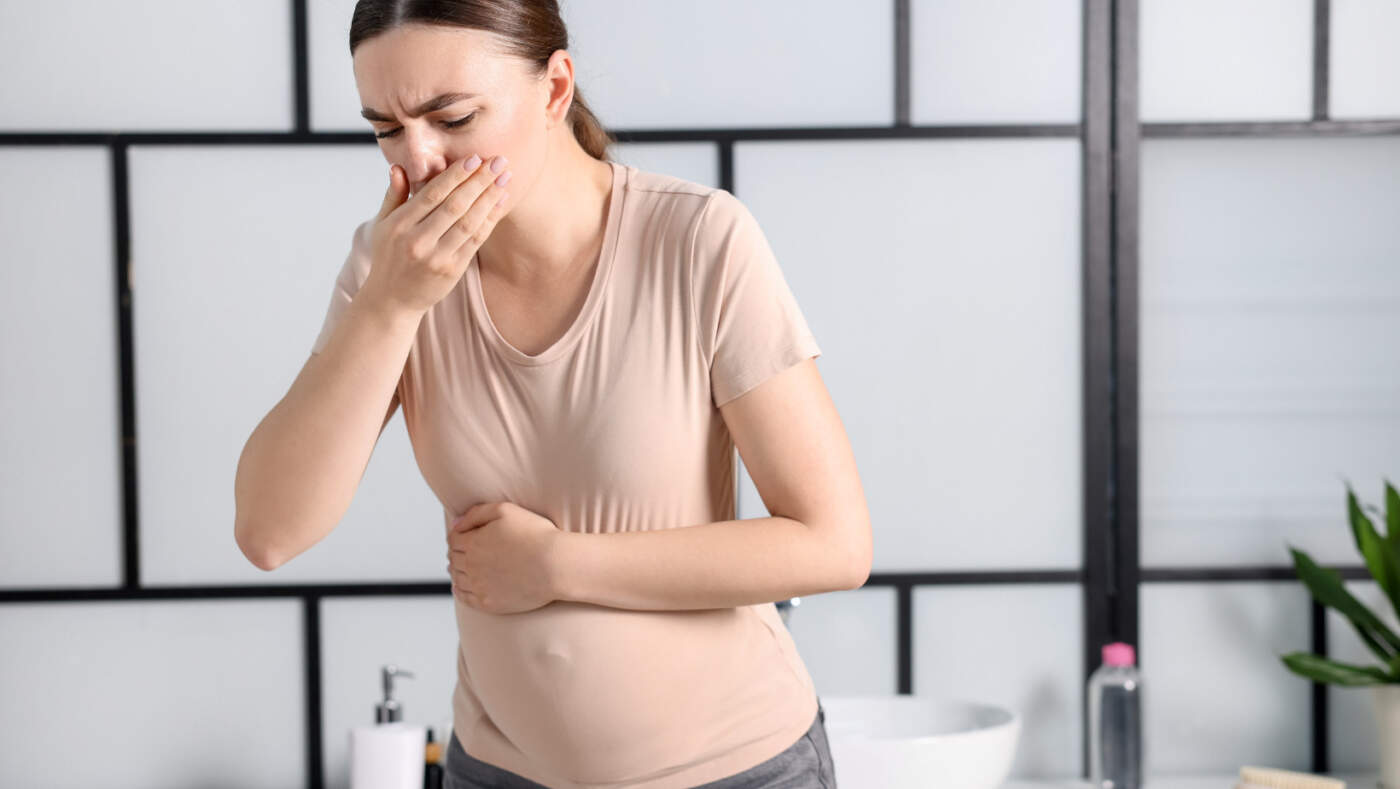

Diarrhea can be an early sign of pregnancy. But loose stools happen for dozens of reasons, like a bad meal, stress, or a stomach bug. Diarrhea in early pregnancy is real but unpredictable. It’s tied to hormonal shifts, dietary changes, and stress, all of which hit simultaneously in the first trimester.
If symptoms are mild and resolve within two days, the body is usually handling it. If they persist, get checked. Early pregnancy is not the time to wait and see when something feels genuinely wrong.
Early Pregnancy Symptoms
Most Common Early Signs
The earliest signs of pregnancy are mostly hormonal. They show up before a missed period in some women or only become obvious weeks later. The most frequently reported ones:
- Missed period: the most consistent sign
- Nausea or vomiting: often called morning sickness, though it hits at any hour
- Breast tenderness: even a light touch can feel uncomfortable
- Fatigue: the kind that doesn’t go away with sleep
These four show up in the major signs of pregnancy. They’re driven by rising hCG and progesterone levels.
Less Common Digestive Changes
The gut gets disrupted early in pregnancy. Some women experience:
- Constipation: more common than diarrhea, actually
- Bloating: clothes feel tighter even before visible belly growth
- Occasional loose stools: not chronic diarrhea, just unpredictable bowel behavior
Digestive symptoms in pregnancy are inconsistent. One week brings constipation, the next brings bloating. Some women skip these entirely.
What Causes Diarrhea in Early Pregnancy

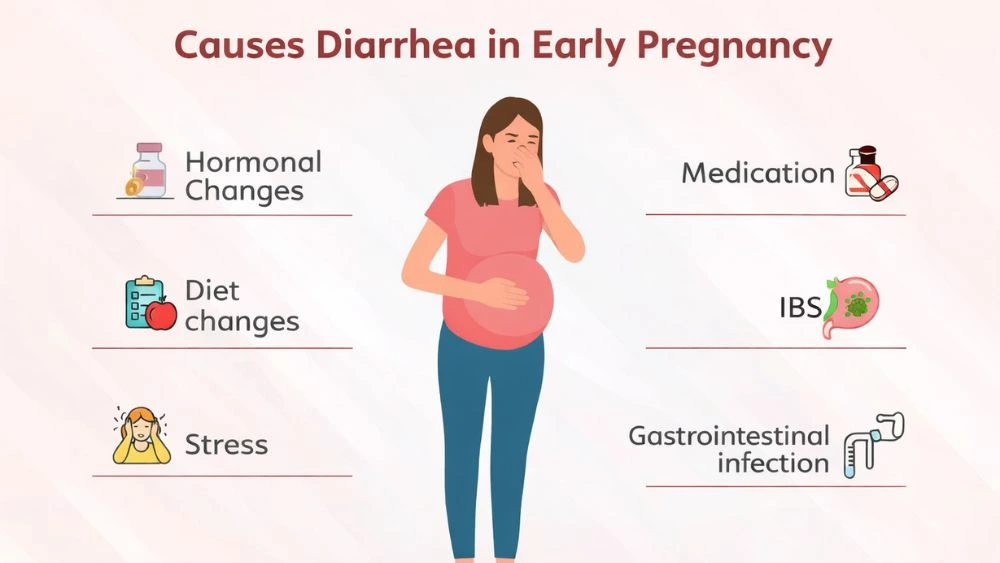
Hormonal Changes
Progesterone is the main driver of gut changes in early pregnancy. It relaxes smooth muscle tissue, including the intestinal walls, to protect the uterus. This slows digestion in most women, causing constipation. But in some, the hormonal shift tips the other way. The gut becomes hyperreactive instead of sluggish. That’s when loose stools appear.
hCG (human chorionic gonadotropin) also spikes sharply in the first trimester. High hCG is linked to nausea and GI sensitivity, though the mechanism isn’t fully mapped.
Diet and Prenatal Vitamins
Most women change their diet the moment they find out they’re pregnant. More vegetables, less junk food, and more fiber. A sudden increase in fiber intake, especially from raw vegetables or fruits, causes loose stools. The gut isn’t used to processing that much roughage quickly.
Prenatal vitamins add another variable. Iron supplements, specifically, are a common trigger. Iron is harsh on the gut lining. Some formulations cause diarrhea; others cause the opposite. If loose stools started around the time a prenatal vitamin was introduced, that’s worth noting.
Stress and Anxiety
The gut-brain axis is a communication pathway between the central nervous system and the enteric nervous system (the gut’s own nerve network). Stress triggers measurable changes in gut motility: how fast or slow food moves through the intestines.
Early pregnancy is stressful for many women. Fear, uncertainty, and physical discomfort all activate stress hormones. Those hormones talk directly to the gut. The result is cramping, urgency, and loose stools that have nothing to do with what was eaten.
Is Diarrhea an Early Sign of Pregnancy?
Yes, diarrhea is an early sign of pregnancy, but only in the way that almost any GI symptom is. It’s non-specific.
How Early Pregnancy Affects Digestion
Progesterone drops gut motility for most women, making constipation the dominant digestive complaint. But a subset of women experience the opposite. Increased gut sensitivity in early pregnancy means the digestive system overreacts to food, stress, or hormonal fluctuation. The result is diarrhea that appears before a missed period in some cases, usually mild and short-lived.
Why It Is Not a Reliable Pregnancy Indicator
Diarrhea is also caused by food poisoning, IBS flares, anxiety, lactose intolerance, and viral gastroenteritis. None of those requires pregnancy.
Women who track their cycles and notice loose stools alongside breast tenderness and fatigue in the luteal phase have more reason to suspect pregnancy. Women who just ate questionable street food probably don’t.
Diagnosis for Diarrhea During Pregnancy
Doctors don’t diagnose “pregnancy diarrhea” as a standalone condition. Instead, they evaluate:
- Symptom duration: Diarrhea lasting less than 48 hours is usually self-limiting. Beyond that, the investigation starts.
- Hydration status: Pregnancy increases fluid demands. Even mild dehydration becomes a concern faster than in non-pregnant women.
- Stool characteristics: Watery stools with no blood suggest a viral or hormonal cause. Blood, mucus, or dark coloring points to infection or something more serious.
- Pregnancy confirmation: If a period is late and diarrhea is present, a home pregnancy test is step one. Diagnosis for diarrhea during pregnancy starts with confirming the pregnancy itself.
- Fever: Any fever above 38°C (100.4°F) with diarrhea in a pregnant woman requires medical evaluation. Infections like Listeria and Salmonella carry real fetal risk.
The doctor may order a stool culture, CBC, or electrolyte panel depending on severity and duration.
Treatment for Diarrhea During Pregnancy
Safe Initial Management
For mild, short-duration diarrhea in early pregnancy, the approach is straightforward:
- Water and electrolyte replacement: plain water isn’t enough if diarrhea has been going on for hours. Sodium, potassium, and glucose are lost with fluid.
- Oral rehydration solutions (ORS): WHO-standard ORS sachets are safe in pregnancy and restore electrolyte balance faster than sports drinks.
- Bland diet: white rice, boiled potatoes, plain crackers, and bananas. These are easy on the gut and slow stool transit without medication.
Avoid dairy during active diarrhea. Lactose becomes harder to digest when the gut is inflamed. Avoid high-fiber foods temporarily: they speed transit.
When Medication Is Considered
Treatment for diarrhea during pregnancy almost never starts with medication. Most cases resolve in 24–48 hours with hydration and diet adjustment alone.
When medication is considered, usually only after 48 hours or if dehydration is worsening, a doctor makes that call. Loperamide (Imodium) is sometimes used in the second and third trimesters under supervision, but its safety in the first trimester is uncertain. Self-medication during pregnancy carries real risk.
Antibiotics are only prescribed if a bacterial infection is confirmed. Random antibiotic use disrupts gut flora and can worsen diarrhea.
When to See a Doctor
Go to a doctor if:
- Diarrhea lasts more than 48 hours
- Signs of dehydration appear: dry mouth, dark urine, dizziness, rapid heartbeat
- Fever is present: anything above 38°C
- Blood or mucus appears in the stool
- Severe abdominal cramping accompanies the diarrhea
- You’re in the first trimester and can’t keep fluids down
In early pregnancy, dehydration reduces blood volume, which affects placental circulation. If fluids can’t stay down for more than a few hours, that’s a hospital-level situation.
FAQs on Diarrhea and Pregnancy
Is diarrhea a common early pregnancy symptom?
No. Constipation is far more common. Only about 34% of pregnant women report loose stools in the first trimester, compared to over 50% who report constipation. Diarrhea can be a sign of pregnancy, but it’s not the norm.
Can diarrhea happen before a missed period?
Yes. Progesterone rises immediately after implantation, roughly 6–10 days post-conception. Some women notice GI changes, including loose stools, before their period is even due. But infection or diet changes are statistically more likely causes.
Is diarrhea more common than constipation in pregnancy?
No. Constipation affects more pregnant women. Progesterone slows bowel movements in most cases. Diarrhea is the minority response.
Can hormonal changes cause diarrhea?
Yes. Rising progesterone and hCG both alter gut motility. In some women, the gut responds with increased sensitivity rather than slowing down, producing loose stools.
Should I take a pregnancy test if I have diarrhea?
Only if you also have a late period or other pregnancy symptoms. Diarrhea alone is not a reason to test.
Can prenatal vitamins cause diarrhea?
Yes. Iron supplements specifically irritate the gut lining and alter stool consistency. Switching to a lower-iron formula or taking the vitamin with food reduces this. Some women do better on gummy prenatals.
Is diarrhea dangerous during early pregnancy?
Mild, brief diarrhea is not dangerous. Prolonged diarrhea causing dehydration is a concern because it reduces blood volume and can trigger uterine contractions in severe cases. Stay hydrated aggressively.
Can stress in early pregnancy cause diarrhea?
Yes. The gut-brain axis responds to cortisol and adrenaline by speeding up bowel transit. Anxiety about pregnancy itself is enough to trigger loose stools.
Does implantation cause diarrhea?
No confirmed mechanism for implantation directly causes diarrhea. The hormonal surge that follows implantation, specifically progesterone, sometimes affects the gut, but the implantation event itself does not.
When should pregnant women worry about diarrhea?
Worry starts at the 48-hour mark, or sooner if fever, blood in stool, or signs of dehydration appear. Diarrhea needs urgent care only when it’s severe or prolonged. Brief, mild episodes don’t need medical attention.









Leave a Comment