

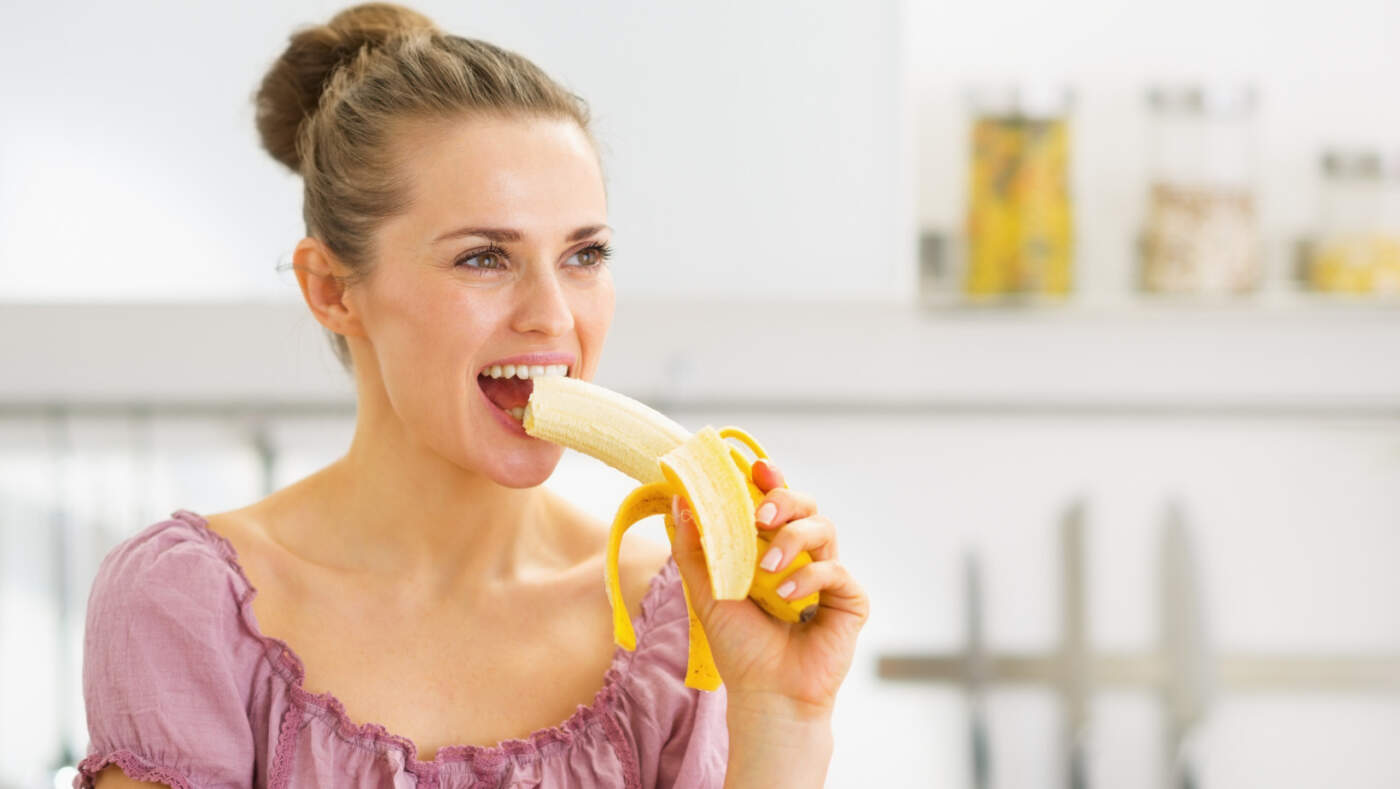

What to eat when you have diarrhea depends on your gut’s ability to tolerate food. Start with clear liquids, then add bland, low-fiber options like white rice, bananas, and plain toast. You may recover in 2-3 days with proper hydration and bland foods.
Diarrhea strips your body of water and electrolytes faster than you realize. The standard advice about chicken soup and crackers works, but there’s more to it than that.
This guide covers which foods to eat when you have diarrhea for faster healing, a practical diarrhea meal plan, the 10 worst foods for diarrhea, proven treatments for diarrhea, and how long to follow diarrhea diet rules before returning to normal eating.
Foods to Eat When You Have Diarrhea for Faster Recovery

Your digestive system needs gentle rehab. Foods to eat when you have diarrhea should calm your gut, replace lost nutrients, and be easy to digest.
Low-Fiber Binding Foods
Fiber typically helps your digestive system. Soluble fiber can help, but insoluble fiber makes everything worse.
Refined grains absorb excess water in your intestines. White bread, white pasta, and cream of wheat settle better than their whole-grain versions. Skip the brown rice and save it for when you’re healthy. Plain crackers like saltines give you quick energy without stressing your gut.
Gentle Protein Sources
Protein repairs tissue damage in your intestinal lining. You need it, but choose carefully.
Boiled eggs provide complete protein without excess fat. The yolk stays gentler than you’d expect; just cook it thoroughly. Scrambled works too, but skip the butter.
Skinless chicken delivers lean protein your body can process easily. Boil or bake it plain. No seasoning beyond a tiny pinch of salt. Your taste buds will hate it, but your intestines won’t.
Hydrating Options
Dehydration kills more people during diarrhea episodes than the condition itself. You’re losing water every single hour.
Oral rehydration solutions beat plain water for severe cases. They contain the precise ratio of sugar and salt your body needs. Pedialyte works well for adults with frequent diarrhea.
Clear broths provide sodium and warmth. Chicken broth or vegetable broth works well. Strain out any solid pieces. The liquid matters most.
Best Immediate Foods
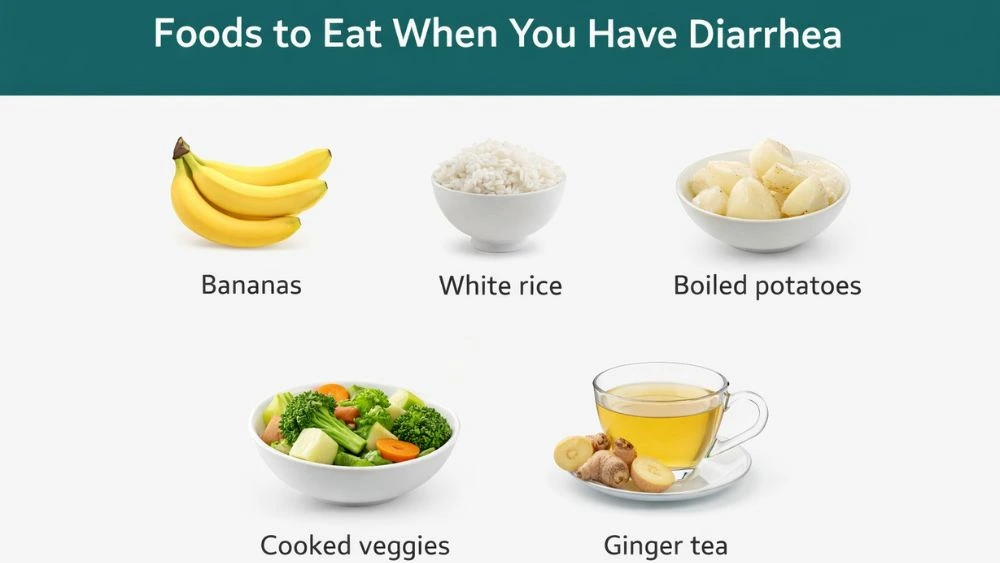
These five foods form the foundation to eat when you have diarrhea:
- Bananas replace potassium you’ve lost and contain pectin, which firms up stool naturally
- White rice acts like a sponge in your digestive tract, absorbing water and creating bulk
- Applesauce (unsweetened) gives you easy-to-digest carbs plus pectin for binding
- Plain toast settles your stomach with simple starches your body processes quickly
- Boiled potatoes (no skin, no butter) deliver potassium and gentle carbohydrates that won’t irritate inflamed tissue
Diarrhea Meal Plan
A realistic diarrhea meal plan adapts to how your body responds. Force-feeding yourself backfires.
First 12 Hours
Drink only. Your gut needs rest more than food. Sip oral rehydration solution every 15-30 minutes. Add clear broth if you can handle it. Water alone doesn’t cut it because you need electrolytes.
Skip food completely if you’re vomiting. Wait until that stops.
Next 24 Hours
Add bland solids once you’ve gone 4-6 hours without symptoms getting worse.
Start with half a banana or two saltine crackers. Wait 30 minutes. If nothing happens, eat a bit more.
Sample meals:
- Morning: 1 slice plain toast, small banana
- Midday: Half cup of white rice, 3-4 ounces of boiled chicken
- Evening: Cup of applesauce, plain crackers
Eat small amounts every 2-3 hours rather than three big meals.
Day 2-3
Your gut can handle slightly more variety now, but stay cautious with what to eat when you have diarrhea during recovery.
Gradually add:
- Cooked carrots (soft and peeled)
- Oatmeal made with water
- Canned fruit (packed in juice, not syrup)
- Well-cooked pasta with minimal olive oil
Keep portions small. Your stomach isn’t ready for full plates yet.
10 Worst Foods for Diarrhea
The 10 worst foods for diarrhea wreck your recovery. Avoid them completely:
- Dairy products: Lactose becomes harder to digest during diarrhea, even if you normally tolerate it fine
- Fried or greasy foods: High-fat content slows digestion and triggers more cramping
- Spicy foods: Capsaicin irritates already-inflamed intestinal walls
- Alcohol: Dehydrates you further and damages the gut lining
- Caffeine: Stimulates intestinal contractions and increases water loss
- Sugar substitutes (sorbitol): Acts as a laxative in your digestive system
- High-fiber raw vegetables: Celery, broccoli, and cabbage create gas and bulk your system can’t handle
- Beans and legumes: Cause bloating and gas through fermentation
- Fatty meats: Bacon, sausage, and ribeye take hours to digest
- Carbonated drinks: Gas buildup adds painful pressure to cramping
Treatments for Diarrhea
Treatments for diarrhea work best when combined. Diet alone doesn’t always solve the problem.
Hydration Therapy
Oral rehydration salts reverse dehydration faster than any other method. Mix one packet with clean water according to package directions. Drink the full amount even if it tastes terrible.
Store-bought versions work, but you can make a basic solution at home: 6 teaspoons of sugar, half a teaspoon of salt, and 1 liter of clean water. It won’t taste great, but it works.
Over-the-Counter Options
Anti-diarrheal medications like loperamide (Imodium) slow intestinal movement. They help with mild cases, especially when you need to travel or attend important events.
Take them sparingly. Your body uses diarrhea to flush out whatever’s causing the problem. Stopping it too quickly can trap bacteria or toxins inside.
When Medication Is Not Advised
Skip anti-diarrheal drugs if you have:
- Bloody diarrhea: This signals bacterial infection or intestinal damage that needs medical evaluation
- High fever (above 101.5°F): Indicates infection requiring different treatment
Let your body clear the infection naturally in these cases. Visit a doctor instead of self-treating.
How Long to Follow Diarrhea Diet
How long to follow diarrhea diet rules depends on severity and your body’s response.
Mild diarrhea: 24-48 hours of bland foods usually does it. You’ll know you’re improving when bowel movements firm up and frequency drops.
Moderate cases: Stick to the plan for up to 3 days. If you’re still having 5-6 loose stools daily after three days, something else is wrong.
Gradual reintroduction matters more than rushing back. Add one regular food per day. See how your body reacts before adding another.
Test foods in this order:
- Cooked vegetables (carrots, squash)
- Normal proteins (grilled chicken with seasoning)
- Whole grains (brown rice, whole wheat bread)
- Dairy products (start with yogurt)
- Raw vegetables and salads
If symptoms return after adding something specific, remove it and wait another day.
Signs You Should See a Doctor
Stop managing this at home if you experience:
- Diarrhea lasting more than 3 days: Chronic diarrhea indicates parasites, inflammatory bowel disease, or other conditions requiring diagnosis
- Signs of dehydration: Dark urine, dizziness when standing, dry mouth, no urination for 8+ hours
- Blood in stool: Red blood or black, tarry stools signal intestinal bleeding
- Severe abdominal pain: Sharp, persistent pain different from normal cramping
- High fever: Temperature above 101.5°F suggests bacterial infection
Infants under 6 months, elderly adults, and immunocompromised people should see doctors sooner rather than later.
FAQs on What to Eat When You Have Diarrhea
What should I eat first when I have diarrhea?
Start with clear liquids like oral rehydration solution or broth. After 4-6 hours without worsening, add half a banana or two plain crackers. Your gut needs fluids before solid food.
Are bananas good for diarrhea?
Yes. Bananas replace potassium you’ve lost and contain pectin, which naturally binds stool. They’re one of the best first foods to eat when you have diarrhea because they’re gentle and effective.
Can I eat eggs during diarrhea?
Yes, but only boiled or poached. Eggs provide easily digestible protein that helps repair intestinal damage. Skip fried eggs because the oil makes diarrhea worse. Add eggs on day 2 of your recovery.
Is yogurt good for diarrhea?
Maybe later, not immediately. Regular yogurt contains lactose that most people can’t digest well during diarrhea. Wait until symptoms improve, then try small amounts of plain, low-sugar yogurt with probiotics.
Should I avoid milk?
Yes, completely. Milk, cheese, and ice cream contain lactose that triggers worse diarrhea even in people who normally tolerate dairy fine. Your intestines temporarily lose their ability to break down lactose during episodes.
Can I eat rice with diarrhea?
Absolutely. White rice is one of the safest foods to eat when you have diarrhea. It absorbs excess water in your intestines and creates bulk without irritation. Stick to plain preparation, no butter or spices.
How long should I eat bland food?
Continue bland foods for 24-48 hours after your last loose stool. Then reintroduce normal foods gradually over 2-3 days. Rushing back to spicy, fatty, or high-fiber meals restarts the problem.
Is coffee safe during diarrhea?
No. Coffee contains caffeine that stimulates intestinal contractions and increases fluid loss. Both worsen diarrhea. Switch to herbal tea or water until you’re fully recovered, usually 3-4 days minimum.
Can spicy food worsen diarrhea?
Definitely. Capsaicin in peppers, hot sauce, and curry irritates inflamed intestinal walls and speeds up digestive transit. This creates more frequent, more urgent bowel movements. Avoid all spicy foods until recovery is complete.
When should I stop the diarrhea diet?
Stop when you’ve had normal, formed bowel movements for 24 consecutive hours and no abdominal cramping. Then reintroduce regular foods slowly over 2-3 days, adding one item daily to test tolerance.







Leave a Comment