

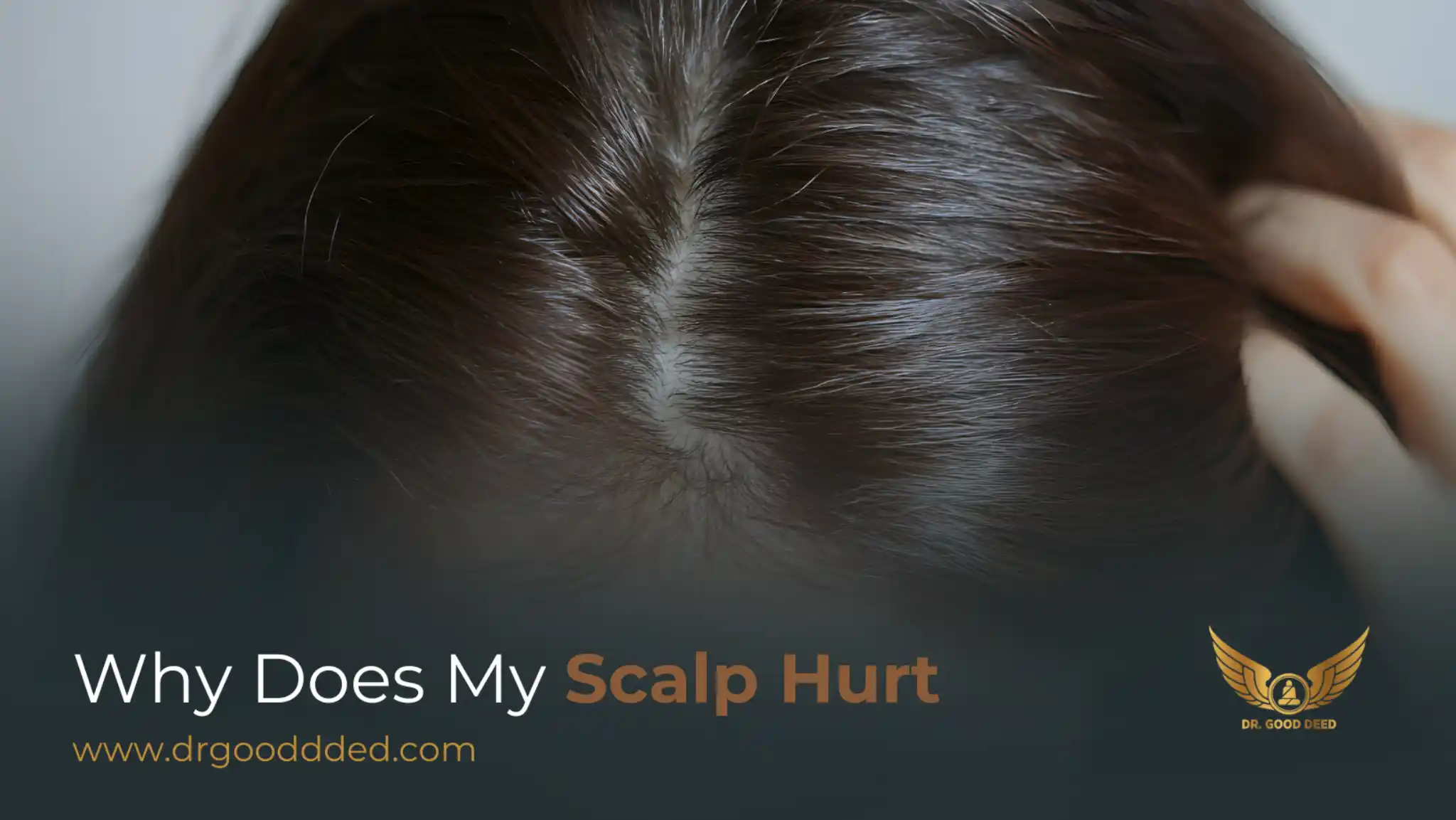

Scalp hurts usually happen when your scalp skin, hair roots, nerves, or blood supply are under stress. You may feel soreness, sharp pain, burning, or pain when touched. For some people, the pain stays mild. For others, it affects sleep, hair care, and daily focus.
When your scalp hurts , the cause often falls into skin inflammation, infection, nerve irritation, blood vessel problems, or physical tension. Scalp pain is often linked to treatable conditions rather than serious disease, but ignoring it can delay relief.
15 Common Causes of Scalp Pain
Doctors group scalp pain by how it starts and what tissue is involved. Below are the 15 common causes of scalp pain that explain why your scalp hurt without an obvious injury.
Scalp Inflammation and Dermatitis
Inflammation means the skin barrier is damaged. The scalp has many oil glands. When these glands become irritated, redness and pain follow. Contact dermatitis happens when shampoo, hair dye, or styling products trigger irritation.
Inflamed scalp skin becomes more sensitive to touch due to nerve exposure. You may feel soreness even without a visible rash. If your scalp hurts after switching products, inflammation is a strong suspect.
Scalp Infections
Bacterial or fungal organisms can invade scalp skin. These infections often start small but spread fast. The pain comes from swelling and an immune response. Some infections cause crusts, pus, or scaly patches. Untreated scalp infections can damage hair follicles. These are common causes of scalp pain and infection . Pain often worsens at night or with pressure.
Folliculitis
Folliculitis means inflammation of hair follicles. It often appears as tiny red bumps or white-headed spots. Sweat, friction, and bacteria trigger it. Folliculitis pain increases when follicles swell and press on surrounding nerves. You may feel pain when combing or resting your head on a pillow. This condition explains why your scalp hurts even when skin looks mostly normal.
Scalp Psoriasis
Psoriasis is an immune-driven skin condition. The body speeds up skin cell growth. Thick scales form and crack. These cracks expose nerve endings. Scalp psoriasis causes pain more often than body psoriasis due to dense nerve supply. When plaques tighten the skin, your scalp hurts during movement or touch.
Dandruff and Seborrheic Dermatitis
Dandruff is linked to yeast overgrowth on oily skin. Seborrheic dermatitis is a stronger form with redness and inflammation. The yeast irritates the immune system. This causes burning and soreness. Inflammation, not flakes, drives pain. This explains why treating flakes alone does not stop pain when your scalp hurts .
Allergic Reactions
Hair dyes, bleach, and fragrances can cause allergic contact reactions. Pain often starts within one to two days. The scalp may feel hot or tight. Allergic reactions increase blood flow and nerve sensitivity. Even mild reactions can make your scalp hurt badly if exposure continues.
Sunburn on the Scalp
Scalp skin burns faster than other areas due to direct exposure. Bald spots and thin hair raise risk. Sunburn causes inflammation and fluid loss in skin cells. This leads to tenderness and peeling. Severe burns can inflame hair follicles. This is a simple but often missed reason your scalp hurts after outdoor time.
Tight Hairstyles and Hair Tension
Tight braids, buns, or ponytails pull on follicles. This traction irritates the hair root and surrounding nerves. Over time, constant pulling inflames follicles. You may notice pain relief after loosening hair, which confirms tension as the cause when your scalp hurts .
Hair Loss–Related Scalp Pain
Hair shedding can cause tenderness before visible loss. Inflammatory signals around follicles increase pain sensitivity. Scalp pain and hair loss are linked to immune activity around the hair root. People often report soreness weeks before noticing thinning. This symptom should not be ignored when your scalp hurts and shedding increases.
Nerve-Related Scalp Pain
Scalp nerves sit close to the skin surface. Compression, inflammation, or misfiring can cause sharp pain. This pain may feel electric or stabbing. Touch can trigger discomfort without visible skin changes. Nerve irritation lowers pain threshold, making your scalp hurt with light contact.
Occipital Neuralgia
Occipital neuralgia affects nerves at the back of the head. Pain shoots upward into the scalp. It often affects one side. This pain worsens with head movement or pressure. Many people mistake it for skin pain when the real cause is nerve compression.
Headaches and Migraines
Certain headaches cause scalp tenderness. Migraines change blood vessel signaling and nerve sensitivity. Scalp pain often appears during or after migraine attacks. Your scalp hurts because nerves become overreactive during these episodes.
Giant Cell Arteritis
This condition inflames blood vessels in the scalp and temples. It mainly affects older adults. Pain increases with touch or brushing hair. Untreated cases risk vision loss. While rare, this condition needs urgent care if your scalp hurts with jaw pain or vision changes.
Vitamin or Mineral Deficiencies
Low iron, vitamin B12, or vitamin D can affect nerves and skin health. Deficiency-related nerve sensitivity can cause burning or soreness. Nerve repair slows when nutrients are low. This explains why your scalp hurts during prolonged deficiency states.
Stress and Anxiety
Stress tightens muscles and alters blood flow. It also heightens nerve sensitivity. Stress amplifies pain signals even without tissue damage. This is why your scalp hurts more during emotional strain. Stress also worsens inflammatory skin conditions.
Scalp Pain And Hair Loss
When scalp pain and hair shedding appear together, the issue usually sits deeper than surface skin. Inflammation around hair roots changes how follicles anchor hair strands. This weak grip makes hair fall sooner than normal. Blood flow changes also reduce oxygen to follicles.
Inflammatory Hair Loss Conditions
Certain hair loss disorders damage follicles through immune activity. The immune system attacks the hair root by mistake. This creates swelling, heat, and pain. You may feel soreness even before hair falls out.
Conditions like scarring alopecia cause permanent loss if untreated. Pain signals appear early due to nerve irritation near inflamed follicles. If your scalp hurt and hair loss progresses fast, inflammation is likely driving both symptoms.
Telogen Effluvium And Scalp Sensitivity
Telogen effluvium pushes many hairs into the resting phase at once. Triggers include illness, surgery, weight loss, or stress. While this condition does not scar follicles, it increases scalp sensitivity.
Nerves become reactive due to stress hormones. That explains why scalp pain and hair loss occur together during recovery periods. Hair usually regrows once the trigger resolves, but pain may linger for weeks.
When Hair Loss And Pain Occur Together
Pain plus shedding should never be ignored. Doctors rule out infection, autoimmune disease, and nutrient gaps. Blood tests and scalp exams help identify causes early. Treating inflammation often reduces pain first, then slows shedding. When your scalp hurts and hair loss happens at the same time, timing matters for recovery.
Burning Scalp Sensation
A burning feeling signals nerve or chemical irritation rather than surface injury. This sensation may appear without redness or rash. It often worsens with heat or touch. Burning pain usually feels different from soreness and needs a focused approach.
Nerve Irritation
Nerves can misfire due to compression, inflammation, or blood flow changes. This causes burning, tingling, or electric pain. Light touch may feel intense. Irritated nerves send pain signals even without skin damage. That explains why your scalp hurts despite normal-looking skin.
Allergic Or Chemical Reactions
Hair dyes, straighteners, and bleaching agents damage the skin barrier. Chemicals penetrate deeper layers and irritate nerves. Burning starts soon after exposure and may last days. Repeated exposure worsens damage. If your scalp hurts after a chemical service, stopping the product is critical.
Hormonal And Stress-Related Causes
Hormones affect nerve sensitivity and oil production. Hormonal shifts during menopause or thyroid imbalance can trigger burning pain. Stress increases cortisol, which heightens nerve response. Stress-related burning often improves once stress levels drop, even without medication.
Scalp Pain Treatment At Home
Home care helps when pain is mild, and no warning signs exist. Proper scalp pain treatment at home focuses on calming nerves and reducing irritation rather than aggressive cleansing. Gentle habits support healing and prevent flare-ups.
Gentle Hair Care Practices
Use mild, fragrance-free shampoos. Avoid daily washing if skin feels tight. Pat your hair dry instead of rubbing. Soft brushes reduce traction. These steps lower friction and calm irritated follicles when your scalp hurts .
Medicated Shampoos
Anti-dandruff shampoos with antifungal or anti-inflammatory agents reduce yeast and swelling. Use only as directed. Overuse strips oils and worsens pain. Doctors often suggest rotating shampoos to avoid irritation during scalp pain treatment at home .
Cold Or Warm Compresses
Cold compresses reduce swelling and numb pain signals. Warm compresses relax tight muscles and improve blood flow. Short sessions work best. Choose based on which feels soothing when your scalp hurts .
Avoiding Triggers
Identify what worsens pain. This may include tight hairstyles, heat tools, or new products. Reducing triggers supports nerve recovery and improves scalp pain treatment at home outcomes.
Medical Treatments For Scalp Pain
Persistent pain often needs medical care. Treatment depends on cause, not just symptom relief. Doctors avoid one-size approaches because scalp pain has many sources.
Topical Medications
Steroid lotions reduce inflammation. Antifungal solutions treat yeast overgrowth. Antibiotic creams target bacterial infection. Doctors adjust strength based on skin response. Topicals often calm pain before visible skin changes improve.
Oral Medications
Doctors may prescribe antifungals or antibiotics for an infection. Pain relievers may help short term. Nerve pain medications calm misfiring nerves. Dosage varies by age and condition. Treatment aims to reduce pain without masking underlying disease.
Treatment For Nerve-Related Pain
Nerve blocks or targeted medications reduce abnormal nerve signals. Physical therapy may help if muscle tension compresses nerves. Addressing posture and neck strain often reduces scalp pain linked to nerve pathways.
How Is Scalp Pain Diagnosed
Diagnosis starts with pattern recognition. Doctors combine history, exam, and tests to find the cause rather than guessing.
Physical Examination
Doctors inspect skin color, scales, sores, and hair density. They check pain response to touch. The distribution of pain gives clues about nerve or vascular involvement when your scalp hurts .
Scalp Biopsy Or Swab Tests
Swabs detect bacterial or fungal growth. Biopsies examine skin layers under a microscope. These tests confirm inflammatory or scarring conditions when symptoms overlap.
Blood Tests For Underlying Conditions
Blood tests reveal iron levels, vitamin status, thyroid function, and inflammation markers. These results guide treatment when pain is linked to systemic issues.
When To See A Doctor
Certain signs suggest more than mild irritation. Early care prevents complications and permanent hair loss.
Persistent Or Worsening Scalp Pain
Pain lasting weeks despite home care needs evaluation. Chronic pain often signals inflammation or nerve involvement that will not resolve alone.
Pain With Fever Or Hair Loss
Fever suggests infection. Rapid hair loss raises concern for an inflammatory disease. Both require prompt assessment to prevent follicle damage.
Severe Burning Or Sensitivity
Intense burning or pain with light touch points to nerve pathology. Early treatment improves nerve recovery and pain control.
FAQs
Why Is My Scalp Sore To Touch?
When your scalp hurts with touch, nerves under the skin become overly sensitive. Inflammation, infection, or tension lowers the pain threshold, making even light pressure feel uncomfortable.
Can Stress Cause Scalp Pain?
Yes. Stress raises cortisol and tightens muscles. This changes blood flow and nerve response. Many people notice their scalp hurts more during long periods of emotional strain.
Is Scalp Pain Linked To Hair Loss?
Yes. Inflammatory activity around follicles causes both pain and shedding. Scalp pain and hair loss together often signal immune or stress-related triggers rather than simple shedding.
What Does A Burning Scalp Sensation Mean?
Burning usually reflects nerve irritation or chemical injury. It may occur without redness. Hormonal shifts and stress can also increase burning sensations.
Can Scalp Pain Be Caused By Infection?
Yes. Bacterial and fungal organisms inflame the skin and follicles. These are common causes of scalp pain infection , especially when pain worsens with swelling or discharge.
Why Does My Scalp Hurt In One Spot?
Localized pain often points to nerve compression, infection, or inflamed follicles. One-sided pain needs evaluation to rule out nerve disorders.
Can Dandruff Cause Scalp Pain?
Yes. Severe dandruff inflames skin and irritates nerves. Pain comes from inflammation, not flakes alone, especially during flare-ups.
How Long Should Scalp Pain Last?
Mild pain resolves within days. Pain lasting weeks suggests deeper inflammation or nerve involvement and needs medical care.
What Shampoo Helps With Scalp Pain?
Medicated shampoos reduce yeast and inflammation. The best option depends on the cause. Overuse can worsen irritation, so follow medical advice.
When Is Scalp Pain A Medical Emergency?
Scalp pain with vision changes, jaw pain, fever, or sudden weakness needs urgent care. These signs suggest vascular or severe inflammatory disease.







Leave a Comment