
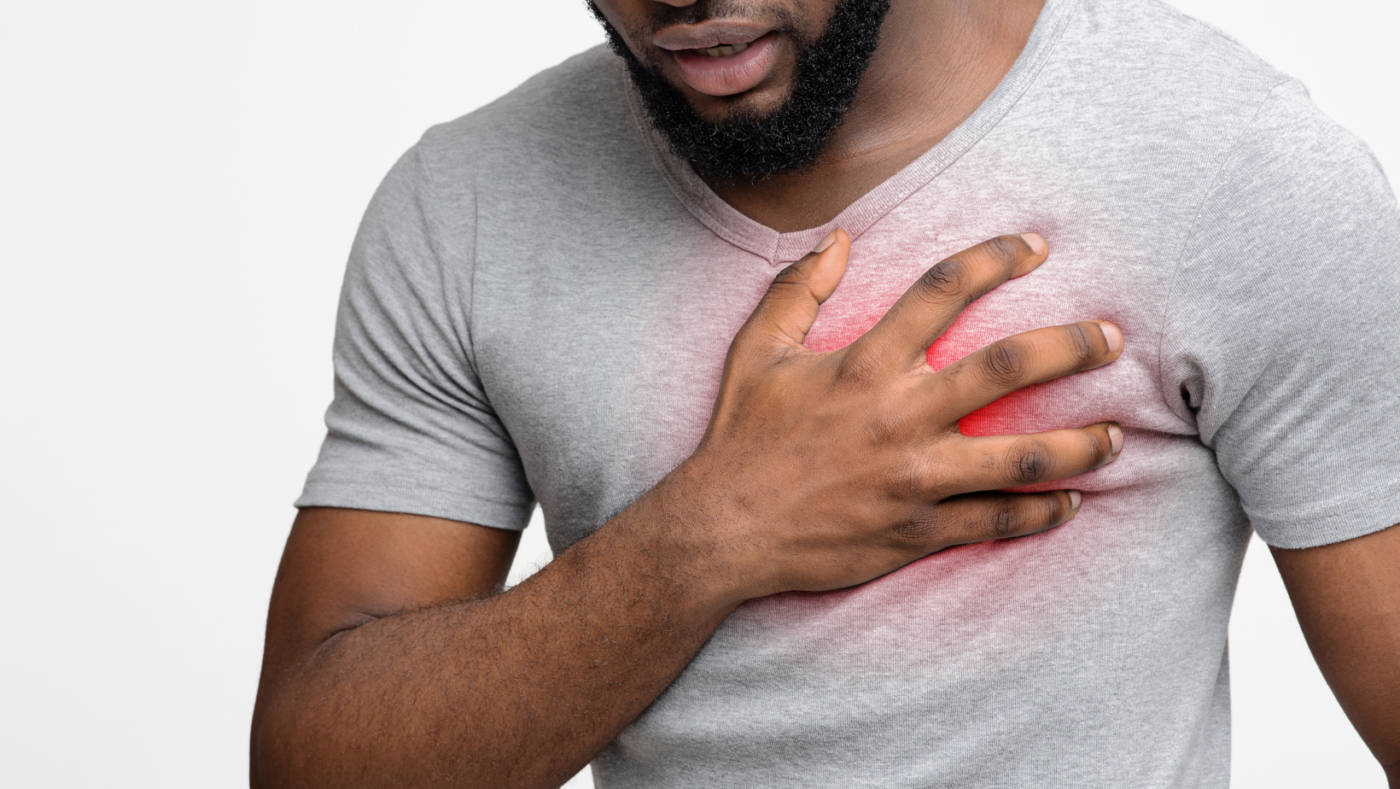

A heart attack happens when blood flow to part of the heart is completely blocked. Heart muscle starts dying within 20 minutes of a blocked blood supply. Every minute without treatment increases permanent damage.
A heart attack is survivable when recognized fast and treated within the first hour. The majority of deaths happen before the person reaches a hospital, usually because symptoms were dismissed or misread. Knowing the atypical signs, especially in women and young people, and acting within minutes rather than hours makes the difference between full recovery and permanent heart damage.
How Do I Know If I’m Having a Heart Attack?
The classic sign is chest pain or pressure that spreads to the left arm, jaw, or back. Other signs include sudden cold sweat, shortness of breath, nausea, and dizziness without an obvious reason. Symptoms can come on suddenly or build slowly over hours. If chest discomfort lasts more than 5 minutes, call emergency services immediately. Do not drive yourself.
Can a 13-Year-Old Have a Heart Attack?
Yes, though it is rare. Teens with congenital heart defects, hypertrophic cardiomyopathy (a thickened heart muscle condition), or severe undiagnosed cholesterol disorders can have heart attacks. Drug use, particularly cocaine and anabolic steroids, also triggers heart attacks in teenagers. A 13-year-old presenting with chest pain during exercise needs a cardiac evaluation.
What Are Three Warning Signs of a Heart Attack in Females?
Women’s heart attack symptoms differ from the textbook chest-clutching image. The three most missed signs in women are:
- Extreme and sudden fatigue without physical cause, sometimes lasting days before the attack
- Upper back pressure or pain, often mistaken for a muscle strain
- Nausea or vomiting alongside mild chest discomfort, frequently dismissed as indigestion
Women under 50 are twice as likely as men to be misdiagnosed after a heart attack because their symptoms look different. This is a documented problem in emergency medicine.
What Are the First Signs of a Weak Heart?
A weakening heart shows up as breathlessness during tasks that used to be easy, swollen ankles and feet in the evening, waking up at night unable to breathe while lying flat, and a persistent dry cough. Fatigue after minimal activity is another early sign. These symptoms reflect the heart struggling to pump blood efficiently and warrant a cardiology review.
Why Would a 16-year-old have chest pain?
Most chest pain in teenagers is not cardiac. Costochondritis (inflammation of the cartilage connecting ribs to the breastbone) causes sharp chest pain that worsens with touch. Acid reflux and anxiety-related chest tightness are also common. However, chest pain during exercise in a teenager, especially with dizziness or fainting, is a red flag. That combination needs a same-day ECG and cardiac workup.
What Are the Heart Problems of Teens?
- Hypertrophic cardiomyopathy: The most common cause of sudden cardiac death in young athletes. The heart wall thickens and blocks blood flow during intense exercise.
- Long QT syndrome: An electrical disorder that causes sudden dangerous heart rhythms. Often diagnosed only after a fainting episode.
- Arrhythmias: Irregular heartbeat that produces palpitations, dizziness, and fainting.
- Myocarditis: Heart muscle inflammation, frequently caused by viral infections including COVID-19.
Most of these conditions produce no symptoms until a crisis moment. Pre-sports screening catches some but not all cases.
Can Low Testosterone Cause Heart Attacks?
Low testosterone independently increases cardiovascular risk. Men with low testosterone have higher rates of plaque buildup in arteries, higher inflammation markers, and worse blood sugar control, all of which raise heart attack risk.
A 2010 study in the European Heart Journal found men with low testosterone had a 60% higher risk of dying from cardiovascular disease. Testosterone replacement therapy’s effect on heart risk remains debated among cardiologists.
How to Prevent a Heart Attack?
The most effective prevention steps with the strongest evidence:
- Control blood pressure below 120/80 mmHg
- Keep LDL cholesterol below 100 mg/dL
- Stop smoking completely, the risk drops 50% within one year of quitting
- Exercise at moderate intensity for 150 minutes per week
- Manage blood sugar, as diabetes doubles heart attack risk
- Take a daily low-dose aspirin only if a doctor recommends it based on personal risk score
Mediterranean diet adherence reduces cardiovascular events by 30%, per the PREDIMED trial published in the New England Journal of Medicine.
What Are the Symptoms of a Mini Heart Attack?
A mini heart attack, medically called an NSTEMI, blocks blood flow partially rather than completely. Symptoms include mild chest tightness or pressure lasting more than 10 minutes, arm or jaw discomfort, brief shortness of breath, and unusual tiredness.
Many people walk off an NSTEMI thinking it was indigestion. The damage is real and raises the risk of a full heart attack within 90 days if untreated.
How Long Do Heart Attack Symptoms Last?
Classic heart attack symptoms do not come and go in seconds. Chest discomfort that lasts more than 15 minutes is cardiac until proven otherwise. Some heart attacks produce symptoms for hours before the person seeks help.
Symptoms that resolve completely within a few minutes are more likely angina (reduced blood flow without a full blockage) or another non-cardiac cause.
What Is the Immediate Remedy for a Heart Attack?
Call emergency services first. While waiting:
- Sit down and stay as still as possible to reduce the heart’s oxygen demand
- Chew one full-strength 325mg aspirin or four low-dose 81mg aspirin tablets if not allergic
- Loosen any tight clothing around the chest and neck
- Do not eat or drink anything else
Do not lie flat. Sitting upright reduces pressure on the heart. Do not take nitroglycerin unless a doctor has already prescribed it for you.
What Is the 7 Second Trick to Prevent a Heart Attack?
This circulates widely online but has no clinical evidence behind it. The claim involves coughing rhythmically to maintain blood flow during a cardiac event. The American Heart Association does not endorse this technique. It was based on a 1970s catheterization procedure done under medical supervision and does not apply to someone alone having a heart attack. The only proven immediate action is calling emergency services and chewing aspirin.
What is the first aid for a Heart Attack?
- Call emergency services immediately. Time is muscle.
- Help the person sit in a comfortable position, usually leaning forward slightly
- Give one adult aspirin (325mg) to chew, not swallow whole
- Loosen tight clothing
- If the person becomes unresponsive and stops breathing normally, begin CPR immediately: 30 chest compressions followed by 2 rescue breaths, repeated until help arrives
- Use an AED (automated defibrillator) if available nearby
What Is the Treatment for a Heart Attack?
In hospital, treatment follows a clear sequence. Emergency angioplasty (called PCI, or percutaneous coronary intervention) reopens the blocked artery using a balloon and stent. It must happen within 90 minutes of hospital arrival for best outcomes.
If PCI is unavailable, clot-dissolving drugs called thrombolytics clear the blockage. After stabilization, patients receive blood thinners, statins, beta-blockers, and ACE inhibitors long-term.
What Is the First Medicine for Heart Attack?
Aspirin is the first drug given during a heart attack. It stops platelets from clumping together and prevents the clot from growing. Paramedics also administer oxygen if blood oxygen drops below 94%, and nitroglycerin to widen coronary arteries.
In hospital, heparin (a stronger blood thinner) starts immediately alongside the aspirin. Morphine manages severe pain and reduces the heart’s oxygen demand.
How to Treat a Heart Attack With First Aid?
Stay calm and act fast. The FAST steps:
- Fast: Act immediately, do not wait to see if symptoms improve
- Aspirin: Give one chewable aspirin if the person is conscious and not allergic
- Sit: Keep the person still and seated, not lying flat
- Talk: Keep talking to them calmly to monitor consciousness
If the person loses consciousness and stops breathing, start hands-only CPR: push hard and fast in the center of the chest at 100 to 120 compressions per minute until help arrives.
Which Medicine Causes Sudden Cardiac Death?
Several medications carry documented risk of fatal heart arrhythmias:
- Fluoroquinolone antibiotics (ciprofloxacin, levofloxacin): Prolong the QT interval and trigger dangerous heart rhythms
- Antipsychotics (haloperidol, quetiapine): Also prolong QT, especially at high doses
- Methadone: Carries a significant QT prolongation risk at higher doses
- Hydroxychloroquine: QT risk increased sharply during its off-label COVID-19 use period
- Erythromycin: The oldest known antibiotic to cause QT prolongation and sudden cardiac death
Drug-drug interactions multiply these risks. Taking two QT-prolonging drugs simultaneously raises the danger substantially.









Leave a Comment