


Hemorrhoids (also called piles) are swollen veins inside or around the rectum and anus. About 75% of people develop them at some point in their lives. Most cases are mild and resolve with basic treatment.
What Are Hemorrhoids?
Hemorrhoids are inflamed blood vessels in the lower rectum or around the anal opening. Internal hemorrhoids form inside the rectum and usually don’t cause pain. External hemorrhoids form under the skin around the anus and cause pain, itching, and sometimes bleeding. Both types result from increased pressure on the rectal veins.
What Is the Main Reason for Piles?
Chronic straining during bowel movements is the leading cause. Straining increases pressure inside the rectal veins repeatedly, which weakens their walls over time. Low-fiber diets, dehydration, and sitting on the toilet too long all create the same pressure pattern. Pregnancy adds direct physical pressure on rectal veins from the growing uterus.
What Causes Hemorrhoids to Flare Up?
Active flare-ups are triggered by specific behaviors and foods. Sitting for long periods on hard surfaces, constipation lasting more than 2 to 3 days, heavy lifting with incorrect technique, and eating spicy or low-fiber foods all trigger inflammation in existing hemorrhoids. Alcohol and caffeine dehydrate the stool and worsen straining.
What Are the First Signs of Hemorrhoids?
- Bright red blood on toilet paper or in the toilet bowl after a bowel movement
- Itching or irritation around the anal area
- Pain or discomfort when sitting
- A feeling of incomplete bowel emptying
- Swelling around the anus
Painless bleeding during a bowel movement is usually the very first sign. External hemorrhoids hurt; internal ones typically bleed first without pain.
How to Confirm if It’s Hemorrhoids at Home?
Bright red blood (not dark) after a bowel movement combined with anal itching or a soft lump near the anus strongly indicates hemorrhoids. Dark blood or blood mixed into the stool points to something further up in the colon and needs immediate medical evaluation. That pattern is not hemorrhoids.
Can I Feel a Hemorrhoid With My Finger?
External hemorrhoids are felt as soft lumps around the anal opening. Internal hemorrhoids are generally not reachable by finger because they sit higher inside the rectum. A prolapsed internal hemorrhoid (one that has pushed outside) can be felt as a soft protrusion that sometimes retracts back inside on its own.
What Can Be Mistaken for Hemorrhoids?
Several conditions closely mimic hemorrhoids:
- Anal fissure: A small tear in the anal lining that causes sharp pain and bleeding, often sharper pain than hemorrhoids
- Perianal abscess: A pus-filled infection near the anus with throbbing pain and fever
- Rectal prolapse: The rectal wall pushes out through the anus, much larger than a hemorrhoid
- Colorectal polyps or cancer: Cause rectal bleeding and must be ruled out in adults over 45 with new rectal bleeding
Any rectal bleeding in a person over 45 without a prior hemorrhoid diagnosis needs a colonoscopy, not self-diagnosis.
Can Hemorrhoids Go Away?
Small internal hemorrhoids often resolve on their own within a few days with increased fiber and water intake. External hemorrhoids with a blood clot (thrombosed hemorrhoids) shrink within 2 to 4 weeks but sometimes leave behind a skin tag. Chronic large hemorrhoids don’t disappear without treatment.
What Foods Should I Avoid With Hemorrhoids?
Avoid these during a flare-up:
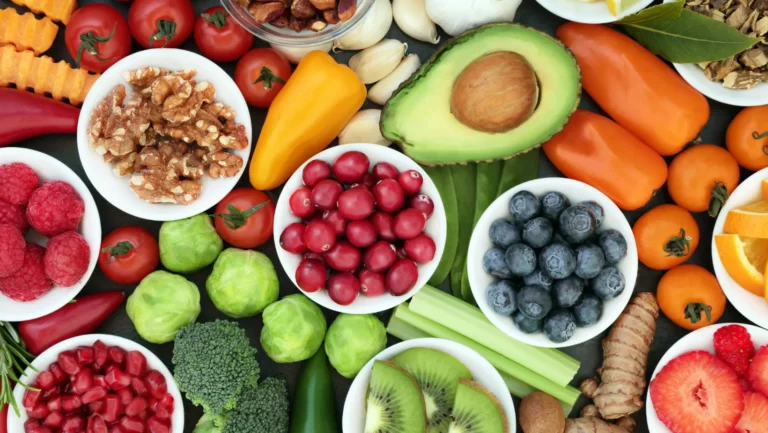
- White bread and refined pasta (worsen constipation)
- Spicy foods (increase anal irritation after bowel movements)
- Alcohol and caffeine (dehydrate stools)
- Red meat in large amounts (slow digestion)
- Processed and packaged snacks (low fiber, high sodium)
Dairy is also worth reducing. It slows bowel movement in many people and worsens straining frequency.
What Is the Best Remedy for Hemorrhoids?
A sitz bath is the single most effective home remedy. Sit in 3 to 4 inches of warm water for 15 to 20 minutes, 2 to 3 times daily. This reduces swelling and relieves pain faster than creams alone. Combined with 25 to 35 grams of dietary fiber daily and adequate water intake, most mild hemorrhoids improve within a week.
How to Remove Piles Naturally?
Four natural approaches with actual evidence:
- Psyllium husk (Metamucil): 10 to 20 grams daily softens stool and reduces straining. A Diseases of the Colon and Rectum study confirmed it reduced hemorrhoid bleeding significantly.
- Witch hazel: Applied topically, it constricts swollen tissue and relieves itching
- Aloe vera gel (pure): Reduces inflammation when applied directly to external hemorrhoids
- Horse chestnut extract (Aescin): Strengthens vein walls and reduces swelling. Used clinically in Europe for chronic venous insufficiency and hemorrhoids.
Can You Permanently Get Rid of Hemorrhoids?
Grade 1 and 2 hemorrhoids (mild, no prolapse) resolve permanently with consistent dietary changes and fiber intake in most people. Grade 3 and 4 (prolapsed, cannot be pushed back) require procedures. Rubber band ligation permanently removes the hemorrhoid in 80% of cases. Surgery has the highest long-term success rate but carries more recovery time.
How Long Do Hemorrhoids Last?
Mild hemorrhoids with proper home care improve within 3 to 7 days. Thrombosed external hemorrhoids (with a blood clot) resolve within 2 to 4 weeks. Without any treatment or dietary change, hemorrhoids don’t resolve. They grow larger and eventually prolapse. Duration depends entirely on whether the underlying pressure cause gets addressed.
How to Remove Piles by Ayurveda?
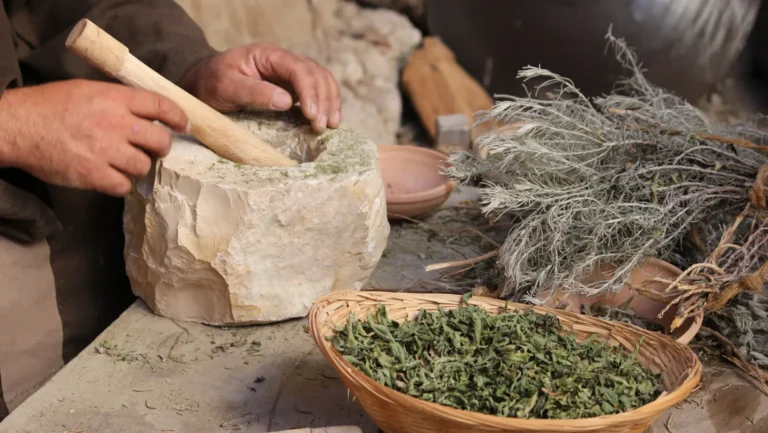
Ayurvedic treatment for hemorrhoids centers on two approaches. The first is Kshara Karma, a minimally invasive procedure where alkaline herbal paste (made from Apamarga or Snuhi plant ash) applies directly to the hemorrhoid to chemically shrink it.
Studies from Indian Journal of Surgery confirm Kshara Sutra (herbal thread ligation) matches surgical outcomes for internal hemorrhoids with faster healing.
Triphala powder (1 teaspoon in warm water at bedtime) regulates bowel movements and reduces straining long-term.
Which Is Best for Piles, Homeopathy or Ayurveda?
Ayurveda has stronger clinical evidence. Kshara Sutra and Kshara Karma procedures show documented success rates in peer-reviewed surgical journals. Homeopathy for piles lacks equivalent clinical trial data.
For mild hemorrhoids, both offer symptomatic relief. For Grade 2 or higher internal hemorrhoids, Ayurvedic procedural treatment produces measurable structural outcomes that homeopathy doesn’t replicate.
What Is the Strongest Treatment for Piles?
For Grade 1 to 3: Rubber band ligation is the strongest non-surgical option. A rubber band cuts blood supply to the hemorrhoid. It falls off within 7 to 10 days. Success rate exceeds 80% with one treatment.
For Grade 3 to 4: Hemorrhoidectomy (surgical removal) is the definitive treatment with the lowest recurrence rate, under 5% over 5 years.
Can Daflon 500 Cure Hemorrhoids?
Daflon 500 (micronized purified flavonoid fraction, containing diosmin and hesperidin) reduces hemorrhoid bleeding and inflammation by strengthening capillary walls. Multiple randomized controlled trials confirm it significantly reduces acute hemorrhoid episodes. It doesn’t remove existing hemorrhoids structurally, but it controls symptoms and reduces flare frequency. Most effective when used for 3 months continuously alongside dietary changes.
What Size Hemorrhoids Need Surgery?
Grade 3 hemorrhoids (prolapse during bowel movements but can be pushed back manually) and Grade 4 (permanently prolapsed, cannot be reduced) typically need surgical intervention.
Size matters less than grade. A Grade 4 hemorrhoid under 1 cm needs surgery. A Grade 1 hemorrhoid at any size doesn’t. Persistent bleeding despite 3 months of treatment also indicates surgery regardless of grade.
How Many Hours Is Hemorrhoid Surgery?
Standard hemorrhoidectomy takes 30 to 45 minutes under general or spinal anesthesia. It is a day surgery in most cases. Recovery takes 2 to 4 weeks. Stapled hemorrhoidopexy (a less painful alternative) takes similar operating time with faster recovery at 1 to 2 weeks. Pain management post-surgery is the main challenge, not the procedure itself.
How Do I Know if My Hemorrhoid Is Serious?
Seek immediate medical care if any of these apply:
- Rectal bleeding that doesn’t stop after 10 minutes
- Blood that is dark red or mixed into the stool
- Severe pain that doesn’t improve with sitz baths or pain relievers
- A hard, extremely painful lump that appeared suddenly (possible thrombosed hemorrhoid)
- Fever with anal pain (possible abscess)
- Unexplained weight loss with rectal bleeding at any age
Any rectal bleeding in a person over 45 without a confirmed hemorrhoid diagnosis needs a colonoscopy first.



Leave a Comment