

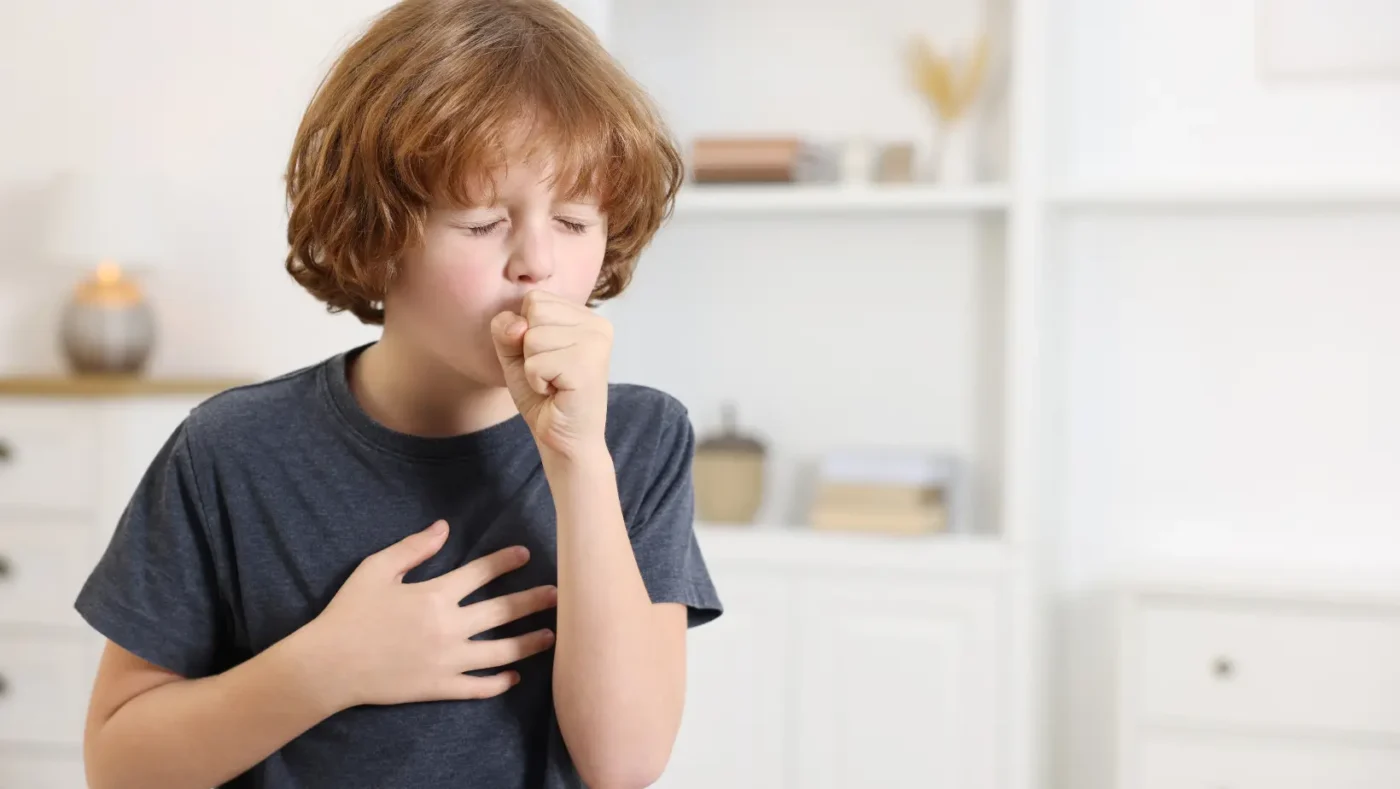

Infants cannot take most cough medicines. Their bodies are too sensitive. So safe, natural methods are what doctors actually recommend for mild cases at home. Knowing the right home remedies for cough in infants saves you a lot of panic and a lot of unnecessary trips to the ER.
Coughing in babies is almost always caused by a viral infection, dry air, mucus dripping down the throat, or irritants in the environment. Most cases get better on their own within 7 to 10 days. But the right home care makes those days much easier for both the baby and you.
How to Relieve Baby Cough Naturally at Home
Relieving a baby’s cough naturally at home starts with making the baby’s breathing environment better and keeping the airway clear. These five methods are safe, doctor-approved, and simple enough to start tonight. Most pediatricians will walk you through these same steps before suggesting any medicine. So, relieving a baby’s cough naturally at home is always the first line of action for mild coughs.
1. Use a Cool-Mist Humidifier
Dry air thickens mucus. Thick mucus makes coughing worse. A cool-mist humidifier adds moisture back into the room air, which softens the mucus inside the baby’s nose and throat.
Place it 3 to 5 feet away from the crib. Clean it every day to stop mold from growing inside. Warm mist humidifiers are not recommended for infants because of the burn risk.
2. Saline Nasal Drops
Saline (salt water) drops are one of the most effective home remedies for cough in infants because most baby coughs actually start in the nose. Mucus drips from the nose down to the throat, which triggers coughing.
Two to three drops in each nostril before feeding or sleep loosens the mucus without any medicine. These drops are safe from day one of birth. You can find them at any pharmacy without a prescription.
3. Gentle Nasal Suction
After using saline drops, wait 30 seconds, then use a rubber bulb syringe or a nasal aspirator (like a NoseFrida) to pull the mucus out. This step actually clears the airway instead of just loosening the mucus.
Babies cannot blow their noses, so they need help. Clearing the nose before feeding helps them drink properly. Clearing it before sleep reduces nighttime coughing significantly.
4. Keep Baby Hydrated
Fluids thin mucus. Thin mucus is easier to cough up and swallow. For babies under 6 months, breast milk or formula is the only fluid needed. Do not give water to babies under 6 months.
Breastfed babies also get antibodies through milk that actively fight the infection causing the cough. Feed more frequently during illness, even if the baby is taking smaller amounts each time.
5. Keep Baby Upright (Supervised)
Gravity helps mucus drain downward instead of pooling in the throat. After feeding, hold the baby upright against your chest for 20 to 30 minutes. This also reduces reflux, which is another common cause of baby’s cough.
Never prop a baby at an angle in the crib with pillows. Upright positioning works only when you are present and watching.
Dry Cough in Infant: Home Remedy
A dry cough home remedy approach in an infant differs slightly from treating a wet, mucusy cough. Dry coughing has no mucus sound. It is often caused by very dry air, early viral irritation, or mild throat dryness. The best dry cough home remedy for infants focuses on the environment, not on medicine.
Common causes of dry cough in infants:
- Viral infection in the early stage
- Room air that is too dry (especially in winter with indoor heating)
- Environmental irritants like dust or cigarette smoke
What helps:
- A cool-mist humidifier running in the room
- Extra feeds to keep the throat moist
- Keeping windows closed if outdoor pollution is high
- Removing the baby from rooms where anyone smokes
What to avoid completely:
- Essential oils like eucalyptus or peppermint near infants. These can slow breathing in babies under 2 years old.
- Mentholated rubs under the nose or on the chest of infants.
Babies who sleep near adults who use strong-scented products like perfume or air freshener also develop dry throat irritation. These are not allergies, just irritants. Removing the trigger fixes it faster than any remedy.
Infant Cough With Mild Fever Home Care
Infant cough with mild fever home care is possible when the fever is below 100.4°F (38°C), and the baby is still active, feeding well, and showing no breathing difficulty. Proper infant cough with mild fever home care means watching closely, not treating aggressively.
Signs that home monitoring is safe:
- Baby is alert and making eye contact
- Feeding every 2 to 3 hours normally
- No fast breathing or noisy breathing
- No skin pulling inward between the ribs when breathing
Supportive care steps:
- Use a lukewarm (not cold) damp cloth on the forehead and armpits
- Keep the room at a comfortable temperature, not too warm
- Offer breast milk or formula more often
- Pediatrician-approved fever medicine if advised. Dosage varies strictly by weight and age, so never guess the dose.
Critical fact most parents miss: A fever of any level in a baby under 3 months old is a medical emergency. Do not try home care. Go to the emergency room immediately.
For babies over 3 months, a mild fever with cough is usually a viral cold. It runs its course in about 7 to 10 days.
Allergy Cough in Baby Natural Treatment
Allergy cough in a baby natural treatment works by removing the trigger first. An allergy cough looks different from an infection cough. No fever, clear watery nasal discharge, and frequent sneezing. Cough gets worse around specific things like pets, dust, or fresh paint. The most effective allergy cough natural treatment for babies is always source control first.
Signs it is allergy and not infection:
- Cough improves when the baby is in a different room or outside
- Starts at the same time each year (seasonal)
- No fever, no body aches, no fussiness
Natural management steps:
- Wash the baby’s bedding every week in hot water
- Keep pets out of the baby’s room completely
- Use an air purifier with a HEPA filter in the nursery
- Vacuum the floor and dust surfaces twice a week
- Avoid strong-smelling cleaning products, candles, and incense near the baby
Medical antihistamines are sometimes needed, but only a pediatrician can prescribe them. Do not give adult antihistamines to infants. The dosing is completely different.
Allergen exposure in early infancy is linked to the developing immune system. The baby’s immune response is still forming. Reducing heavy allergen load during this window matters more than at any other age.
Home Care Tips for Coughing Baby at Night
Home care tips for a coughing baby at night are worth knowing separately because nighttime cough is almost always worse. The reason is postnasal drip, where mucus from the nose falls to the back of the throat when the baby lies flat, irritating the airway constantly. Following the right home care tips for coughing baby at night can cut the number of night wakings in half.
Steps to reduce nighttime cough:
- Run the humidifier in the baby’s room before and during sleep
- Use saline drops and nasal suction 15 minutes before bedtime
- Feed the baby before putting them down
- Avoid exposing the baby to cold air right before sleep (like during a nighttime diaper change near an open window)
- Slightly elevate the head end of the mattress by placing a folded towel under the mattress itself, not under the baby. Never place a pillow inside the crib.
Nighttime cough that wakes a baby every 20 to 30 minutes and does not improve after two nights of home care needs a pediatrician call the next morning.
What Causes Cough in Infants?
Understanding the cause helps you pick the right home remedies for cough in infants. Most causes are viral and clear without medication.
| Cause | Key Sign |
| Common cold | Runny nose, mild fever |
| Bronchiolitis | Wheezing, fast breathing |
| Croup | Barking cough, worse at night |
| Pneumonia | High fever, fast breathing, poor feeding |
| Reflux (GERD) | Cough after feeds, arching back |
| Allergies | No fever, clear discharge, sneezing |
Bronchiolitis, caused by RSV (Respiratory Syncytial Virus), is the most common reason infants under 12 months end up in the hospital with a cough. It looks like a cold at first, but it worsens fast. Watch the breathing rate closely.
When to See a Doctor Immediately
Stop home treatment and call emergency services or go to the ER if:
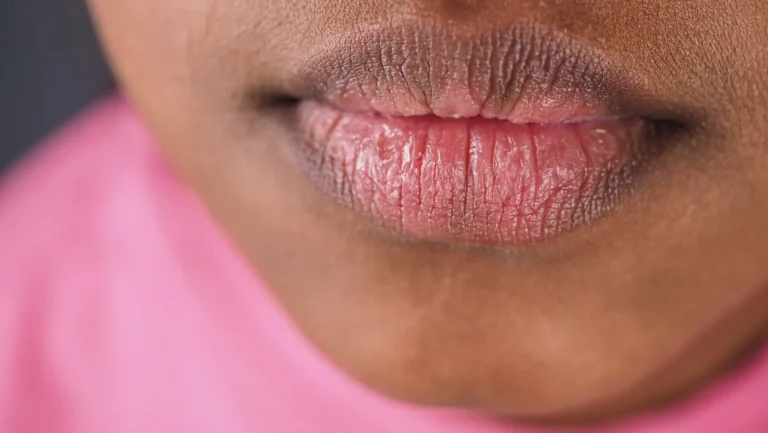
- The baby’s lips or fingertips look blue or gray
- The skin between the ribs pulls inward with every breath
- Breathing is faster than 60 breaths per minute
- The baby is refusing all feeds
- Fever above 100.4°F (38°C) in a baby under 3 months
- The cough has lasted more than 10 days with no improvement
- Wheezing that does not stop
- The baby is unusually limp or hard to wake up
These are not situations for home remedies for cough in infants. These need medical attention right away. If you are ever unsure, call your pediatrician first rather than continuing home remedies for cough in infants that are clearly not working.
How Long Does Infant Cough Last?
- Viral cold cough: 7 to 10 days
- Bronchiolitis cough: up to 2 to 3 weeks
- Croup cough: 3 to 5 days (but nights are harder)
- Allergy cough: lasts as long as the trigger is present
If the cough crosses the 10-day mark, or if it gets worse instead of better after day 5, consult a doctor regardless of the cause.
What NOT to Do
These common mistakes parents make can hurt more than help. Avoiding them is just as important as knowing the right home remedies for cough in infants.
- No honey under 12 months. Honey contains spores of Clostridium botulinum, which causes infant botulism, a serious and potentially fatal illness.
- No OTC cough syrups. The FDA and major pediatric associations warn that over-the-counter cough and cold medicines are not safe for children under 4 years old.
- No menthol rubs near the nose. Menthol triggers a cold sensation that can cause breathing reflex changes in infants.
- No direct essential oil use. Eucalyptus and camphor have caused seizures and breathing suppression in infants under 2 years old.
FAQs
Can I give honey to my baby for cough?
No. Home remedies for cough in infants never include honey for babies under 12 months. Honey contains botulism spores that an infant’s gut cannot fight. Even one teaspoon can cause infant botulism, which leads to muscle weakness, feeding problems, and in severe cases, respiratory failure.
Is steam safe for infants?
No. Steam rooms and steam inhalers carry burn risk for infants. A cool-mist humidifier is the safe alternative. It adds moisture to the air without any heat. Direct steam over a baby’s face is never recommended.
Can teething cause cough?
Teething increases saliva production. Extra saliva can drip to the back of the throat and cause a mild gagging cough. This type of cough has no fever, no mucus, and no breathing changes. It usually stops once the tooth breaks through, within 3 to 5 days.
When should I worry about baby’s cough?
Worry immediately if the baby has blue lips, pulls skin between ribs while breathing, breathes faster than 60 times per minute, or refuses feeds for more than 6 hours. Any of these signs means the home remedies for cough in infants are not enough, and hospital care is needed.
Can reflux cause infant cough?
Yes. Acid reflux (GERD) is a leading non-viral cause of infant cough. Stomach acid comes back up the food pipe and irritates the throat, triggering a reflex cough, usually after feeds. Signs include arching the back after eating, spitting up often, and coughing mostly when lying flat. A pediatrician can confirm this with a feeding history review.







Leave a Comment