



Stomach flu or viral gastroenteritis, is caused by viruses like norovirus or rotavirus. It’s not related to influenza. Antibiotics won’t cure your stomach flu. What does work is keeping your body hydrated, letting your gut rest, and supporting your immune system while the virus runs its course.
Most stomach flu cases clear up in 1–3 days, and the home remedies for stomach flu listed below actually work.
If you’re managing gut health long-term or looking for clinically backed probiotic guidance, working with a registered dietitian or gastroenterologist gives you more specific, personalized options.
How to Treat Stomach Flu at Home
Most cases recover fully at home with hydration, rest, and a bland diet. You don’t need medication for mild stomach flu.
Immediate priorities:
- Prevent dehydration
- Control vomiting so your body holds fluids down
- Rest the gut with easily digestible foods
- Watch for warning signs (blood in stool, high fever, no urination)
The moment you ignore dehydration is the moment stomach flu becomes a hospital visit.
10 Home Remedies for Stomach Flu

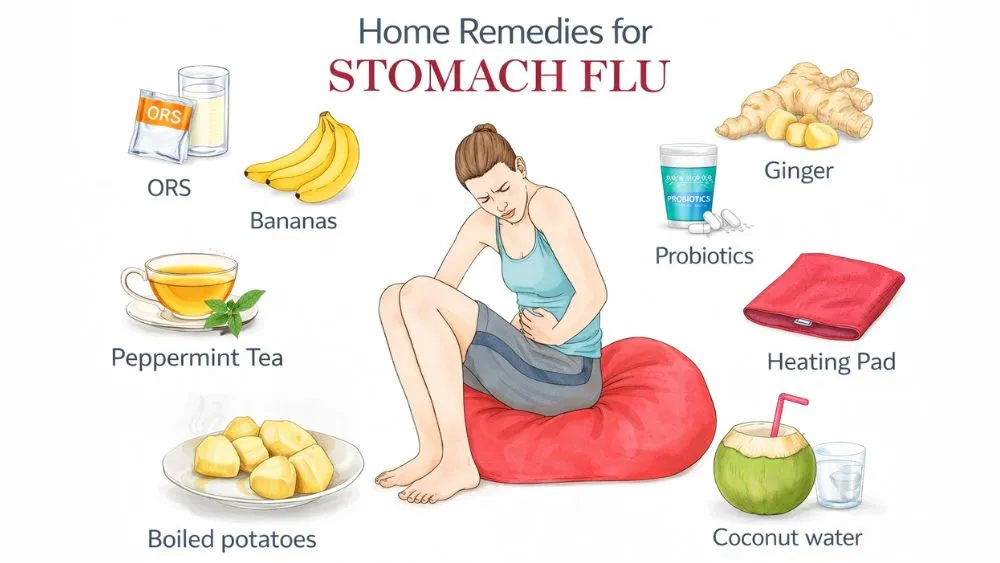
1. ORS — The Most Underrated Fix
ORS for stomach flu is more effective than plain water.
When you vomit or have diarrhea, you lose sodium, potassium, and glucose, not just water. Drinking plain water doesn’t replace those.
The WHO’s oral rehydration formula is 1 liter of water + 6 teaspoons of sugar + ½ teaspoon of salt. Stir and sip slowly. Pharmacies also sell pre-made ORS sachets.
Drink it in small sips, like 1–2 tablespoons every 5 minutes if you’re actively vomiting.
2. Clear Liquids to Keep You Going
When solid food is off the table, these keep your body running:
- Clear broth (chicken or vegetable) gives sodium and some calories
- Rice water: The starchy water left after cooking rice; reduces diarrhea frequency
- Coconut water is a natural electrolyte, specifically with potassium
Rice water reduces stool output by up to 36% in children with diarrhea.
3. BRAT Diet — What to Eat With Stomach Flu
You may overthink when you want to know what to eat with stomach flut.
The BRAT diet keeps things simple:
- Bananas are the best potassium replacement, and are easy to digest
- Rice has low fiber, which binds to the stool
- Applesauce contains gentle pectin that soothes the gut
- Toast has minimal fat and absorbs stomach acid
Start with tiny portions. A few bites of a banana is a win if you’ve been vomiting. Don’t push for a full meal.
| Avoid brown rice during stomach flu. The extra fiber makes diarrhea worse. White rice only. |
4. Ginger for Nausea
Ginger contains gingerols and shogaols, which are compounds that block the vomiting reflex by acting on serotonin receptors in the gut.
Steep 1 inch of fresh ginger in hot water for 10 minutes. Sip slowly. You can also chew a small raw slice, though it’s intense.
| Commercial versions of ginger ale contain no real ginger and too much sugar. |
5. Peppermint Tea for Cramps
Menthol is the active compound in peppermint. It relaxes the smooth muscles lining the intestines. This directly reduces cramping and bloating.
Steep 1 teaspoon of dried peppermint leaves (or one tea bag) for 5–7 minutes. Drink warm, not hot.
Avoid peppermint if you have acid reflux, because it relaxes the lower esophageal sphincter and makes reflux worse.
6. Ice Chips When Vomiting Won’t Stop
If you vomit every time you sip liquid, switch to ice chips. They melt slowly in the mouth, delivering tiny amounts of water your stomach can tolerate without triggering the vomit reflex. For children, especially, ice chips prevent dehydration during aggressive vomiting phases.
7. Probiotics — Specific Strains Matter
Some probiotics recommended below are specified. For viral gastroenteritis home remedies, the strains with actual clinical evidence are:
- Lactobacillus rhamnosus GG shortens diarrhea duration by 24–48 hours in children (Cochrane review, 2019)
- Saccharomyces boulardii reduces stool frequency and recovery time
Generic multi-strain yogurt helps too, but the effect is smaller. If you’re buying a supplement, look for these strain names on the label.
8. Rest — Not Optional
Your immune system produces infection-fighting proteins called cytokines, mostly while you sleep. Cutting sleep short during a viral infection slows that process.
Aim for at least 9 hours during active stomach flu. Avoid screens, which affect sleep quality and immune response. That’s not wellness advice. That’s biology.
9. Heating Pad for Abdominal Cramps
A warm heating pad placed on your abdomen relaxes intestinal muscle spasms. Set it on low-medium heat. Keep a thin cloth between the pad and your skin.
Don’t use heat if your abdomen feels hard or swollen, or if pressing on it causes sharp pain, which are symptoms other than stomach flu.
10. Gradual Food Reintroduction
After 24 hours of holding food down, slowly add:
- Boiled potatoes (plain)
- Oatmeal with water
- Plain crackers
- Low-fat yogurt with live cultures
Stay off fried food, spicy meals, and dairy for at least 48 hours after symptoms stop. Your gut lining is still inflamed and needs more time to heal even when you feel better.
What to Eat With Stomach Flu
What to eat with stomach flu depends on where you are in the illness.
Day 1 (active vomiting/diarrhea): nothing solid. Fluids only.
Day 2 (symptoms easing): BRAT foods in small portions.
Day 3 onward: gradually add boiled potatoes, oatmeal, and plain crackers.
Always avoid:
- Dairy (temporarily; it worsens diarrhea by irritating an already sensitive gut)
- Fried and fatty foods
- Sugary drinks (high sugar pulls more water into the intestines, making diarrhea worse)
- Caffeine and alcohol (both dehydrate you further)
Drinks for When You Have the Stomach Flu
The best drinks for when you have the stomach flu:
- ORS solution should be your first choice, always
- Coconut water is a good potassium source and gentle on the stomach
- Clear broth has sodium, warmth, and minimal calories
- Diluted apple juice works similar to commercial electrolyte drinks in mildly dehydrated children
Avoid completely:
- Soda (carbonation and sugar worsens bloating and diarrhea)
- Sports drinks like Gatorade (too much sugar, not enough sodium for severe fluid loss)
- Undiluted fruit juices (fructose overload pulls fluid into the gut)
Viral Gastroenteritis Home Remedies: What Actually Works vs. What Doesn’t
Evidence-backed:
- ORS reduces dehydration risk and shortens hospital stays
- Zinc supplementation (10–20mg daily in children under guidance) reduces diarrhea severity per WHO recommendations
- Lactobacillus rhamnosus GG and Saccharomyces boulardii probiotics
Skip these:
- Random antibiotics: Stomach flu is viral. Antibiotics kill bacteria. They do nothing here and disrupt your gut bacteria further.
- Anti-diarrheal drugs like loperamide (Imodium) in children, these drugs can cause dangerous complications.
- Heavy herbal mixtures: No clinical data supports most of them for viral gastroenteritis specifically.
The viral gastroenteritis home remedies with the best track record are simple. Hydrate, rest, eat bland food, and use evidence-based probiotics if you have them.
How Long Does Stomach Flu Last?
- Mild cases: 1–3 days. Most people are back to normal within 72 hours.
- Fatigue and appetite loss: 5–7 days after symptoms stop. This is normal. The gut lining takes time to fully repair.
- See a doctor if symptoms last beyond 5 days. Persistent symptoms may indicate a bacterial infection (like Salmonella or Campylobacter), which does need antibiotics.
When to Seek Medical Care
Go to urgent care or an ER if you notice:
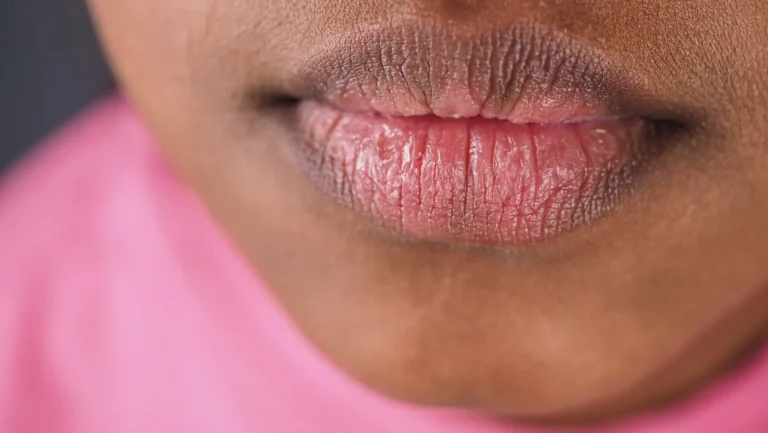
- Dry mouth, dizziness, or no urination for 8+ hours are signs of significant dehydration
- Blood in stool or vomit
- Fever above 101°F (38.5°C)
- Severe abdominal pain that doesn’t ease
- Symptoms in infants, elderly adults, or anyone immunocompromised dehydrate faster and crash harder
Infants under 3 months with any vomiting or diarrhea should see a doctor immediately.
Preventing Stomach Flu at Home
Norovirus (the most common cause of stomach flu) survives on surfaces for up to 12 days. Standard hand sanitizer doesn’t kill it. You need soap and water, scrubbing for at least 20 seconds.
Practical prevention steps:
- Wash your hands before and after handling food, and after using the bathroom
- Disinfect surfaces (doorknobs, faucets, toilet handles) with a bleach-based cleaner: 5–25 tablespoons of bleach per gallon of water
- Don’t prepare food for others while sick
- Wash contaminated clothing and linens on the hottest setting your machine allows
FAQs
Is stomach flu contagious?
Yes. Norovirus spreads through contaminated food, surfaces, and person-to-person contact. You’re contagious from the moment symptoms start until 48–72 hours after they stop. Wash hands with soap, not just sanitizer because norovirus resists alcohol-based gels.
Can I take anti-diarrheal medicine?
Adults can use loperamide (Imodium) for short-term relief. Children should not use it because it can cause life-threatening bowel complications in kids with viral gastroenteritis.
Should I stop eating completely?
No. Stop eating solids during active vomiting, but as soon as you tolerate liquids, start BRAT foods. Fasting longer than 24 hours slows gut recovery and prolongs weakness.
Is ORS better than water?
Yes. Plain water replaces fluid but not electrolytes. During stomach flu, you lose sodium and potassium through vomiting and diarrhea. Without replacing those, muscles cramp and dehydration worsens despite drinking water.
Can antibiotics treat stomach flu?
No. Stomach flu is caused by viruses, such as norovirus, rotavirus, and astrovirus. Antibiotics only work on bacteria. Taking them unnecessarily damages your gut microbiome and won’t shorten symptoms by a single hour.
How do I know if I’m dehydrated?
Check urine color (dark yellow means dehydrated), urine frequency (less than 3 times in 8 hours is a warning sign), and skin elasticity (pinch the back of your hand, if it returns slowly, dehydration is likely).
Can I drink milk during stomach flu?
No, not during active illness. Viral gastroenteritis temporarily reduces lactase enzyme production, making dairy hard to digest. This causes bloating and worsens diarrhea. Wait 48 hours after symptoms fully stop before reintroducing dairy.






Leave a Comment