

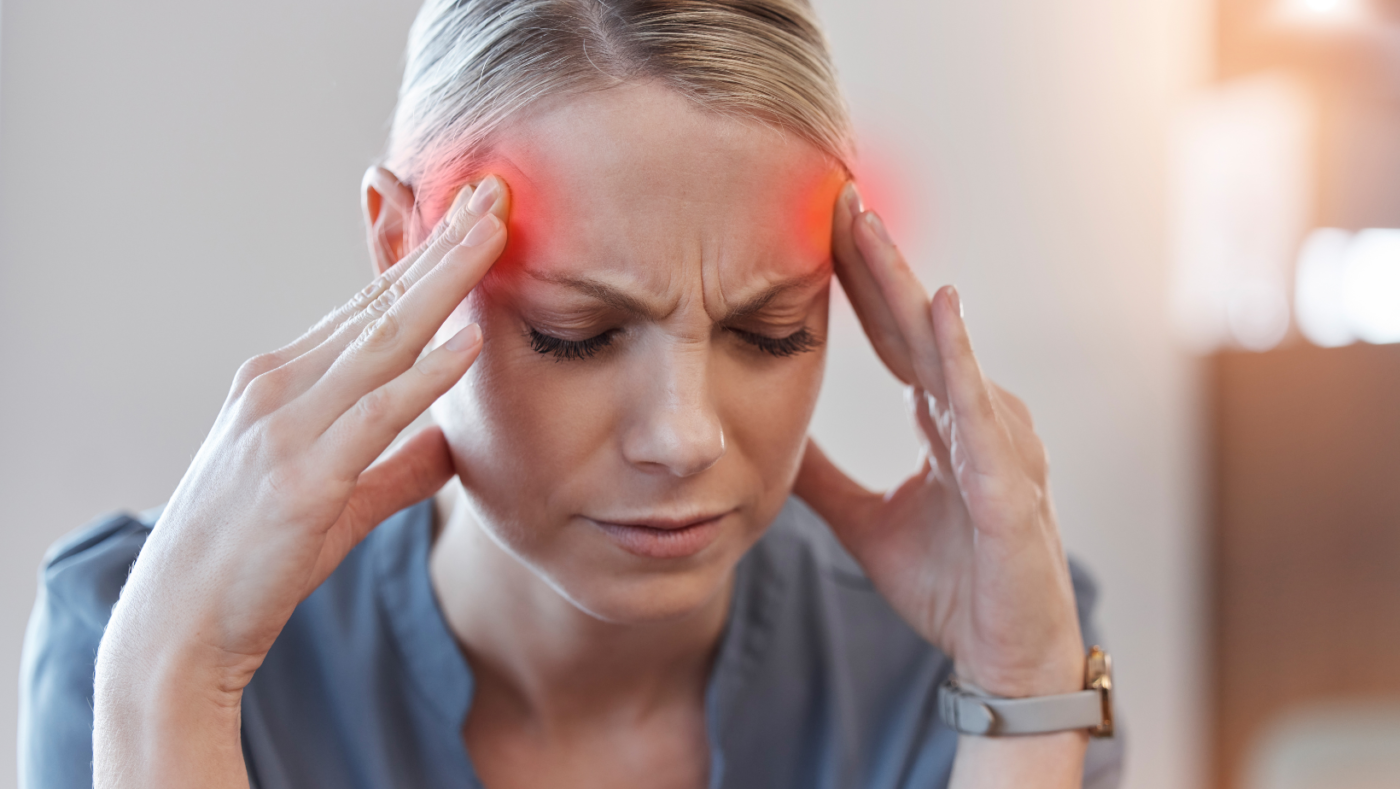

Migraines are a neurological condition that affects over 1 billion people worldwide. The pain can last 4 to 72 hours, and for many people, it disrupts work, sleep, and daily life completely.
If your migraines happen more than twice a month or last longer than 3 days, that warrants a neurology referral, not just over-the-counter management. Chronic migraine (15+ headache days a month) is a real diagnosis with dedicated treatment protocols.
What Is the Cause of Migraines?
Migraines happen when the brain becomes overly sensitive to triggers. Changes in brain chemicals, especially serotonin, cause blood vessels to swell and nerves to fire abnormally.
Hormonal shifts, disrupted sleep, dehydration, bright lights, and certain foods are the most common triggers. Genetics also play a role. If both parents had migraines, you have a 75% chance of getting them too.
What Are the 4 Stages of a Migraine?
Most migraines follow 4 stages:
- Prodrome (hours to a day before): mood changes, food cravings, neck stiffness, frequent yawning.
- Aura (20-60 minutes before): visual disturbances, tingling, difficulty speaking.
- Attack (4-72 hours): throbbing head pain, nausea, light sensitivity.
- Postdrome (after pain ends): fatigue, brain fog, body weakness. Sometimes called a “migraine hangover.”
Not every migraine goes through all 4 stages. You may skip migraine aura entirely.
What’s the Difference Between a Headache and Migraine?
A regular headache is dull pressure, usually on both sides. A migraine is a neurological event. The pain is intense, often one-sided, and comes with nausea, vomiting, or extreme light/sound sensitivity. Headaches don’t stop you from functioning. Migraines often do.
What Is a Silent Migraine?
A silent migraine includes all the stages of a migraine, including aura, but without the head pain. You get visual disturbances, nausea, dizziness, and sensitivity to light, but no throbbing pain. Doctors call it “acephalgic migraine.” It is often misdiagnosed because people don’t expect a migraine without pain.
How to Identify a Migraine?
Watch for these signs: one-sided throbbing pain, nausea, sensitivity to light and sound, pain that worsens with movement, and visual disturbances (like zigzag lines or blind spots). If your headache lasts more than 4 hours and disrupts daily activity, it is likely a migraine.
A useful tool is the ID Migraine questionnaire. If you answer yes to 2 out of 3 questions (nausea, light sensitivity, disrupted function), there is a 93% chance it is a migraine.
How Do You Treat a Migraine?
Treatment falls into two types:
Acute (stop the attack): Over-the-counter options like ibuprofen or aspirin work for mild migraines. For severe ones, doctors prescribe triptans (sumatriptan, rizatriptan). Anti-nausea medication is also added if vomiting occurs.
Preventive (reduce frequency): Beta-blockers, antidepressants, or CGRP inhibitors are prescribed when migraines happen more than 4 times a month. A neurologist decides which one fits best.
How to Relieve Migraine?
Apply a cold pack to your forehead or a warm compress to your neck. Lie down in a dark, quiet room. Drink water. Peppermint oil applied to the temples has shown real relief in clinical studies. Pressure on the LI-4 acupressure point (the webbing between thumb and index finger) also helps some people.
How Do You Recover From a Migraine?
Recovery, or the postdrome phase, takes 24 to 48 hours. Sleep is the fastest way through it. Avoid screens and bright lights. Eat light, easy-to-digest food. Hydrate slowly with water or electrolyte drinks. Avoid jumping into strenuous activity even if the pain is gone. The brain is still recovering.
What Drink Will Help a Migraine?
Water is the first answer. Dehydration triggers and worsens migraines. A small amount of caffeine (like one cup of coffee or tea) can shrink swollen blood vessels and speed up the effect of pain relievers. But too much caffeine backfires and causes rebound headaches. Electrolyte drinks with magnesium are also useful.
What to Avoid After a Migraine?
For at least 24 hours after a migraine: avoid alcohol, strong smells, loud environments, skipping meals, and excessive screen time. These are the same things that trigger a migraine, and the brain stays sensitive even after the attack ends. Going back to normal too fast often triggers another episode.
What Stops a Migraine Fast?
Triptans are the fastest prescription option. Over-the-counter, a combination of aspirin (900mg) + metoclopramide has solid evidence behind it. Non-medically, lying in a dark room with a cold compress and drinking water works faster than most people expect. Starting any treatment at the first sign of a migraine, not after it peaks, makes the biggest difference.
How to Cure Migraine in 10 Minutes?
There is no guaranteed 10-minute cure. But this works for some people in the early stage: take pain relief immediately, apply cold to the forehead, press the LI-4 acupressure point firmly for 5 minutes, and breathe slowly in a dark, quiet room. Catching it during the prodrome stage dramatically shortens the attack.
Do Bananas Help Migraines?
Yes, sometimes. Bananas are high in magnesium and B6, two nutrients that reduce migraine frequency when taken regularly. They also help stabilize blood sugar, and blood sugar crashes are a known migraine trigger. Bananas won’t stop an active migraine, but eating them regularly can reduce how often migraines happen.
What’s the Best Sleeping Position for Migraines?
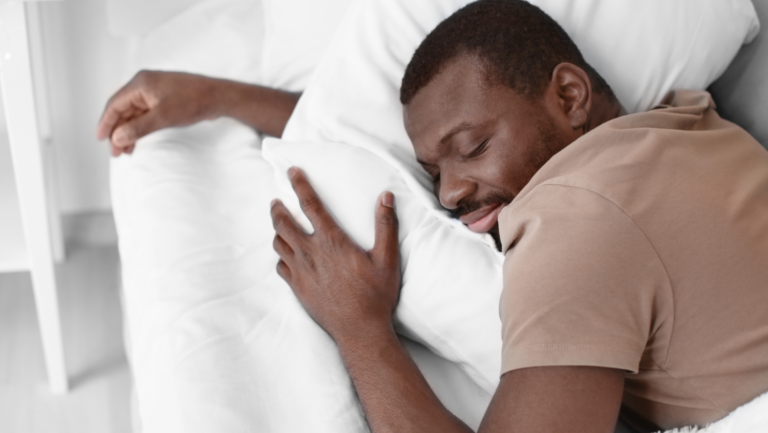
Sleep on your back with a supportive pillow that keeps the neck neutral. Sleeping face-down puts pressure on the neck and increases head pain. Side sleeping is acceptable if the pillow keeps the spine aligned. Elevating the head slightly (around 30 degrees) reduces blood pressure in the head and can ease pain during an active migraine.
What Is the Best Medicine for Migraines?
For most adults, triptans are the gold standard for acute attacks. Sumatriptan (50mg or 100mg) works for the majority of migraine sufferers. For prevention, CGRP monoclonal antibodies like erenumab (Aimovig) are newer and highly effective. Always confirm with a neurologist since the “best” option depends on frequency, severity, and other health conditions.
What Is the Fastest Relief for a Migraine?
Injectable sumatriptan works in under 10 minutes for most people. It is faster than oral tablets because it skips digestion. For non-prescription relief, a cold pack on the forehead combined with early ibuprofen and caffeine works faster than any single option alone. Nasal spray triptans also work faster than pills.










Leave a Comment