

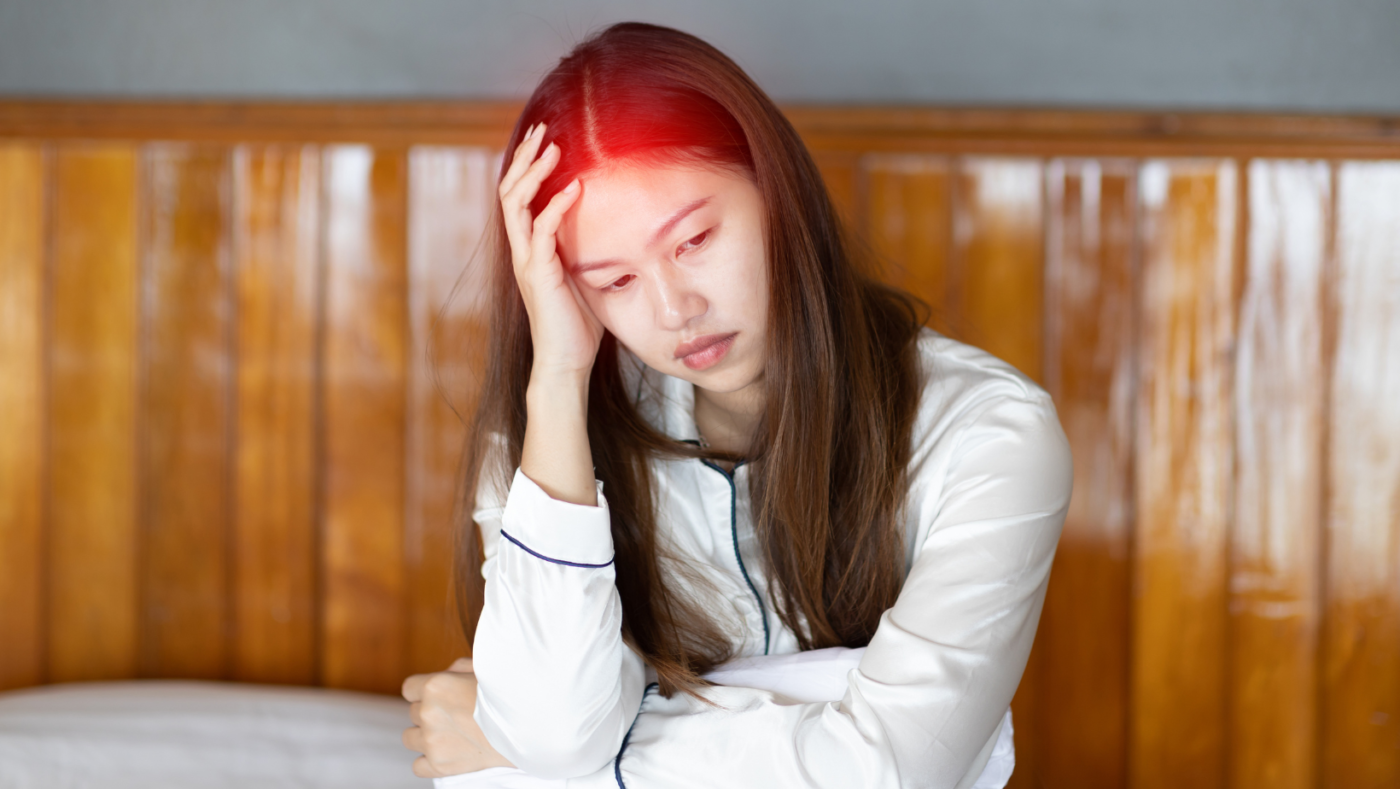

A migraine is a neurological attack that can knock you out for hours, sometimes days. Knowing how to get rid of a migraine is based on catching it early and responding fast. The right steps within the first 30 minutes make a real difference.
Roughly 1 billion people worldwide deal with migraines. It’s the third most common illness on the planet. Yet most people still wait too long before acting, and that delay turns a manageable episode into a full-blown 12-hour disaster.
What Is a Migraine? Common Migraine Symptoms
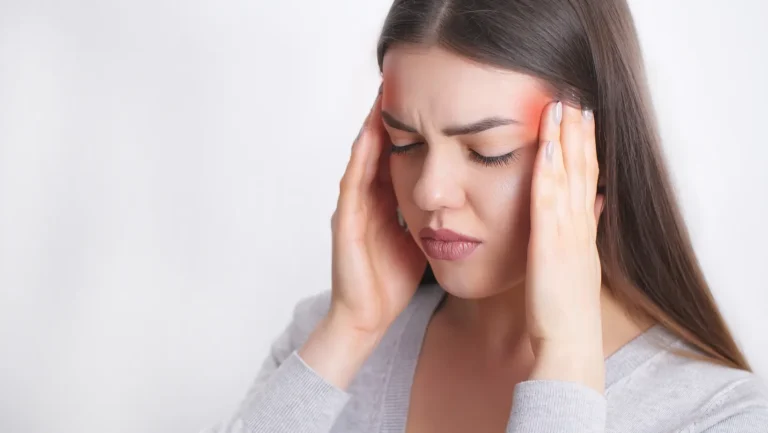
A migraine is a brain disorder. Something disrupts the normal electrical and chemical activity in your brain, which triggers intense, pulsing pain, usually on one side of the head.
Common symptoms include:
- Throbbing or pulsing pain on one side of the head
- Nausea or vomiting
- Extreme sensitivity to light and sound
- Blurred vision
- Lightheadedness
- Pain that gets worse with movement
About 25-30% of migraine sufferers also experience something called an aura before the pain starts. Aura symptoms include flashing lights, blind spots, or tingling in the face and hands. This is your warning window. Act during the aura, and you can sometimes stop the full attack.
Best Ways to Relieve Migraine Pain
Best ways to relieve migraine pain come down to speed. The faster you respond, the shorter and weaker the migraine tends to be.
Rest in a Dark, Quiet Room
Light and sound are active triggers during a migraine. They don’t just feel uncomfortable. They physically amplify the pain signals your brain is already firing. Get into a dark, quiet space as fast as possible. Close curtains. Turn off screens. Put your phone on silent.
Lying still with your eyes closed helps your nervous system stop processing all the external input that’s making everything worse.
Apply a Cold Compress
Cold packs work. A 2013 study published in the Hawai’i Journal of Medicine and Public Health found that applying a frozen neck wrap reduced migraine pain in participants by nearly 30% within 30 minutes.
Cold narrows blood vessels. During a migraine, blood vessels in the brain dilate, which is part of what causes the pounding sensation. Cold reverses some of that. Apply to the back of the neck or your forehead for 15 to 20 minutes.
Hydrate Properly
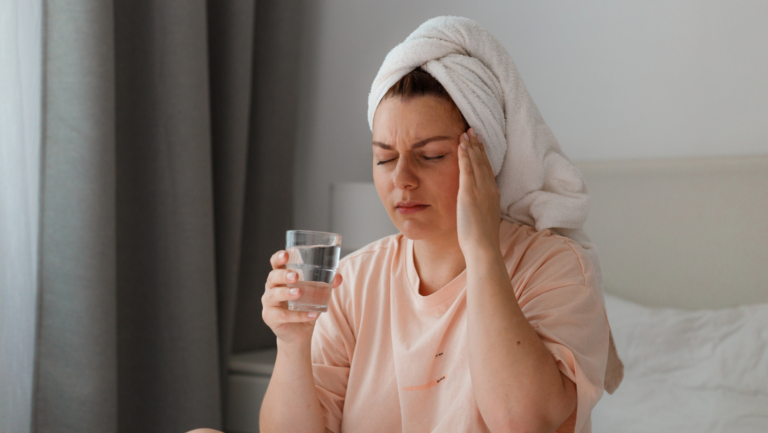
Dehydration is one of the most overlooked migraine triggers. Your brain is roughly 75% water. When you’re even mildly dehydrated, brain tissue loses volume slightly, which pulls against the skull lining and causes pain. Dehydration-triggered migraine relief starts with water and nothing else. Drink a full glass slowly, not in big gulps.
Sports drinks with electrolytes like sodium and magnesium help your body absorb fluid faster than plain water alone.
Take Migraine Medication Early
Two main categories work here:
- NSAIDs (like ibuprofen or naproxen): These are over-the-counter. They reduce inflammation and block pain signals. Take them at the first sign of a migraine, not after the pain peaks.
- Triptans (like sumatriptan): These are prescription-only. They work by narrowing blood vessels and blocking pain pathways in the brain. Studies show triptans are effective in 70-80% of migraine cases when taken early.
Waiting until the migraine fully sets in before taking medication is the biggest mistake people make. By then, your stomach slows down and absorbs the medicine poorly.
Gentle Neck or Scalp Massage
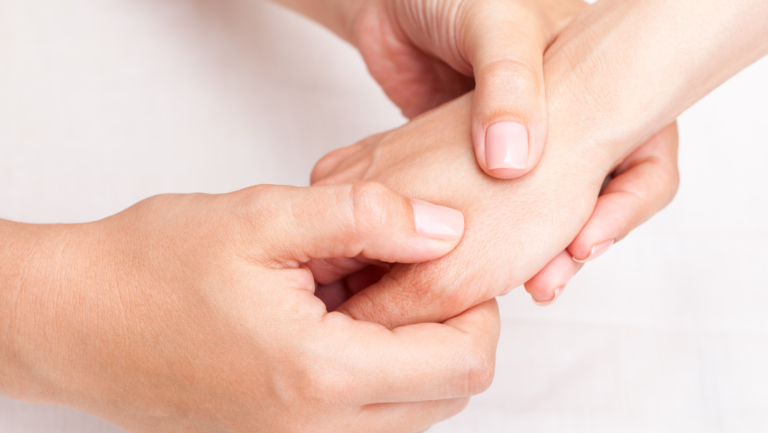
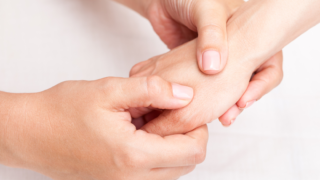
Tension in the neck and shoulders tightens the muscles at the base of the skull. That tension feeds directly into head pain. A slow, firm massage along the base of the skull and upper neck releases that compression. Even 5 minutes helps.
Home Remedies to Stop a Migraine
Home remedies to stop a migraine work for mild attacks, or when you’re trying to avoid overusing painkillers, these options have real science behind them.
Ginger Tea
Ginger contains compounds that block prostaglandins, which are chemicals involved in inflammation and nausea. A 2014 study in Phytotherapy Research compared ginger powder to sumatriptan for migraine relief. Ginger performed comparably in reducing headache intensity within two hours.
Steep half a teaspoon of fresh grated ginger in hot water for 10 minutes. Drink slowly.
Magnesium-Rich Foods
Magnesium deficiency is strongly linked to migraines. Research shows that people who get frequent migraines have lower magnesium levels in the brain during attacks compared to people without migraines.
Foods high in magnesium include:
- Pumpkin seeds (highest food source)
- Dark chocolate (at least 70% cacao)
- Spinach
- Black beans
- Almonds
If food isn’t enough, magnesium glycinate supplements (400mg daily) are widely used as a preventive measure.
Peppermint Oil
Menthol, the active compound in peppermint oil, creates a cooling effect on the skin and stimulates receptors that compete with pain signals. Applying diluted peppermint oil to the temples reduces headache intensity in clinical studies. Use a carrier oil like coconut oil first; undiluted peppermint oil on skin causes irritation.
Lavender Aromatherapy
A study in European Neurology found that inhaling lavender oil for 15 minutes reduced migraine severity in 92 out of 129 migraine episodes. That’s a strong result. Lavender lowers cortisol, which is the stress hormone. Stress is a direct migraine trigger.
Relaxation or Breathing Exercises
Slow, diaphragmatic breathing lowers your heart rate and calms the nervous system. The 4-7-8 method (inhale for 4 seconds, hold for 7, exhale for 8) specifically activates the parasympathetic nervous system, which reduces tension headaches and stress-related migraines.
Food Triggers That Cause Migraines
Some foods consistently trigger migraines in sensitive individuals. The mechanism varies, but most involve either blood vessel changes, neurotransmitter shifts, or inflammation.
Common dietary triggers:
- Aged cheese: Contains tyramine, which triggers dopamine release and vessel dilation
- Chocolate: Also high in tyramine and phenylethylamine
- Alcohol, especially red wine: Contains histamine and sulfites
- Processed meats: Contain nitrates that directly dilate blood vessels
- Artificial sweeteners, particularly aspartame: Alter brain chemistry in sensitive people
- Excess caffeine: Above 200mg daily, caffeine withdrawal itself becomes a trigger
Sensitivity is individual. What triggers a migraine for one person does nothing to another. Keep a food diary for 4 weeks and log everything you eat within 24 hours of a migraine attack.
Dehydration-Triggered Migraine Relief
Dehydration-triggered migraine relief is more straightforward than most people think, but the signs are easy to miss.
Signs your migraine is dehydration-related:
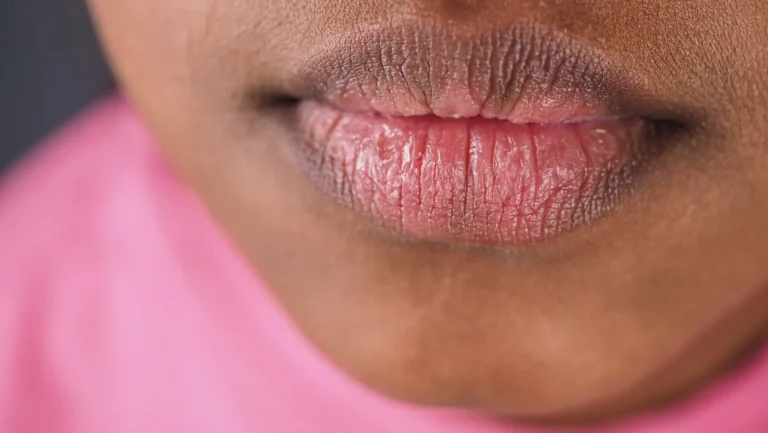
- Dry mouth or cracked lips before the headache started
- Fatigue and foggy thinking
- Dark yellow urine earlier in the day
Immediate steps if dehydration is the cause:
- Drink 500ml of water immediately (about two cups)
- Follow up with an electrolyte drink containing sodium, potassium, and magnesium
- Avoid coffee and alcohol; both pull water out of your system faster
- Stay horizontal for 20 minutes after drinking to let your body absorb it
Prevention is easier. Drink at least 2 to 2.5 liters of water daily. People who consistently hydrate get fewer migraines. It’s that direct.
How Long Migraines Usually Last
How long migraines usually last depends on whether treatment happens early or not.
- Untreated migraine: 4 to 72 hours
- With early medication: often 2 to 4 hours
Migraines move through four phases:
- Prodrome (hours to days before): mood shifts, food cravings, neck stiffness
- Aura (up to 60 minutes before): visual disturbances, tingling, speech changes
- Headache: the main attack, 4 to 72 hours if untreated
- Postdrome (after the pain): fatigue, brain fog, sensitivity for up to 24 hours
Knowing how long migraines usually last in your own pattern helps. Track your episodes. If yours regularly exceed 48 hours, that warrants a doctor’s evaluation.
When to See a Doctor
Go to the ER or urgent care immediately if:
- The headache is the worst of your life and came on suddenly
- Headache is paired with fever, stiff neck, or confusion
- You have weakness, numbness, or trouble speaking
- Vision loss doesn’t resolve within an hour
See your regular doctor if migraines are disrupting your life more than twice a month. Preventive prescriptions like propranolol, topiramate, or CGRP inhibitors are available and effective.
How to Prevent Future Migraines
Knowing how to get rid of a migraine after it starts is useful. Stopping them before they start is better.
Effective prevention strategies:
- Sleep consistency: Going to bed and waking at the same time every day reduces migraine frequency significantly. Irregular sleep is a major trigger.
- Stress management: Cortisol spikes trigger migraines. Regular exercise, meditation, or even 10-minute breathing breaks lower baseline cortisol.
- Trigger tracking: Use an app like Migraine Buddy or N1-Headache to log food, sleep, stress, and weather. Patterns show up within 6 to 8 weeks.
- Hydration and meal timing: Skipping meals drops blood sugar, which triggers migraines. Eat within 2 hours of waking.
- Regular low-impact exercise: 30 minutes of walking three times a week reduces migraine frequency by about 40% in multiple clinical trials.
Understanding how to get rid of a migraine before it grows unmanageable is the real goal. The tools are available. Using them early is what separates a two-hour episode from a two-day one.
Frequently Asked Questions
What is the fastest way to stop a migraine?
Take an NSAID like ibuprofen (400-600mg) the moment you feel a migraine starting, move to a dark quiet room, and apply a cold compress to the back of your neck. This combination within the first 20 minutes cuts the attack duration by hours. Waiting until the pain peaks makes medication far less effective.
Can dehydration cause migraines?
Yes. Dehydration reduces brain fluid volume, which irritates pain-sensitive membranes around the brain. Drinking 500ml of water at the first sign of a migraine stops the attack completely in about 30 minutes when dehydration is the actual cause. Dark urine before the headache is the clearest sign.
Is caffeine good for migraines?
In small doses, yes. Under 100mg (roughly one small coffee), caffeine narrows blood vessels and boosts the effectiveness of pain relievers by up to 40%. Above 200mg daily, it becomes a trigger. Stopping caffeine suddenly after regular use causes rebound migraines within 12 to 24 hours.
Do migraines go away on their own?
Yes, but it takes 4 to 72 hours without treatment. Most untreated migraines peak at 6 to 12 hours. The postdrome phase still leaves you fatigued and foggy for another 24 hours after the pain ends. Treating early shortens the total episode to 2 to 6 hours.
How often are migraines considered chronic?
Chronic migraine means 15 or more headache days per month, with at least 8 of those being migraines, for over three consecutive months. About 3% of people with episodic migraines progress to chronic each year, mostly due to overusing pain medication, poor sleep, or unmanaged stress.




Leave a Comment