


Iron deficiency anemia affects 1.2 billion people worldwide, making it the most common nutritional disorder on the planet. Most people focus on eating more iron, but few realize that certain foods actively block what they already eat. Knowing the right food to avoid for anemia matters as much as knowing what to add.
What Foods Make Anemia Worse
How Diet Affects Iron Levels in the Body
Your gut absorbs iron in two stages. First, stomach acid converts iron into a form the intestine wall can grab. Second, a protein called ferroportin carries it into your bloodstream. If either stage gets disrupted, your iron levels drop, regardless of how much spinach or red meat you eat.
Iron Absorption vs Intake Difference
Eating 18mg of iron daily does not mean 18mg enters your blood. Healthy adults absorb roughly 10-15% of dietary iron. People with anemia absorb slightly more, around 20-30%. But absorption tanks fast when inhibitors are present at the same meal.
Common Mistakes That Worsen Anemia
Drinking tea with a plate of lentils. Washing iron tablets down with milk. Eating high-bran cereal with zero vitamin C. These are the actual habits that keep iron levels low despite correct supplementation.
Hidden Dietary Causes of Low Iron
Antacids taken daily suppress stomach acid, which reduces iron absorption. Proton pump inhibitors like omeprazole have the same effect. Heavily processed foods often contain EDTA as a preservative, and EDTA binds iron in the gut and pulls it out through stool.
Diet Restrictions for Anemia Patients
Diet restrictions for anemia patients are about timing and pairing. Most people do not need to cut tea forever. They need to stop drinking it during iron-rich meals.
Foods to Limit During Iron Deficiency
- Tea, coffee, and cocoa
- Dairy products like milk, cheese, and yogurt
- Whole wheat bread and bran cereals
- Soy milk, tofu, and edamame
- Red wine and other polyphenol-heavy drinks
- Antacid medications taken with meals
Timing Meals to Improve Absorption
Wait at least one hour after an iron-rich meal before drinking tea or coffee. Take iron supplements on an empty stomach or with orange juice, not with a meal containing dairy or grains. If your stomach cannot handle supplements on an empty stomach, pair them with a small amount of vitamin C-rich food instead.
Combining Foods Correctly
Pair non-heme iron (plant iron) with vitamin C. A squeeze of lemon on lentils increases iron absorption by up to 67%, according to research published in the American Journal of Clinical Nutrition. Pair heme iron (meat-based iron) with vegetables rather than grains for best results.
Avoiding Nutrient Interference
Zinc and iron compete for the same absorption pathway. High-dose zinc supplements taken alongside iron reduce how much iron your gut picks up. Same problem happens with excessive calcium supplements. Take them at separate times, at least two hours apart.
Foods Causing Poor Iron Levels
Tea and Coffee Blocking Iron Absorption
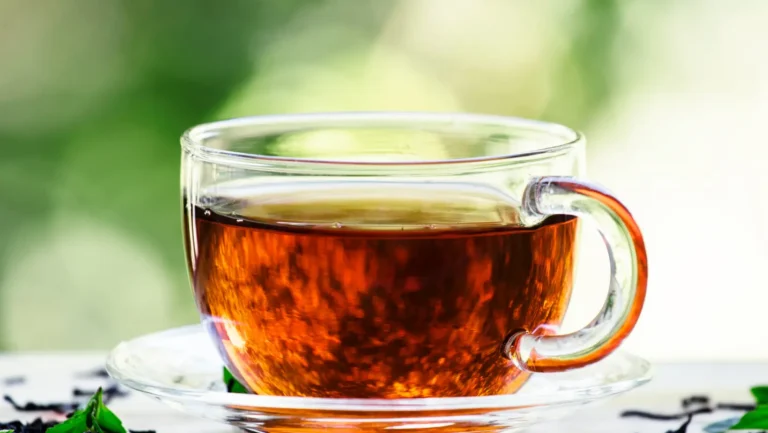
Black tea contains tannins. Tannins bind iron and form a compound the gut cannot absorb. One cup of black tea with a meal reduces iron absorption by 60-70%. Green tea is slightly milder but still inhibits absorption significantly. Coffee blocks iron absorption by around 35-39% when consumed within an hour of eating.
Calcium-Rich Foods During Iron Meals
Calcium directly competes with iron for the same receptor in the intestine wall. 300mg of calcium, roughly the amount in one glass of milk, reduces both heme and non-heme iron absorption by 50%. This is one of the most ignored food to avoid for anemia.
High-Phytate Foods Like Grains and Legumes
Phytic acid sits in the outer shell of grains, beans, and seeds. It binds iron, zinc, and calcium before they reach the bloodstream. One gram of phytic acid can reduce non-heme iron absorption by 50-60%. Soaking beans overnight and rinsing them reduces phytate content by around 30-40%. Sprouting grains cuts it further.
Soy Products and Iron Interference
Soy contains a specific protein called soy protein isolate that inhibits non-heme iron absorption independent of its phytate content. Studies show soy reduces iron absorption by 25-50%, depending on the meal composition. This is why vegans who rely heavily on tofu and soy milk often develop iron deficiency faster than those who eat a varied plant-based diet.
Excess Fiber Affecting Iron Absorption
Excess fiber affecting iron absorption is a real but often misunderstood issue. Fiber itself is not the villain. The problem is the type and amount consumed alongside iron.
How Fiber Binds Iron in Digestion
Insoluble fiber, specifically cellulose and hemicellulose found in wheat bran and brown rice, physically traps iron ions during digestion. These fiber strands pass through the gut intact and carry bound iron out with them. Soluble fiber has a weaker effect, but at very high quantities, it still reduces iron uptake.
High-Fiber Foods to Moderate Intake
- Wheat bran and bran muffins
- Brown rice eaten in large quantities
- Raw oats without vitamin C pairing
- Flaxseeds in large portions
Balancing Fiber Without Harming Iron Levels
Do not cut fiber. Fiber is non-negotiable for gut health. Instead, eat iron-rich foods separately from high-bran meals when possible. White rice instead of brown rice at an iron-focused meal is not a downgrade; it is a deliberate strategy.
Best Timing for Fiber Consumption
High-fiber meals work best at breakfast when iron absorption pressure is lower. Save iron-heavy meals for lunch or dinner, where you have more control over pairing. This is a small shift that adds up over weeks.
Food Combinations That Block Iron Uptake
The wrong food pairing ruins an otherwise iron-rich meal. Most people with anemia eat correctly but absorb poorly because of what surrounds the iron at the table.
Iron With Dairy Combinations
A spinach omelette with a glass of milk is a common breakfast. The spinach contains oxalates, the eggs contain some iron, and the milk blocks calcium from interfering with absorption. The result is poor absorption from all three sources. Eat the eggs without milk as a drink. Use water or juice instead.
Iron With Caffeine Interactions
One cup of coffee 30 minutes after an iron-rich meal blocks up to 39% of that iron. If you take an iron supplement in the morning with coffee, the supplement is largely wasted. Shift coffee to two hours after any iron intake.
Mixing Iron-Rich Foods With Inhibitors
Beans and cheese together. Lentil soup with whole wheat bread. Spinach salad with a tahini dressing. Tahini is sesame paste, which is high in oxalates and phytates. These are classic pairings that sound healthy but actively reduce iron absorption.
Correct Food Pairing Strategies
- Lentils plus lemon juice or tomatoes
- Red meat plus steamed broccoli or bell peppers
- Spinach cooked lightly with garlic and lemon (cooking reduces oxalates by 30-50%)
- Iron supplements taken with a small glass of orange juice
Top Foods to Eat For Anemia
Top foods to eat for anemia fall into two categories: heme iron sources and non-heme sources with strong vitamin C pairing. The body absorbs heme iron at a rate of 15-35%. Non-heme iron without pairing absorbs at roughly 2-8%. With vitamin C present, that jumps to 12-15%.
Heme Iron Sources From Animal Foods
- Beef liver: 6.5mg per 100g (highest food source available)
- Chicken liver: 9mg per 100g
- Red meat: 2.5-3mg per 100g
- Oysters: 7mg per 100g
- Sardines: 2.9mg per 100g
Plant-Based Iron-Rich Foods
- White beans: 8mg per cup
- Lentils: 6.6mg per cup
- Tofu: 3mg per 100g (absorption is reduced by soy protein, so pair with vitamin C)
- Pumpkin seeds: 2.5mg per 28g
- Fortified oats: varies by brand, typically 4-8mg per serving
Vitamin C Foods That Boost Absorption
- Red bell peppers: 190mg vitamin C per 100g (higher than oranges)
- Amla (Indian gooseberry): 600mg per 100g
- Guava: 228mg per 100g
- Kiwi: 92mg per 100g
- Strawberries: 59mg per 100g
Iron-Rich Meal Examples
- Beef stir-fry with broccoli and red peppers
- Lentil soup with a squeeze of lemon and tomatoes
- Chicken liver with sautéed spinach and lemon dressing
- Fortified oat porridge with strawberries and no milk
Daily Diet Plan for Anemia Recovery
Breakfast Ideas for Better Iron Absorption
Fortified oats with kiwi slices and water. Skip the milk. Add a boiled egg on the side for some heme iron. This is a simple breakfast that avoids every major absorption blocker.
Lunch Combinations That Support Iron Levels
Lentil soup with chopped tomatoes stirred in. A side of red bell pepper strips. Avoid bread unless it is white bread in small amounts. The tomatoes provide vitamin C that lifts non-heme absorption significantly.
Snacks That Improve Iron Intake
- A handful of pumpkin seeds with a small glass of orange juice
- Boiled edamame with lemon (vitamin C offsets some soy interference)
- Fortified crackers with hummus and red pepper strips
Dinner Meals That Avoid Absorption Blockers
Grilled chicken or beef with steamed broccoli and a side salad dressed with lemon juice. No cheese. No wine. No bread. Water or a vitamin C drink instead of tea or coffee.
Signs Your Diet Is Worsening Anemia
Your symptoms will tell you when dietary habits are failing, even before a blood test does.
- Fatigue that stays even after 8 hours of sleep
- Pale inner eyelids or pale gums
- Feeling cold in fingers and toes despite normal room temperature
- Hair falling out in larger amounts than usual
- Cravings for ice, chalk, or dirt (called pica), which is a classic iron deficiency signal
- Breathlessness when climbing one flight of stairs
- Headaches that appear most days without an obvious cause
When Diet Alone Is Not Enough
Diet fixes mild deficiency. It cannot correct severe anemia or deficiency caused by internal bleeding, malabsorption disorders like celiac disease, or heavy menstrual blood loss. In these cases, supplements or IV iron infusions are necessary.
Signs that indicate you need more than dietary changes:
- Hemoglobin below 10 g/dL confirmed on a blood test
- Ferritin below 12 ng/mL
- Symptoms present for longer than three months despite dietary changes
- Diagnosed with celiac disease, Crohn’s disease, or post-bariatric surgery malabsorption
- Pregnancy with ongoing iron deficiency
A gastroenterologist or hematologist can run the right tests. Do not assume food alone will fix it.
Frequently Asked Questions
What foods should you avoid if you have anemia?
The main foods to avoid for anemia include tea, coffee, milk, cheese, soy products, and high-bran cereals. These contain tannins, calcium, and phytates, all of which physically block iron from entering your bloodstream during digestion.
Can coffee and tea worsen anemia?
Yes. Black tea cuts iron absorption by 60-70% per meal. Coffee reduces it by 35-39%. Both effects last roughly 60-90 minutes after consumption. Shift tea and coffee to two hours after iron-rich meals to avoid this.
Does dairy affect iron absorption?
Yes. 300mg of calcium, the amount in one glass of milk, reduces iron absorption by up to 50%. This applies to both meat-based and plant-based iron. Avoid dairy as a drink during iron-heavy meals entirely.
What foods help increase iron levels quickly?
Beef liver at 6.5mg per 100g is the fastest food-based source. Pair it with red bell peppers for vitamin C. Chicken liver and oysters follow closely. For plant-based options, white beans with lemon juice absorb faster than most alternatives.
Can fiber reduce iron absorption?
Yes. Wheat bran is the biggest offender. It binds iron and carries it out through stool. Excess fiber affecting iron absorption is real, but the fix is timing, not cutting fiber permanently. Eat high-fiber meals away from iron-focused meals.
What is the best diet for anemia recovery?
Focus on heme iron from meat and liver, paired with vitamin C vegetables at every meal. Separate all caffeine, dairy, and high-bran foods from iron intake by at least two hours. This structure consistently raises ferritin levels within 4-8 weeks.
How do I combine foods to improve iron absorption?
Pair any plant-based iron source with a vitamin C food at the same meal. Lentils with lemon, spinach with tomatoes, fortified oats with strawberries. For meat-based iron, pair with broccoli or red peppers instead of grains or dairy.
Are plant-based diets bad for anemia?
Not inherently. But they require active management. Non-heme iron from plants absorbs at 2-8% without vitamin C. With proper pairing, that number reaches 12-15%. Vegans also need to monitor ferritin levels every six months, not just hemoglobin.
How long does it take to improve iron levels with diet?
Ferritin (iron stores) rises visibly on blood tests within 4-8 weeks of consistent dietary changes in mild deficiency cases. Hemoglobin improvement takes 6-12 weeks. Severe deficiency corrected through diet alone takes 3-6 months minimum.
When should I take iron supplements?
When ferritin drops below 12 ng/mL or hemoglobin falls below 11 g/dL. Take supplements on an empty stomach or with orange juice. Never take them with tea, milk, or antacids. The food to avoid for anemia rules apply equally to supplement timing.



Leave a Comment