

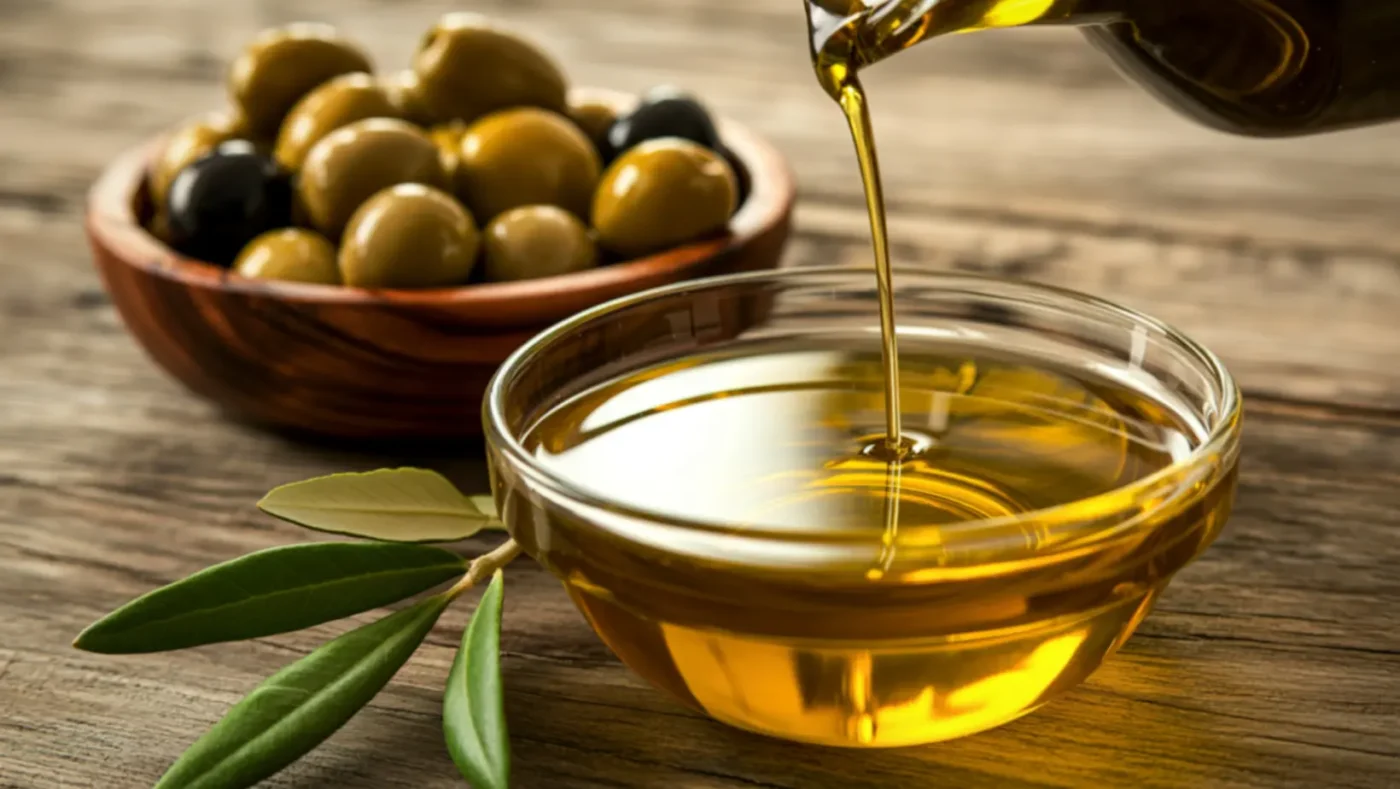

The best olive oil substitute depends on what you’re cooking. Avocado oil, canola oil, and butter each serve different purposes, and none of them work universally. High-heat cooking needs a high-smoke-point oil. Baking needs something neutral. Dressings need flavor.
10 Best Olive Oil Substitutions
The 10 best olive oil substitutions work only when matched to the right cooking method. The wrong swap produces burnt food, strange aftertaste, or ruined texture. Here’s exactly what each one does.
Avocado Oil for High-Heat Cooking
Smoke point: 520°F. Avocado oil handles searing, grilling, and roasting without burning. Mild, slightly buttery flavor. Works 1:1 in any recipe calling for olive oil at high heat.
Canola Oil for Neutral Flavor
Smoke point: 400°F. Zero flavor interference. Use it when the oil shouldn’t affect the dish. Good for stir-fries, sautéing, and light baking.
Sunflower Oil for Frying
Smoke point: 440°F. Thin texture, neutral taste. Food stays crispier longer because it doesn’t absorb heavily. The standard pick for deep frying.
Grapeseed Oil for Light Dishes
Smoke point: 420°F. Clean and light. Works well in vinaigrettes and pan sauces. Handles medium-heat cooking without leaving a strong taste.
Coconut Oil for Baking Recipes
Smoke point: 350°F (refined). Adds subtle sweetness. Works in cookies, cakes, and muffins at a 1:1 ratio. Use refined coconut oil if you want no coconut smell in savory dishes.
Butter for Rich Flavor Cooking
Smoke point: 302°F. Adds fat, flavor, and texture. Good for sautéing vegetables and finishing sauces. Burns faster than olive oil, so keep the heat moderate.
Ghee for High Smoke Point Cooking
Smoke point: 485°F. Ghee is clarified butter with milk solids removed. Handles high heat without burning. Nutty flavor. Works well for searing meat.
Sesame Oil for Asian Dishes
Smoke point: 410°F (refined). Distinctly strong flavor. Mostly a finishing oil. Add just one teaspoon at the end of stir-fries or noodle dishes, not a full tablespoon during cooking.
Walnut Oil for Cold Dishes
Smoke point: 320°F. Burns easily, so keep it for salad dressings or drizzling over food after cooking. Rich, earthy flavor that pairs well with bitter greens and roasted vegetables.
Applesauce for Baking Substitute
Applesauce replaces oil at a 3:4 ratio (3/4 cup applesauce for every 1 cup oil). Cuts fat significantly while keeping baked goods moist. Best in muffins, banana bread, and quick breads.
Best Alternatives to Olive Oil by Use
The best alternatives to olive oil are the right pick depends on what you’re making, not personal preference.
Cooking vs Baking vs Dressing Use
- High-heat cooking: avocado oil, ghee, sunflower oil
- Medium-heat cooking: canola oil, grapeseed oil
- Baking: coconut oil, butter, applesauce
- Dressings: walnut oil, grapeseed oil, avocado oil
Neutral vs. Strong-Flavor Oils
Neutral oils (canola, sunflower, grapeseed) work when the dish has delicate flavors. Strong oils (sesame, walnut, unrefined coconut) add character but can overpower subtle recipes. Pick based on the flavor profile of your dish, not convenience.
Liquid vs Solid Substitutes
Liquid oils swap 1:1 in most cases. Solid fats like butter and coconut oil change the texture in baking. One cup of melted butter replacing one cup of olive oil and produces a heavier, richer result.
Matching Texture and Consistency
In dressings, thicker oils like walnut and avocado give a richer mouthfeel. Grapeseed keeps vinaigrettes thin and clean. In baking, fat content matters more than the specific oil. A full-fat replacement keeps moisture. A lower-fat swap like applesauce makes a denser final product.
Olive Oil Substitute for Frying
The best olive oil substitute for frying is sunflower oil. It has a 440°F smoke point, neutral taste, and low moisture content, which means less oil splatter. Avocado oil and canola oil are solid alternatives. Avoid butter, walnut oil, and unrefined coconut oil entirely for deep frying.
- Sunflower oil: best for deep frying
- Avocado oil: best for pan frying and searing
- Canola oil: best budget option for shallow frying
- Refined coconut oil: fine for light frying, adds slight sweetness
- Ghee: works for pan frying, adds a nutty finish
High Smoke Point Oil Instead of Olive Oil
Extra virgin olive oil has a smoke point of around 375°F. That’s workable at medium heat. Above 400°F, it burns and turns bitter. A high-smoke-point oil instead of olive oil is the right call for grilling, searing, or anything that runs hot.
What Smoke Point Means in Cooking
Smoke point is the temperature at which oil breaks down and starts releasing acrolein, a compound that makes food taste bitter and is harmful in large amounts. Once oil smokes, the food absorbs that bitterness directly.
Oils with Highest Heat Tolerance
- Avocado oil: 520°F
- Ghee: 485°F
- Refined sunflower oil: 440°F
- Refined canola oil: 400°F
- Refined coconut oil: 350°F
Why Olive Oil Burns at High Heat
Extra virgin olive oil contains polyphenols and free fatty acids that lower its smoke point. Refined olive oil reaches around 465°F, but most home kitchens use extra virgin, which burns faster.
Choosing Oils for Searing and Grilling
Use avocado oil or ghee. Both hold above 480°F without breaking down. The meat gets a proper crust without the burnt oil aftertaste that ruins the dish.
Butter vs Olive Oil Substitute
The butter vs olive oil substitute comparison comes down to fat type, smoke point, and texture. Butter is 80% fat, dominated by saturated fat. Olive oil is 73% monounsaturated fat.
| Factor | Butter | Olive Oil |
| Smoke point | 302°F | 375°F (EVOO) |
| Fat type | Saturated | Monounsaturated |
| Flavor | Rich, creamy | Grassy, slightly peppery |
| Best for | Baking, low-heat sauté | Dressings, medium-heat cooking |
| Swap ratio | 3/4 cup per 1 cup olive oil | N/A |
| State at room temp | Solid | Liquid |
When Butter Is a Better Option
Butter outperforms olive oil in shortbread, croissants, and any pastry needing a flaky, layered texture. The saturated fat in butter solidifies as the dough rests, which is what creates distinct layers. Olive oil keeps everything moist but won’t build that structure.
Health Impact of Olive Oil Alternatives
Saturated vs Unsaturated Fats
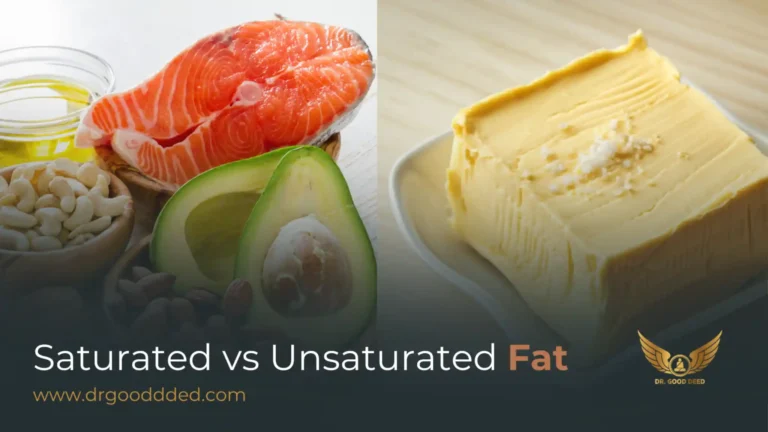
Olive oil’s health reputation comes from oleic acid, a monounsaturated fat linked to lower LDL cholesterol. Butter and coconut oil are high in saturated fat. Too much saturated fat raises LDL. That doesn’t make butter harmful in small amounts; portion control is the actual variable.
Heart Health Considerations
The American Heart Association connects high saturated fat intake with increased cardiovascular risk. Avocado oil and grapeseed oil are the closest to olive oil in fat composition and are the safest substitutes from a heart-health standpoint.
Processed vs Cold-Pressed Oils
Refined oils have higher smoke points but lose nutrients during processing. Cold-pressed oils retain more antioxidants but burn faster. For health benefits, use cold-pressed at low to medium heat. Use refined at high heat.
Calorie Differences Between Oils
Most cooking oils carry 120 calories per tablespoon. Applesauce drops to about 15 calories per tablespoon, making it the most effective olive oil substitute for reducing calories in baking.
Choosing the Right Substitute Quickly
Best Swaps for Frying
Avocado oil or sunflower oil. Both handle temperatures above 400°F without breaking down.
Best Swaps for Baking
Melted coconut oil or butter at a 3/4:1 ratio. Applesauce works for lower-fat versions of muffins and quick breads.
Best Swaps for Salads and Dressings
Walnut oil or grapeseed oil. Both stay liquid at room temperature and emulsify well with vinegar.
Quick Substitution Ratio Guide
| Olive Oil | Substitute | Ratio |
| 1 cup | Avocado oil | 1:1 |
| 1 cup | Canola oil | 1:1 |
| 1 cup | Melted butter | 3/4 cup |
| 1 cup | Coconut oil | 1:1 |
| 1 cup | Applesauce | 3/4 cup |
Common Mistakes When Replacing Olive Oil
These errors come up constantly, and they’re all avoidable:
- Using unrefined coconut oil for high heat: Burns at 350°F. Stick to baking.
- Replacing olive oil with butter in dressings: Butter solidifies in the fridge and clumps the salad.
- Using sesame oil as a full cooking oil: It’s a finishing oil. One teaspoon at the end, not a tablespoon throughout.
- Not adjusting the butter ratio: 1 cup olive oil does not equal 1 cup butter. Use 3/4 cup.
- Frying with walnut oil: Its 320°F smoke point makes it the wrong call at high heat. It oxidizes fast and turns bitter.
Frequently Asked Questions
What is the best substitute for olive oil?
Avocado oil is the best olive oil substitute for most cooking needs. It has a 520°F smoke point, mild flavor, and a fat profile almost identical to olive oil. Use it 1:1 in any recipe.
Can I use butter instead of olive oil?
Yes. Use 3/4 cup melted butter for every 1 cup of olive oil. Butter works in baking and low-heat sautéing but burns above 302°F. Skip it for deep frying or high-heat searing.
Which oil is best for frying instead of olive oil?
Sunflower oil. It reaches 440°F, stays flavorless, and doesn’t absorb heavily into fried food. Canola oil is a cheaper second option for large-batch frying.
What oil has the highest smoke point?
Avocado oil at 520°F. Refined safflower oil reaches 510°F but is harder to find in most grocery stores.
Can I replace olive oil with coconut oil?
Yes, at a 1:1 ratio. Use refined coconut oil for savory cooking; it has no coconut smell. Unrefined coconut oil adds mild sweetness that works well in muffins and cookies.
What is the healthiest alternative to olive oil?
Avocado oil. High monounsaturated fat, rich in lutein (an antioxidant linked to eye health), and a high smoke point for safer cooking. Grapeseed oil ranks second for heart-health purposes.
Can I use vegetable oil instead of olive oil?
Yes, 1:1. Vegetable oil is typically a soybean, canola, or corn blend with a 400°F smoke point and neutral taste. It works fine as a cooking substitute but lacks olive oil’s antioxidants.
How do I substitute olive oil in baking?
Use melted coconut oil or butter at 1:1. For lower fat, use 3/4 cup applesauce per cup of olive oil. Coconut oil keeps the texture closest to the original.
Which oil tastes closest to olive oil?
Avocado oil, with its light, slightly buttery taste. Nothing else fully replicates olive oil’s grassy, peppery finish, but avocado oil is the best olive oil substitute for flavor similarity.
Is ghee a good replacement for olive oil?
Yes for cooking, no for cold preparations. Ghee handles 485°F and adds a nutty depth to cooked dishes. It solidifies at room temperature, which makes it unsuitable for dressings.










Leave a Comment