

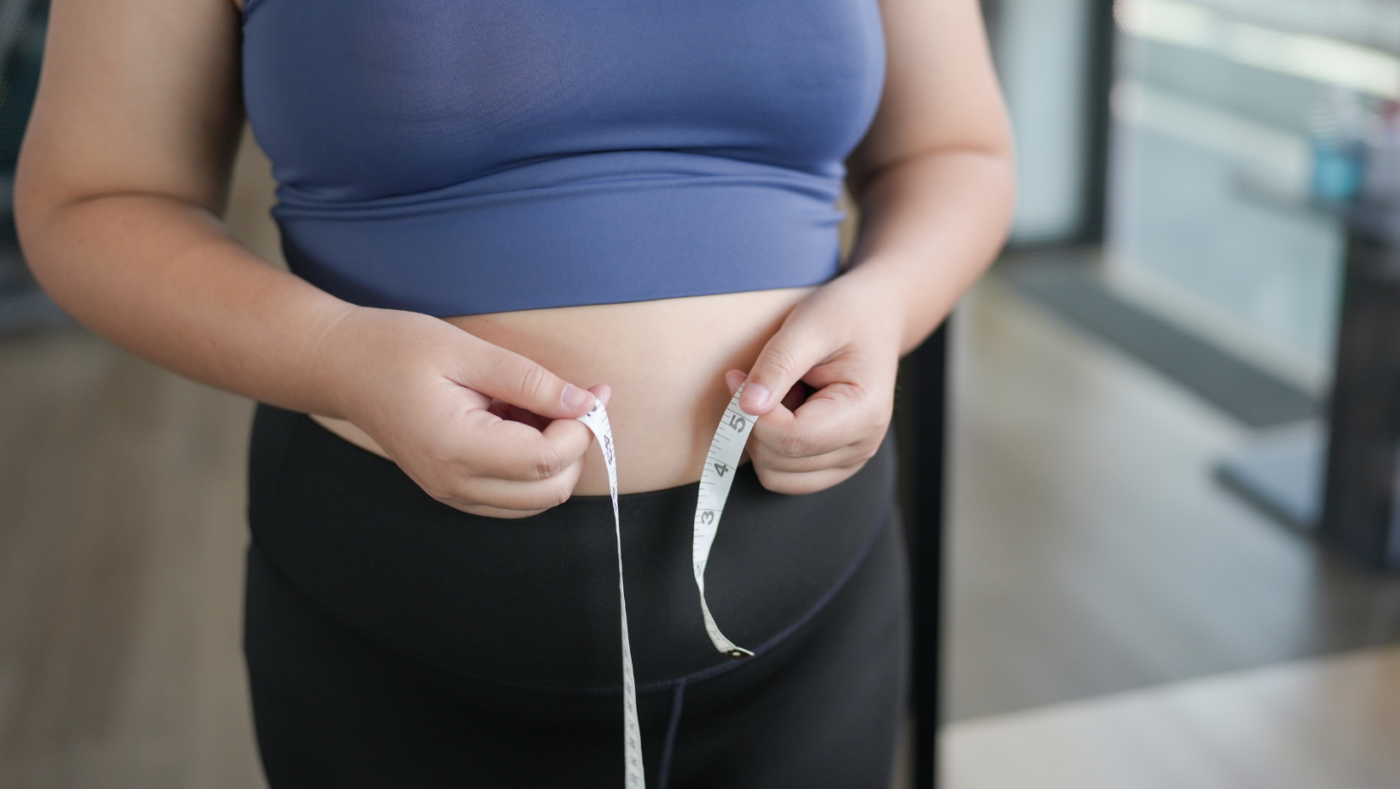

Obesity is a medical condition where excess body fat reaches a level that harms health. A BMI of 30 or above is classified as obese. Over 1 billion people worldwide live with obesity, making it the most widespread chronic disease of the 21st century.
The biology of hunger, fat storage, and metabolism works against most people trying to lose weight through diet alone. Medication and surgery are legitimate medical treatments, not shortcuts. The combination of behavioral change, proper nutrition, adequate sleep, and medical support where needed, produces the most consistent results over time.
What Are 5 Symptoms of Obesity?
Obesity shows up as more than just weight gain. The five clearest symptoms are:
- Excess body fat, especially around the waist and abdomen
- Breathlessness during low-effort activity like climbing stairs
- Excessive sweating and frequent skin infections in body folds
- Joint pain, particularly in the knees and lower back
- Fatigue and low energy even after full night sleep
Many people also develop sleep apnea, which causes loud snoring and stopping breathing during sleep. Most people with obesity do not connect that symptom to their weight at all.
What Is Type 3 Obesity?
Type 3 obesity means a BMI of 40 or above. Doctors also call it severe or morbid obesity. At this level, the risk of type 2 diabetes, heart disease, stroke, and certain cancers increases sharply.
Standard diet and exercise changes produce limited results alone at this stage. Most patients require medication, structured medical programs, or bariatric surgery to achieve meaningful weight loss.
What Are Five Causes of Obesity?
- Caloric surplus: Eating more calories than the body burns consistently causes fat storage.
- Sedentary lifestyle: Desk jobs and screen time reduce daily calorie burn significantly.
- Ultra-processed food: These foods are engineered to override fullness signals in the brain.
- Hormonal conditions: Hypothyroidism, PCOS, and high cortisol from chronic stress all promote fat storage.
- Genetics: Research shows that 40 to 70% of obesity risk comes from inherited genes that affect hunger hormones and fat metabolism.
Medication also contributes. Antidepressants, steroids, and some antidiabetic drugs cause weight gain as a side effect.
What Are Some Interesting Facts About Obesity?
Most people do not know these:
- Gut bacteria influence body weight. Obese individuals have different gut microbiome compositions than lean individuals, according to research from the Salk Institute.
- Sleep deprivation raises ghrelin, the hunger hormone, by up to 24%. Short sleepers eat more without realizing the cause.
- The brain of an obese person responds differently to food images. Brain scans show stronger reward signals in response to high-calorie food, similar to patterns seen in addiction.
- Obesity increases the risk of 13 types of cancer, including breast, colon, and kidney cancer.
- Air conditioning is linked to obesity rates. Cooler environments reduce the body’s need to burn calories to maintain temperature.
How to Treat Obesity Naturally?
Natural treatment works best for BMI under 35. The most effective approaches backed by research:
- Intermittent fasting: The 16:8 method (eating within an 8-hour window) reduces caloric intake without counting calories. Studies from the University of Illinois show an average loss of 3 to 8% body weight over 8 to 24 weeks.
- Protein-first eating: Eating 30g of protein at breakfast reduces total daily caloric intake by an average of 441 calories, according to research from the University of Missouri.
- Strength training: Muscle burns more calories at rest than fat. Building muscle through resistance training raises basal metabolic rate permanently, not temporarily.
- Sleep fixing: Getting below 7 hours increases hunger hormones and reduces results from any diet. Sleep is not optional in obesity treatment.
How to Reduce Weight Without Medicine?
Cut liquid calories first. Sugary drinks, fruit juice, and alcohol add hundreds of calories without triggering fullness. Removing them alone causes 1 to 2 pounds of weight loss per week in most people.
Walk after every meal. A 15-minute post-meal walk reduces blood sugar spikes and increases daily calorie burn without structured exercise sessions. A 2022 study in Sports Medicine confirmed post-meal walking is more effective for blood sugar control than a single 45-minute walk per day.
Eat from smaller plates. Research from Cornell University found this reduces food intake by 22% without people feeling less satisfied.
What Is the 3-3-3 Rule for Weight Loss?
The 3-3-3 rule is a structured daily habit framework:
- Eat 3 meals per day with no snacking between them to control insulin levels
- Complete 3 types of movement daily: walking, strength, and stretching
- Maintain 3 consistent behaviors: fixed sleep time, no screens before bed, and meal prep on weekends
This rule is not from a single clinical study but reflects a combination of behavioral science and metabolic research. It works because consistency beats perfection in weight loss.
What Medicine Treats Obesity?
| Medicine | Type | How It Works |
| Semaglutide (Ozempic, Wegovy) | GLP-1 agonist | Reduces hunger and slows stomach emptying |
| Tirzepatide (Mounjaro) | GIP and GLP-1 agonist | Strongest weight loss drug currently available |
| Orlistat (Xenical, Alli) | Lipase inhibitor | Blocks 30% of fat absorption from food |
| Phentermine-topiramate (Qsymia) | Appetite suppressant | Reduces hunger signals in the brain |
| Naltrexone-bupropion (Contrave) | Dual-action | Targets brain reward pathways for food |
All obesity medications require a doctor’s prescription. None work without dietary changes.
What’s the Best Medicine for Obesity?
Tirzepatide (Mounjaro) produces the highest weight loss of any approved drug. In the SURMOUNT-1 trial, patients lost an average of 22.5% of body weight over 72 weeks. That is roughly 50 pounds for a 220-pound person. Semaglutide (Wegovy) comes second with an average loss of 15% body weight. Both are weekly injections, not daily pills.
What Is the Best Treatment for Obesity?
For BMI above 40, bariatric surgery produces the most durable results. Sleeve gastrectomy removes 80% of the stomach, reducing hunger permanently. Gastric bypass reroutes the digestive system and produces average weight loss of 60 to 80% of excess body weight. Surgery also resolves type 2 diabetes in 78% of patients within weeks, sometimes before significant weight loss even occurs.
For BMI 30 to 39, GLP-1 medications combined with dietary changes and behavioral therapy produce results comparable to surgery in some patients.
What Are GLP Pills for Weight Loss?
GLP-1 stands for glucagon-like peptide-1. These drugs copy a hormone the gut naturally releases after eating. That hormone tells the brain to stop feeling hungry and tells the stomach to empty more slowly.
Currently, GLP-1 drugs come as injections, not pills. An oral version of semaglutide exists (Rybelsus) but at lower doses approved for diabetes, not obesity. The FDA-approved injectable GLP-1 drugs for obesity are Wegovy (semaglutide) and, more recently, tirzepatide under the brand Zepbound.
How Much Weight Will I Lose on Ozempic in 3 Months?
Most people lose 5 to 10% of their starting body weight in the first 3 months on Ozempic (semaglutide 1mg, the diabetes dose). On Wegovy (semaglutide 2.4mg, the obesity dose), results are faster.
At 3 months, patients in clinical trials lost an average of 6 to 8% of body weight. Results depend heavily on diet. Ozempic without dietary changes produces much smaller losses.
What Are the Risks of Taking Ozempic?
Common side effects include nausea, vomiting, diarrhea, and constipation, especially during the first 4 to 8 weeks as the dose increases. These typically reduce over time.
Serious risks that most blogs do not mention clearly:
- Pancreatitis: Rare but documented. Severe abdominal pain while on semaglutide needs immediate medical attention.
- Thyroid tumors: Seen in animal studies. The FDA added a warning for patients with a personal or family history of medullary thyroid cancer.
- Muscle loss: Rapid weight loss from GLP-1 drugs includes significant muscle mass loss, not just fat. Protein intake and resistance training during treatment reduce this.
- Ozempic face: Rapid fat loss from the face causes sagging skin, which doctors have started documenting as a cosmetic side effect.
Rebound weight gain: Most patients regain weight after stopping the medication because the drug does not fix the underlying behavior or hormonal pattern permanently.





Leave a Comment