

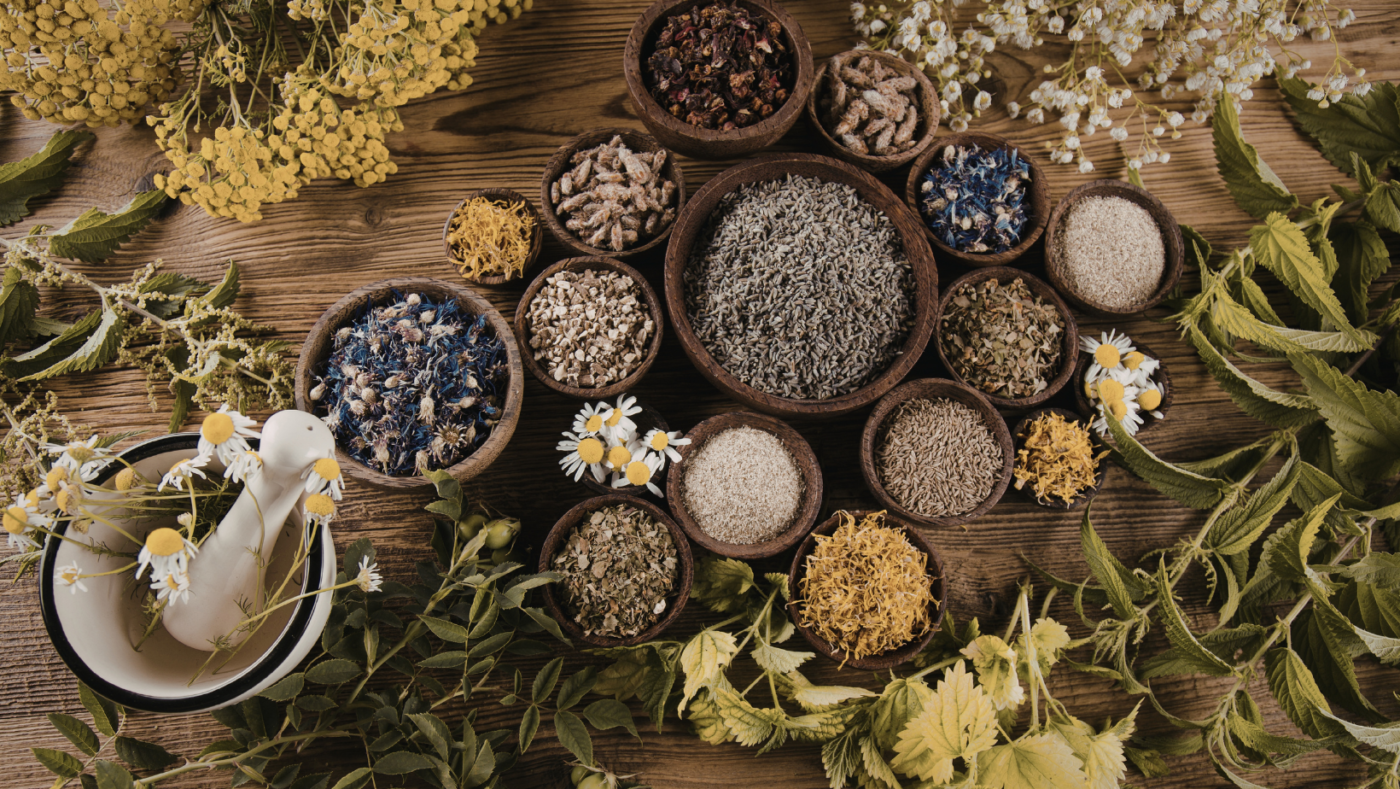

Some medicinal plants act as natural remedies because controlled trials have tested them and published the results. The remedies in this article have clinical research behind them. That does not make them replacements for medication. It makes them worth understanding.
How Does Turmeric Help Reduce Inflammation and Joint Pain?
Turmeric contains curcumin, a compound that blocks NF-kB, a molecule in your body that switches on inflammation genes. Less NF-kB activity means less inflammatory response at the cellular level.
A 2019 meta-analysis in Frontiers in Pharmacology reviewed 8 trials on curcumin for osteoarthritis. It reduced joint pain and stiffness comparably to ibuprofen in several trials, with fewer gastrointestinal side effects.
Curcumin absorbs poorly on its own. The body barely uses it. Black pepper contains piperine, which increases curcumin absorption by 2,000% according to research published in Planta Medica. Any turmeric supplement without piperine is mostly wasted.
Effective dose in trials: 500-1,000 mg of curcumin daily, not the tiny amounts in turmeric tea.
How Do Capsaicin (Chili Peppers) Provide Pain Relief?
Capsaicin depletes substance P, the chemical your nerve endings use to send pain signals to the brain. Less substance P means the pain signal weakens.
This is why capsaicin cream works for arthritis, nerve pain, and post-surgical pain. The FDA approved 8% capsaicin patches (brand name Qutenza) for neuropathic pain. That is not folk medicine. That is a regulated pharmaceutical.
Topical capsaicin burns on first application. That burning is the substance P depleting. It fades with repeated use. Most people quit too early and miss the relief.
How Does Ginger Help With Nausea and Digestive Support?
Ginger blocks 5-HT3 receptors, the same receptors that anti-nausea drugs like ondansetron target. It also speeds up gastric emptying, meaning food moves out of your stomach faster.
A 2014 review in the British Journal of Anesthesia analyzed 12 trials and found ginger significantly reduced post-operative nausea compared to placebo. Studies on pregnancy-related nausea show similar results, with 1g of ginger daily being the dose used in most trials.
Fresh ginger and ginger extract both work. Ginger ale with artificial flavoring does not contain enough ginger to do anything.
How Do Shiitake Mushrooms Support Immune Health?
Shiitake mushrooms contain lentinan, a polysaccharide that activates natural killer cells and macrophages, two types of immune cells that attack pathogens and abnormal cells.
A 2015 study published in the Journal of the American College of Nutrition tested healthy adults eating shiitake daily for 4 weeks. It found significant increases in immune cell activity and reduced inflammatory markers compared to baseline.
Lentinan extracted from shiitake is used as an approved adjunct cancer treatment in Japan. It does not cure cancer. It supports immune function during chemotherapy.
How Does Eucalyptus Oil Help With Respiratory and Muscle Relief?
Eucalyptus oil contains eucalyptol (also called 1,8-cineole), a compound that loosens mucus, reduces airway inflammation, and has mild bronchodilator effects.
Clinical trials published in Respiratory Medicine found eucalyptol reduced symptoms in patients with chronic obstructive pulmonary disease (COPD) when taken orally in standardized extract form. For muscle pain, eucalyptus oil applied topically increases blood flow and activates cold receptors, which interrupts pain signals, similar to how menthol works.
Do not ingest eucalyptus oil directly. The pure oil is toxic in small amounts. Standardized extracts and diluted topical applications are the safe, studied forms.
How Does Lavender Help Reduce Headaches and Anxiety?
Lavender contains linalool and linalyl acetate, compounds that bind to GABA receptors in the brain. GABA is the brain’s main calming chemical. More GABA activity means less anxiety.
A pharmaceutical-grade oral lavender oil preparation called Silexan (80mg daily) showed statistically significant reduction in generalized anxiety in multiple European trials, performing comparably to lorazepam in one German study published in Phytomedicine.
For headaches, a 2012 study in European Neurology found that inhaling lavender oil for 15 minutes during a migraine attack reduced severity in 92 out of 129 cases.
Topical lavender for anxiety has weaker evidence. The oral extract and inhalation forms have the strongest clinical backing.
How Does Peppermint Help With Muscle Pain and Digestive Issues?
Peppermint contains menthol, which activates TRPM8 receptors, cold-sensing nerve channels that reduce pain perception. Applied topically, it also increases blood flow to the area.
For digestion, enteric-coated peppermint oil capsules relax the smooth muscle in the intestinal wall. A 2014 meta-analysis in the Journal of Clinical Gastroenterology reviewed 9 trials and found peppermint oil significantly reduced abdominal pain in irritable bowel syndrome (IBS) patients.
The enteric coating matters. Without it, peppermint oil releases in the stomach and causes heartburn. The coating ensures it reaches the intestines.
How Does Fenugreek Support Lactation?
Fenugreek seeds contain diosgenin, a compound that influences hormone pathways connected to milk production. It also stimulates sweat glands, which are similar in structure to mammary tissue.
A 2018 randomized controlled trial published in Phytotherapy Research tested fenugreek tea in breastfeeding mothers in the first week postpartum. Mothers using fenugreek produced significantly more milk and their infants regained birth weight faster than the control group.
The dose used in most trials is 1,725 mg three times daily. Lower doses in common supplements show weaker results. Some women notice their sweat and urine smell like maple syrup. That is normal and harmless.
Why Are Magnesium-Rich Foods Important for Overall Health?
Magnesium activates over 300 enzyme systems in the body. It regulates nerve signals, blood pressure, blood sugar, and muscle contractions. Without enough of it, these systems work poorly.
An estimated 48% of Americans do not meet the daily magnesium requirement, according to data from the National Health and Nutrition Examination Survey. Low magnesium correlates with higher rates of anxiety, poor sleep, muscle cramps, constipation, and migraines.
High-magnesium foods: pumpkin seeds (156mg per ounce), dark chocolate (64mg per ounce), almonds, spinach, and black beans.
Magnesium glycinate and magnesium citrate absorb better than magnesium oxide, which is the cheapest form in most supplements but has poor bioavailability.
How Can Home Remedies Be Used Safely?
- Dose matters. Ginger at 1g works for nausea. A small slice of ginger in water does not. Most home remedy use fails at dosage, not at the remedy itself.
- Check for interactions. St. John’s Wort reduces the effectiveness of birth control pills, blood thinners, and some HIV medications. Garlic supplements thin blood. Natural does not mean interaction-free.
- Know which conditions need a doctor regardless. A sinus infection that feels better with steam and eucalyptus inhalation may still need antibiotics if it is bacterial.
Are Plants Effective as Medicine?
Yes. About 25% of modern pharmaceutical drugs derive from plant compounds. Aspirin came from willow bark. Morphine came from opium poppies. Metformin, the most prescribed diabetes drug globally, derives from French lilac.
The difference between a plant remedy and a pharmaceutical is standardization, dosage precision, and clinical testing for safety and efficacy. The active compounds in plants work. The challenge is getting a consistent amount into the body reliably.
Whole herbs vary in potency depending on soil, climate, and preparation. Standardized extracts fix this problem but cost more than loose teas or raw herbs.
When Are Natural Remedies Not Enough?
Natural remedies do not replace treatment for infections requiring antibiotics, cancers requiring chemotherapy or surgery, heart attacks, strokes, severe mental illness, and insulin-dependent diabetes.
Delaying real treatment while trying natural options costs time. In the case of a bacterial infection, untreated sepsis can cause organ failure within hours. In stroke, every hour without treatment destroys roughly 120 million brain cells.
For chronic low-grade issues, like mild anxiety, poor sleep, joint stiffness, and digestive discomfort, evidence-backed natural remedies are worth using alongside standard care. For acute or serious conditions, they are a complement at best, never a substitute.










Leave a Comment