



Home remedies for pigmentation can help you fade dark spots, but only when you protect your skin from the sun and stop irritation. Dark spots often come from post-inflammatory hyperpigmentation (PIH) (dark marks after acne, eczema, shaving, or a burn).
In PIH, skin inflammation pushes pigment cells to make extra melanin (skin color). If you keep rubbing, scrubbing, or “burning” your skin with harsh acids, you can make the spot deeper and last longer.
Visible light can worsen some pigment issues, especially melasma. A tinted sunscreen with iron oxides can protect better than a UV-only sunscreen for this. Even if you use the best home remedies for pigmentation , your results can stall without daily sunscreen.
How to Remove Pigmentation Naturally
To remove pigmentation naturally , you need gentle ingredients, steady use, and strict sun care. You also need realistic timing. Many marks fade in weeks to months, not days. Your skin must stay calm while it heals.
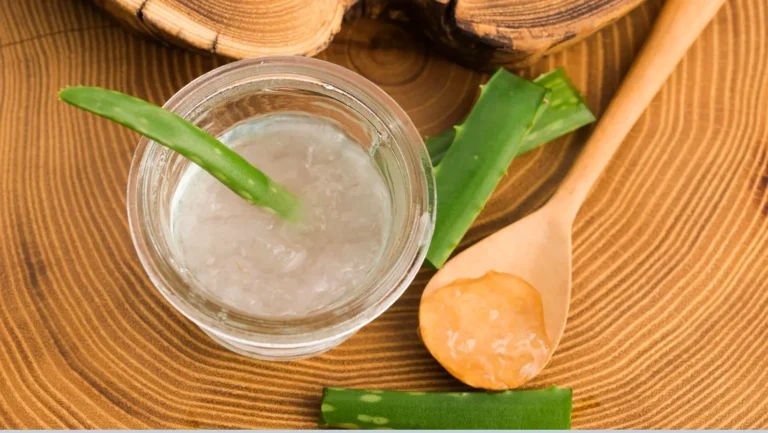
Aloe vera gel — application & benefits
Aloe gel can feel simple, but it has a smart reason for spots. Aloe contains aloesin, a compound studied for reducing UV-related pigmentation by slowing tyrosinase (a key enzyme your skin uses to make melanin).
Use plain aloe gel. Apply a thin layer on clean skin at night. Focus on the spot, not your whole face. Leave it on for 20 minutes. Then rinse and moisturize. If your skin likes it, you can leave it on overnight. Use it most nights. Keep it boring and consistent. That is how home remedies for pigmentation work best.
Apple cider vinegar — dilution & use
Apple cider vinegar is acidic. That can help with mild exfoliation, but it can also trigger irritation fast. Irritation can lead to more PIH, especially if you have a medium to deep skin tone.
Dilute it every time. Mix one part vinegar with three parts water. Tap it only on the dark spot. Leave it on for two minutes. Rinse well. Use it once a week at most. Stop if you sting, peel, or turn red for hours. If you want home remedies for pigmentation , you cannot “push through” burning.
Licorice extract — mechanism & routine
Licorice is a compound in licorice (glabridin) that has research showing it can reduce melanogenesis (melanin making) by blocking tyrosinase-related steps.
You do not need raw licorice at home. Pick a simple licorice serum or gel. Use it at night after cleansing. Put a small amount on the spot. Add moisturizer on top. Use it at least five nights a week. Give it 8 to 12 weeks. This is one of the more practical home remedies for pigmentation because it fits into a normal routine.
Green tea extract — antioxidant approach
Green tea has catechins like EGCG. EGCG and related tea catechins can lower melanin-making signals and reduce tyrosinase activity in melanocyte models.
Brew green tea. Let it cool fully. Soak a cotton pad. Press it on the spot for 10 minutes. Do this daily. Then moisturize. If your skin feels dry, do it every other day. Gentle repetition beats intensity with home remedies for pigmentation .
Red onion extract — topical method
Onions have sulfur compounds and natural acids. Some people use it for spot care. It can also irritate sensitive skin.
If you try it, keep it mild. Grate a small piece of red onion. Squeeze out the juice. Mix one teaspoon of juice with one teaspoon of aloe gel.
Dab only on the spot for three minutes. Rinse well. Use it once weekly. Patch test first. If you want to remove pigmentation naturally , irritation is your enemy.
Natural Ways To Lighten Pigmentation
Many “brightening” hacks harm the skin barrier. The safer natural ways to lighten pigmentation focus on mild enzymes, gentle acids, and soothing moisture. You still need sunscreen daily, or spots can rebound.
Turmeric + milk brightening pack
Turmeric can stain fabric and skin. So use a tiny amount. Milk has lactic acid (a mild exfoliating acid).
Mix a pinch of turmeric with one teaspoon of milk. Make a thin paste. Apply only on the spot. Leave it on for 8 minutes. Rinse well. Moisturize. Do this once or twice weekly. If your skin turns yellow, use less turmeric next time.
Tomato pulp — gentle exfoliation
Tomatoes contain natural acids that can lightly loosen dead skin. It can also sting.
Mash tomato pulp. Apply a thin layer on the dark spot. Leave it on for five minutes. Rinse. Moisturize. Use it once weekly. If you feel burning, stop. Good home remedies for pigmentation should feel calm.
Potato juice — tyrosinase inhibition
Potato juice is popular because it feels gentle. It has enzymes and plant compounds that may support a more even look over time. Research on potato juice for spots is limited, so treat this as a low-risk trial, not a proven fix.
Grate a potato. Squeeze out juice. Dab on the spot for 10 minutes. Rinse. Do it three times weekly. Take a photo every two weeks. That helps you judge change.
Honey + lemon — spot application (risks)
Honey can soothe. Lemon is risky. Citrus can cause phytophotodermatitis, a reaction where plant chemicals plus sunlight lead to burn-like marks, followed by lingering hyperpigmentation. That means lemon can worsen the exact problem you want to fade.
If you still use it, keep it rare and tiny. Mix one teaspoon of honey with two drops of lemon. Apply to one small spot for two minutes at night. Rinse very well. Do not do this before sun exposure. Many people should skip this and choose safer home remedies for pigmentation instead.
Rice water rinse — tone improvement
Rice water feels mild and cooling. It can support a smoother look by adding light hydration and reducing tightness. It will not erase deep melasma fast. Still, it can help your routine feel stable.
Soak rinsed rice in water for 20 minutes. Strain the water. Pat it onto clean skin. Leave it on for 10 minutes. Rinse it or leave it if your skin feels fine. Use it most days.
home remedies for dark spots
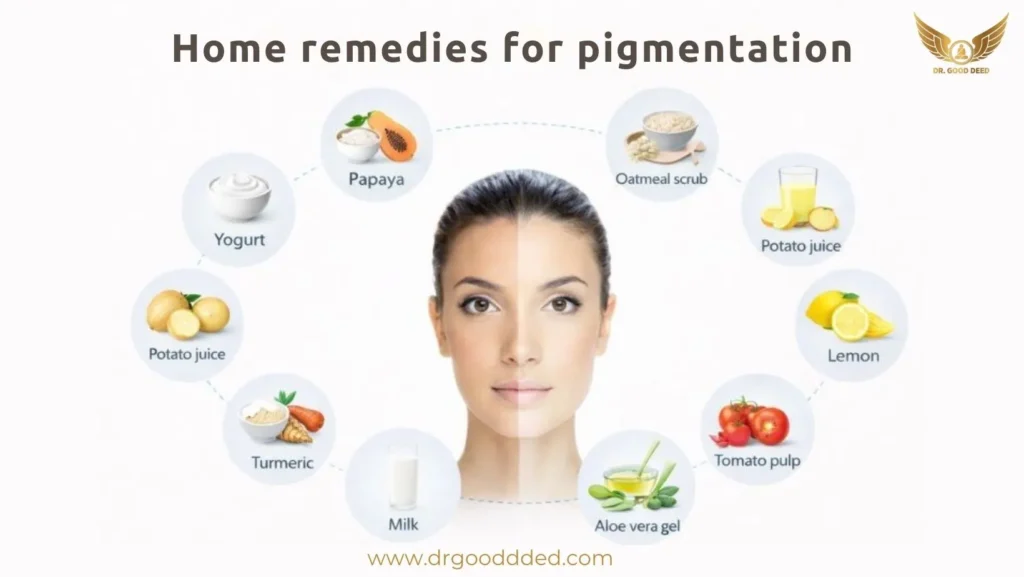
The best home remedies for dark spots combine gentle brightening with barrier care. Think “fade and protect,” not “peel and burn.” PIH often lasts longer when the pigment sits deeper in the skin. So your plan must stay steady.
DIY vitamin C serum — recipe & cautions
Vitamin C can brighten by reducing oxidized pigment and supporting a more even tone. But DIY vitamin C can irritate and spoil quickly.
If you try it, keep it weak. Mix a tiny pinch of L-ascorbic acid powder into one teaspoon of aloe gel. Apply to one spot at night. Leave it on for 10 minutes. Then rinse and moisturize. Do this once weekly at first. Stop if you sting or peel. Safer home remedies for pigmentation do not rely on pain.
Rosehip / tea tree oil — spot fading tips
Rosehip oil supports moisture and can make spots look softer over time. Tea tree oil can irritate if you use it undiluted.
For rosehip, tap one drop on a spot at night, then moisturize. For tea tree, dilute one drop in one teaspoon of carrier oil. Dab on one spot for five minutes. Rinse. Use it once weekly max. If acne triggers your spots, keeping acne calm can reduce new PIH.
Yogurt (lactic acid) mask — frequency
Plain yogurt has lactic acid. That can gently loosen dull surface cells.
Apply a thin layer on dark spots for eight minutes. Rinse. Moisturize. Use it twice a week. If you feel dry, cut it to once weekly. If you want pigmentation treatment at home later, yogurt can act as your mild exfoliation day.
Papaya enzyme mask — safe exfoliation
Papaya has enzymes like papain that can help with surface exfoliation. Overuse can irritate.
Mash ripe papaya. Apply on the spot for five minutes. Rinse well. Moisturize. Use it once weekly. Skip it if you have an active rash or fresh acne wounds.
Oatmeal scrub — soothing exfoliation
Oatmeal is calming and gentle. It can reduce that “raw” feeling after you wash. Grind oats into a soft powder. Mix with water into a paste. Massage the spot for 10 seconds only. Rinse. Moisturize. Use it once weekly.
Uneven Skin Tone Home Remedies
Uneven tone often means your skin heals at different speeds in different areas. You can calm that “patchy” look by reducing heat, friction, and dryness. These home remedies for pigmentation work best when you keep your skin barrier strong.
Sandalwood Pack — Evenness & How-To
Sandalwood can feel cooling. Some people also find it helps the look of redness. But it can irritate sensitive skin, so you patch test first.
Mix sandalwood powder with rose water into a thin paste. Apply a light layer on uneven areas. Do not rub it in. Leave it for 8 to 10 minutes. Rinse with cool water. Moisturize right after. Use it once a week. If your skin feels tight, stop and switch to aloe.
Cucumber Gel — Cooling & Brightening
Cucumber works like a gentle “cool pack.” It can reduce the hot, itchy feeling that makes you scratch. Scratching can worsen dark marks, so cooling matters.
Blend the cucumber. Strain the juice. Let it sit for a minute. You will see a gel-like layer. Apply that gel for 15 minutes. Rinse and moisturize. You can use it most days. This supports home remedies for pigmentation because you keep inflammation low.
Milk + Saffron — Overnight Treatment
Saffron is used in many traditional routines. Evidence for saffron alone is limited, so treat it as a mild support step.
Soak 3 to 4 saffron strands in one tablespoon of milk for 20 minutes. Dab it on dull, uneven areas. Start with 20 minutes. Rinse and moisturize. If your skin stays calm for two weeks, you can try leaving it on overnight once a week.
Almond Oil Massage — Repair & Retention
Dry skin can look darker and more uneven. Almond oil can lock in moisture, which makes the tone look smoother.
Use one drop. Warm it between fingers. Press and lightly massage for 30 seconds. Do this at night, 3 to 5 times a week. Skip oils if you clog easily. A home remedy for uneven skin tone must not trigger new pimples.
Gentle Chemical-Free Exfoliation Plan
Your goal is less buildup, not raw skin. Pick one gentle method weekly. Use a yogurt mask for one week. Use oatmeal next week. Keep at least three days between exfoliating steps. Do not mix exfoliation with vinegar or lemon. This keeps your home remedies for pigmentation safer.
Pigmentation Treatment At Home
A good pigmentation treatment at home is simple. It protects you from rebound darkening. It also avoids irritation, since irritation can worsen post-inflammatory hyperpigmentation.
Weekly Routine: Steps And Timing
On two nights each week, use a calming spot step like aloe or licorice. On one night each week, use gentle exfoliation like yogurt or papaya. On the other nights, do only cleanse and moisturize. This pattern keeps your skin steady, which helps home remedies for pigmentation work.
If you keep changing products, you lose track of what helps. You also raise the risk of irritation. Take a clear photo every two weeks in the same lighting.
Morning + Night Skincare Checklist
In the morning, cleanse with a mild face wash. Pat dry. Use moisturizer. Apply sunscreen as your last step. Reapply if you go outdoors.
At night, cleanse again. If you wear makeup, remove it fully. Apply one spot step only. Then moisturize. If you want to remove pigmentation naturally , you need boring consistency.
Sunscreen Selection And Application
Sunscreen is not optional. UV light deepens spots. Visible light can also worsen melasma and can trigger extra darkening in some skin tones. Tinted sunscreens with iron oxides can protect better against visible light than non-tinted formulas.
Choose broad-spectrum SPF 30 or higher. Use enough. Cover face, ears, neck, and jaw. Reapply every 2 to 3 hours outdoors. This is the “engine” behind natural ways to lighten pigmentation .
Safe Active Ingredients To Pair At Home
If you use store-bought actives, keep it simple. Niacinamide supports the barrier and helps uneven tone for many people. Azelaic acid can help with dark marks for some people. Start on alternate nights. Use one active at a time.
Do not stack strong acids with DIY steps. That often leads to burning. Burning can lead to darker marks. That defeats home remedies for dark spots .
When To Stop And See A Dermatologist
Stop home care if you see swelling, blisters, crusting, or deep peeling. See a dermatologist if spots change shape, bleed, spread quickly, or look very different from your usual marks. Also, go if you see no change after 12 weeks of careful pigmentation treatment at home .
Foods & Lifestyle For Pigmentation
Your skin reacts to what you repeat daily. Food and habits will not erase spots alone. But they can reduce new marks.
Anti-Inflammatory Foods To Prioritize
Build meals around colorful plants. Aim for berries, leafy greens, tomatoes, and carrots. Add protein. Add healthy fats like nuts and fish. When inflammation stays lower, new marks often slow down. That supports home remedies for pigmentation .
Vitamins And Supplements To Consider
If you feel tired often, get basic labs checked first. Low iron or low B12 can affect energy and overall skin health. Do not self-dose high supplements. Dosage varies by age and health. A clinician can guide you.
Hydration, Sleep, And Stress Reduction
Dry, stressed skin gets irritated faster. Drink water throughout the day. Aim for steady sleep. Stress can worsen acne and eczema, which can leave new spots. Short walks and calm breathing can help you stay consistent with home remedies for pigmentation .
Alcohol, Smoking And Diet Items To Avoid
Smoking slows repair. Alcohol can dehydrate skin. Very sugary foods can trigger breakouts for some people. Fewer breakouts can mean fewer new marks.
How Exercise And Weight Affect Skin Tone
Exercise improves circulation and can support recovery. Rapid weight shifts can change hormones in some people. Hormones can affect melasma. Keep your routine steady.
Prevention & Safety
You get better results when you prevent new marks. Safety also keeps you from making spots darker.
Daily Sun-Protection Habits (SPF, Hat)
Wear sunscreen daily. Add a hat outside. Seek shade. If you struggle with melasma, consider tinted sunscreen for visible light protection. This makes home remedies for pigmentation more reliable.
Patch Testing: How And Why
Patch test every new ingredient. Put a small amount on the inner arm. Wait 24 hours. If it itches, burns, or turns red, do not use it on your face. This step saves you from weeks of new PIH.
Common Irritants And Photo-Sensitizers
Lemon and other citrus can trigger a sun-activated skin reaction called phytophotodermatitis. It can leave long-lasting dark marks after the rash heals. Vinegar and essential oils can also irritate. If you want home remedies for dark spots , avoid “sting-based” routines.
Contraindications (Pregnancy, Meds)
If you are pregnant, breastfeeding, or on prescription acne creams, you need extra caution. Your skin can react faster. Some actives cause peeling. Peeling can lead to more pigment in some people. When unsure, choose gentle steps like aloe and sunscreen.
Record-Keeping: Track Progress Safely
Take photos every two weeks. Use the same spot and lighting. Write what you used and when. This helps you spot triggers. It also helps your dermatologist later. Tracking keeps your pigmentation treatment at home controlled.
FAQs
1. Can Pigmentation Be Removed Permanently With Home Remedies?
Sometimes, yes, but not always. If the trigger stops and you keep using sunscreen, marks may not return. Many people need ongoing home remedies for pigmentation plus sun protection to prevent new darkening.
2. How Long Do Natural Pigmentation Treatments Usually Take?
Most people see change in 8 to 12 weeks if they stay consistent. Deeper marks take longer. If you want to remove pigmentation naturally , you need patience and strict daily sunscreen.
3. Which Home Remedy Works Fastest For Dark Spots?
Fast results are rare. Calming steps like aloe and licorice often feel safest early. Your “fastest” path usually comes from preventing new marks. That makes home remedies for dark spots look like they work faster.
4. Can Lemon Or Acid-Based Remedies Cause Irritation?
Yes. Lemon can trigger sun reactions and leave darker stains later. Strong acids can burn and cause PIH. If you want natural ways to lighten pigmentation , choose mild steps that do not sting.
5. Is Aloe Vera Effective For Melasma And PIH?
Aloe can soothe and support barrier repair. It may help PIH slowly. Melasma often needs stronger medical care plus strict protection. Aloe can still fit your home remedies for a pigmentation routine as a gentle support step.
6. Are Home Remedies Safe If You’re On Topical Retinoids?
You need caution. Retinoids already increase dryness and sensitivity. Skip vinegar, lemon, and strong DIY vitamin C. Use simple steps and sunscreen. A safer pigmentation treatment at home avoids stacking irritants.
7. Can You Combine Multiple Natural Remedies At Once?
You can, but you should not. Mixing many steps raises irritation risk. Choose one spot method and one soothing method only. That helps you track results. This is key for home remedies for pigmentation .
8. What Is The Best Nightly Routine For Pigmentation?
Cleanse gently. Apply one targeted step, like licorice or aloe. Moisturize well. Avoid rubbing. Sleep on a clean pillowcase. This steady home remedy for uneven skin tone routine keeps irritation low.
9. Will Pigmentation Return After Fading If You Stop Treatment?
It can return if sun exposure or inflammation comes back. Sunscreen and trigger control matter most. Keep acne and eczema calm. That protects your results from home remedies for pigmentation .
10. When Should You See A Dermatologist Instead Of Using Home Remedies?
Go if marks spread fast, change shape, itch badly, bleed, or do not improve after 12 weeks of careful care. A dermatologist can confirm the cause and guide safer treatment than trial-and-error home remedies for dark spots .










Leave a Comment