

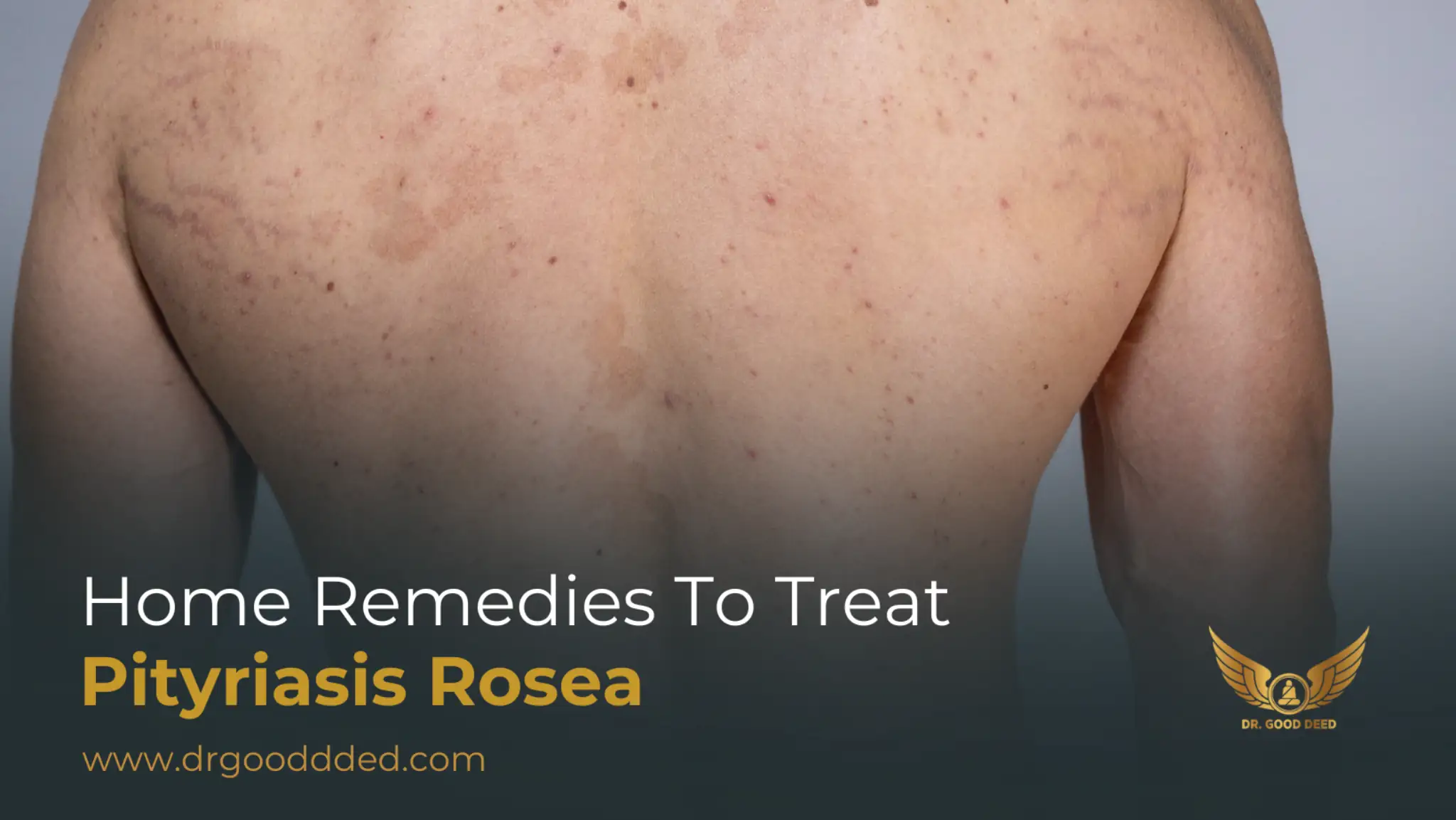

Home remedies to treat Pityriasis rosea focus on controlling symptoms while the rash follows its natural healing cycle. Using simple measures such as cooling the skin, restoring moisture, limiting sweat, and choosing gentle care can significantly reduce discomfort and prevent delayed healing. Because the rash is self-limiting, treatment aims to protect the skin barrier, reduce nerve-driven itch, and prevent triggers like heat, friction, and harsh products.
10 Natural Remedies For Pityriasis Rosea
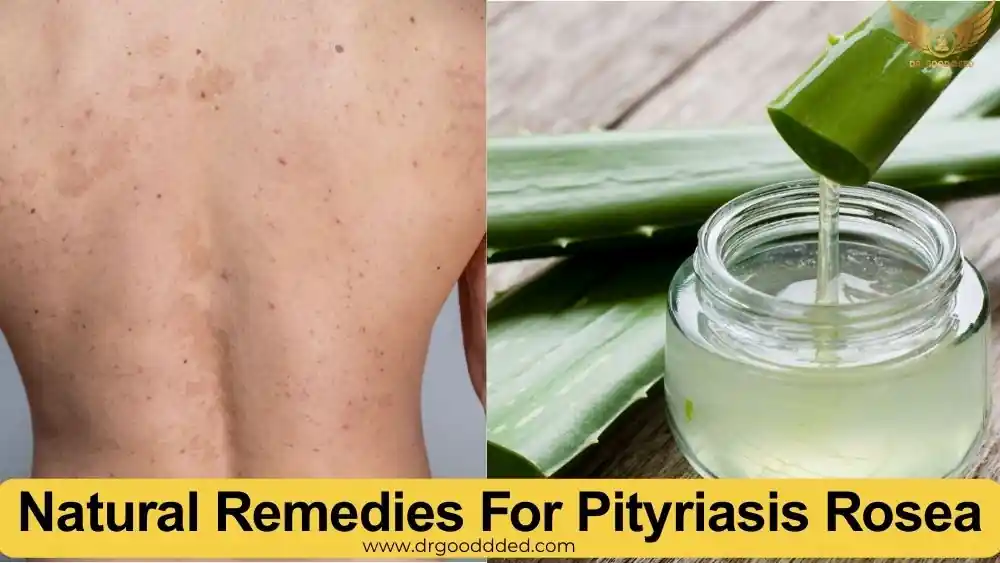
Pityriasis rosea is a self-limiting skin condition, which means it usually clears on its own within weeks. Pityriasis rosea irritates the outer skin layer, which triggers itching, dryness, and redness rather than deep tissue damage. The remedies in this section work by calming nerve endings, restoring the skin barrier, and limiting triggers like heat and friction that prolong symptoms.
Oatmeal Baths For Skin Soothing
Oatmeal works as a skin protectant. It forms a thin barrier that locks in moisture and reduces itch signals from nerve endings.
When you soak in an oatmeal bath, you reduce dryness that often triggers scratching. Scratching damages the skin surface and can delay healing. Colloidal oatmeal lowers skin inflammation and improves comfort in inflammatory rashes.
- Use plain colloidal oatmeal only.
- Avoid scented versions.
- Add it to lukewarm water, not hot water.
- Soak for 10 to 15 minutes.
- Pat your skin dry. Do not rub.
This is one of the safest home remedies to treat Pityriasis rosea and supports long-term itching relief for Pityriasis rosea when used regularly.
Aloe Vera Gel For Rash Relief
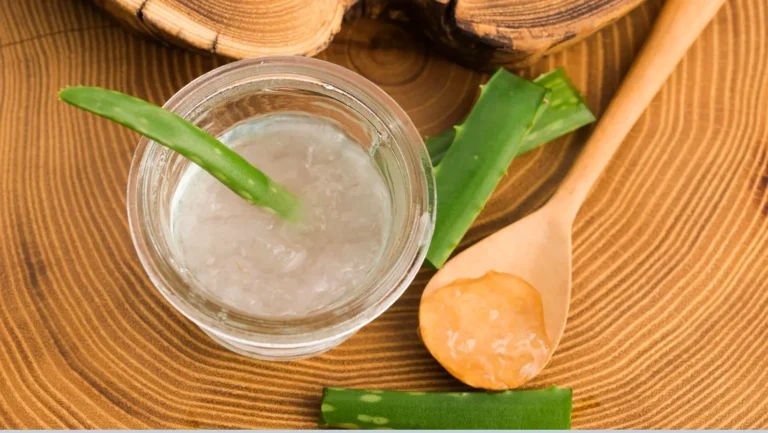
Aloe vera cools irritated skin and reduces surface redness. It also helps the top skin layer heal when dryness is present. You should use pure aloe gel without alcohol or added fragrance. Apply a thin layer twice daily. You will notice reduced burning and tightness within minutes.
Aloe supports wound healing and reduces inflammation, but evidence for pityriasis rosea is limited. That means it helps symptoms, not the cause. This still makes aloe a valuable part of home treatment for Pityriasis rosea .
Coconut Oil For Skin Barrier Repair
Coconut oil reduces water loss from the skin. When your skin barrier weakens, irritants enter more easily, and itching increases. Apply coconut oil after bathing when your skin is slightly damp. Use a small amount. Too much can clog pores and worsen heat rash.
This method works best when scaling or flaking is present. It supports natural remedies for Pityriasis rosea by improving skin flexibility and comfort.
Cold Compress To Reduce Redness
Cold compresses calm inflamed blood vessels near the skin surface. This reduces redness and itch signals.
- Wrap ice or a cold pack in a clean cloth.
- Apply to affected areas for five to ten minutes.
- Do not apply ice directly to skin.
Cold therapy is commonly recommended by dermatologists for inflammatory rashes. It gives fast relief and fits well with home remedies to treat Pityriasis rosea during flare-ups.
Lukewarm Showers Instead Of Hot Baths
Hot water strips natural oils from your skin. This worsens dryness and itching. Use lukewarm water for showers. Limit bathing time to under ten minutes. Use gentle cleansers only.
This simple change often reduces symptoms more than creams. Many cases worsen because of daily hot showers, not the rash itself. Avoiding heat is a key part of home treatment for Pityriasis rosea .
Wearing Loose Cotton Clothing
Tight clothing rubs against the rash and traps heat. Synthetic fabrics increase sweating and irritation. Wear loose cotton clothes that allow airflow. Avoid tight waistbands and synthetic workout gear.
Reducing friction protects healing skin and lowers itch intensity. This step supports home remedies to treat Pityriasis rosea without cost or risk.
Avoiding Excessive Sweating
Sweat irritates inflamed skin. It also triggers itching by activating nerve endings. Limit intense exercise during flare-ups. Stay in cool rooms. Take breaks if you sweat easily.
Heat and sweat are known symptom triggers, though they do not cause the rash itself. Managing them improves itching relief for Pityriasis rosea .
Gentle Moisturizers Without Fragrance
Moisturizers help restore the skin barrier. Fragrance damages healing skin and increases irritation. Choose creams labeled fragrance-free. Apply twice daily, especially after bathing. Moisturizing is a core part of home remedies to treat Pityriasis rosea .
Sunlight Exposure In Limited Amounts
Mild sunlight exposure may shorten rash duration in certain cases. Evidence is limited and not consistent. If you try sunlight, limit exposure to ten to fifteen minutes. Avoid sunburn. Stop if redness increases.
This option may help some people, but it is not guaranteed. Always treat it as supportive care within natural remedies for Pityriasis rosea .
Maintaining Skin Hydration
Hydrated skin heals faster and itches less. Dehydration worsens dryness and scaling. Drink water regularly, moisturize daily, and avoid alcohol-heavy skincare. Hydration supports every other step in home remedies to treat Pityriasis rosea and improves overall skin comfort.
Herbal Remedies For Pityriasis Rosea
Herbal care can support skin comfort when used carefully. These options do not cure the rash. Evidence for herbs is limited, so they should only be used to manage symptoms. When irritation appears, you must stop immediately. Used correctly, home remedies to treat Pityriasis rosea can include mild herbal support without harming healing skin.
Neem For Skin Inflammation
Neem has natural anti-inflammatory and antibacterial properties. In traditional skin care, neem is used to calm redness and reduce surface irritation.
You should only use diluted neem oil. Mix a few drops with a carrier oil like coconut oil. Apply it to a small test area first. Neem may reduce redness and mild itching, but medical research on pityriasis rosea is limited. It should be considered supportive, not essential, in herbal remedies for Pityriasis rosea .
Chamomile For Skin Irritation
Chamomile contains compounds that calm irritated skin and reduce itching signals.
You can soak a clean cloth in cooled chamomile tea and place it on affected areas. This method avoids direct application of strong plant extracts. Chamomile can be used for sensitive skin reactions, though evidence specific to pityriasis rosea remains limited.
Calendula Cream For Rash Healing
Calendula supports skin repair and reduces dryness. It is commonly used for minor wounds and inflamed skin.
Apply calendula cream once or twice daily on clean skin. Choose fragrance-free products. Calendula does not shorten rash duration but may reduce flaking and discomfort. It works as a supportive option within natural remedies for Pityriasis rosea .
Turmeric For Anti-Inflammatory Support
Turmeric contains curcumin, which reduces inflammation. For skin use, turmeric must be handled carefully.
A light paste made with turmeric and water can be applied briefly, then washed off. Staining is common. Skin irritation can occur. Evidence for topical turmeric in pityriasis rosea is limited, so this option should be used cautiously as part of herbal remedies for Pityriasis rosea .
Tea Tree Oil (Diluted, Spot Use Only)
Tea tree oil has antimicrobial properties. It can irritate skin if used incorrectly.
Always dilute tea tree oil with a carrier oil. Use it only on small areas. Never apply it widely. Some dermatologists warn against routine use due to irritation risk. It should never replace gentle care methods in home treatment for Pityriasis rosea .
Foods To Eat With Pityriasis Rosea
Food does not cure the rash, but it supports skin recovery. Nutrient-dense foods support immune balance and help the skin recover without increasing dryness or itch intensity during the rash phase.
Anti-Inflammatory Fruits And Vegetables
Fruits and vegetables rich in antioxidants help reduce skin stress. Examples include berries, spinach, carrots, and broccoli. These foods support cell repair and may reduce inflammation linked to itching.
Foods Rich In Vitamin C
Vitamin C helps collagen production, which supports skin repair. Citrus fruits, guava, kiwi, and bell peppers are good options. Regular intake supports healing without affecting the rash directly. These are useful foods to eat for Pityriasis rosea .
Omega-3 Fatty Acid–Rich Foods
Omega-3 fats help maintain skin flexibility and reduce dryness. Fatty fish, flaxseeds, and walnuts support skin barrier health. This may reduce scaling and irritation during recovery.
Adequate Protein For Skin Repair
Protein helps rebuild damaged skin layers. Eggs, lentils, beans, and lean meats support tissue repair. Poor protein intake may slow healing.
Hydration Through Water And Fluids
Hydration keeps skin soft and flexible. Drink water regularly. Avoid sugary and caffeinated drinks. Proper hydration supports all home remedies to treat Pityriasis rosea .
Itching Relief For Pityriasis Rosea
Itching causes most discomfort and complications. Scratching damages the skin and increases infection risk. Managing itch is central to itching relief for Pityriasis rosea .
Cold Compress For Itch Control
Cold reduces nerve activity linked to itching. Apply a cold compress for short periods. This method provides quick relief without side effects.
Oatmeal-Based Topicals
Oatmeal creams reduce itch and dryness. Use fragrance-free products only. Apply once or twice daily. This method is widely recommended by dermatologists for inflammatory rashes.
Calamine Lotion For Temporary Relief
Calamine cools the skin and reduces itching. Relief is temporary but useful during flare-ups. Apply a thin layer as needed.
Keeping Nails Short To Prevent Skin Damage
Scratching often happens without noticing. Short nails reduce skin injury and lower infection risk. This step protects healing skin during home treatment for Pityriasis rosea .
Avoiding Heat-Induced Itching
Heat increases itching intensity. Stay in cool environments, and avoid heavy blankets. Heat control improves symptom stability.
What To Avoid During Pityriasis Rosea
Certain daily habits worsen inflammation and strip the skin’s natural oils. Avoiding known triggers reduces flare-ups and allows the rash to resolve without repeated irritation that extends recovery time.
Hot Showers And Steam Baths
Hot water strips protective oils from the skin and increases blood flow to the rash, which intensifies redness and itching. Repeated heat exposure can worsen scaling and delay skin barrier repair.
Fragranced Skincare Products
Fragrances contain chemical irritants that disrupt healing skin. Even products labeled “mild” can trigger burning, itching, or new irritation when the skin barrier is already compromised.
Tight Or Synthetic Clothing
Tight clothing increases friction and traps heat against the rash. Synthetic fabrics prevent airflow, which promotes sweating and irritation, especially on the chest, back, and folds of skin.
Excessive Physical Activity That Causes Sweating
Sweat activates itch receptors and irritates inflamed skin. Heavy sweating also increases friction, which can worsen redness and prolong symptom severity during active rash stages.
How Long Pityriasis Rosea Take to Heal
Pityriasis rosea follows a self-limited course, meaning it resolves as immune activity settles. Healing depends less on treatment and more on how well the skin is protected from irritation during this period.
Typical Healing Timeline
Most people see gradual improvement within six to twelve weeks. The rash spreads first, then stabilizes, and finally fades. Mild skin discoloration may linger after visible rash clears.
Factors That Delay Recovery
Frequent scratching damages the skin surface and increases inflammation. Heat exposure, harsh soaps, friction, and poor moisture care disrupt healing and can extend symptoms beyond the usual timeline.
Signs The Rash Is Improving
Improvement shows as reduced redness, flatter patches, less scaling, and fewer itch episodes. The rash stops spreading before it fades, which signals the immune response is settling.
When Home Remedies Are Not Enough
Home care works for most cases, but some situations require medical evaluation. Delayed or severe symptoms may signal complications or a different skin condition that needs targeted treatment.
Severe Or Worsening Itching
Intense itching that disrupts sleep or daily function may require prescription treatments. Persistent itch increases the risk of skin injury and infection if left unmanaged.
Rash Lasting Longer Than 12 Weeks
Rashes lasting beyond twelve weeks may not be pityriasis rosea. Doctors evaluate for fungal infections, psoriasis, drug reactions, or other inflammatory skin disorders.
Rash During Pregnancy
Pityriasis rosea during early pregnancy has been linked, in limited studies, to higher complication risk. Medical supervision ensures both maternal comfort and fetal safety.
Signs Of Secondary Infection
Open sores, yellow crusting, increasing pain, or warmth around patches suggest infection. Antibiotic or anti-inflammatory treatment may be needed, with dosage determined by age and condition.
FAQs
Do Home Remedies Really Help Pityriasis Rosea Heal Faster?
Home remedies do not cure the rash faster, but they reduce itching, dryness, and irritation. Symptom control helps prevent scratching and skin damage, which supports smoother healing.
Is Pityriasis Rosea Contagious?
Pityriasis rosea does not spread through touch, sharing clothes, or close contact. You cannot pass it to family members or partners.
Can Herbal Remedies Cure Pityriasis Rosea?
Herbal remedies cannot cure pityriasis rosea. Evidence for herbs is limited. They may ease symptoms but should never replace gentle skin care.
What Foods Should Be Avoided With Pityriasis Rosea?
Highly processed foods, excess sugar, and alcohol may worsen inflammation. Limiting them supports skin comfort while using foods to eat for Pityriasis rosea .
How Long Does Pityriasis Rosea Usually Last?
Most cases resolve within twelve weeks. Some mild discoloration may last longer but it fades gradually.
Can Itching Be Completely Controlled At Home?
Many people achieve good itch control with cold compresses, moisturizers, and avoiding heat. Severe itching may need medical treatment.
Is Sunlight Good Or Bad For Pityriasis Rosea?
Limited sunlight may help some people, but evidence is mixed. Overexposure worsens irritation, so sunlight should always be minimal.
Can Pityriasis Rosea Come Back?
Recurrence is uncommon. Most people experience it only once in their lifetime.
Should Moisturizers Be Used Daily?
Yes. Daily moisturizing supports skin barrier repair and improves comfort during home remedies to treat Pityriasis rosea .
When Should A Dermatologist Be Consulted?
You should see a dermatologist if symptoms worsen, last beyond twelve weeks, occur during pregnancy, or show signs of infection.









Leave a Comment