



Juices for gut health support digestion by reducing digestive workload, improving hydration, and delivering nutrients in an easily absorbed form. When used correctly, these juices can help with bloating, mild constipation, gut irritation, and slow digestion. They do not replace medical treatment or balanced meals. They work as supportive tools when your gut feels strained, inflamed, or sluggish.
Liquid foods leave the stomach faster than solid foods. That matters because slow stomach emptying often causes heaviness, gas, and nausea. Juices for gut health are most helpful during digestive stress, after illness, or when fiber intake is low.
Best Juices for Digestion

The best juices for digestion focus on enzymes, gentle acids, and hydration. These juices help your stomach break down food more efficiently and reduce pressure on the intestines.
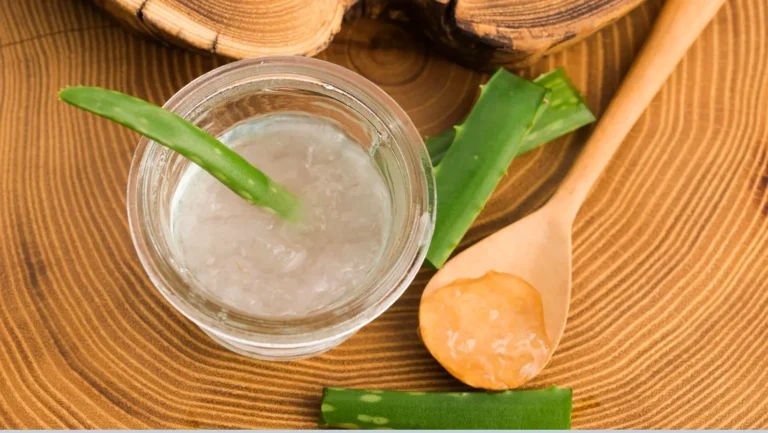
Aloe Vera Digestion Juice
Aloe vera contains mucilage, a gel-like fiber that coats the gut lining. This can reduce irritation in people with mild gastritis [stomach lining irritation]. Aloe may help with stool frequency, but evidence remains mixed.
Use only purified, food-grade aloe gel. Blend with water. Drink in small amounts. Doctors usually advise caution because excess aloe can cause cramps or diarrhea. Aloe-based juices for gut health suit people with dry stools, not those with loose stools.
Ginger–Lemon Gut Booster
Ginger improves gastric emptying [how fast food leaves the stomach]. Clinical trials show ginger can reduce nausea and bloating. Lemon adds citric acid, which may support stomach acid balance in people with low acid levels.
This combination ranks among the best juices for digestion after heavy meals. Avoid during acid reflux flares. Evidence supports ginger more strongly than lemon for digestion.
Carrot–Apple Fiber-Rich Blend
Carrots supply soluble fiber, which feeds gut bacteria. Apples provide pectin, a fiber shown in gut microbiome studies to improve stool consistency.
This juice supports regular digestion without harsh stimulation. Fiber-based juices for gut health work best when pulp remains partly intact. Fully strained juices reduce this benefit.
Cucumber–Mint Cooling Juice
Cucumber is mostly water and electrolytes. Mint relaxes smooth muscle in the gut, which may ease cramps. Small human studies link peppermint compounds to reduced gut spasms.
This juice suits people with heat-related gut discomfort or bloating. It remains one of the best juices for digestion for sensitive stomachs.
Papaya Enzyme Digestive Juice
Papaya contains papain, a protein-digesting enzyme. Enzyme supplements with papain show modest benefit in people with enzyme insufficiency [low digestive enzyme output].
Papaya-based juices for gut health may help after protein-heavy meals. Evidence supports enzyme activity, but not long-term gut healing.
Detox Juices for Gut Health
The term detox often gets misused. Your liver and kidneys handle detoxification. Detox juices for gut health do not cleanse toxins. They reduce digestive burden and support hydration, bile flow, and bowel movement.
Beetroot Detox Flush
Beetroot supports bile production, which helps fat digestion. Clinical nutrition research links beet compounds to improved blood flow and gut motility.
This juice may support stool movement. It does not remove toxins. Detox juices for gut health should never replace meals.
Spinach–Green Apple Detox Drink
Spinach provides magnesium, which supports muscle movement in the intestines. Green apple adds low-glycemic fiber. This blend supports gentle bowel activity. It fits well into juices for gut health routines for constipation-prone digestion.
Celery Cleansing Juice
Celery juice increases fluid intake and sodium balance. Some observational studies link hydration to improved stool frequency. There is no strong evidence that celery heals the gut. Detox juices for gut health like this mainly support hydration.
Turmeric Anti-Inflammatory Tonic
Turmeric contains curcumin, which shows anti-inflammatory effects; however, absorption remains limited unless combined with fat or black pepper. This juice supports inflammation control but does not treat disease. Use cautiously if gallbladder issues exist.
Gut-Healing Juice Recipes
Gut healing focuses on the intestinal lining and microbiome balance. Juice recipes for gut healing aim to reduce irritation and support repair, not cure disease.
Bone Broth + Ginger Liquid Blend
Bone broth provides amino acids like glutamine, which support intestinal cells. Clinical evidence suggests glutamine may help gut barrier integrity in stressed states, but results vary. This blend supports recovery after illness or antibiotic use. It fits targeted juice recipes for gut healing plans.
Probiotic-Rich Fermented Juice
Fermented carrot or beet juice contains live bacteria. Human studies show fermented foods can increase microbiome diversity. Start with small amounts. Excess can cause gas. Probiotic juices for gut health benefit some people, not all.
Watermelon Hydration Juice
Watermelon provides water and potassium. Hydration supports stool softness and intestinal movement. This juice does not heal tissue. It supports gut comfort during dehydration.
Fennel Soothing Digestive Juice
Fennel contains compounds that reduce gas formation. Small clinical trials link fennel to reduced bloating. This juice suits people with frequent gas and mild cramps. It supports gut comfort rather than repair.
Juice For Constipation Relief
Constipation usually happens when stool moves too slowly through the gut. Common causes include low fiber intake, dehydration, poor gut movement, or changes in routine. A juice for constipation relief works best when it adds fluid, gentle fiber, and compounds that support bowel movement without irritation.
Prune Juice For Bowel Movement Support
Prune juice contains sorbitol, a natural sugar alcohol that pulls water into the stool. Sorbitol increases stool softness and frequency. This effect explains why prune juice is often used in hospital settings for mild constipation.
Small amounts work best. Too much can cause cramping or diarrhea. A juice for constipation relief, like prune juic,e supports movement but does not fix the root cause of chronic constipation.
Pear–Flaxseed Fiber Drink
Pears provide soluble fiber that forms a gel in the gut. Flaxseed adds bulk and supports stool formation. Consistently intaking fiber improves bowel regularity when soluble fiber intake rises gradually.
Blend pear with water and add ground flaxseed. Drink with meals. Fiber-rich juices for gut health work best when paired with enough water during the day.
Orange–Chia Natural Laxative
Chia seeds absorb water and expand. This increases stool volume, which signals the colon to move. Oranges provide fluid and mild acidity that can stimulate digestion.
This option helps people with slow bowel movements but should be avoided if citrus worsens symptoms. Not every juice for constipation relief suits sensitive stomachs.
Kiwi–Spinach Gentle Relief Juice
Kiwi contains actinidin, an enzyme shown in small human studies to improve stool frequency. Spinach adds magnesium, which supports muscle movement in the intestines. This juice works gently and suits people who cannot tolerate stronger laxative effects.
Anti-Inflammatory Juices For Gut
Gut inflammation refers to irritation of the intestinal lining. It may cause pain, bloating, and food sensitivity. Anti-inflammatory juices for gut support symptom control, but do not replace medical treatment.
Pineapple–Ginger Anti-Inflammatory Blend
Pineapple contains bromelain, an enzyme with anti-inflammatory effects in lab and human studies. Ginger reduces inflammatory signaling and improves digestion speed.
Together, they support gut comfort after heavy meals. Anti-inflammatory juices for gut, like this, work best when consumed fresh and in small amounts.
Blueberry Antioxidant Juice
Blueberries contain polyphenols, plant compounds linked to reduced oxidative stress. Research suggests these compounds may support gut bacteria balance. This juice supports long-term gut health rather than quick symptom relief.
Carrot–Turmeric Healing Juice
Carrots provide beta-carotene, which supports mucosal health. Turmeric helps control inflammatory responses, though absorption remains limited. This blend supports people with mild gut irritation. It does not treat inflammatory bowel disease.
Green Tea–Lemon Anti-Inflammatory Drink
Green tea contains catechins that influence gut bacteria composition. Lemon adds flavor and mild acidity. Green tea supports microbiome diversity, but results vary by individual tolerance.
Best Time To Drink Gut-Health Juices
Timing affects how juices for gut health interact with digestion. Drinking the wrong juice at the wrong time can worsen symptoms.
Morning Empty-Stomach Juices
Hydrating juices work best in the morning. Examples include cucumber, watermelon, or diluted carrot juice. These support bowel movement and hydration after overnight fluid loss. Avoid acidic juices first thing if you experience reflux.
Pre-Meal Digestive Juices
Ginger-based or enzyme-rich juices support digestion when taken 15 to 30 minutes before meals. They prepare the stomach for food breakdown. This timing works well for people with slow digestion.
Nighttime Soothing Juice Options
Evening juices should calm the gut. Fennel- or chamomile-based blends suit nighttime use. Avoid fruit-heavy juices for gut health late at night because they may disturb sleep or alter blood sugar.
Ingredients To Avoid For Sensitive Guts
Not all ingredients support gut comfort. Some worsen bloating, pain, or reflux.
High-Fructose Fruits
Fruits like mango and grapes contain high fructose levels. These may ferment in the gut and cause gas, especially in people with IBS [irritable bowel syndrome].
Spicy Ingredients
Chili and cayenne irritate the gut lining. They may increase pain during inflammation.
Excess Citrus
Too much lemon or orange juice can worsen acid reflux and stomach irritation.
Artificial Sweeteners
Sweeteners like sorbitol and sucralose disrupt gut bacteria and increase bloating. Avoid them in juices for gut health .
When To Avoid Juicing
Juicing does not suit every condition. In some cases, it can worsen health issues.
Blood Sugar Instability
Fruit juices raise blood sugar quickly. People with diabetes or insulin resistance should limit juice intake and focus on whole foods.
Kidney Disorders
Many juices contain high potassium. This can strain the kidneys in people with kidney disease.
GERD Flare-Ups
Acidic juices worsen reflux symptoms. Avoid citrus and tomato-based juices during flares.
Post-Surgery Digestive Sensitivity
After surgery, digestion changes. Doctors usually advise gradual food progression. Juicing without guidance may cause discomfort.
FAQs
What Juice Is Best For Gut Repair?
Bone broth blends and fermented juices support gut lining and microbiome balance. Evidence supports their role in recovery, but they do not cure gut disorders or replace medical care.
Which Juices Reduce Inflammation In The Gut?
Turmeric, ginger, blueberry, and green tea-based options qualify as anti-inflammatory juices for the gut , but effects vary based on individual tolerance and overall diet quality.
How Often Should You Drink Gut-Healing Juices?
Once daily works for most people. Doctors usually advise moderation because excess juicing can reduce fiber intake and affect blood sugar control.
Can Juices Replace Meals For Digestion Health?
No. Juices lack the protein and fats needed for long-term health. Juices for gut health support meals, but should not replace them.
Are Detox Juices Safe For People With IBS?
Some are safe, but triggers differ. Low-fructose and low-fiber options work better. Always start with small amounts and monitor symptoms.
Which Juice Is Best For Constipation Relief?
Prune, pear-flaxseed, and kiwi-based options work best. Each juice for constipation relief supports bowel movement through different mechanisms.
Do Green Juices Improve Gut Microbiome?
Green juices may support bacteria diversity if fiber remains present. Fully strained juices show less microbiome benefit.
Can Juices Worsen Bloating?
Yes. High-fructose fruits, excess fiber, or artificial sweeteners often increase gas and bloating in sensitive individuals.
What Ingredients Should Sensitive Stomachs Avoid?
Citrus, spice, artificial sweeteners, and high-fructose fruits should be limited in juices for gut health plans.
Is Juicing Better Than Smoothies For Gut Health?
Smoothies retain fiber, which supports bowel movement and microbiome health. Juices absorb faster but offer less long-term digestive support.











Leave a Comment