



Yes, you can get pregnant from precum. It is not common, but it happens. Sperm found in pre-ejaculate fluid has caused pregnancies. Precum is not the same as semen. But that does not make it safe to ignore.
Awareness of leftover sperm in urethra, ovulation timing, and contraceptive reliability turns vague worry into informed decisions. If pregnancy is a concern after unprotected sex, act within the emergency contraception window and confirm with a test two weeks later.
- You can get pregnant from precum, even without full ejaculation
- Sperm found in precum comes from leftover sperm in the urethra after a previous ejaculation
- The withdrawal method fails about 20% of the time in typical use per year
- Chances of pregnancy from pre-ejaculate rise sharply during the fertile window
- Precum pregnancy risk during ovulation is highest because sperm can live inside the body for up to 5 days
- Urinating after ejaculation reduces leftover sperm in the urethra but does not guarantee zero sperm in the next session
- Emergency contraception works up to 72 hours after sex, and some types work up to 120 hours
What Is Precum?
Precum is a clear, slippery fluid that comes out of the penis before ejaculation. Its medical name is pre-ejaculate fluid. The Cowper’s glands, located just below the prostate, produce it.
It cleans and lubricates the urethra so sperm travels more easily during ejaculation. It also neutralizes acid left behind by urine, since sperm dies in an acidic environment. Precum itself does not come from the testicles. It does not contain sperm by design.
Does Precum Contain Sperm?
Multiple studies have tested pre-ejaculate fluid samples directly. A study published in Human Fertility (2011) tested 27 men and found that 41% had motile sperm in their pre-ejaculate. Another study found 37% of men had sperm present. Some samples had none at all.
The pattern is inconsistent across men. One man’s precum sample may carry zero sperm. Another man’s sample from the same session may carry thousands of motile sperm.
Sperm survival in pre-ejaculate fluid depends heavily on whether sperm were present in the urethra to begin with. Precum does not generate sperm, but picks up what is already there.
Leftover Sperm in the Urethra and Precum
After ejaculation, sperm do not all leave the body. Some stay inside the urethra. This is the tube that carries both urine and semen out of the body.
During the next sexual arousal, leftover sperm in urethra interact directly. Precum flows through the same urethra on its way out. If sperm are still in that tube, the fluid picks them up and carries them out before ejaculation ever happens.
This is why two key situations raise risk:
- Sex happening shortly after a previous ejaculation without urinating in between
- Multiple rounds of sex in the same session
Urinating after ejaculation flushes out much of the residual sperm. It does not guarantee zero sperm remain, but it significantly reduces the count. This is why some researchers and doctors suggest urinating between rounds if using withdrawal as a method.
Chances of Pregnancy From Pre-Ejaculate
The risk of pregnancy from pre-ejaculation is lower than with full ejaculation. Ejaculate contains 15 million to 200 million sperm per milliliter. Precum, even when it carries sperm, holds far fewer.
Chances of pregnancy from pre-ejaculate are hard to isolate in studies because most research tracks the withdrawal method overall, not precum in isolation. What we know:
- The withdrawal method has a 22% failure rate per year in typical use (CDC data)
- With perfect use, it drops to about 4% per year
- A portion of those failures are linked to pre-ejaculate exposure before withdrawal occurs
Even a small number of motile sperm can fertilize an egg. It only takes one.
Precum Pregnancy Risk During Ovulation
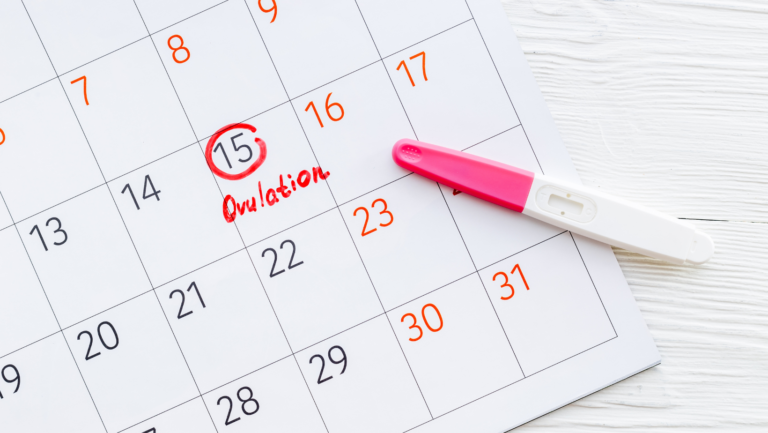
Precum pregnancy risk during ovulation is significantly higher than at other points in the cycle. Ovulation usually happens about 12 to 14 days before the next expected period. During this fertile window, the cervical mucus changes. It becomes thinner and more slippery, which makes it easier for sperm to travel toward the egg.
Sperm survival in pre-ejaculate fluid that enters the vagina during ovulation is different from sperm entering before or after. Near ovulation, sperm can survive inside the reproductive tract for up to 5 days. That means sex on Monday can still lead to fertilization if ovulation happens on Thursday or Friday.
Outside the fertile window, sperm survive much shorter periods, sometimes under 24 hours, because the cervical environment is less favorable.
Can You Get Pregnant From Precum? When the Pull-Out Method Actually Shows
The withdrawal method is one of the oldest and most misunderstood forms of contraception.
You can get pregnant from precum while using withdrawal. The problem with withdrawal is that pre-ejaculate is released before the person using the method even begins to pull out. The sperm, if present, are already inside the vagina before withdrawal happens.
Perfect withdrawal execution still carries a 4% annual failure rate. Typical use brings it to 22% because people do not always withdraw in time, and because of the pre-ejaculate exposure that happens earlier in the act.
Withdrawal does reduce pregnancy risk compared to no method at all. But it is not a reliable standalone strategy.
How to Reduce Pregnancy Risk
Some methods are far more effective than withdrawal:
- Condoms, used correctly, are 98% effective at preventing pregnancy and also protect against STIs
- Combined oral contraceptive pills are over 99% effective with perfect use
- IUDs (hormonal or copper) are over 99% effective and last 3 to 12 years, depending on type
- Implant (arm rod) is over 99% effective and lasts up to 3 years
For people using withdrawal, urinating between ejaculations helps flush leftover sperm from the urethra. It reduces but does not eliminate leftover sperm in urethra.
Tracking the menstrual cycle to identify high-risk days and avoiding unprotected sex during those days is also important.
What to Do If You’re Worried About Pregnancy
Emergency contraception is available and effective when used quickly:
- Plan B (levonorgestrel) works best within 72 hours. Effectiveness drops the longer you wait
- Ella (ulipristal acetate) works up to 120 hours (5 days) and stays more effective throughout that window than Plan B
- Copper IUD inserted within 5 days is the most effective emergency contraceptive option, over 99% effective
Weight affects Plan B’s performance. For people over 165 to 175 pounds, Ella or the copper IUD is a more reliable option. A pharmacist or doctor can help identify the right choice.
When to Take a Pregnancy Test
Testing too early gives unreliable results. After potential exposure, the body needs time to produce enough of the hCG hormone for a test to detect.
You can get pregnant from precum, but you cannot test immediately after because the test will not show anything useful.
- Test at least 10 to 14 days after the sex in question
- For the most reliable result, wait until after a missed period
- If the result is negative but a period still does not arrive, test again a few days later
Some early detection tests claim to work from the first day of a missed period. These are more accurate than testing mid-cycle but still have a small margin of error.
Frequently Asked Questions
Can you get pregnant from precum without ejaculation?
Yes. If motile sperm are present in the urethra from a previous ejaculation and enter the vagina through pre-ejaculate fluid, fertilization is possible. Ejaculation does not need to happen inside the vagina for pregnancy to occur.
How likely is pregnancy from precum?
Studies show 37 to 41% of men have sperm in their pre-ejaculate. With typical withdrawal use, annual pregnancy rates sit at 22%. Chances of pregnancy from pre-ejaculate in a single unprotected encounter are lower than with full ejaculation, but not negligible.
Does urinating after ejaculation remove sperm from the urethra?
Mostly yes. Urine flushes out the majority of residual sperm. It does not guarantee zero sperm in the urethra, but it significantly reduces the count before the next sexual encounter.
Can the pull-out method prevent pregnancy?
With perfect use, it prevents pregnancy 96% of the time per year. In reality, typical use drops to 78%. You can get pregnant from precum even with withdrawal because pre-ejaculate exists before withdrawal begins.
Can sperm live in precum?
Yes. Sperm survival in pre-ejaculate fluid is confirmed by multiple studies. Sperm from the urethra enter the pre-ejaculate fluid as it passes through. Those sperm remain motile and capable of fertilization.
Can you get pregnant from precum during ovulation?
Precum pregnancy risk during ovulation is elevated because sperm survive up to 5 days in fertile cervical mucus. Even a small sperm count in precum is enough to fertilize an egg released during this window.
Is precum the same as semen?
No. Semen is produced in the testes and contains millions of sperm. Precum comes from the Cowper’s glands and does not contain sperm by design. It picks up sperm only if leftover sperm are already present in the urethra.
Can washing after sex prevent pregnancy?
No. Sperm travel toward the cervix within minutes of entering the vagina. Washing or douching after sex does not remove sperm from inside the reproductive tract. It also disrupts healthy vaginal bacteria and is not recommended.
When should I take emergency contraception?
Take it as soon as possible. Plan B works best within 24 hours but is approved up to 72 hours. Ella works up to 120 hours. Every hour you wait reduces effectiveness slightly, so do not delay.
Can you get pregnant the first time from precum?
Yes. The body does not distinguish between a first sexual encounter and any other. If sperm are present in pre-ejaculate and reach the egg during the fertile window, fertilization happens regardless of experience or history.










Leave a Comment