

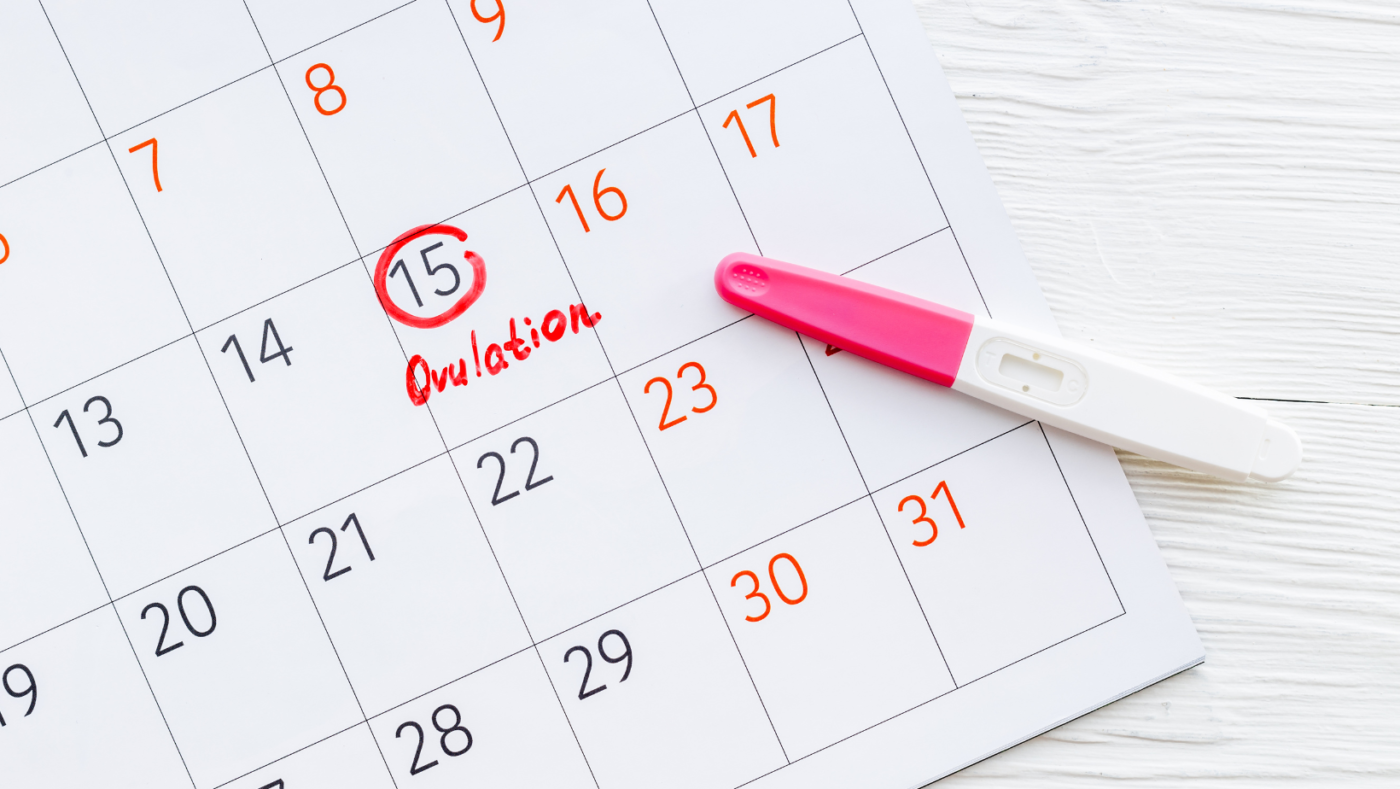

No, Plan B does not work during ovulation. Plan B’s primary mechanism is delaying ovulation. If ovulation has already happened, the pill has little to no effect on preventing pregnancy.
- Plan B does not work during ovulation if the egg is already released. It cannot stop or reverse a completed ovulation
- Plan B effectiveness before ovulation reaches up to 89% when taken within 24 hours
- Taking Plan B after ovulation cannot prevent pregnancy because sperm can already be present in the fallopian tubes
- Sperm survival and Plan B effectiveness are connected; sperm live up to 5 days, so delaying ovulation by even 2 to 3 days can prevent fertilization
- A copper IUD inserted within 5 days of unprotected sex is the most effective emergency option, regardless of ovulation timing
What Is Plan B and How Does It Work?
Plan B One-Step contains 1.5 mg of levonorgestrel, a synthetic hormone. It is a single-pill emergency contraceptive sold without a prescription in most pharmacies.
Its actions, in order of how they work:
- Delays or stops ovulation by suppressing the LH (luteinizing hormone) surge that triggers egg release
- Thickens cervical mucus, making it harder for sperm to reach an egg
- Alters the uterine lining, which may reduce the chance of implantation (though this is debated and considered a secondary effect)
Plan B does not end an existing pregnancy. The FDA confirms this. If implantation has already occurred, Plan B has no effect on the pregnancy.
Can Plan B Stop Ovulation?
Ovulation is a sequence of hormonal events. The process starts with a rise in estrogen, which then triggers a surge in LH (luteinizing hormone). That LH surge causes the follicle to rupture and release the egg. The whole process from LH surge to egg release takes about 24 to 36 hours.
Plan B works by suppressing that LH surge. If the LH surge has not started yet, Plan B can stop it completely. If the LH surge has already begun, Plan B cannot reverse it. The hormonal signal is already sent.
A 2007 study published in Contraception tested this directly. Women given Plan B before the LH surge showed significantly delayed or inhibited ovulation. Women who took Plan B after the LH surge had started showed no meaningful delay in egg release.
Plan B Effectiveness Before Ovulation
When taken within 24 hours of unprotected sex and before the LH surge, Plan B reduces pregnancy risk by 75 to 89%. Within 72 hours, effectiveness drops to about 75 to 85% depending on cycle timing. After 72 hours, the FDA acknowledges some residual effect up to 120 hours, but the data is weaker.
The earlier in the follicular phase you take it, the better. Women in the early part of their cycle, well before ovulation, see the strongest results because the hormone delay has the most time to work.
Plan B effectiveness before ovulation is also affected by body weight. Studies show that levonorgestrel becomes significantly less effective in women weighing 165 to 175 pounds. The blood concentration of the hormone is lower in higher body weights, reducing its ability to suppress the LH surge fully.
Taking Plan B After Ovulation Risk
Once the egg is released, it stays viable for fertilization for 12 to 24 hours. Plan B cannot pull the egg back. It cannot stop sperm that are already in the fallopian tubes. If ovulation just occurred and sperm are present, fertilization is possible regardless of taking Plan B.
Taking Plan B after ovulation risk is highest in the 12 to 24 hours after ovulation. After that window, the egg degrades, and pregnancy is no longer possible until the next cycle.
If you are in the luteal phase, which is the 10 to 14 days after ovulation, taking Plan B serves no protective purpose against pregnancy from that cycle. The fertile window is closed.
Sperm Survival and Plan B Effectiveness
Sperm survival and Plan B effectiveness are directly linked. Sperm do not die immediately after entering the reproductive tract. In fertile cervical mucus (the type present near ovulation), sperm survive for up to 5 days. In less fertile mucus, they die within 24 to 48 hours.
This means sex on Monday can still lead to pregnancy if ovulation happens on Friday. If Plan B delays ovulation by 4 to 5 days, it essentially moves the egg release past the point where those sperm are still alive.
Sperm survival and Plan B effectiveness work together when Plan B is taken before ovulation. The delay it creates in egg release outlasts the sperm waiting in the fallopian tubes.
This is the mechanism that makes Plan B effective even when taken a day or two after sex. The sperm may still be alive, but a delayed ovulation means they die before the egg arrives.
How Late Can Plan B Work After Sex?
How late can Plan B work after sex is a time and cycle question combined. General effectiveness by time:
| Time After Sex | Estimated Effectiveness |
| Within 24 hours | Up to 89% |
| 24 to 48 hours | About 75 to 85% |
| 48 to 72 hours | About 58 to 75% |
| 72 to 120 hours | Reduced but some evidence of effect |
These numbers assume Plan B is taken before ovulation. If ovulation has already happened, none of these percentages apply. Plan B does not work after sex if you are already post-ovulation.
For women who are unsure of their cycle timing, or who had sex close to expected ovulation, Ella (ulipristal acetate) is a better option. It works up to 120 hours, maintains effectiveness closer to the 5-day mark, and is less affected by body weight than Plan B.
Signs You Might Be Ovulating
Most people cannot feel ovulation happening. Some can. The signs are subtle and easy to miss:
- Cervical mucus change: Near ovulation, discharge becomes clear and stretchy, similar to raw egg white
- Mittelschmerz: A mild ache or twinge on one side of the lower abdomen, usually lasting a few hours
- Basal body temperature rise: Temperature increases by 0.2 to 0.5 degrees Celsius after ovulation, but this is only detectable with a thermometer and daily tracking
- Positive ovulation test: LH test strips (available at pharmacies) detect the LH surge 24 to 36 hours before egg release
Ovulation apps and calendar methods estimate ovulation but cannot confirm it in real time. Only LH test strips give a near-real-time signal.
What to Do If You Had Sex During Ovulation
The copper IUD is the only emergency contraceptive that works reliably after ovulation. Options to consider:
- Take Plan B immediately if you are uncertain whether ovulation has occurred; any chance of delaying it is worth pursuing
- Consider Ella instead if you are within 120 hours and closer to or at ovulation; it has a better chance of inhibiting a late-stage LH surge
- Ask about a copper IUD; a Paragard copper IUD inserted within 5 days of unprotected sex is over 99% effective regardless of ovulation status; it works by creating an environment toxic to sperm and by preventing implantation
- Consult a pharmacist or doctor the same day; they can help identify which option fits your situation best
When to Take a Pregnancy Test
After unprotected sex, the body needs time to produce enough hCG hormone for a urine test to detect:
- Test at least 10 to 14 days after unprotected sex
- For best accuracy, wait until after a missed period
- If a period is more than 5 to 7 days late and the test is negative, test again
Plan B sometimes causes early or delayed periods as a side effect. A period arriving earlier or later than expected after taking Plan B is normal and does not confirm or deny pregnancy.
Frequently Asked Questions
Does Plan B work if you are already ovulating?
No. Plan B does not work during ovulation once the egg is released. The LH surge triggers egg release within 24 to 36 hours. Plan B cannot stop a surge already in progress. If ovulation is complete, the pill offers no meaningful protection for that cycle.
How effective is Plan B before ovulation?
Plan B effectiveness before ovulation reaches 89% when taken within 24 hours. This drops to roughly 75 to 85% at 48 hours and further declines by 72 hours. Effectiveness is highest in the early follicular phase, well before the LH surge begins.
Can Plan B stop ovulation immediately?
No, not immediately. Plan B stops ovulation and requires time to build hormone levels. It works by suppressing the LH surge. If the surge has not started, Plan B can stop egg release. If the surge started hours earlier, it cannot reverse the process.
How long after sex can you take Plan B?
Plan B works after sex up to 72 hours officially, with some documented effect up to 120 hours. Effectiveness falls sharply after 24 hours. At 72 hours, it reduces pregnancy risk by about 58 to 75%, assuming ovulation has not yet occurred.
Can you get pregnant after taking Plan B during ovulation?
Yes. Plan B does not work during ovulation to prevent pregnancy from that session. If ovulation happened and sperm were present, fertilization is possible. Studies confirm Plan B has no measurable effect on post-ovulation fertilization.
Can sperm survive after taking Plan B?
Yes. Sperm survival and Plan B effectiveness are separate processes. Plan B does not kill sperm. It delays ovulation. Sperm already inside the reproductive tract continue living for up to 5 days regardless of whether Plan B was taken.
Is Plan B the same as an abortion pill?
No. Plan B prevents ovulation. It does not end an established pregnancy. The abortion pill (mifepristone combined with misoprostol) works after implantation. Plan B does not work during ovulation to terminate pregnancy. They are entirely different medications with different mechanisms.
Can you take Plan B more than once in a cycle?
Technically yes, but it is not recommended as a regular contraceptive. Taking it multiple times in one cycle increases hormonal side effects like irregular bleeding, nausea, and cycle disruption. It is approved only for emergency use.
What is the most effective emergency contraception after ovulation?
The copper IUD (Paragard). It works over 99% of the time when inserted within 5 days of unprotected sex and remains effective regardless of whether ovulation has occurred. The copper IUD is the only option with reliable post-ovulation protection.
When should I see a doctor after taking Plan B?
See a doctor if your period is more than 7 days late, if you experience severe abdominal pain (which can indicate an ectopic pregnancy), or if you test positive on a home pregnancy test. A doctor visit is also recommended if you had unprotected sex during ovulation and did not take emergency contraception within 24 hours.





Leave a Comment