



When you lose your virginity, you may feel mild discomfort or nothing unusual at all. A few bleed lightly. Most feel some mix of nervousness and curiosity afterward. The body heals quickly. The emotional side takes longer to settle, especially if expectations and reality do not match.
Physical Changes After Losing Virginity
Physical changes after losing virginity are mostly temporary. Nothing about your body permanently shifts after first-time sex.
What actually happens physically:
- Vaginal tissues stretch, sometimes for the first time
- Pelvic floor muscles tighten from nervousness, which increases friction
- Mild genital sensitivity or soreness appears for 24 to 48 hours
- Light spotting occurs in roughly 40% of people with vaginas, according to research published in the British Medical Journal
Physical changes after losing virginity do not include your hips widening, your walk changing, or any external appearance shift.
The cervix sometimes gets lightly bumped during deeper penetration. This causes a dull ache that feels separate from vaginal soreness. It resolves on its own within a few hours.
Vaginal Lubrication and First-Time Sex
Vaginal lubrication and first-time sex are closely connected. Sufficient lubrication determines whether first-time sex feels uncomfortable or manageable.
The body produces vaginal lubrication through a process called vaginal transudation. When arousal increases, blood flow to the vaginal walls rises, and fluid seeps through the vaginal lining. This naturally reduces friction.
Nervousness reduces arousal, which reduces lubrication. Less lubrication means more friction, which causes micro-abrasions in vaginal tissue. Those tiny tears are what cause most of the soreness afterward.
Vaginal lubrication and first-time sex work better together when:
- Enough time is spent on foreplay before penetration
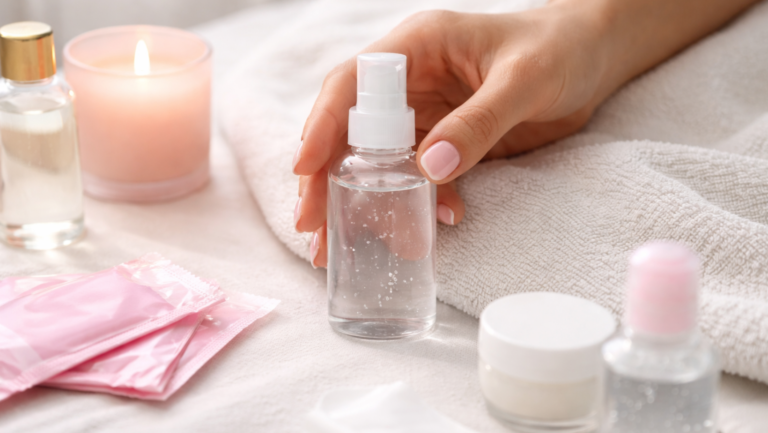
- A water-based lubricant like Sliquid H2O or YES Water-Based is used alongside natural lubrication
- Penetration is gradual rather than immediate
Losing your virginity is significantly more comfortable when the body is adequately aroused first.
Soreness After Losing Virginity
Soreness after losing one’s virginity is common, depending on lubrication levels, muscle tension, and the pace of penetration.
The soreness comes from two sources:
- Vaginal tissue micro-abrasions: Small surface-level friction injuries in the vaginal lining. These heal within 24 to 48 hours without treatment.
- Pelvic floor muscle tension: When someone is nervous, the levator ani muscle group tightens involuntarily. This is the same group involved in a condition called vaginismus. First-time sex triggers this tension in many people.
Soreness after losing virginity typically lasts one to two days. If soreness extends beyond three days, or if urinating becomes painful alongside pelvic discomfort, that points toward possible irritation or a mild infection, and a doctor visit makes sense.
Cold packs wrapped in cloth applied to the external vaginal area for 10 minutes reduce swelling and soreness quickly. Ibuprofen at 400 mg also helps reduce inflammatory soreness specifically.
Does the Hymen Always Break the First Time?
The hymen does not “break.” It stretches.
The hymen is a thin, flexible ring of tissue around the inner edge of the vaginal opening. It varies significantly between people. Some have a hymen that covers a large portion of the opening. Others have very little hymenal tissue at all by their teenage years.
Key facts most people are not told:
- The hymen stretches and may develop small tears during first penetration, but it does not disappear
- Remnants of hymenal tissue remain throughout a person’s life
- Activities like cycling, gymnastics, inserting tampons, and pelvic exams all stretch the hymen before sex ever happens
- A 2019 study in BMJ found that even among people who had never had sex, hymenal tissue showed significant variation with no consistent “intact” appearance
About 40% of people bleed during first-time sex. The other 60% do not. Bleeding happens when small hymenal blood vessels tear during stretching. It is not a measure of virginity or proof of first-time sex.
Emotional Feelings After First-Time Sex
When you lose your virginity emotionally, it is harder to predict than the physical side. Common emotional responses in the hours after first-time sex:
- Closeness: Oxytocin releases during physical intimacy. This can produce strong feelings of attachment, even if the relationship is casual.
- Vulnerability: The body and nervous system both processed something new. Some people feel exposed or unsettled without knowing why.
- Flat feeling: Some people expect a significant emotional shift and feel surprised when nothing dramatic happens. This is completely normal.
- Regret: If the timing, partner, or circumstances felt off, regret appears quickly. This does not mean something went wrong physically.
Pregnancy Risk During First-Time Sex
Pregnancy risk first-time sex is real and identical to the risk in any subsequent sexual encounter. First-time sex carries the same pregnancy risk as any other unprotected vaginal intercourse.
The body does not have a “first-time exemption.” Ovulation does not pause for inexperience.
Specific risks:
- If sex happens within the five-day window before ovulation, pregnancy is possible even without ejaculation inside the vagina, since pre-ejaculate contains viable sperm
- The fertile window in a 28-day cycle typically falls between days 10 and 17
- Emergency contraception (Plan B) taken within 72 hours reduces pregnancy risk by up to 95% if taken within 24 hours
Safe Sex Tips for First Time
Safe sex tips for first time cover both physical safety and emotional readiness.
- Use a condom correctly: A condom that is put on incorrectly, worn inside out initially, or left on after ejaculation without holding the base fails. The CDC’s failure rate for condoms rises from 2% with perfect use to 13% with typical use because of application errors.
- Confirm consent clearly: Both people should confirm they want to proceed. Ambiguity does not count as consent.
- Use lubrication: As covered above, this directly affects comfort and reduces tissue injury.
- Go slowly: Rushing penetration triggers muscle tension that increases pain. Gradual insertion gives pelvic floor muscles time to relax.
- Communicate during: Saying “slow down” or “stop” is normal and should be respected immediately.
Safe sex tips for first time also include getting tested for STIs afterward if there is any uncertainty about a partner’s status. Many STIs, including chlamydia and HPV, produce no symptoms in the early stages.
When to See a Doctor
See a doctor if any of the following occur after first-time sex:
- Bleeding that does not stop within 24 hours or soaks through more than one pad
- Severe pain during or after sex that does not reduce within three days
- Burning during urination, which signals possible irritation or a urinary tract infection
- Unusual vaginal discharge with an odor, which signals possible infection
- Concern about pregnancy, in which case emergency contraception works best within 72 hours
Planned Parenthood and most OB-GYN offices provide confidential consultations specifically for these concerns.
Frequently Asked Questions
Does losing virginity cause permanent body changes?
No. When you lose your virginity, it does not include permanent physical changes. Vaginal tissue is elastic and returns to its normal state after sex. No external appearance changes occur. Hips do not widen, and walking patterns do not shift. These are myths with no anatomical support.
Is bleeding normal when you lose your virginity?
Yes, but only in about 40% of cases. Bleeding happens when small blood vessels in the hymenal tissue tear during stretching. The other 60% of people do not bleed at all, often because their hymen has already stretched from other physical activities.
Why can first-time sex feel uncomfortable?
The main reasons are muscle tension from nervousness, insufficient lubrication, and going too fast. The levator ani muscle group tightens involuntarily under stress. When these muscles do not relax before penetration, friction and pressure increase significantly.
How long does soreness last after losing virginity?
Soreness after losing virginity typically lasts 24 to 48 hours. If soreness continues past 72 hours or is accompanied by burning during urination or unusual discharge, that signals possible irritation or infection requiring a doctor visit.
Can you get pregnant the first time you have sex?
Yes. Pregnancy risk first-time sex is identical to any other time. If unprotected sex occurs during the fertile window, days 10 to 17 of a typical 28-day cycle, pregnancy is possible. Pre-ejaculate also contains sperm, so ejaculation inside the vagina is not required for pregnancy risk to exist.
What helps make first-time sex more comfortable?
Spending adequate time on foreplay before penetration, using a water-based lubricant, going slowly, and communicating openly with the partner. These four steps directly address the main causes of discomfort: low lubrication, muscle tension, and friction.
Does everyone bleed when their hymen stretches?
No. Research published in the BMJ confirms that the majority of people do not bleed during first-time sex. The presence or absence of bleeding has no reliable connection to sexual history.
Is emotional reaction normal after first-time sex?
Yes. Oxytocin releases during physical intimacy and creates feelings of attachment or vulnerability. A flat emotional response is also normal. Neither extreme signals a problem. Regret is more common when the experience felt rushed or pressured.
Can you get STIs the first time you have sex?
Yes. STIs like chlamydia, gonorrhea, herpes, and HPV transmit on first contact with an infected partner. Condoms reduce transmission risk for most STIs but do not eliminate it, since herpes and HPV transmit through skin contact, not just fluid exchange.
What protection should be used during first-time sex?
A condom applied correctly before any genital contact begins. If pregnancy prevention is also a goal, combining condoms with a hormonal method like the pill, patch, or IUD provides maximum protection. Condoms are the only method that reduces both pregnancy and STI risk simultaneously.









Leave a Comment