

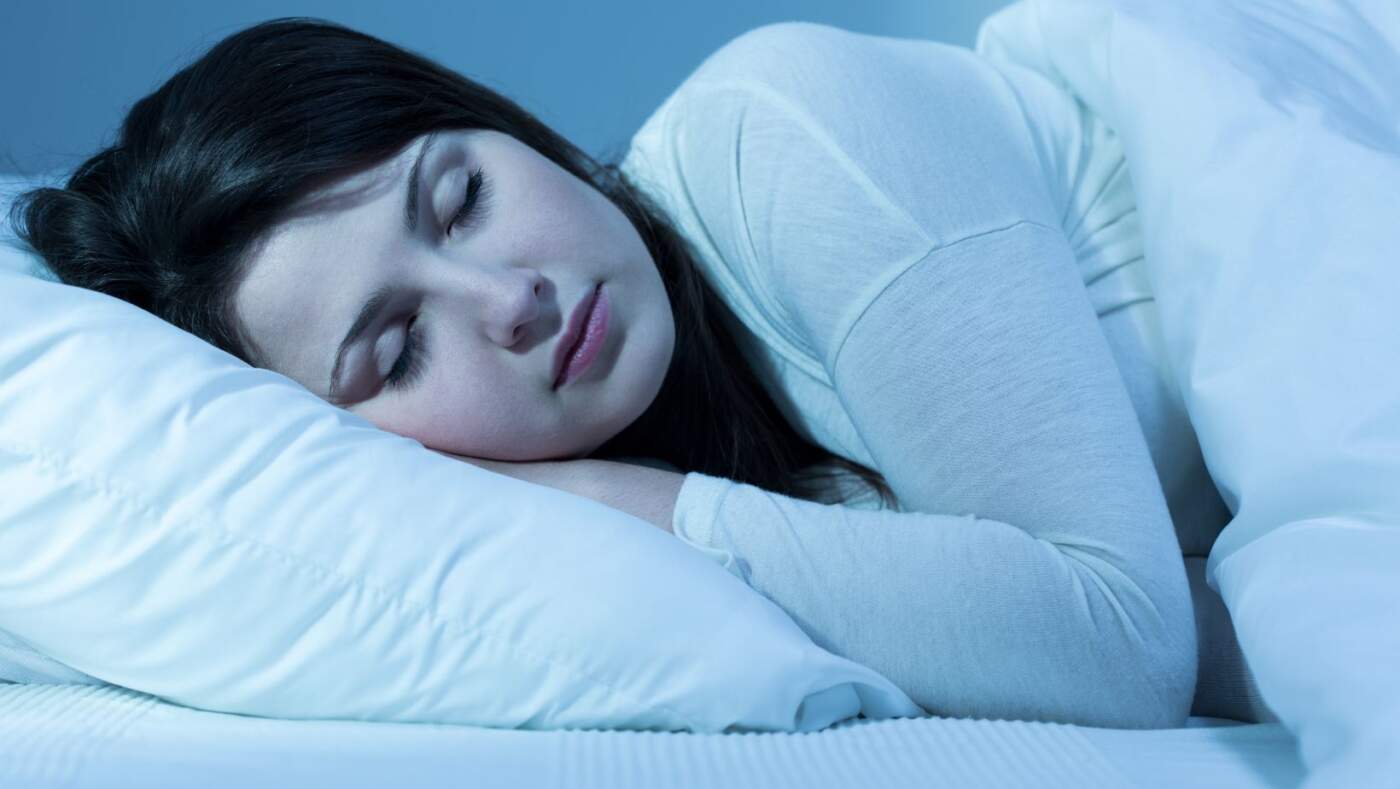

Adults take 10 to 20 minutes to fall asleep. Anything beyond 30 minutes regularly signals a sleep problem. Falling asleep fast comes down to understanding your brain needs a temperature drop, a melatonin signal, and a quiet nervous system.
Fix the circadian rhythm first with a consistent schedule and no screens after 9 PM. Layer in the breathing techniques and a cool room. The results are usually visible within a week.
If the problem runs deeper and lasts months, CBT-I remains the most effective non-drug treatment available. It has a 70 to 80% success rate, higher than any sleep medication currently on the market, and without the dependency risk.
What Actually Controls How Fast You Fall Asleep
Sleep Latency Explained
Sleep latency is the time between lying down and actually falling asleep. Studies from the American Academy of Sleep Medicine define normal sleep latency as 10 to 20 minutes. Under 5 minutes means your body is dangerously sleep-deprived. Over 30 minutes regularly means something is blocking sleep onset.
Role of Melatonin and Circadian Rhythm
Your brain’s suprachiasmatic nucleus (a tiny cluster of neurons in the hypothalamus) runs on a 24-hour internal clock. When darkness hits, it signals the pineal gland to release melatonin. Melatonin signals your brain that the environment is safe to sleep. Your core body temperature then drops, heart rate slows, and sleep begins. Disrupting this sequence, even slightly, delays sleep.
How Stress Hormones Delay Sleep
Cortisol and adrenaline are your fight-or-flight chemicals. When you are stressed, cortisol stays elevated past 10 PM, which it should not. High cortisol at night keeps the brain in an alert state. Your body will not initiate sleep while it thinks there is a threat nearby. This is why anxiety at bedtime is so physically damaging.
Why Screens Make Falling Asleep Harder
Screen time affecting sleep onset is one of the most studied and confirmed sleep disruptors. Blue light from phones and laptops suppresses melatonin production by up to 50%, according to Harvard Medical School research. The brain reads blue light as daytime. Using your phone at 10 PM essentially tells your circadian rhythm it is noon.
Proven Methods to Fall Asleep Quickly
The Military Sleep Method
Developed for U.S. Navy pilots who needed sleep in combat zones, this method works in roughly 2 minutes once practiced.
Relax your face muscles, including tongue and jaw. Drop your shoulders. Exhale slowly and loosen both arms. Relax your chest, thighs, and calves. Then hold a still mental image for 10 seconds.
If thoughts intrude, repeat the phrase “don’t think” for 10 seconds. If you practice this method consistently, you will report success within two weeks.
4-7-8 Breathing Technique
Dr. Andrew Weil at the University of Arizona developed this based on ancient pranayama breathing.
Inhale through the nose for 4 seconds. Hold for 7 seconds. Exhale through the mouth for 8 seconds. The extended exhale activates the parasympathetic nervous system, dropping your heart rate and blood pressure. This is one of the most effective breathing techniques to fall asleep fast, especially during periods of anxiety.
Progressive Muscle Relaxation
Start at your feet. Tense each muscle group for 5 seconds, then fully release. Move up through calves, thighs, abdomen, chest, and face. The release after tension creates a deeper physical relaxation than simply lying still. Clinical studies have shown this reduces sleep latency by an average of 7 to 9 minutes in people with mild insomnia.
Visualization and Cognitive Distraction
The brain cannot fall asleep while actively processing language or problem-solving. Switching to visual imagery occupies the cortex without stimulating it. Picturing a calm place (a lake, a quiet road, an empty field) works because it requires low-intensity brain activity. This is a calculated cognitive shift away from verbal thought.
Body Temperature Cooling Trick
Your core body temperature must drop by 1 to 2 degrees Fahrenheit for sleep to begin. A warm shower 1 hour before bed accelerates this. When you step out, blood rushes to the skin’s surface to cool down, and internal temperature drops faster than it would naturally. This is why a warm bath before bed works, and a cold shower actually does the opposite.
How to Fall Asleep in 5 Minutes
Calm the Nervous System
Your autonomic nervous system has two modes: sympathetic (alert) and parasympathetic (rest). Getting to sleep fast, right in 5 minutes, means flipping this switch. Slow exhales longer than your inhales activate the vagus nerve, shifting the body to parasympathetic mode. A 4-second inhale and a 6-second exhale cycle works well.
Slow Breathing Patterns
Breathing below 6 breaths per minute consistently triggers a relaxation response. Normal waking breath is 12 to 20 breaths per minute. Slowing it down manually reduces cortisol within minutes. This is respiratory physiology.
Reduce Mental Stimulation
Your brain needs 15 to 20 minutes after the last mental task to wind down. Checking emails at 11:45 PM and expecting sleep by midnight does not work. Stop cognitive tasks at least 20 minutes before bed.
Position Your Body for Relaxation
Lying on your back with arms slightly away from the body allows maximum muscle relaxation. Side sleeping is preferred by sleep specialists for reducing sleep apnea risk. Stomach sleeping increases neck tension and disrupts spinal alignment.
Why You Can’t Fall Asleep Even When Tired
Stress and Hyperarousal
This state is called psychophysiological insomnia. The body is physically tired, but the brain is stuck in high alert. It creates a feedback loop: you try to sleep, fail, then feel stressed about failing, which makes you even more alert. Cognitive Behavioral Therapy for Insomnia (CBT-I) is the only treatment that breaks this loop long-term.
Late Caffeine Consumption
Caffeine has a half-life of 5 to 7 hours. A coffee at 4 PM still has half its caffeine active at 9 PM. The FDA recommends stopping caffeine by early afternoon for anyone sensitive to sleep disruption. Some people metabolize caffeine more slowly due to CYP1A2 gene variants, making even morning coffee affect night sleep.
Blue Light Exposure at Night
As mentioned, screen time affecting sleep onset is a direct physiological problem. Blue light wavelengths between 460 and 480 nanometers are the most disruptive. Blue-light-blocking glasses reduce but do not eliminate the effect. The most effective fix is simply stopping screen use 90 minutes before bed.
Irregular Circadian Rhythm
Sleeping at different times on weekdays versus weekends creates what researchers at the University of Michigan call “social jet lag.” It throws off melatonin timing by hours, making it difficult to fall asleep at any consistent time. A regular sleep schedule, including weekends, resets this.
Night Habits That Help You Sleep Faster
Consistent Sleep Schedule
Going to bed and waking at the same time daily, even after poor sleep, is the single most effective long-term fix for slow sleep onset. It trains the circadian rhythm to begin melatonin release at a predictable time.
Limiting Screens Before Bed
This is part of a solid bedtime routine for better sleep. Set a hard stop for screens 60 to 90 minutes before your target sleep time. Reading a physical book, light stretching, or journaling fills this window effectively.
Pre-Sleep Relaxation Routine
Tips to help you fall asleep faster always include a consistent wind-down ritual. Dim lights 1 hour before bed. Do one of the breathing exercises above. Avoid emotionally stimulating conversations or content. The brain associates repeated behaviors with outcomes, and a nightly ritual tells your nervous system that sleep is next.
Light Evening Meals
Late-night eating affecting sleep is a real and documented issue. Eating large or high-fat meals within 2 to 3 hours of bed raises core body temperature and digestive activity. Your body stays metabolically active instead of cooling down for sleep. A small carbohydrate-protein snack is fine but a full meal is not.
Bedroom Environment That Promotes Sleep
Ideal Room Temperature
The National Sleep Foundation recommends 60 to 67 degrees Fahrenheit (15.5 to 19.5 Celsius) for optimal sleep. Even one degree above 68°F consistently disrupts deep sleep stages.
Darkness and Melatonin Production
Even small light sources (phone chargers, streetlight through curtains) suppress melatonin. Blackout curtains or a sleep mask are not optional extras if you live in a brightly lit environment.
Noise and Sleep Disruption
Sounds above 40 decibels during sleep are enough to shift the brain out of deep sleep, even without waking fully. White noise machines at 50 to 65 decibels mask irregular external sounds effectively.
Mattress and Pillow Comfort
A mattress that causes pressure points increases micro-arousals during the night, cutting total deep sleep. Medium-firm mattresses consistently outperform soft ones in sleep quality studies for adults without specific back conditions.
Foods and Drinks That May Improve Sleep
Magnesium-Rich Foods
Magnesium activates the GABA receptors in the brain, the same receptors targeted by sleep medications. Almonds, pumpkin seeds, and spinach are high in magnesium. Clinical trials show 500mg of magnesium daily reduces the time to fall asleep in adults with insomnia.
Tryptophan-Containing Foods
Turkey, eggs, and dairy contain tryptophan, which converts to serotonin and then to melatonin. The conversion works better with a small carbohydrate alongside it, which is why warm milk with a cracker actually has biochemical logic behind it.
Herbal Teas Linked to Relaxation
Valerian root increases GABA levels. Chamomile contains apigenin, which binds to GABA receptors. Passionflower has shown measurable results in clinical trials for reducing sleep onset time. These are not miracle fixes, but they produce genuine physiological effects.
Foods That May Disrupt Sleep
Alcohol, aged cheese, processed meats, and anything high in tyramine (such as soy sauce) spike norepinephrine and disrupt sleep architecture. Alcohol may help you fall asleep but significantly reduces REM sleep quality.
When Trouble Sleeping May Be Insomnia
Occasional poor sleep is normal. These signs point to clinical insomnia:
- Taking more than 30 minutes to fall asleep at least 3 nights per week
- Waking during the night and staying awake for 30+ minutes
- Waking too early and being unable to return to sleep
- Daytime fatigue, mood disruption, or difficulty concentrating as a result
- This pattern continuing for more than 3 months
When to Seek Medical Evaluation
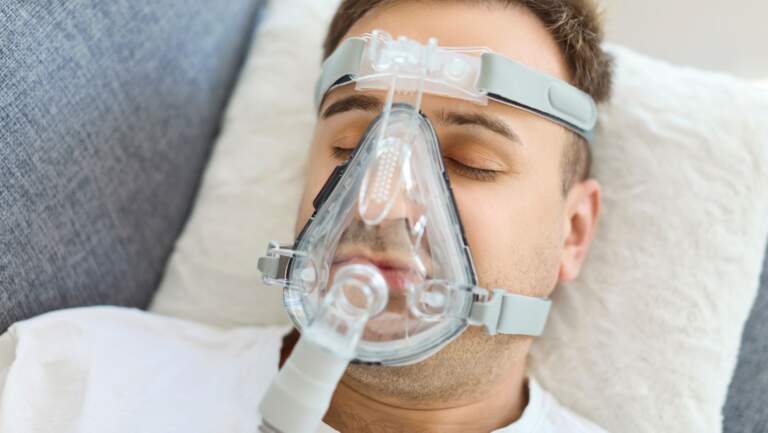
See a doctor if sleep problems have lasted more than 3 months, if daytime function is affected, or if you experience gasping or snoring at night (which indicates possible sleep apnea, a separate medical condition). CBT-I delivered by a trained therapist is the first-line treatment recommended by the American College of Physicians, above any sleep medication.
Frequently Asked Questions
How can I fall asleep instantly at night?
No method guarantees instant sleep. The military sleep method delivers results in under 2 minutes for most people after 2 weeks of practice. Combine it with the 4-7-8 breathing technique and a cooled room (below 67°F) for the fastest results.
What is the military sleep method?
It is a relaxation sequence developed for U.S. Navy pilots. Relax every muscle from face to feet in sequence, then hold a blank visual for 10 seconds. With consistent practice, it reduces sleep onset to under 2 minutes.
Can breathing techniques make you fall asleep faster?
Yes. The 4-7-8 method (inhale 4 seconds, hold 7, exhale 8) activates the parasympathetic nervous system and lowers cortisol within minutes. Research from the University of Arizona confirms it reduces sleep latency in adults with stress-related sleep problems.
Why can’t I fall asleep even when I’m tired?
Elevated cortisol keeps your brain in alert mode regardless of physical fatigue. The condition is called hyperarousal. High cortisol from stress, late caffeine, or blue light exposure after 9 PM are the three most common physical causes.
What foods help you fall asleep faster?
Almonds (magnesium), warm milk with crackers (tryptophan plus carbs), and chamomile tea (apigenin). These work through real biochemical pathways. They are not fast-acting but improve sleep consistently when used nightly.
How long should it take to fall asleep?
10 to 20 minutes is the healthy range. Under 5 minutes means severe sleep deprivation. Over 30 minutes regularly means your sleep onset is clinically delayed and needs addressing.
Does melatonin help you sleep quickly?
Melatonin supplements (0.5 to 1mg) work best for circadian-related issues like jet lag or irregular schedules. For stress-based insomnia, they have minimal effect. High doses (5 to 10mg) do not work better and often cause grogginess the next morning.
Is it bad if it takes an hour to fall asleep?
Yes. If it happens 3 or more nights per week for over 3 months, that meets the clinical definition of insomnia. One hour of lying awake nightly adds up to over 6 hours of lost sleep weekly.
What is the best position to fall asleep faster?
Back sleeping allows maximum muscle release and even spinal alignment. Side sleeping is recommended for people with snoring or acid reflux. Stomach sleeping increases neck strain and raises cortisol slightly due to restricted breathing.
When should I see a doctor for insomnia?
After 3 months of regular sleep difficulty affecting daytime function. Also see a doctor immediately if you snore heavily, stop breathing during sleep, or feel extreme fatigue despite 8 hours in bed, these signal sleep apnea, not insomnia.






Leave a Comment