

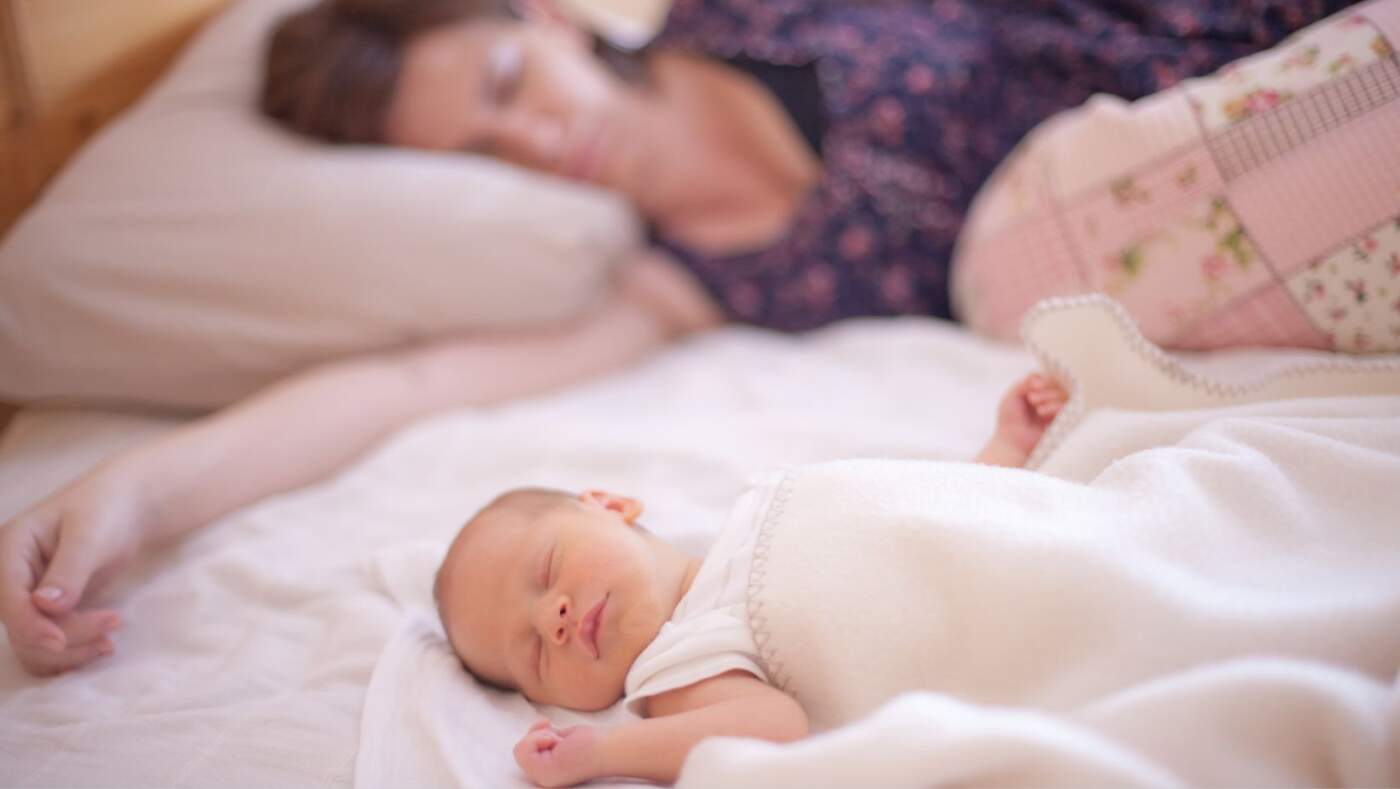

Sleep after a C-section safely means keeping pressure off the incision, supporting the lower back, and choosing positions that do not strain abdominal muscles. Side sleeping with pillow support is the most recommended position in the first 6 weeks.
Best Sleeping Position After C-Section Surgery
The best sleeping position after C-section surgery is left-side sleeping with a pillow placed firmly against the abdomen. This keeps the incision area supported, reduces swelling, and improves circulation to the uterus during postpartum healing. Back sleeping with a 30 to 45-degree incline is the second safest option for women who find side sleeping uncomfortable in the first week.
Side Sleeping With Pillow Support
Left-side sleeping is the top recommendation from OB-GYN specialists post-surgery. Place a firm pillow lengthwise against your belly. This stops your arm from rolling into the incision during sleep. A pillow between the knees keeps the hips aligned and reduces lower back strain simultaneously.
Semi-Reclined Sleeping Position
A semi-reclined position at 30 to 45 degrees reduces pressure on the transverse abdominis, the muscle cut during a C-section. This position also makes it easier to get in and out of bed without using core strength. Adjustable beds or a wedge pillow placed under the upper back achieves this angle.
Elevated Back Sleeping Position
Flat back sleeping increases pull on the incision site. Elevating from the shoulders upward, not just the head, shifts weight distribution away from the lower abdomen. A 6 to 8-inch wedge under the upper torso achieves this. Propping only the head with regular pillows does not replicate this effect and strains the neck instead.
Positions Doctors Usually Recommend
Most post-surgical recovery guidelines from institutions like the American College of Obstetricians and Gynecologists recommend: left-side sleeping in weeks 1 to 3, transitioning to either side with support in weeks 3 to 6, and resuming personal preferred positions after 6-week clearance from a doctor.
Pressure on Incision During Sleep
Pressure on incision during sleep is the primary cause of nighttime pain after a C-section. The incision sits just above the pubic bone, roughly 10 to 15 cm long, and involves cuts through skin, fat, and uterine wall. Any direct compression, twisting, or stretching of this area during sleep reopens healing tissue and increases inflammation.
Why Incision Pressure Causes Pain
The incision heals in layers from the inside out. Internal stitches dissolve over 4 to 6 weeks. External skin closes within 2 weeks. During this time, the healing tissue has low tensile strength. Direct pressure activates pain nerve fibers in the dermis and subcutaneous tissue, causing sharp, localized pain.
Protecting the Surgical Area While Sleeping
- Place a folded towel or small flat pillow directly over the incision before sleep. This creates a buffer zone.
- Avoid waistbands, pajama bottoms with tight elastic, or anything that sits at incision level.
- Sleep surfaces should be firm enough to prevent sinking, which causes the abdomen to stretch forward.
Sleeping Movements That Strain Stitches
Rolling directly from back to side without using arms strains the incision. Sitting up using abdominal muscles tears at internal healing layers. Coughing or sneezing while flat causes sudden abdominal contraction. Always splint the incision (hold a pillow firmly against it) during any sudden movement.
Signs Your Incision Needs Medical Attention
- Redness spreading more than 1 cm from the wound edges
- Warmth or hardness under the incision line
- Yellow or green discharge from the wound
- Incision edges separating or opening
- Fever above 38°C (100.4°F) alongside wound pain
Pillow Support for Sleeping After C-Section
Pillow support for sleeping after a C-section is the most practical and immediate tool for managing nighttime pain. The right pillow placement reduces incision pressure, supports the spine, and prevents accidental rolling onto the wound. Most women need 3 to 4 pillows specifically arranged, not just one under the head.
Using Abdominal Support Pillows
A C-shaped or wedge pillow pressed against the abdomen during side sleep holds the internal organs in position and stops the belly from pulling forward. The Boppy C-shaped pillow, originally designed for nursing, works well for this. It wraps around the midsection and keeps pressure consistent throughout the night.
Placing Pillows Under Knees and Hips
A pillow under the knees while back sleeping reduces lumbar curve and takes tension off the lower abdominal incision. Without it, the lower spine arches, which pulls the pelvic region and puts indirect strain on the wound. Keep the knee pillow thick enough that knees sit at a 15 to 20-degree angle.
Nursing Pillows for Incision Protection
Breastfeeding after a C-section puts direct weight on the incision if the baby rests on the lap without support. A nursing pillow like My Brest Friend or Boppy raises the baby to breast level. This removes abdominal contact entirely and lets women feed without sitting in a position that strains the wound.
Creating a Comfortable Sleep Setup
Build the sleep setup before discharge from hospital. Needed items: one firm body pillow, one wedge or 2 stacked bed pillows, one small flat pillow for direct incision cover, and one pillow between knees. Set everything up before lying down. Getting up to adjust pillows mid-night increases incision strain.
Difficulty Turning in Bed After C-Section
Difficulty turning in bed after C-section is normal for the first 2 to 4 weeks. The transverse abdominis and rectus abdominis muscles are both cut or displaced during surgery. These muscles control all rotational movement of the trunk. Until they heal, turning in bed requires a specific technique to avoid tearing internal stitches.
Why Movement Is Painful After Surgery
The uterine incision and abdominal wall incision both involve muscle layers. Muscle tissue takes 6 to 8 weeks to regain baseline strength after surgical cutting. During healing, any rotational movement that activates these muscles produces sharp pain at the incision site and sometimes deeper internal cramping.
Step-by-Step Technique to Turn Safely
- Bend both knees while lying on your back
- Cross the top arm across the chest
- Lower both knees together to one side first
- Push up onto the elbow of the side you are rolling toward
- Use the elbow and the heels to shift the body as one unit
- Never lead with the torso or use stomach muscles to pull yourself up
Using Arms and Legs to Reduce Abdominal Strain
Arms and legs do almost all the work during safe post-C-section bed movement. The log roll technique, where the whole body moves as a single unit, keeps the abdominal wall from twisting independently. Holding a pillow firmly against the incision during any roll adds extra protection.
When Mobility Gradually Improves
Most women notice easier bed movement by week 2 to 3 as surface incision pain reduces. Deeper muscle strength returns between weeks 4 and 6. By the 6-week post-op appointment, most doctors clear patients for increasing mobility. Full abdominal strength returns between 3 and 6 months post-surgery.
Back Pain From Sleeping After C-Section
Back pain from sleeping after C-section affects a large percentage of postpartum women, partly from surgery and partly from the months of pregnancy that preceded it. The lower back compensates for weakened abdominal muscles by overworking. This produces muscle fatigue and pain that worsens with poor sleep posture.
Causes of Back Pain During Recovery
- Epidural or spinal anesthesia injection site soreness, which lasts 1 to 2 weeks
- Loss of core support from cut abdominal muscles shifting load to the lumbar spine
- Postural changes from breastfeeding, where women hunch forward for extended periods
- Relaxin hormone (still present postpartum) keeps ligaments loose, reducing spinal stability
Mattress and Posture Adjustments
A mattress that sags in the middle causes the lower spine to curve, which strains the lumbar area overnight. If a new mattress is not possible, a firm mattress topper reduces sinkage. Sleeping with a pillow under the knees (back sleeping) or between the knees (side sleeping) keeps the spine in a neutral position.
Gentle Stretching to Relieve Discomfort
After 2 weeks, with a doctor’s approval, pelvic tilts (lying flat, gently pressing the lower back into the mattress) reduce lumbar tension. Cat-cow stretches on hands and knees help after week 4. No stretches that flex the abdominal muscles should be done before 6-week clearance.
When Back Pain May Need Medical Advice
Back pain after a C-section that radiates down one leg, causes numbness in the feet, or worsens despite position changes needs evaluation. These symptoms suggest nerve involvement from the epidural site or a spinal issue unrelated to the incision itself.
Why Sleep Is Difficult After C-Section
Surgical Pain and Muscle Weakness
Pain peaks at 48 to 72 hours post-surgery and reduces gradually over 2 weeks. Prescription pain relief typically covers this period. After medication stops, residual soreness and muscle fatigue from basic position changes disrupts sleep onset and causes frequent waking.
Hormonal Changes After Childbirth
Estrogen and progesterone drop sharply after delivery. This drop disrupts sleep architecture, reducing deep sleep and increasing waking frequency. Prolactin (the breastfeeding hormone) also produces a mild sedative effect in some women but causes night sweats in others, which interrupts sleep.
Newborn Care Interrupting Sleep
Newborns feed every 2 to 3 hours. This means maximum uninterrupted sleep is roughly 90 minutes to 2 hours in the early weeks. For C-section mothers, sitting up multiple times per night for feeding adds physical strain to an already disrupted sleep pattern.
Emotional Stress and Fatigue
Postpartum anxiety affects 15 to 20% of new mothers. Elevated cortisol from surgical stress compounds this. Anxiety-related hyperarousal prevents deep sleep even during available rest windows.
Nighttime Recovery Tips After C-Section
Understanding how to sleep after C-section improves faster with specific, practical recovery habits:
- Take prescribed pain medication 30 minutes before planned sleep, not after pain peaks
- Keep everything needed (water, phone, baby essentials) within arm’s reach to avoid getting up
- Ask a partner or support person to handle nighttime baby handoffs so the mother only sits up for feeding
- Wear loose, high-waisted soft-fabric underwear that sits above the incision line, not on it
- Apply a reusable heat pack to the lower back before sleep, not directly on the incision
- Use a hospital-grade abdominal binder during the day to support the core and reduce nighttime pain
- Avoid screens 45 minutes before sleep; cortisol from stimulation worsens postpartum insomnia
- Sleep when the baby sleeps, particularly in the first 3 weeks when nighttime sleep is most fragmented
Positions to Avoid After C-Section
Certain positions directly damage healing tissue or increase pain.
Sleeping on the Stomach
Stomach sleeping puts full body weight directly on the incision. It also forces the lumbar spine into hyperextension. Avoid completely for a minimum of 6 weeks. Most surgeons recommend waiting for explicit clearance before returning to stomach sleeping.
Flat Back Sleeping Without Elevation
Lying completely flat without elevation stretches the incision horizontally. The abdominal wall is under passive tension in a flat position. This increases pain during any attempt to sit up and raises the chance of straining internal stitches during nighttime movement.
Sudden Twisting Movements
Rolling with the torso ahead of the hips creates rotational shear across the incision. This is the movement most associated with internal stitch strain in the first 3 weeks. Always keep the body as a single unit during position changes.
Unsupported Side Sleeping
Side sleeping without a pillow against the abdomen lets the belly drop forward under its own weight. This stretches the incision away from the midline and produces a dull pulling pain. Side sleeping is safe only with firm abdominal support.
When Sleep Pain Signals a Problem
Most pain during post-C-section sleep is expected and manageable. These signs indicate something more serious:
- Sudden sharp pain that feels different from usual incision soreness, especially if it wakes you from sleep
- Pain accompanied by fever above 38°C (100.4°F)
- Swelling or hardness under the incision that was not there the previous day
- Leg pain or calf swelling on one side (possible deep vein thrombosis from post-surgical immobility)
- Heavy vaginal bleeding that increases after lying down
- Difficulty breathing while lying flat
- Chest pain or rapid heart rate during nighttime rest
Any of these symptoms need same-day medical evaluation, not a wait-and-see approach.
Frequently Asked Questions
What is the best sleeping position after a C-section?
Left-side sleeping with a firm pillow pressed against the abdomen. This keeps incision pressure minimal and improves circulation. A pillow between the knees keeps the spine aligned. For women who cannot tolerate side sleeping in week 1, a 30 to 45-degree semi-reclined back position is the safest alternative.
Is it safe to sleep on your side after a C-section?
Yes. Side sleeping is safe and recommended from day 1 post-surgery, provided abdominal pillow support is used. Without a pillow against the belly, side sleeping lets the abdomen pull forward under gravity, straining the incision. Supported side sleeping reduces incision tension better than flat back sleeping.
How long does sleeping discomfort last after surgery?
Sharp incision pain peaks at 48 to 72 hours and reduces significantly by week 2. Residual soreness during position changes lasts 3 to 4 weeks. Full comfort in all sleeping positions, including stomach sleeping, returns around weeks 6 to 8 after surgical clearance from a doctor.
Can sleeping wrong damage the C-section incision?
Yes. Stomach sleeping or flat back sleeping without elevation increases mechanical tension on the incision site. Sudden twisting during sleep can strain internal dissolvable stitches. This does not always produce visible damage but creates deeper tissue pain and slows internal healing.
Why is it hard to turn in bed after a C-section?
The transverse abdominis muscle controls trunk rotation and gets cut during surgery. Without it, any turning movement relies on already-weakened surrounding muscles. Difficulty turning in bed after c section is directly caused by this muscle loss, not just pain sensitivity. It typically improves by weeks 3 to 4.
How can pillows help reduce pain while sleeping?
Pillow support for sleeping after C-section distributes pressure away from the incision. A pillow against the abdomen prevents belly drop during side sleeping. A pillow under the knees reduces lumbar tension in back sleeping. Between the knees during side sleeping prevents hip rotation that strains the abdominal wall.
When can I sleep normally after a C-section?
Most women resume comfortable sleep in their preferred position between weeks 6 and 8, after the 6-week post-op check confirms incision healing. Stomach sleeping specifically requires explicit clearance. Full, pain-free sleep in all positions typically returns by 3 months post-surgery.
Does breastfeeding position affect sleep pain?
Yes. Breastfeeding with the baby resting directly on the lap puts pressure on the incision. The football hold (baby tucked under the arm, body to the side) and side-lying nursing position both keep weight off the incision entirely. Side-lying nursing also lets the mother rest while feeding.
How do I protect my incision while sleeping?
Knowing how to sleep after c section safely means placing a small flat pillow directly over the incision before sleep, wearing loose high-waisted underwear that sits above the wound, and using the log roll technique for all position changes. Splinting (holding a pillow firmly against the incision) during coughing or sneezing at night prevents sudden pressure surges.
When should I see a doctor about sleep pain after surgery?
See a doctor the same day if sleep pain is accompanied by fever above 38°C, if pain intensity suddenly increases after days of improvement, if leg swelling appears on one side, or if the incision develops redness, discharge, or separation. Worsening pain after day 5 post-surgery always warrants evaluation.





Leave a Comment