



Knowing how to sleep with a stuffy nose starts with understanding why congestion gets worse the moment you lie down. Elevate your head, add humidity, rinse with saline before bed, and address the root cause, whether it is allergies, dry air, or an infection. Most cases respond within 2 to 3 nights of consistent changes.
If congestion persists beyond 10 days or disrupts sleep consistently despite these measures, an ENT evaluation identifies structural causes that no spray or position adjustment can fix.
Nighttime Relief for Nasal Congestion
Nighttime relief for nasal congestion requires addressing the specific reason it worsens at night: fluid redistribution. During the day, gravity keeps fluid moving downward and away from the face. At night, that fluid moves toward the head. Nasal blood vessels dilate further in response to horizontal positioning, swelling the turbinates (the bony ridges inside your nose) and narrowing the airway.
Fluid Buildup in Nasal Passages at Night
Mucus production does not stop during sleep. The cilia (tiny hair-like structures) in the nose slow their movement at night, meaning mucus clears less efficiently. This allows fluid to pool in the sinus cavities rather than drain, increasing pressure and blockage.
Sinus Pressure During Sleep
The maxillary sinuses, located under the cheekbones, drain downward when upright. When you lie flat, drainage reverses. Fluid backs up into the sinus cavity, creating the pressure and pain that wakes many people up at 2 or 3 AM.
Why Breathing Becomes Harder at Night
Nasal airway resistance increases by 30 to 40% in horizontal positions compared to sitting upright, based on research from the European Respiratory Journal. For a congested person, this resistance is already elevated. The combined effect reduces nasal airflow enough to force a full switch to mouth breathing within the first 20 to 30 minutes of lying down.
Best Sleeping Position for Blocked Nose
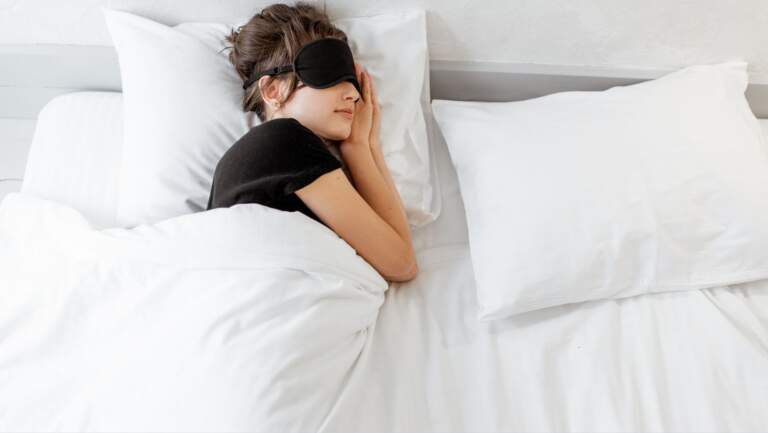
The best sleeping position for blocked nose is on your side with your head elevated at 30 to 45 degrees. This single adjustment reduces nasal blood vessel engorgement and allows some gravity-assisted sinus drainage.
Sleeping With the Head Elevated
Raising the head of your bed by 4 to 6 inches, or stacking two pillows, reduces nasal congestion measurably. A 2014 study in the Journal of Clinical Sleep Medicine confirmed that head elevation above 30 degrees reduced nasal resistance and improved oxygen saturation in congested sleepers. A wedge pillow at 30 to 45 degrees is more stable than stacking standard pillows, which compress during the night.
Side Sleeping for Sinus Drainage
Sleeping on your side allows the upper nostril to open while the lower one stays partially blocked. This means at least one clear passage for most of the night. Switching sides when one nostril blocks during the night is more effective than lying on your back, where both nostrils receive equal blood pressure and both swell equally.
Why Stomach Sleeping May Worsen Congestion
Stomach sleeping forces the head to turn sharply to one side, compressing facial blood vessels and increasing pressure in the lower cheek’s sinus cavity. It also increases pressure on the chest, restricting how deeply you breathe. For sleeping with a stuffy nose, stomach sleeping is the worst position.
Mouth Breathing at Night Due to Congestion
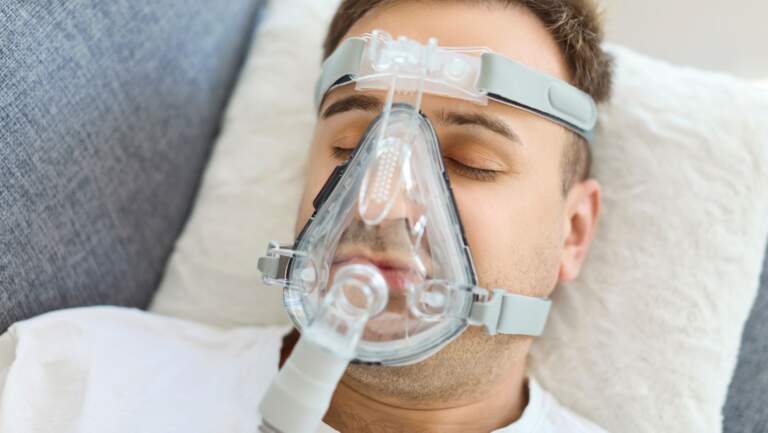
Mouth breathing at night due to congestion is the body’s default backup when the nose blocks completely. It keeps oxygen flowing, but creates its own problems that compound poor sleep quality.
Why Blocked Sinuses Cause Mouth Breathing
The nose is the primary airway. When nasal resistance exceeds a threshold (roughly double the resting resistance), the body automatically opens the mouth. This happens reflexively during sleep, often without the person waking.
Dry Throat and Poor Sleep Quality
Mouth breathing bypasses the nose’s humidification system. The nose warms and moistens air before it reaches the lungs. Mouth-breathed air hits the throat and airway dry and cold. This dries the mucous membranes of the throat, causing the sore, scratchy feeling most people notice in the morning after a congested night.
Snoring and Airway Resistance
Mouth breathing during sleep increases the chance of snoring by 3 to 4 times compared to nasal breathing. The soft palate vibrates more with mouth-open airflow, and tongue position shifts in a way that narrows the back of the throat.
For people with mild sleep apnea, congestion-driven mouth breathing often triggers apnea episodes that would not occur if the nose were clear.
Dry Air Causing Stuffy Nose at Night
Dry air causing stuffy nose at night is one of the most commonly overlooked triggers, especially in winter when indoor heating drops humidity below 20%.
Low Humidity and Nasal Irritation
The nasal mucosa requires ambient humidity of 40 to 60% to stay moist and functional. Below 30%, the mucous lining dries out, becomes irritated, and triggers the same inflammatory response as an allergen or infection. This mimics congestion without any pathogen present.
Dry Indoor Air During Winter
Central heating systems reduce indoor humidity to 10 to 20% in many homes during winter. The American Academy of Otolaryngology acknowledges dry air as a direct cause of nasal dryness, nosebleeds, and congestion. People often mistake this dry-air congestion for a cold.
Benefits of Humidifiers for Congestion
A cool-mist or ultrasonic humidifier in the bedroom raises humidity to 40 to 50% overnight. This keeps nasal tissue moist, reduces swelling in the nasal passages, and thins mucus so it drains more effectively. The relief is usually noticeable within one to two nights of consistent use.
Ideal Bedroom Humidity Levels
The target range is 40 to 50% relative humidity. Below 30% worsens nasal dryness. Above 60% creates conditions for dust mite growth and mold, both of which are major allergen sources. A basic hygrometer (under $15) measures bedroom humidity accurately.
Allergies Causing Nighttime Nasal Congestion
Allergies causing nighttime nasal congestion are driven by allergen exposure that increases specifically during sleep hours.
- Dust mites live in mattresses, pillows, and bedding. Their peak activity coincides with warm, humid bedding during sleep.
- Pet dander settles on bedding throughout the day; sleeping on allergen-covered surfaces triggers a sustained histamine response overnight.
- Pollen counts spike in early morning hours (5 AM to 10 AM), entering bedrooms through open windows.
- Mold spores release more heavily at night in humid rooms.
- The immune system’s circadian rhythm peaks its inflammatory response between midnight and 4 AM, amplifying existing allergic reactions.
Allergen-proof mattress covers, weekly hot washing of bedding (above 130°F), and keeping pets out of the bedroom reduce allergen load significantly. A HEPA air purifier running during sleep removes airborne particles that trigger nasal inflammation.
Simple Ways to Open Nasal Passages
Understanding how to sleep with a stuffy nose without medication starts with these physical methods.
Steam Inhalation Before Bedtime
Inhaling steam for 10 minutes before bed loosens thick mucus and reduces nasal tissue swelling temporarily. Boil water, transfer it to a bowl, drape a towel over your head, and breathe through the nose for 8 to 10 minutes. The effect lasts 30 to 60 minutes; use it immediately before sleep.
Saline Nasal Rinse Techniques
A neti pot or saline squeeze bottle flushes allergens, irritants, and excess mucus from the nasal passages. The Cochrane Collaboration reviewed 10 trials in 2015 and confirmed saline rinsing improves nasal symptoms and sleep quality in both allergic and viral congestion. Use isotonic saline (0.9% sodium chloride) with sterile or distilled water.
Warm Compress for Sinus Pressure
A warm, damp washcloth applied over the nose and cheeks for 5 to 10 minutes relieves sinus pressure by increasing local circulation and relaxing the inflamed nasal tissue. This works best for sinus pressure pain rather than full nasal blockage.
Hydration and Mucus Thinning
Dehydration thickens mucus, making it harder to drain. Drinking 8 ounces of warm water or herbal tea before bed thins mucus enough to improve drainage overnight. Warm liquids work faster than cold ones because they increase local blood flow and aid ciliary movement.
Medications That Help Night Congestion
Nighttime relief for nasal congestion through medication depends on the cause.
Antihistamines for Allergy Symptoms
First-generation antihistamines like diphenhydramine (Benadryl) cause drowsiness and reduce allergy-driven congestion simultaneously, making them useful specifically at night. Second-generation antihistamines like cetirizine (Zyrtec) and loratadine (Claritin) are non-drowsy and work for 24-hour allergy control.
Decongestant Nasal Sprays
Oxymetazoline-based sprays (Afrin) shrink swollen nasal blood vessels within 5 minutes. They are fast and effective but carry a strict 3-day maximum use limit. Using them beyond 3 days causes rebound congestion (rhinitis medicamentosa), where the nose becomes more blocked than before.
Corticosteroid Nasal Sprays
Fluticasone (Flonase) and mometasone (Nasonex) reduce nasal inflammation at the cellular level. They take 3 to 7 days to reach full effectiveness but are safe for daily long-term use. The American Academy of Allergy, Asthma and Immunology recommends these as first-line treatment for chronic allergic nasal congestion.
When Medications May Be Helpful
Oral decongestants like pseudoephedrine reduce nasal swelling systemically but raise blood pressure and heart rate. They are not suitable for people with hypertension, heart conditions, or anxiety disorders. Check with a pharmacist before combining decongestants with other medications.
Bedroom Changes That Improve Breathing
Small changes to the sleep environment directly affect how well you can breathe at night.
- Use allergen-proof pillow and mattress covers to reduce dust mite exposure by up to 90%
- Wash all bedding weekly in hot water (above 130°F)
- Keep bedroom humidity between 40 and 50% using a humidifier
- Run a HEPA air purifier for 2 hours before sleep and keep it running overnight
- Keep pets off the bed and out of the bedroom, especially if allergies are a factor
- Close windows during high pollen periods (early morning, spring and fall)
- Vacuum the bedroom floor weekly using a vacuum with a HEPA filter
When a Stuffy Nose Signals Sinus Problems
Most nasal congestion from colds clears within 7 to 10 days. These signs indicate a more serious issue.
- Congestion lasting beyond 10 days without improvement
- Thick yellow or green mucus with facial pain, suggesting bacterial sinusitis
- One-sided nasal blockage that does not alternate (unlike normal nasal cycling)
- Nasal polyps, which are soft tissue growths that block airflow and require specialist treatment
- Congestion accompanied by loss of smell lasting more than two weeks
- Persistent nighttime congestion that disrupts sleep for more than 4 weeks consecutively
Chronic nasal congestion that resists standard treatments warrants evaluation by an ENT (ear, nose, and throat) specialist. Structural issues like a deviated septum often cause persistent one-sided blockage that no medication addresses.
Frequently Asked Questions
What is the best position to sleep with a blocked nose?
Sleep on your side with your head elevated at 30 to 45 degrees using a wedge pillow. This position reduces nasal blood vessel engorgement and allows gravity-assisted drainage from the upper nostril. Avoid lying flat on your back; it increases nasal resistance by 30 to 40% compared to an elevated position.
Why does nasal congestion get worse at night?
Lying flat redistributes blood toward the head, causing nasal blood vessels to engorge and swell the turbinates (bony ridges inside your nose). Mucus drainage also slows because the cilia inside your nasal passages move less actively during sleep, allowing fluid to pool in the sinus cavities.
Can a humidifier help a stuffy nose while sleeping?
Yes. A cool-mist humidifier set to maintain 40 to 50% room humidity keeps nasal tissue moist, reduces inflammatory swelling, and thins mucus for better drainage. Most people notice improvement within 1 to 2 nights. Keep it cleaned weekly to prevent mold and bacterial growth inside the tank.
Is it bad to breathe through your mouth all night?
Yes. Mouth breathing bypasses the nose’s ability to warm and humidify air, drying the throat and airway. It increases snoring risk by 3 to 4 times and can trigger apnea episodes in people with mild sleep apnea. Prolonged mouth breathing also worsens morning congestion by drying the nasal mucosa further.
How can I clear my nose quickly before bed?
The fastest method is 10 minutes of steam inhalation directly before sleep, followed by a saline nasal rinse. Together, they loosen thick mucus and flush the nasal passage. If those do not clear it, oxymetazoline spray (Afrin) opens the airway within 5 minutes. Use Afrin for no more than 3 consecutive days.
Do antihistamines help nighttime congestion?
Yes, when the cause is allergies. Diphenhydramine (Benadryl) reduces histamine-driven nasal swelling and causes drowsiness, which helps at night. For viral congestion (cold), antihistamines have minimal effect because the blockage comes from inflammation, not histamine release. Use a decongestant instead for cold-related congestion.
Can allergies cause nasal congestion at night?
Yes. Dust mites in bedding, pet dander on pillows, and mold spores in humid bedrooms all trigger nighttime allergic reactions. The immune system’s inflammatory response also peaks between midnight and 4 AM, amplifying existing allergic nasal swelling. Allergen-proof covers and HEPA air purifiers reduce this significantly.
Why does dry air make my nose stuffy?
Dry air below 30% humidity dries the nasal mucosa. The body responds by increasing blood flow to the nasal tissue to compensate, which causes the same swelling as an allergy or infection. Indoor heating during winter drops humidity to 10 to 20% in many homes, making dry-air congestion very common between November and March.
How long does nighttime nasal congestion last?
Viral cold congestion clears in 7 to 10 days. Allergy-driven congestion lasts as long as the exposure continues. Dry-air congestion resolves within 1 to 2 nights of adding a humidifier. If congestion persists beyond 10 days with facial pain or thick colored mucus, it likely signals bacterial sinusitis requiring medical treatment.
When should I see a doctor for a blocked nose?
See a doctor if congestion lasts more than 10 days, if you have facial pain with thick green or yellow mucus (bacterial sinusitis), if you lose your sense of smell for more than 2 weeks, or if one nostril stays permanently blocked without alternating. Persistent blockage on one side may indicate a polyp or deviated septum.










Leave a Comment