

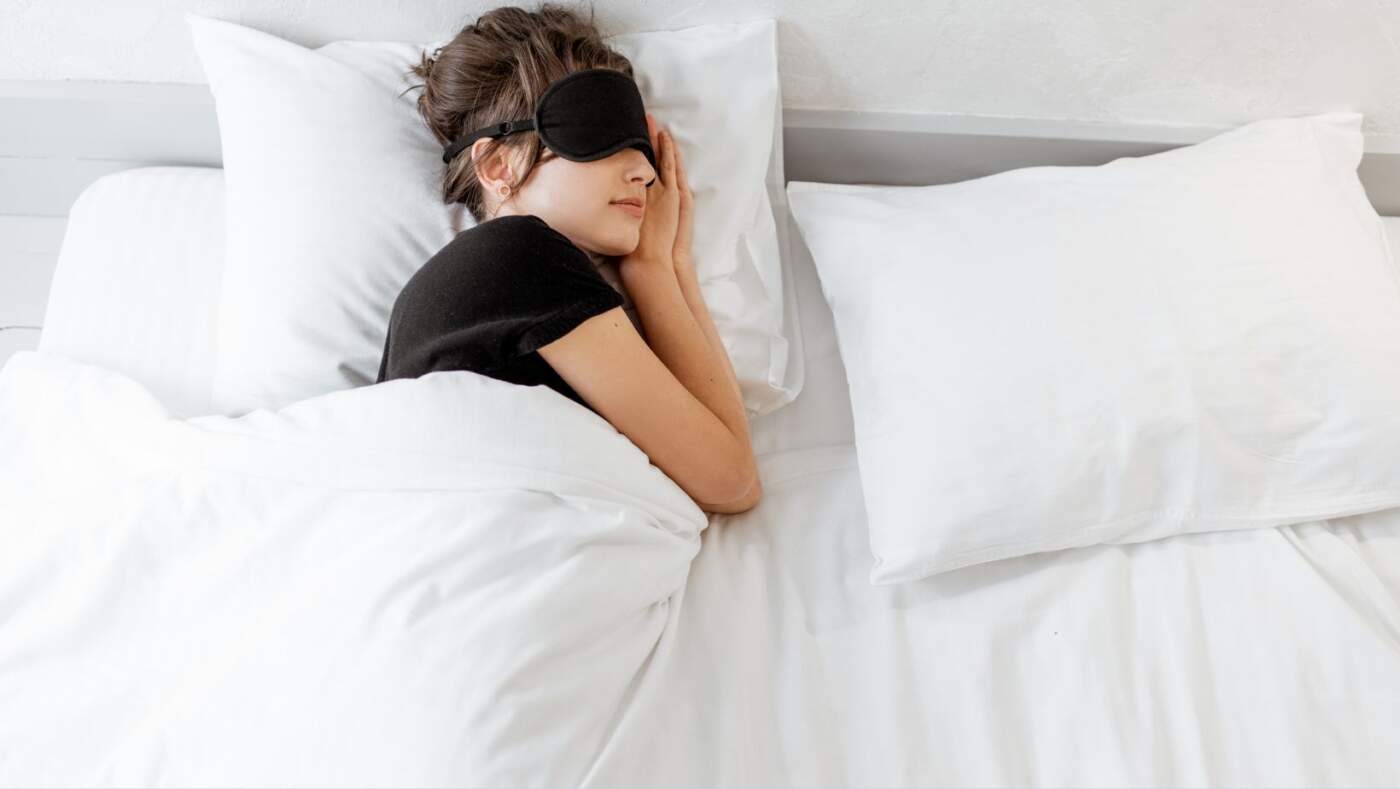

Sleeping on left side is not bad for heart for most healthy adults. Left-side sleeping does not damage the heart or increase cardiac risk. For people with heart failure, right-side sleeping is more comfortable and clinically preferred.
What it does do is shift the heart’s position slightly within the chest cavity, which some people feel as a stronger or faster heartbeat. That sensation is perception, not a medical problem.
The confusion comes from the fact that the heart sits slightly left of center in the chest. Lying on the left side brings the chest wall closer to the heart, making its normal beats feel more noticeable.
Gravity Effect on Heart While Lying Down
The gravity effect on heart while lying down changes how blood moves through the body. When upright, gravity assists blood returning from the legs to the heart. When horizontal, that assist disappears and the heart must work with a more even pressure distribution across all chambers.
Heart Position Inside the Chest Cavity
The heart sits in the mediastinum, slightly left of the chest’s midline. The left ventricle, the heart’s most muscular pumping chamber, faces the left chest wall directly. This anatomy is why left-side sleeping brings the heart physically closer to the chest surface.
Circulation Changes When Lying Sideways
On the left side, the heart shifts slightly in the pericardial sac (the fluid-filled sac surrounding it) due to gravity. This creates a minor change in how the heart sits. For healthy hearts, this causes no functional change. For people with existing heart disease, particularly enlarged hearts or pericardial effusion (fluid around the heart), this shift sometimes causes discomfort.
Venous Return and Cardiac Pressure
The inferior vena cava (the large vein carrying blood from the lower body to the heart) runs along the right side of the spine. Left-side sleeping does not compress it. Right-side sleeping minimally compresses it, though the clinical effect in healthy adults is negligible.
Heart Palpitations Lying on Left Side
Heart palpitations lying on left side are common and overwhelmingly benign. Millions of people report noticing their heartbeat more intensely when lying on their left side. The heart is not beating abnormally. The chest wall is simply closer to it.
Why Some People Feel Their Heartbeat More
The left chest wall acts as a natural amplifier when the heart rests against it. The same heartbeat that goes unnoticed when upright becomes obvious when the left side of the ribcage presses toward the cardiac surface. This is called somatic awareness, heightened physical sensitivity to normal body functions.
When Palpitations May Signal a Condition
Most left-side palpitations are benign. See a doctor if palpitations come with dizziness, shortness of breath, chest pain, or a feeling that the heart is skipping beats or racing above 100 beats per minute at rest. These combinations suggest arrhythmia rather than positional awareness.
Acid Reflux When Sleeping on Left Side
Acid reflux when sleeping on left side is one of the most well-documented and consistent benefits of this position, and it directly contradicts the idea that left-side sleeping is harmful.
- The stomach sits to the left of the esophagus (food pipe). Left-side sleeping keeps the stomach below the esophageal opening by gravity.
- On the right side, stomach contents move toward the esophageal valve, increasing reflux risk.
- A 2010 study in The Journal of Clinical Gastroenterology found that right-side sleepers experienced significantly longer acid exposure in the esophagus per night compared to left-side sleepers.
- Left-side sleeping reduces reflux episodes and acid clearance time, making it the clinically recommended position for GERD (gastroesophageal reflux disease) patients.
- The acid reflux when sleeping on left side benefit is significant enough that gastroenterologists routinely recommend it as a first-line behavioral intervention.
Best Sleeping Position for Heart Health
The best sleeping position for heart health depends on whether the heart is healthy or already compromised. For healthy adults, position has minimal cardiac impact. For people with heart failure or certain arrhythmias, position matters more.
Sleeping on the Right Side vs Left Side
Right-side sleeping has a slight edge for people with heart failure. A study published in the Journal of the American College of Cardiology found that heart failure patients reported less discomfort sleeping on the right side.
The theory is that right-side sleeping reduces the mechanical load on the left ventricle by shifting pressure distribution. For healthy hearts, neither side causes damage.
Back Sleeping and Cardiovascular Pressure
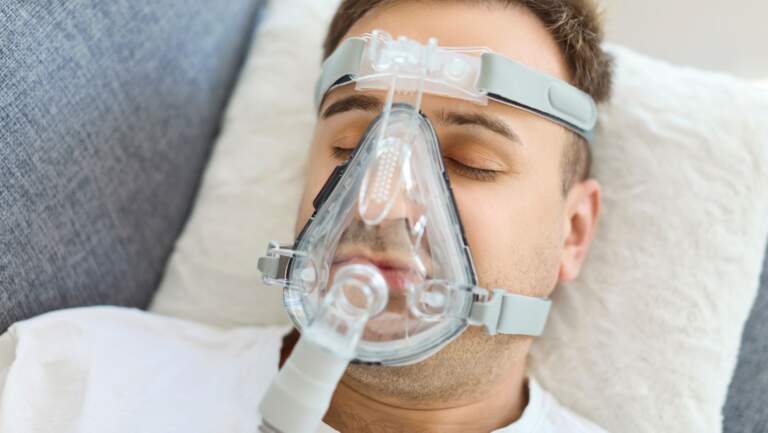
Back sleeping distributes body weight evenly and places no direct pressure on the heart. However, back sleeping increases the risk of sleep apnea, where breathing repeatedly stops during the night. Each apnea episode spikes blood pressure and heart rate. For people with sleep apnea or obesity, back sleeping indirectly creates significant cardiovascular stress.
Elevated Sleeping Positions for Circulation
Sleeping with the upper body elevated at 30 to 45 degrees reduces venous pooling in the lower body and improves return circulation to the heart. This position is used in hospital settings for heart failure patients to reduce fluid accumulation in the lungs. A wedge pillow achieves this at home.
Positions Recommended for Heart Patients
Cardiologists generally advise heart failure patients to sleep on their right side or with the upper body elevated. They advise against flat back sleeping because of fluid redistribution toward the lungs. Left-side sleeping is not categorically prohibited but may cause more perceived discomfort in this group.
Why Sleep Position Affects Circulation
Sleep position changes blood pressure, venous return, and the mechanical load on the heart’s chambers. These are real physiological changes, not theoretical.
- Blood pressure naturally drops 10 to 20% during healthy sleep; disrupted positioning interferes with this drop
- The right atrium (top right chamber of the heart) receives blood from the body’s veins; positional compression of major veins temporarily reduces this inflow
- Lateral (side) sleeping reduces the likelihood of tongue and soft tissue obstructing the airway, which directly reduces overnight blood pressure spikes
- Sleep apnea, which is strongly linked to back sleeping, causes blood pressure to spike 20 to 40 mmHg with each apnea event; over years, this increases cardiovascular disease risk measurably
- People with atrial fibrillation (AF) sometimes report positional triggers; left-side sleeping is more commonly reported as triggering AF episodes in this specific group
When Left Side Sleeping May Be Helpful
For most people, left-side sleeping provides genuine health benefits unrelated to cardiac risk.
Benefits for Acid Reflux Reduction
As covered above, left-side sleeping keeps acid in the stomach rather than pushing it into the esophagus. This is clinically significant for the 20% of adults with chronic GERD.
Pregnancy Circulation Advantages
Pregnant women receive consistent medical guidance to sleep on the left side. Left lateral decubitus (left-side lying) prevents the uterus from compressing the inferior vena cava, maintaining blood flow to the placenta. The American College of Obstetricians and Gynecologists supports this recommendation specifically after 20 weeks of gestation.
Lymphatic Drainage and Sleep
The body’s lymphatic system, which clears cellular waste, drains into the thoracic duct on the left side. Some researchers propose that left-side sleeping supports lymphatic drainage more efficiently. While research here is preliminary, it is a plausible physiological mechanism.
Digestive Benefits in Some Cases
The small intestine moves waste toward the large intestine through a passage that runs from the right side of the abdomen to the left. Left-side sleeping may assist this movement by gravity, supporting digestion overnight.
When Left Side Sleeping May Cause Discomfort
Despite the benefits, some people find sleeping on left side bad for heart in their personal experience. This is worth taking seriously, even if it is usually not dangerous.
Increased Awareness of Heartbeat
As explained, the chest wall amplifies heartbeat sensation on the left side. For people prone to health anxiety or cardiac hypervigilance, this sensation makes sleep difficult regardless of its benign nature.
Pressure on Chest Muscles
The left shoulder, rotator cuff, and pectoral muscle take weight in left-side sleeping. People with shoulder impingement, bursitis, or left-sided chest wall pain find this position acutely uncomfortable. The discomfort is musculoskeletal, not cardiac.
Effects on People With Heart Disease
For people with heart failure, cardiomegaly (enlarged heart), or pericardial disease, the heart’s proximity to the left chest wall in left-side sleeping increases pressure sensation. Some patients with these conditions report worsened breathlessness or discomfort on the left side.
Situations Where Position Adjustment Helps
Anyone with a pacemaker or implantable cardioverter-defibrillator (ICD) on the left side sometimes experiences device pressure discomfort in left-side sleeping. A body pillow for support reduces this pressure without fully switching position.
Other Sleep Positions and Heart Health
Right Side Sleeping Effects
Right-side sleeping reduces the heartbeat sensation that comes with left-side sleeping. For heart failure patients specifically, right-side sleeping reduces dyspnea (breathlessness) and discomfort. For healthy sleepers, right-side sleeping slightly increases acid reflux compared to the left.
Back Sleeping and Breathing Problems
Back sleeping is the highest risk position for obstructive sleep apnea. Each apnea event creates a cardiovascular stress response. Over time, untreated sleep apnea independently increases the risk of hypertension, atrial fibrillation, and heart failure.
Stomach Sleeping and Chest Pressure
Stomach sleeping places direct pressure on the chest, restricts diaphragmatic breathing, and twists the neck. It does not directly harm the heart but reduces breathing efficiency overnight and strains the cervical spine. Sleep quality is typically worse in stomach sleepers.
Choosing a Comfortable Sleep Posture
The best position is one that keeps the airway open, supports spinal alignment, and allows consistent sleep without frequent position changes. For most healthy people, either side works well.
Signs Sleep Position Is Affecting Your Heart
These signs suggest the sleep position deserves medical attention, not just adjustment.
- Regular heart racing above 100 beats per minute when lying down
- Palpitations accompanied by dizziness, fainting, or chest tightness in a specific position
- Waking with shortness of breath that resolves when sitting up (this is orthopnea, a hallmark of heart failure)
- Regular waking with a pounding sensation in the chest that does not settle within a minute
- Palpitations that occur exclusively on the left side and feel irregular, not just forceful
When to Talk to a Doctor
Most positional heartbeat awareness is harmless. These situations require medical evaluation.
- Palpitations that feel like a fluttering, skipping, or racing heart, not just a strong beat
- Any cardiac symptom that comes with chest pain, arm pain, jaw pain, or sudden sweating
- Breathlessness when lying flat that forces you to sleep propped up
- Palpitations that wake you from sleep more than twice per week
- A known heart condition where new positional symptoms develop
- Palpitations in people over 50 with uncontrolled blood pressure or diabetes
A 24-hour Holter monitor, worn during normal activities including sleep, captures arrhythmias that standard ECGs miss. If positional symptoms concern you, this is the most direct diagnostic tool available.
Frequently Asked Questions
Is sleeping on the left side bad for the heart?
No, for healthy adults. Sleeping on left side bad for heart is a myth. The sensation of a stronger heartbeat in this position is mechanical awareness, not cardiac damage. The only group with a genuine reason to prefer other positions is heart failure patients, where right-side sleeping reduces breathlessness.
Why do I feel my heartbeat on my left side?
The left chest wall sits directly over the left ventricle, the heart’s main pumping chamber. Left-side sleeping reduces the distance between the chest wall and the heart surface to under 2 centimeters in many people, making the normal heartbeat mechanically louder and more noticeable.
Which sleeping position is best for heart health?
For healthy adults, side sleeping (either side) is best because it reduces sleep apnea risk. For heart failure patients, right-side sleeping reduces left ventricular load and breathlessness. For GERD patients with heart disease, left-side sleeping reduces reflux while still being safe for the heart.
Can sleep position cause heart palpitations?
Yes, in people with atrial fibrillation (AF). Left-side sleeping is a documented positional trigger for AF episodes in susceptible individuals. For everyone else, what feels like palpitations in left-side sleeping is heightened awareness of a normal heartbeat, not a true arrhythmia.
Does gravity affect heart function while lying down?
Yes. The gravity effect on heart while lying down removes the vertical pressure gradient that assists venous return when upright. The heart compensates by adjusting stroke volume. Blood pressure drops 10 to 20% during healthy sleep as a result of this positional shift.
Is left side sleeping good for acid reflux?
Yes. Left-side sleeping keeps the stomach below the esophageal junction by gravity, reducing acid exposure in the esophagus. Studies confirm left-side sleepers have significantly shorter acid clearance times per night compared to right-side sleepers. Gastroenterologists recommend it as a first-line behavioral treatment for GERD.
Should heart patients avoid sleeping on the left side?
Heart failure patients specifically benefit from avoiding left-side sleeping because right-side sleeping reduces mechanical load on the left ventricle and decreases breathlessness. People with pacemakers or ICDs on the left side may find device pressure uncomfortable. Other heart conditions do not require avoiding the left side.
Why do palpitations happen at night?
At night, background noise and physical distraction drop to zero, making internal sensations more noticeable. Heart rate also naturally decreases during sleep onset, which paradoxically makes individual beats feel stronger. Anxiety, caffeine consumed in the afternoon, and alcohol are the three most common triggers for nighttime palpitation awareness.
Does sleeping position affect blood circulation?
Yes. Lateral (side) sleeping keeps the airway open, reducing apnea-related blood pressure spikes. Back sleeping increases apnea frequency, causing repeated overnight blood pressure elevations of 20 to 40 mmHg per episode. Over years, this contributes to chronic hypertension and increases left ventricular strain.
When should I see a doctor for heart palpitations?
See a doctor immediately if palpitations come with chest pain, dizziness, fainting, or shortness of breath. See a doctor within a week if palpitations feel irregular (skipping or fluttering), last more than 30 seconds, or occur more than twice weekly. A Holter monitor records the heart rhythm during sleep to identify arrhythmias.







Leave a Comment