

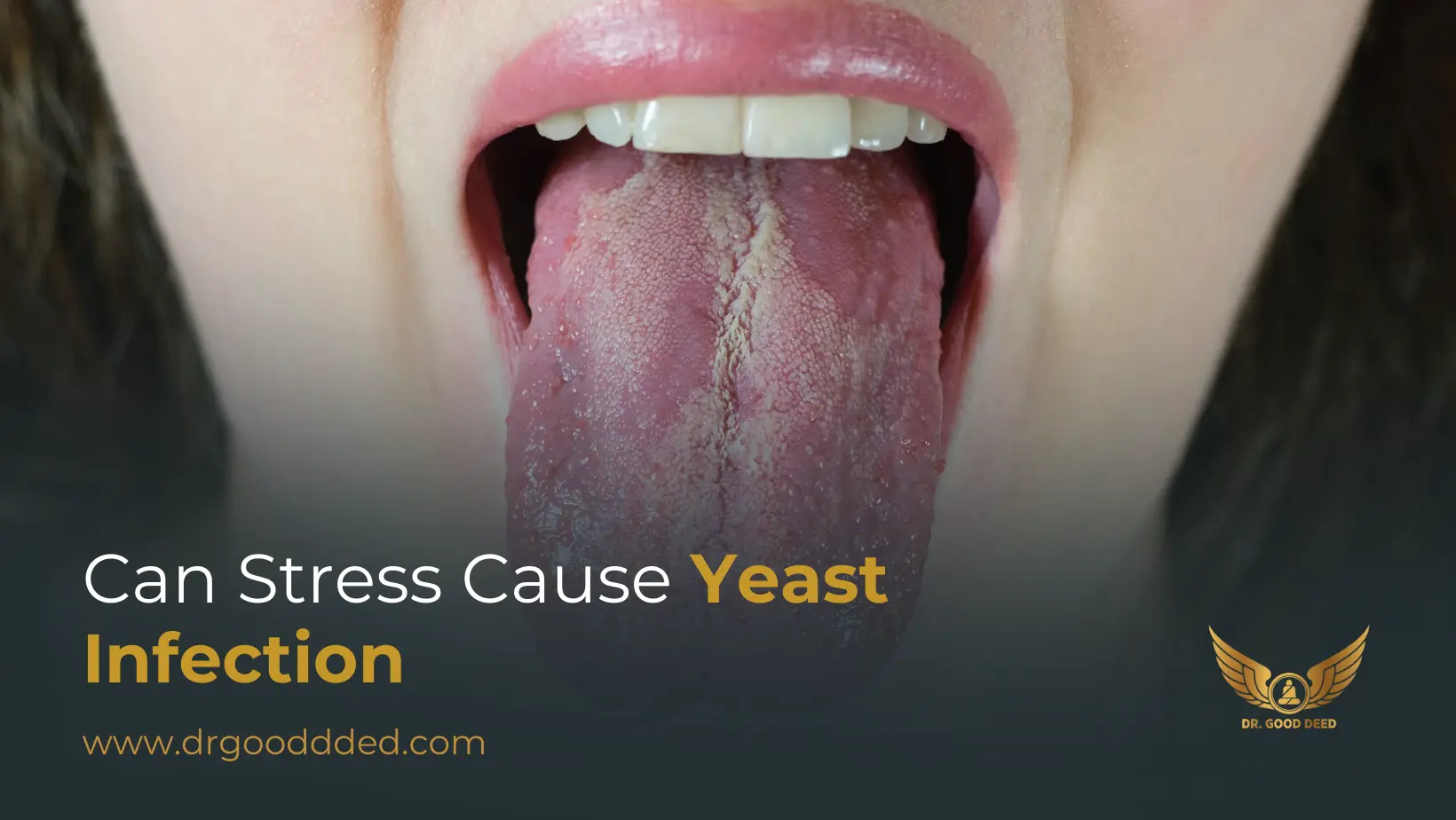

Stress does not cause yeast infections in your body, yet it strongly raises your risk. Long-lasting stress weakens your immune system and upsets hormone balance. This makes it harder for your body to control normal Candida yeast.
When that control fails, Candida can overgrow and cause a yeast infection. Medical groups such as the CDC explain that most vaginal yeast infections start from Candida that already lives in the vagina and then grows too much when conditions change.
Research on stress-induced yeast infection risk shows an indirect link. Studies in women with repeated vaginal Candida infections found higher levels of stress, anxiety, and changes in stress hormones. This suggests that stress works as a trigger, not the only cause.
Stress increases the chances, especially when it combines with other factors like antibiotics, high blood sugar, tight clothing, or hormone shifts.
What Is a Vaginal Yeast Infection?
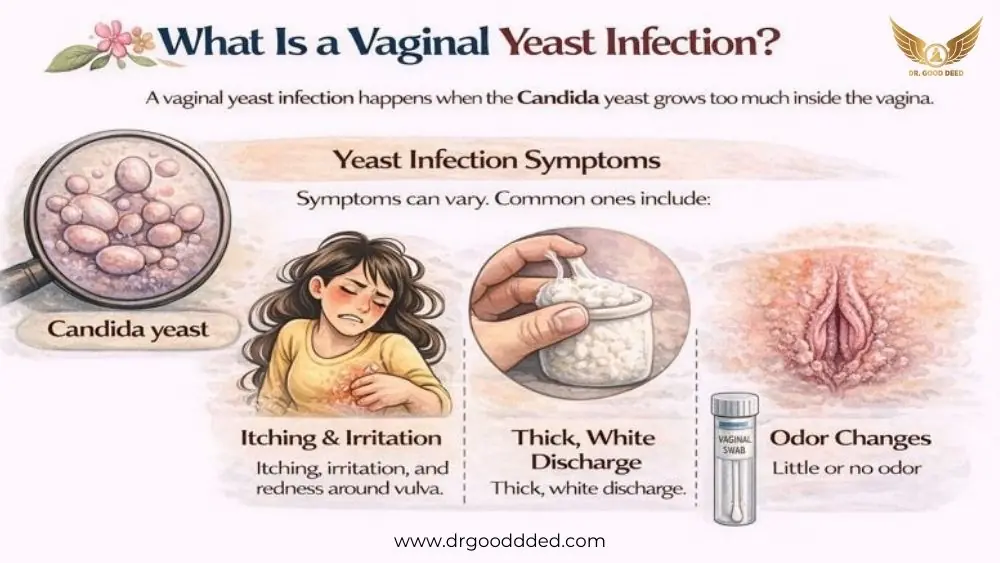
A vaginal yeast infection happens when Candida, most often Candida albicans , grows too much in the vagina. Doctors call this vulvovaginal candidiasis [yeast infection of the vulva and vagina].
Candida normally lives on your skin, in your gut, and in the vagina without causing trouble. Good bacteria keep the yeast under control and the vaginal pH [how acidic or alkaline something is] in a healthy range.
When the balance between yeast and bacteria changes, the yeast can spread and lead to an infection. That is when symptoms of a yeast infection start to show up.
What Causes A Yeast Infection Normally?
To understand if stress can cause yeast infection issues, you first need to see what usually causes a flare.
- Medical sources list several common triggers. Antibiotics kill harmful bacteria but also kill helpful gut/vaginal bacteria. This loss lets Candida grow faster.
- Hormone changes also matter. High estrogen levels during pregnancy, with birth control pills, or hormone therapy can increase the sugar stored in vaginal cells. Candida uses that sugar as food, which supports overgrowth.
- High blood sugar from poorly controlled diabetes also feeds yeast. Diabetes and a weakened immune system are key risk factors for all forms of candidiasis.
- Tight, non-breathable clothing, perfumed vaginal products, and frequent douching may change the local environment and make infection more likely.
Stress joins this list because it harms immunity and hormones, yet experts still see it as one factor among many. So stress does not directly cause yeast infection , but it can tip the balance when other risks already exist.
Symptoms Of Yeast Infection To Watch For
You may notice strong itching around the vulva [outer genital area]. The skin can look red and swollen. Many people feel a burning sensation when they pass urine or during sex. A thick white discharge that looks like cottage cheese is another classic sign. This discharge usually has little or no smell, which helps separate it from some other vaginal infections that have a strong odor.
These symptoms of yeast infection often feel mild at first and can grow worse if you ignore them. Because other vaginal infections share similar signs, testing is essential when symptoms are new or unclear.
Does Stress Cause Fungal Infections In General?
No, stress doesn’t cause fungal infections in the mouth or skin. Fungal infections occur more often in people with weak immune systems, diabetes, or serious illness.
Chronic stress can contribute to weaker immunity, so it may play an indirect part. Scientists continue to study these links, and they often state that the evidence is limited or mixed.
Stress-Related Vaginal Infections
Stress and vaginal infections describe how mental strain affects the vaginal environment as a whole, not just yeast.
How Stress Affects Vaginal pH
A healthy vagina keeps a slightly acidic pH. Helpful bacteria, mainly Lactobacillus [good vaginal bacteria], produce lactic acid that keeps this level stable. This acidic state holds Candida in check.
Chronic stress can change hormones, sleep patterns, diet, and even hygiene habits. These changes can disturb vaginal pH. If pH rises and becomes less acidic, Candida and other germs can grow more easily. At that point, stress causes yeast infection by creating the right conditions, even if stress did not start the process alone.
Effects Of Disrupted Hormones On Vaginal Flora
Your vaginal flora [mix of bacteria and yeast in the vagina] responds to hormone shifts. Estrogen affects how thick the vaginal lining is and how much glycogen [stored sugar] sits in the cells. More glycogen means more potential food for Candida.
Psychosocial stress connects with hormone changes. Psychosocial stress is one host factor among many, along with hormonal status and immune problems. When this mix shifts, your vaginal flora can change, the good bacteria may drop, and yeast can gain an advantage.
Stress And Recurrent Yeast Infections
If you get yeast infections several times a year, you might notice a pattern. Many women report that flares come during exams, work deadlines, family conflict, or grief. Women with recurrent infections score higher on stress and depression scales and often report poorer quality of life.
These findings support a real link between stress and vaginal infections , especially repeated ones. Stress might not explain yeast infection every case, but it can help explain why certain women keep facing stress-related candida overgrowth and recurring symptoms even when they use proper antifungal treatment.
Stress-Related Candida Overgrowth
Candida also lives in your gut. What happens there can affect the rest of your body.
Gut Microbiome Disruption And Candida
Your gut microbiome is the huge mix of bacteria and fungi that live in your intestines. Helpful bacteria keep Candida under control. They compete for food, produce acids, and help your immune system spot trouble.
Antibiotics, very sugary diets, stomach infections, and chronic stress can disturb this balance. When helpful bacteria fall, Candida can grow more. This can lead to gas, bloating, and sometimes more frequent vaginal infections.
Stress hormones can change gut movement and the mucus layer. This makes it easier for yeast to stick to the gut wall. Research is still growing, so experts say the evidence for direct links is limited, yet the pattern is strong enough to watch.
A stressed gut with disturbed flora gives Candida more chances to overgrow locally and then affect the vagina through shedding from the rectal area. This is one reason some women with repeated vaginal infections also have long-term stomach issues.
Links Between Chronic Stress And Candida Flare Ups
Chronic stress changes many of your daily choices. You sleep less, snack on quick sugar, drink more caffeine, and move less. All these habits help Candida. High sugar feeds yeast. Poor sleep harms the immune system. Low activity affects blood sugar control.
So stress causes yeast infection flare ups again and again in someone who already had Candida problems. Stress leads to bad habits and weak immunity. This leads to Candida growth. The infection itself then adds more stress and worry. Doctors try to break this loop by treating both the infection and the stress side by side.
Yeast Infection Symptoms
Knowing the clear symptoms of yeast infection helps you respond faster and get the right care.
Itching And Irritation
Itching around the vulva is usually the first sign. The area can feel raw, sore, or tight. Scratching may bring a short relief, but it often makes the skin more inflamed.
Thick, White Discharge
The discharge with a yeast infection is often thick and white. Many people compare it to cottage cheese. It does not soak the pad like water, and it usually has no strong smell. Other infections can cause thin, gray, or green discharge with a strong odor. That is why health agencies warn not to self-treat every discharge as yeast.
Burning With Urination Or Sex
The skin around the opening of the vagina gets very sensitive. When urine passes over that skin, you may feel burning. Sex can also hurt because the tissue is swollen and inflamed. These are common symptoms of yeast infection , yet they can also occur with other infections, so testing matters.
Swelling, Redness, Or Soreness
The vulva can look red and puffy. Small cracks may show in the folds. Sitting, walking, or wearing tight underwear can feel painful. Many women notice that these signs are worse at night, when there are fewer distractions.
Odor Changes
Most vaginal yeast infections do not cause a strong smell. If you notice a strong fishy or foul odor, another problem may be present, such as bacterial vaginosis or a sexually transmitted infection. In that case, focus less on whether stress can cause yeast infections and more on getting a quick exam.
When Stress Is Not The Cause
Stress is important, but it is not always the main trigger for yeast infection.
Antibiotics
Broad-spectrum antibiotics treat many bacterial illnesses. They also wipe out the helpful Lactobacillus bacteria in your vagina. Without these good bacteria, Candida grows fast. Many women get a yeast infection near the end of an antibiotic course. Doctors often warn about this risk early.
Tight Or Synthetic Clothing
Very tight jeans, leggings, or nylon underwear trap heat and moisture around your vulva. Candida likes warm, damp, airless areas. If you sit many hours in such clothes, the risk goes up even if your stress level is low.
Hormonal Changes
High estrogen levels during pregnancy or while using some birth control pills raise your chance of yeast infection. Estrogen increases stored sugar in vaginal cells, which feeds Candida. At these times, stress causes yeast infections easily, because hormones already support yeast growth.
High Blood Sugar Levels
Uncontrolled diabetes and very high sugar diets raise sugar levels in blood and body fluids. Yeast uses sugar as a food source. When sugar is always high, Candida has an ongoing supply. Good blood sugar control is one of the best ways to reduce both stress-related candida overgrowth and infection risk in general.
Weakened Immune System
People with HIV, those on chemotherapy, or people using strong steroids often have weaker immune defenses. In these cases, stress does not cause fungal infections more than the disease or the medicine itself. Stress still does not help, but immune weakness is the main concern.
How To Treat a Stress-Related Yeast Infection
OTC Antifungal Treatments
Mild or moderate infections often respond to over-the-counter antifungal creams or vaginal suppositories. Common ingredients are clotrimazole and miconazole. You place them directly inside the vagina or on the vulva.
Treatment length varies. Doctors usually suggest you follow the full package course even if symptoms ease early, because stopping too soon can let Candida grow back.
Prescription Antifungals
If you have strong symptoms, are pregnant, have diabetes, or get repeated infections, a doctor may give a prescription antifungal. Fluconazole is a common pill option. Doses and schedules vary by age, health status, and how often you get infected.
You should never change doses on your own. If stress can cause yeast infection flare ups for you often, your doctor may plan longer treatment or regular follow up doses.
When To Avoid Home Remedies
Many online tips suggest yogurt, garlic, tea tree oil, or vinegar inside the vagina. These can burn or irritate the tissue. Some can even upset the pH and make the infection worse.
There is little solid research showing that such home methods work well for vaginal yeast infections. For safety, avoid putting food, strong oils, or harsh liquids into the vagina.
Reducing Stress To Prevent Future Infections
If you clearly see that stress-induced yeast infection patterns in your life, you can work on stress control as part of prevention.
Lifestyle Changes To Lower Stress Hormones
Simple steps help. Short daily walks, light stretching, and breaks from screens calm your nervous system. You can keep a short list of stress tasks you can control and a list of things you cannot. Focusing on what you can change reduces mental load.
Relaxation Techniques
Slow breathing, gentle yoga, and basic mindfulness exercises help you reset during stressful days. None of these replace antifungal medicine, yet they support your body’s natural defenses. Over time they may lower how often stress tips you into infection.
Sleep And Immune Health
Healthy sleep supports a strong immune system. Try to go to bed at a regular time, keep your room dark and cool, and stay off bright screens before sleep. Good rest helps your body respond to stress-induced yeast infection risk, which rises after a tense week.
Diet For Candida Control
You do not need a very strict “Candida diet” unless a doctor suggests it. Instead, aim for steady blood sugar. Choose whole grains, vegetables, lean protein, and healthy fats. Keep sugary drinks and desserts for special times. This kind of diet gives your immune system what it needs and offers less fuel for stress-related candida overgrowth .
When To See A Doctor
Recurrent Or Persistent Infections
If you have four or more yeast infections in one year, or an infection that does not go away with proper treatment, see a doctor. Testing can uncover diabetes, immune problems, or other causes.
Symptoms That Do Not Match Typical Yeast Infection
If you have strong odor, gray or green discharge, pelvic pain, sores, or bleeding, do not assume it is yeast. You need an exam and lab tests. Self treating in this case may delay real care.
When Severe Pain Or Fever Occurs
High fever, chills, or severe pelvic pain are red flags. These suggest a more serious infection that needs urgent medical help. Do not wait to see if it settles on its own.
FAQs
How does stress weaken the immune system and increase infection risk?
Long-lasting stress keeps your stress hormones high, which can reduce the strength of some white blood cells. When this happens, yeast infection risk to rises along with other infections.
Can anxiety contribute to yeast infections?
Yes. Ongoing anxiety affects sleep, appetite, and blood sugar. These changes weaken defense against Candida. In someone already prone to infections, anxiety periods can be times when stress can cause yeast infections more often.
Does stress cause fungal infections in general?
Current research shows that stress does not directly cause fungal infections. It occurs mostly through weaker immunity, not by adding fungi. You still need exposure and other risk factors, yet stress can tilt the balance toward infection.
How does stress affect vaginal pH?
Stress affects hormones, sleep, diet, and hygiene habits. These shifts can change vaginal pH and the good bacteria. When pH rises, stress causes yeast infections more easily because Candida grows better.
How does hormone disruption from stress affect vaginal flora?
Stress can disturb estrogen and progesterone patterns. These hormones shape the vaginal lining and stored sugar. Changes here may reduce good bacteria and promote stress-related candida overgrowth in someone who already carries Candida.
Can stress lead to recurrent yeast infections?
In people with other risks such as diabetes or frequent antibiotics, chronic stress can be the extra factor that turns single infections into repeated flares. In these cases, stress causes yeast infection clusters across a year.
What is stress-related Candida overgrowth?
This term means Candida grows too much when long-term stress harms immunity, sleep, diet, and hormones. The yeast is not new. Stress simply gives it more power, so stress causes a yeast infections in the vagina or gut.
How does gut microbiome disruption contribute to Candida flares?
When antibiotics, poor diet, or stress reduce good gut bacteria, Candida faces less competition. It may expand in the gut and then seed the vagina, which explains why stress causes yeast infections after stomach problems for some people.
What is the link between chronic stress and repeated yeast infections?
Chronic stress changes cortisol, blood sugar, and daily habits. These changes lower your resistance to Candida. If you already have risk factors, this is how stress can cause yeast infection again and again over time.
What are the symptoms of a yeast infection?
Main symptoms of yeast infection are vulvar itching, redness, swelling, thick white discharge, and burning with sex or urination. If these appear, especially after heavy stress, stress-induced yeast infection is a fair concern to raise with your doctor.










Leave a Comment