



A stroke happens when blood stops reaching part of your brain. Brain cells start dying within minutes. It is a medical emergency. Every second without blood flow costs roughly 1.9 million brain cells, according to the American Stroke Association. Speed is the only thing that changes the outcome.
What Is the Main Cause of Stroke?
The main cause is a blocked or burst blood vessel in the brain.
87% of strokes are ischemic, meaning a blood clot cuts off circulation. The remaining 13% are hemorrhagic, where a vessel ruptures and bleeds into brain tissue.
High blood pressure is the single biggest risk factor. It quietly damages vessel walls over the years. Atrial fibrillation (irregular heartbeat) is the second. It forms clots in the heart that break off and travel to the brain.
Uncontrolled diabetes, smoking, and high cholesterol accelerate vessel damage. Together, they set the stage before a stroke ever happens.
What Are the 5 Warning Signs of a Stroke?
Use the FAST test. It catches most strokes fast.
- F, Face drooping: One side of the face drops or goes numb. Ask the person to smile. If it looks uneven, that is a sign.
- A, Arm weakness: One arm feels weak or numb. Ask them to raise both arms. One drifting downward matters.
- S, Speech difficulty: Slurred speech, strange words, or complete silence when they try to talk.
- T, Time to call emergency services: Do not wait to see if it passes.
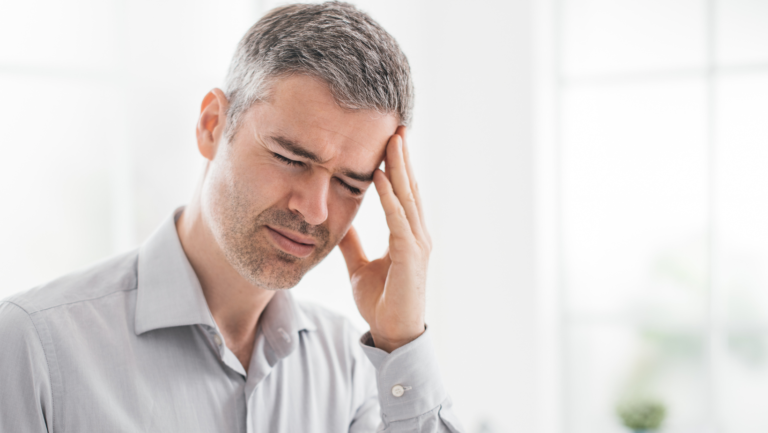
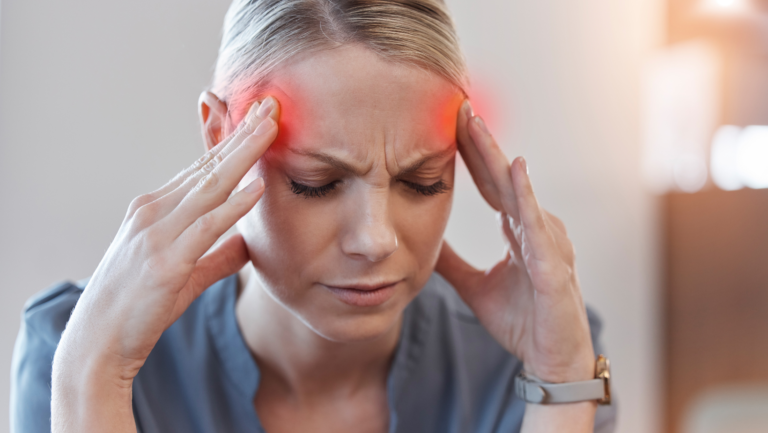
The fifth warning sign of a stroke is sudden, severe headache with no known cause. Stroke survivors describe it as the worst headache of their lives. It usually signals a hemorrhagic stroke.
What Are the 5 Warning Signs of a Stroke in a Woman?
Women share the classic FAST symptoms. But they get additional symptoms that get dismissed as other conditions.
- Sudden hiccups: Unusual and persistent hiccups are a documented early warning, particularly in women.
- Nausea or vomiting: Often mistaken for food poisoning or vertigo.
- Chest pain: Leads many women to think cardiac event, not stroke. Both can happen together.
- Fainting or loss of consciousness: More common in women than men during stroke onset.
- General weakness or fatigue: Not a specific weakness in one limb. A full-body crash without explanation.
Women under 45 have higher stroke risk than men in the same age group. Pregnancy, birth control pills, and migraines with aura all raise that risk further.
What Is the 4-Hour Rule for Stroke?
The 4.5-hour window is the treatment deadline for the clot-dissolving drug tPA (tissue plasminogen activator).
If a patient reaches the hospital within 4.5 hours of symptom onset, doctors can administer tPA to dissolve the clot. After that window closes, the drug becomes too risky because the damaged brain tissue is more likely to bleed.
This is why the exact time symptoms started matters. Emergency teams ask for it immediately. If you witness a stroke, note the time right away.
Some thrombectomy procedures (mechanical clot removal) extend up to 24 hours, but only for select patients based on imaging. The 4.5-hour window for medication remains the standard.
What Is the Urgent Treatment for a Stroke?
Treatment depends on the stroke type.
For ischemic stroke (clot-caused):
- IV tPA (alteplase) within 4.5 hours
- Mechanical thrombectomy, a catheter-based procedure to physically remove the clot, within 6-24 hours in eligible patients
For hemorrhagic stroke (bleeding-caused):
- Blood pressure control immediately
- Reversing any blood thinners the patient takes
- Surgery in some cases to remove pooled blood or repair the vessel
What not to do: Do not give aspirin before the stroke type is confirmed. Aspirin thins blood. Giving it to a hemorrhagic stroke patient makes bleeding worse.
How Many Hours Can a Stroke Last?
A stroke itself is not an event with a fixed duration. The brain damage starts immediately and continues as long as blood flow is cut off.
What people sometimes confuse with a “short stroke” is a TIA, a transient ischemic attack. Symptoms appear and then fully resolve within 24 hours, usually within 1 hour.
A TIA is a warning. 10-15% of TIA patients have a full stroke within 3 months. The risk is highest in the first 48 hours after a TIA. It should be treated as an emergency, even when symptoms disappear.
How to Test for Stroke at Home?
You cannot diagnose a stroke at home. But you can identify it fast.
FAST test at home:
- Ask the person to smile. Check for facial asymmetry.
- Ask them to raise both arms. Watch for one arm drifting down.
- Ask them to say a simple sentence. Listen for slurred or wrong words.
BE-FAST is the more complete version used by neurologists:
- B, Balance: Sudden loss of balance or coordination
- E, Eyes: Sudden vision change in one or both eyes
- Then F, A, S, T as above
If any one of these is present, call emergency services. Do not drive them yourself if possible. Paramedics can begin assessment and alert the hospital before arrival.
Can You Fully Recover From a Stroke?
Some people do. Most experience some permanent change. Recovery depends on which part of the brain was affected, how long blood flow was cut off, and how fast treatment started.
The brain can rewire itself through a process called neuroplasticity. Damaged areas do not heal, but surrounding areas can learn to take over lost functions. This is what rehabilitation targets.
Recovery is most rapid in the first 3-6 months. Progress continues for years after, though it slows. People who do intensive, consistent rehabilitation see better outcomes than those who stop therapy early.
A 2019 study in Lancet Neurology found that roughly 50% of stroke survivors have some level of disability one year after the event. Full recovery is real but not guaranteed. The earlier treatment begins, the better the odds.
How to Manage a Stroke Patient?
The first 24-72 hours focus on medical stabilization. After that, management shifts toward preventing a second stroke and beginning rehabilitation.
Immediate medical management:
- Blood pressure monitoring (lowering it too fast can worsen brain damage)
- Blood sugar control
- Prevention of fever, which worsens brain injury
- DVT prevention (blood clots in legs from immobility)
Rehabilitation team typically includes:
- Physiotherapist for movement and strength
- Occupational therapist for daily tasks
- Speech therapist for swallowing and language
- Neuropsychologist for memory and cognitive changes
At home, caregivers should watch for:
- Depression (affects up to 33% of stroke survivors)
- Swallowing problems, which increase pneumonia risk
- Fatigue, which is real and common and not laziness
Post-stroke fatigue is one of the least recognized symptoms. Survivors describe needing 12-16 hours of sleep and still feeling exhausted. It is neurological, not psychological.
What Is the Final Stage of Stroke Recovery?
There is no single “final” stage. Recovery does not follow a clean endpoint.
The clinical term used is the chronic phase, which begins around 6 months post-stroke. By this point, the most rapid neurological changes have happened. What remains is long-term adaptation.
In the chronic phase, goals shift from regaining lost function to maximizing independence with current function. That means adapting the home environment, using assistive devices, and continuing exercise to prevent decline.Research published in Neurorehabilitation and Neural Repair shows that meaningful motor and speech gains are still possible years after a stroke with targeted therapy. The brain does not stop adapting at the 6-month mark. That idea is outdated.









Leave a Comment