

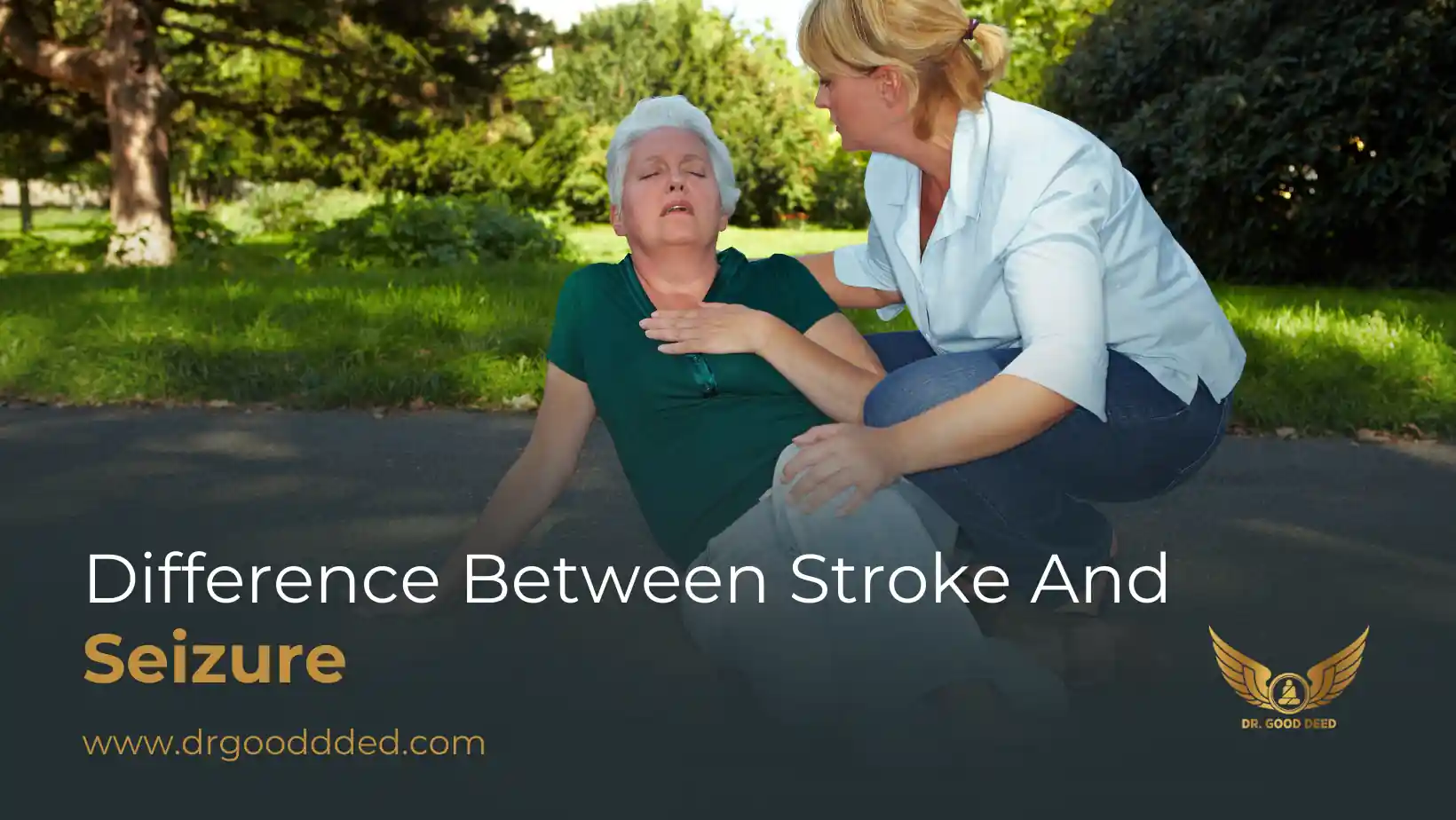

A stroke happens when blood flow to part of the brain stops or drops so much that brain cells begin to die. This loss of oxygen causes sudden weakness, speech trouble, vision changes, or balance problems. A seizure happens when the brain’s electrical signals fire in a rapid, uncontrolled way that disrupts normal function.
A stroke is a blood supply crisis, while a seizure is an electrical surge, yet both can begin without warning. In a stroke, damaged tissue can lead to lasting problems with movement, speech, or memory if blood flow is not restored quickly.
In a seizure, the electrical storm may cause jerking, staring, or sudden loss of awareness that usually ends within minutes. Some seizures happen after a stroke because injured brain cells become more excitable.
Stroke Vs Seizure: What’s The Core Difference?
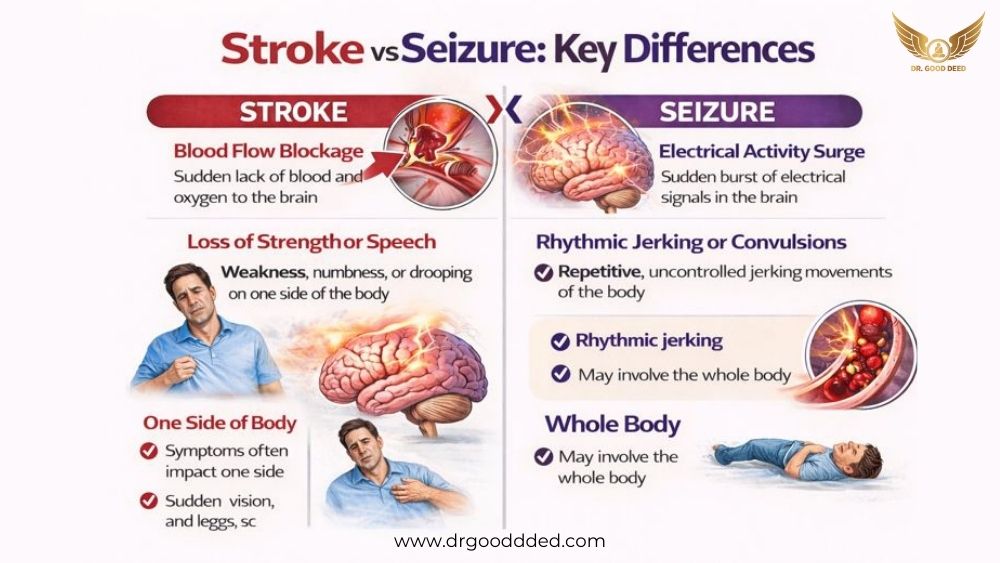
A stroke happens when blood stops reaching part of your brain. Cells in that area lose oxygen and fail. A seizure happens when brain cells fire too much at once. That electrical surge disrupts normal signals. Both start suddenly. Both can look like each other. Still, the cause is different and the first steps you take must differ.
How The Brain Reacts In A Stroke Vs A Seizure
In a stroke , the affected zone of the brain becomes weak or silent. You lose the functions that zone controls. In a seizure , brain networks go into overdrive for a short time. Signals become noisy. After the event, normal activity may return. Watch how the person recovers. The recovery pattern helps you, and doctors tell them apart.
Sudden Brain Blood Flow Loss Vs Electrical Activity Surge
Think of a stroke as a plumbing failure. Blood cannot reach parts of the brain. Think of a seizure as an electrical short circuit. Brain cells fire at once. The physical treatments differ. For a stroke, restoring blood flow is urgent. For a seizure, stopping the electric storm and protecting the airway is urgent.
Why They Can Appear Similar But Need Different Treatment
Both conditions can cause collapse, strange movements, and confusion. You might see jerking, stiff limbs, or a drooping face in either case. However, giving clot-busting drugs for a seizure or only sedating for a stroke is wrong. That is why fast diagnosis with scans and tests matters. Emergency teams choose different treatments.
Signs Of Stroke Vs Seizure
Watch for clear, repeatable signs. These clues tell you what likely happened.
Sudden Paralysis Or Weakness (Stroke)
A key sign of stroke is sudden weakness. It usually affects one side of the body. The face may droop. The person may drop an arm. Weakness that starts quickly and stays is more likely a stroke. Note the time of onset and call emergency services.
Rhythmic Jerking Or Convulsions (Seizure)
Symptoms of a seizure often include rhythmic jerking. Movements repeat in a pattern. The person may lose control and fall. These jerks often stop on their own in minutes. If jerking lasts long, treat it as an emergency.
Loss Of Speech Vs Loss Of Awareness
If the person cannot form words but can follow simple commands, think stroke. If the person does not respond and later does not remember the event, think seizure. Loss of speech can come from brain blood loss. Loss of awareness often comes from electrical disruption. Record what witnesses saw.
Vision Changes Vs Staring Spells
Sudden vision loss or double vision feels like a stroke. A blank stare or brief lack of response suggests a focal seizure. A staring spell can look harmless but may be a seizure. Check how long it lasts. Short staring episodes often point to seizures.
Partial Vs Whole-Body Involvement
A stroke often affects one body region tied to the damaged brain area. A seizure can stay local or spread to both sides. Focal seizures affect a hand or face. Generalized seizures involve the whole body. That pattern helps emergency staff decide tests and treatment.
Seizure Vs Stroke Symptoms
This section lists practical, easy rules to use right away.
FAST Stroke Symptoms Explained
Use FAST to spot a stroke. Face droop. Arm weakness. Speech trouble. Time to call emergency services. If any sign is present, do not wait. Early hospital care can restore blood flow and limit damage.
Aura And Warning Signs Before A Seizure
Some people get an aura before a seizure . An aura may be a strange smell, a rising stomach feeling, or sudden fear. An aura is an early sign of a focal seizure. If you sense a warning, you can move the person to safety before loss of control.
Duration Of Episodes: Seconds Vs Minutes
Most seizures last seconds to a few minutes. Most stroke symptoms do not stop by themselves. If movement or weakness stops quickly, consider a seizure. If weakness or speech trouble persists, treat it as a stroke and call emergency services. Timing is a core clue.
Post-Episode Confusion: Which Condition Causes It?
After a seizure, people often feel confused and sleepy. This postictal state can last minutes to hours. After a stroke, confusion may reflect lasting brain injury. Note how alert the person becomes; this helps clinicians decide.
Breathing Changes In Strokes Vs Seizures
During many seizures, breathing may become shallow or irregular. This usually resolves. In a stroke, breathing stays normal unless the brainstem is involved. Either way, keep the airway open and call for help if breathing is poor.
Causes Of Stroke Vs Seizure
Knowing root causes reduces risk and guides prevention.
Blocked Artery Or Bleeding (Stroke Causes)
The main causes of stroke are blocked arteries (ischemic stroke) and bleeding in the brain (hemorrhagic stroke). High blood pressure, smoking, diabetes, and certain heart problems raise the risk. Treating these lowers your stroke risk.
Electrical Disturbances And Epilepsy (Seizure Causes)
Causes of seizures include epilepsy, head injury, infections, and metabolic problems like low blood sugar. Some seizures follow a stroke. Many patients respond well to anticonvulsant medicine. Doctors decide treatment after tests.
Triggers That Overlap Between The Two
Severe infections, head trauma, and some metabolic imbalances can trigger both stroke and seizure. A stroke can directly cause a seizure in the injured brain area. That overlap makes quick imaging and EEG testing important.
Conditions That Mimic Both Stroke And Seizure
Low blood sugar, migraines, and transient ischemic attacks can mimic either condition. Witness reports and rapid tests help doctors rule them out. When in doubt, treat it as an emergency and get imaging.
Can a Stroke Cause a Seizure?
Yes. After a brain injury from a stroke , damaged tissue can trigger abnormal electrical activity. Early seizures may happen within days. Late seizures can appear months later. You should know this link because it changes follow-up and monitoring.
Why Seizures May Follow a Stroke
When brain tissue suffers from lost blood flow or bleeding, its cells change. These injured cells can misfire. That misfiring can start a seizure minutes, days, or months after the stroke . Larger surface brain injuries cause a higher risk. If you had a cortical stroke, doctors watch you more closely for new jerking, staring, or confusion.
When Seizures Increase Stroke Risk
If you have long uncontrolled seizures, blood pressure and heart stress may rise during events. Repeated severe seizures can worsen heart and blood vessel health. That adds to your overall risk of vascular events. Managing seizures well reduces this added risk.
Shared Neurological Risk Factors
High blood pressure, diabetes, smoking, and older age raise both stroke and seizure risk. Brain infections, head trauma, and certain genetic issues also link to both. Treating these shared risks lowers the chance that you will get either condition.
Diagnosis: How Doctors Tell Stroke From Seizure
Doctors combine exam, history, and tests. Time and witness detail matter.
Brain Imaging (CT vs MRI Differences)
- CT scans are fast. They find bleeding quickly. Hospitals use CT first when a stroke is suspected.
- MRI shows small or new injuries better. MRI helps when CT is normal but symptoms persist.
- Imaging will also reveal recent stroke that may explain new seizure activity.
EEG Findings For Seizures
- EEG measures brain electrical patterns. It can show spikes that point to a seizure focus.
- EEG may be normal between events. Continuous EEG can catch brief or subtle seizures in the hospital.
Blood Tests And Neurological Evaluations
- Blood tests look for infection, low sugar, or chemical causes.
- A focused neurological exam finds one-sided weakness, numbness, or language problems that suggest stroke .
- Timelines, aura history, and post-event confusion help differentiate a seizure from a stroke .
(Note: Imaging and EEG together provide the best information. When evidence is limited, clinicians repeat tests and re-evaluate.)
Treatment For Stroke Vs Seizure
Treatment goals differ: restore blood flow for stroke and stop electrical storms for seizure .
Emergency Stroke Treatment Steps
- If you arrive early with ischemic stroke, doctors may give clot-busting therapy or perform clot removal.
- For hemorrhagic stroke, treatment focuses on controlling bleeding and pressure.
- Rehab starts quickly to recover lost function.
Medications Used For Seizure Control
- Acute seizures may be treated with fast-acting medicines to stop the event.
- Long-term treatment for seizures often uses daily anticonvulsant medicines. Dosage varies by age and condition. Doctors adjust treatment over time.
Long-Term Management Differences
- Treatment for stroke focuses on rehab, blood pressure control, and preventing another stroke.
- Treatment for seizures focuses on medication adherence, safety planning, and lifestyle changes to reduce triggers.
- If a stroke caused a seizure , management may include both stroke prevention and seizure control.
What NOT To Do During Either Event
- Do not put anything in your mouth.
- Do not restrain the person.
- For suspected stroke , do not delay calling emergency services. Time matters.
- For a seizure , protect the head and monitor breathing. Note the time.
Prevention: Lowering The Risk Of Stroke And Seizures
Prevention reduces both immediate risk and long-term problems.
Managing Blood Pressure And Cardiovascular Risks
Control blood pressure, cholesterol, and blood sugar. Stop smoking. Treat atrial fibrillation if present. These measures cut the risk of stroke and reduce damage if a stroke occurs. Regular checkups let you and your doctor tune prevention plans.
Avoiding Seizure Triggers And Lifestyle Modification
Keep regular sleep. Avoid binge alcohol. Take prescribed medicines on time. Track triggers such as flashing lights or missing sleep. A consistent routine lowers the risk of seizure in many people and reduces symptoms of seizure recurrence.
When To Get Routine Neurological Care
See a neurologist after any unexplained weakness, repeated staring spells, or new jerking. If you had a stroke , schedule follow-up visits to watch for late seizures. Ongoing care ensures tests are repeated when needed, and treatment is updated.
FAQ
How Do I Know If Someone Is Having A Stroke Or A Seizure?
Look for sudden one-sided weakness, slurred speech, or facial droop for signs of stroke . Look for sudden jerking, blank staring, or loss of awareness as symptoms of a seizure . Call emergency services if unsure.
Can Seizures Mimic Stroke Symptoms?
Yes. Focal seizures and the postictal weakness called Todd’s paresis can mimic signs of stroke . Imaging and EEG help separate the two conditions and guide correct treatment.
Which One Is More Dangerous—Stroke Or Seizure?
Both can be serious. A large stroke can cause permanent damage or death. A prolonged seizure can cause brain injury. Fast medical care reduces risks for both conditions.
Can A Stroke Trigger Long-Term Seizures?
Yes. Some people develop chronic epilepsy after a stroke . The risk rises with larger or cortical strokes. Doctors monitor survivors for late symptoms of seizures .
Why Do Some Seizures Look Like Mini-Strokes?
Seizures that affect one brain area may cause weakness or speech trouble after the event. That postictal deficit may look like a small stroke until tests show otherwise.
What Tests Confirm Stroke Vs Seizure?
CT or MRI can confirm symptoms of stroke by showing bleeding or an infarct. EEG supports symptoms of seizure by showing abnormal electrical activity. Blood tests add context.
How Quickly Should Treatment Begin For Each?
Stroke care must start immediately to restore blood flow. Seizures that last longer than five minutes need urgent medication to stop them. Both require timely action.
Can Stress Cause Seizures Or Strokes?
Severe stress can raise blood pressure and bring a higher stroke risk. Stress alone rarely causes a new seizure in a healthy brain, but can lower the threshold in people with epilepsy.


Leave a Comment