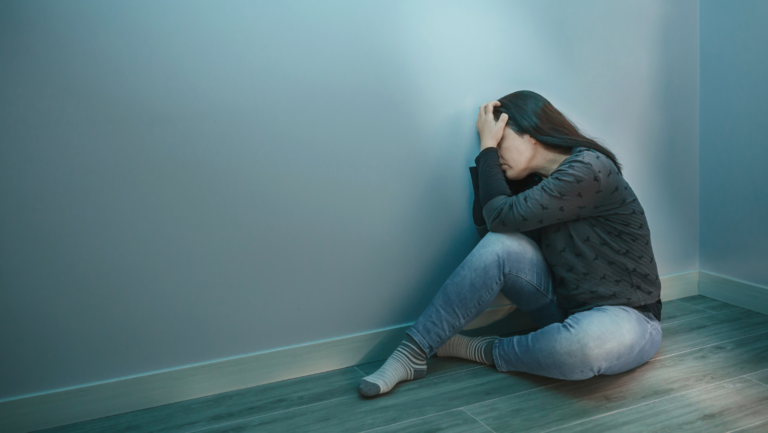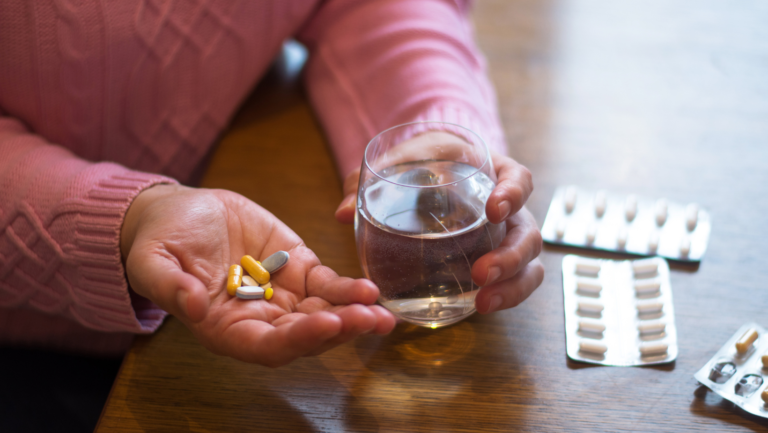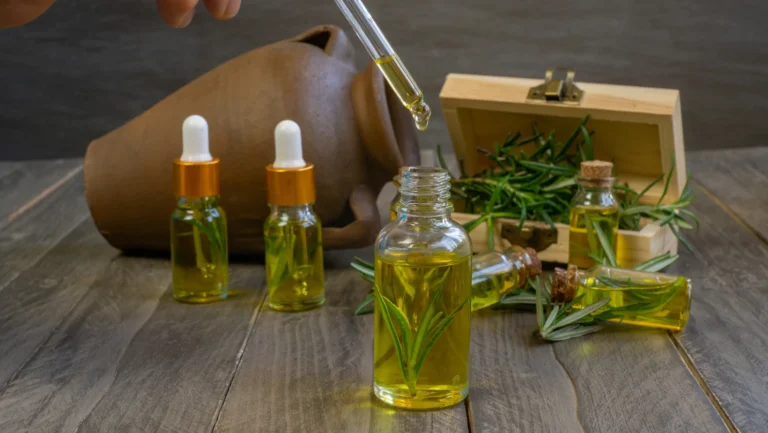

Natural remedies for anxiety focus on calming an overactive stress system instead of numbing symptoms. Anxiety develops when the brain stays in alert mode for too long, keeping stress hormones high and disrupting sleep, digestion, focus, and emotional control.
Natural approaches work by supporting nervous system balance, improving brain chemistry, and reducing daily triggers that keep anxiety active. These methods include structured habits, targeted lifestyle changes, and mind–body practices that help the body return to a calm baseline after stress.
16 Ways to Reduce Anxiety Naturally
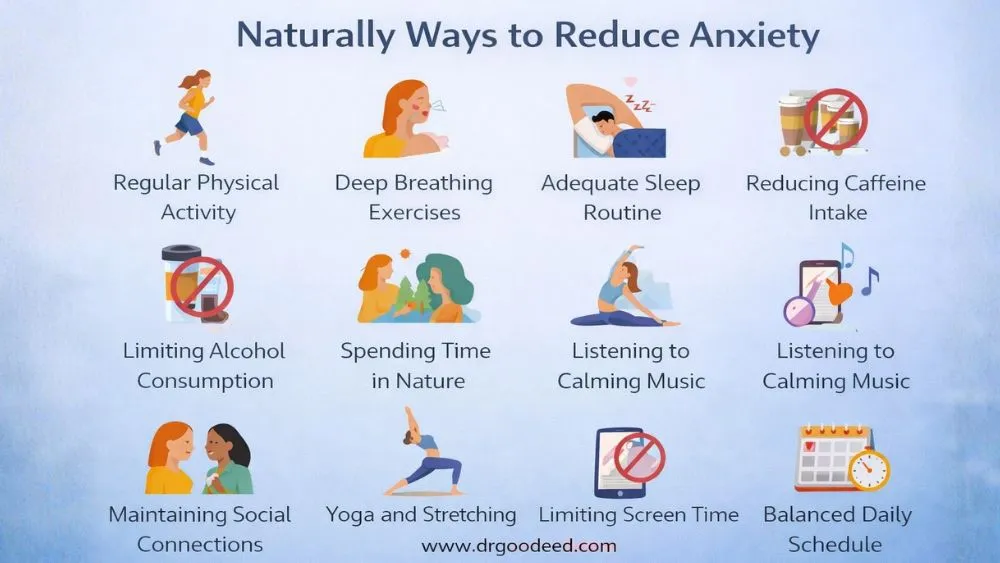
The 16 ways to reduce anxiety naturally described below target different biological and behavioral drivers of anxiety. Some reduce physical tension, others calm brain signaling, and several improve stress tolerance over time. Their effectiveness depends on regular use rather than intensity.
Using multiple approaches together works better than relying on a single habit. For example, physical activity improves sleep quality, which then improves emotional regulation. Breathing techniques reduce physical symptoms, making cognitive strategies easier to apply. This layered approach strengthens natural remedies for anxiety in daily life.
Regular Physical Activity
Physical activity reduces anxiety by lowering stress hormones and improving oxygen delivery to the brain. Movement also helps the body release stored muscle tension that keeps anxiety active even when the mind feels calm. You do not need intense exercise for benefits.
Consistent moderate movement, such as walking or light strength training, improves mood regulation and sleep quality, which directly influences anxiety severity. Regular activity strengthens the foundation of natural remedies for anxiety by stabilizing daily stress responses.
Deep Breathing Exercises
Breathing patterns directly affect the nervous system. Fast, shallow breathing signals danger to the brain, while slow breathing signals safety. Controlled breathing exercises reduce heart rate and calm overstimulated nerve pathways.
Techniques that emphasize longer exhalation than inhalation are especially effective. When practiced daily, breathing exercises reduce physical anxiety symptoms such as dizziness and chest tightness for improve tolerance to anxiety triggers.
Mindfulness and Meditation
Mindfulness does not stop anxious thoughts. It reduces how strongly the brain reacts to them. Anxiety thrives on automatic threat interpretation, and mindfulness trains attention away from these reflexive patterns. Short daily practice improves emotional awareness and reduces mental looping. Over time, this reduces baseline anxiety levels and supports long-term nervous system regulation, making natural remedies for anxiety more sustainable.
Adequate Sleep Routine
Sleep and anxiety are closely linked. Poor sleep increases sensitivity to stress and lowers emotional control the next day. Anxiety also disrupts sleep, creating a cycle that worsens symptoms. A stable sleep routine helps restore balance in stress-regulating brain regions. Consistent bedtimes, low light exposure at night, and reduced evening stimulation improve sleep depth and reduce nighttime anxiety spikes.
Reducing Caffeine Intake
Caffeine stimulates the same systems involved in anxiety. It increases alert chemicals in the brain and raises heart rate, which can mimic panic symptoms. People with anxiety often misinterpret these physical sensations as danger, worsening fear responses. Reducing caffeine intake, especially later in the day, helps stabilize nervous system activity and improves the effectiveness of other natural remedies for anxiety.
Limiting Alcohol Consumption
Alcohol may feel calming at first, but it disrupts brain chemistry as it wears off. This rebound effect increases anxiety, worsens sleep quality, and impairs emotional regulation the following day. Regular alcohol use interferes with the brain’s ability to adapt to stress. Limiting intake or avoiding alcohol during periods of active anxiety supports long-term symptom control.
Spending Time in Nature
Natural environments reduce activity in brain regions associated with stress and threat detection. Exposure to sunlight, fresh air, and natural sounds helps regulate circadian rhythm and mood-related chemicals. Even brief outdoor time can lower stress hormone levels. Nature exposure works quietly but consistently and supports natural remedies for anxiety without requiring structured effort.
Journaling and Emotional Expression
Anxiety often persists because thoughts remain unprocessed. Journaling helps organize mental noise and identify patterns that keep anxiety active. Writing about worries externalizes them, reducing emotional intensity. Over time, this practice improves emotional insight and reduces avoidance behaviors that fuel anxiety.
Listening to Calming Music
Sound influences heart rhythm, breathing, and the emotional centers of the brain. Slow, steady music can reduce physiological arousal and help the body exit stress mode. Music is most effective when used intentionally during rest periods rather than as background noise during stimulation.
Progressive Muscle Relaxation
Anxiety keeps muscles in a state of readiness. Progressive muscle relaxation works by deliberately tensing and releasing muscle groups, teaching the body the contrast between tension and relaxation. This technique reduces physical anxiety symptoms and improves body awareness. Regular practice lowers baseline muscle tension and improves sleep onset.
Maintaining Social Connections
Human connection plays a critical role in emotional regulation. Isolation increases anxiety by reinforcing threat-focused thinking. Supportive social interaction provides reassurance and helps regulate stress hormones. Even brief, regular contact can improve mood stability and enhance the effectiveness of natural remedies for anxiety.
Time Management and Routine
Unpredictability increases stress load. A structured routine reduces decision fatigue and creates a sense of control. Simple daily planning helps the brain anticipate demands rather than react to them. This reduces background anxiety and improves concentration throughout the day.
Yoga and Stretching
Gentle yoga and stretching calm the nervous system by combining movement with controlled breathing. These practices reduce muscle stiffness and improve body awareness without overstimulating stress pathways. Slow, non-competitive styles are most helpful for anxiety management.
Aromatherapy
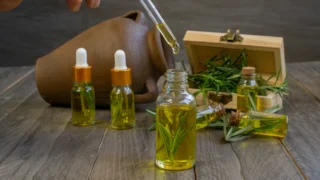
Certain scents interact with brain areas involved in emotion and memory. Light use of calming aromas may reduce stress perception for some people. Effects are subtle and vary widely. Strong or artificial scents may worsen symptoms in sensitive individuals.
Limiting Screen Time
Excessive screen exposure overstimulates the brain and disrupts sleep patterns. Constant information input keeps stress pathways active. Reducing screen use, especially before sleep, helps restore attention control and emotional balance.
Balanced Daily Schedule
Overloading the day with tasks keeps stress hormones elevated. A balanced schedule includes rest periods, realistic goals, and recovery time. Consistency matters more than productivity volume when managing anxiety.
Holistic Remedies for Anxiety
Holistic approaches focus on how physical sensations, emotional patterns, and daily habits interact to maintain anxiety. Anxiety is rarely limited to thoughts alone. It often includes muscle tension, breathing changes, digestive symptoms, and fatigue, all of which reinforce stress signals to the brain.
Mind–Body Connection
The body often signals anxiety before conscious worry appears. Tight muscles, shallow breathing, digestive discomfort, and fatigue are early signs of nervous system overload. Learning to notice these signals allows earlier intervention and prevents escalation.
Yoga and Breathwork
Breathwork influences nerve activity that controls heart rate and stress response. Slow breathing patterns activate calming pathways in the nervous system. Combined with gentle movement, these practices improve emotional regulation and physical relaxation. They support holistic remedies for anxiety when used consistently.
Acupuncture and Acupressure
These approaches stimulate nerve points associated with stress regulation. Some people report reduced tension and improved relaxation, while others notice little change. Current evidence suggests variable results, and benefits appear strongest when combined with other anxiety management strategies.
Massage Therapy
Massage reduces muscle tension and temporarily lowers stress hormone levels. It may improve sleep quality and promote short-term calm. Massage supports recovery but does not address underlying anxiety drivers on its own.
Herbal Teas and Relaxation Rituals
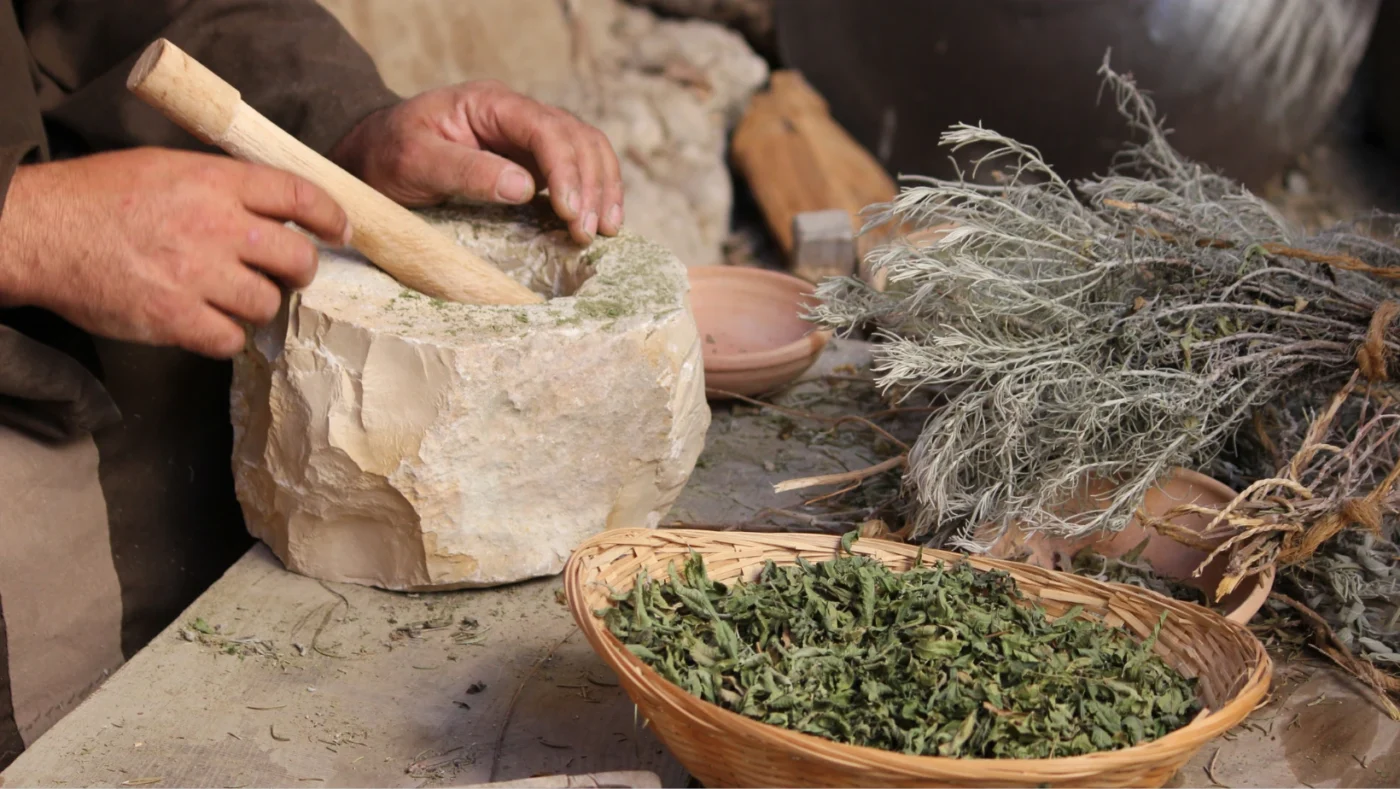
Herbal teas such as chamomile and lemon balm may promote mild relaxation through effects on brain signaling. Responses differ between individuals, and effects are generally subtle. Safety varies depending on health status and medication use, so caution is advised.
Omega-3 for Anxiety
Omega-3 fatty acids support brain cell structure and influence chemical signaling involved in mood and stress regulation. Low intake has been associated with increased emotional reactivity and reduced stress tolerance, especially in people with chronic anxiety symptoms.
Role of Omega-3 Fatty Acids in Brain Health
Omega-3 fats are key components of brain cell membranes. They help maintain flexibility in nerve signaling and support balanced neurotransmitter activity. Low levels are associated with increased stress sensitivity and mood instability.
Omega-3 and Mood Regulation
Omega-3 may help reduce low-grade inflammation that affects emotional processing. Some people experience mild symptom improvement, particularly when dietary intake was previously low. Evidence for omega-3 for anxiety is supportive but limited, and effects are not universal.
Dietary Sources of Omega-3
Food-based intake is generally preferred. Fatty fish such as salmon and sardines provide forms the brain uses directly, while plant sources like flaxseed provide precursors that the body converts less efficiently.
Supplement Considerations
Omega-3 supplements vary in quality and concentration. Dosage needs differ by age, health status, and diet. High intake may cause side effects, so medical guidance is recommended before use.
Lifestyle Changes for Anxiety Relief
Lifestyle changes for anxiety relief reduce constant background stress that keeps anxiety active even when no immediate threat is present.
Sleep quality, nutrition, movement, and stimulant use directly affect brain chemistry related to fear and emotional control. Small but consistent adjustments in these areas often produce greater long-term improvement than short-term coping techniques alone.
Sleep Hygiene Improvements
Sleep quality strongly affects anxiety intensity. Poor sleep increases emotional sensitivity and reduces stress control the next day. Improving sleep hygiene means keeping fixed sleep times, reducing light exposure at night, and avoiding heavy meals before bed. These changes help the brain reset stress circuits and lower morning anxiety levels.
Daily Physical Movement
Daily movement supports brain chemicals that regulate mood and stress response. Even low-intensity movement helps reduce muscle tension and mental restlessness. Consistency matters more than intensity. Regular movement also improves sleep depth, which indirectly strengthens lifestyle changes for anxiety relief.
Healthy Nutrition Habits
Blood sugar swings can worsen anxiety symptoms such as shakiness and irritability. Balanced meals with protein, healthy fats, and complex carbohydrates support steady energy levels. Skipping meals or relying on sugar-heavy foods increases stress sensitivity and emotional instability.
Reducing Stimulants
Stimulants increase alert signals in the brain. Caffeine and nicotine raise heart rate and worsen physical anxiety symptoms. Reducing stimulant use helps calm the nervous system and improves the effectiveness of natural remedies for anxiety, especially in people prone to panic sensations.
Creating a Calm Environment
Environmental stress adds to mental stress. Excess noise, clutter, and harsh lighting keep the brain in alert mode. A calm environment with softer light, reduced noise, and organized space lowers background tension and improves focus and emotional balance.
Stress Management Strategies
Unmanaged stress accumulates quickly. Effective stress management includes setting limits, taking regular breaks, and allowing recovery time. These habits reduce burnout and protect emotional health. Stress control is essential for long-term anxiety stability.
Alternative Treatments for Anxiety
Alternative approaches focus on retraining learned stress responses rather than suppressing symptoms. Alternative treatments for anxiety often target avoidance behavior, fear conditioning, and physiological stress awareness.
Some methods, such as cognitive and exposure-based techniques, have strong support for reducing anxiety severity when applied correctly. Others show mixed results and depend heavily on individual responsiveness and proper guidance.
Cognitive Behavioral Techniques
Cognitive behavioral techniques work by changing fear-based thinking patterns. Anxiety often grows from repeated threat interpretation. These techniques teach you to question exaggerated fears and respond with balanced thoughts. Regular practice improves emotional control and reduces avoidance behavior.
Exposure-Based Approaches
Avoidance strengthens anxiety over time. Exposure-based approaches reduce fear by slowly facing triggers in a controlled way. Gradual exposure helps retrain the brain to recognize safety. This method requires patience and works best with professional guidance.
Guided Relaxation Therapies
Guided relaxation uses structured audio or instruction to calm the nervous system. These therapies help slow breathing, reduce muscle tension, and focus attention. They are useful for people who struggle with silent meditation or intrusive thoughts.
Biofeedback
Biofeedback uses sensors to show physical stress responses, such as heart rate or muscle tension. Seeing these signals helps you learn how to control them. Some people gain better awareness of stress patterns, though access and availability may be limited.
Complementary Therapies
Complementary therapies such as art or music therapy support emotional expression. These methods help process stress indirectly and may reduce emotional buildup. Results vary widely, and these approaches work best as supportive tools rather than primary treatment.
When Natural Remedies May Not Be Enough
Natural remedies for anxiety have limits, especially when anxiety becomes persistent, severe, or disabling. When stress responses remain active despite consistent self-care, it suggests deeper nervous system dysregulation.
Functional impairment, such as difficulty maintaining work, relationships, sleep, or basic routines, indicates that anxiety is no longer self-limiting and may require professional intervention.
Signs Anxiety Is Worsening
Anxiety may be worsening if fear feels constant, panic episodes increase, or sleep becomes severely disrupted. Physical symptoms such as chest tightness, dizziness, or stomach pain may appear more often. These signals indicate the stress system is overloaded.
Impact on Daily Functioning
When anxiety interferes with work, school, or relationships, it needs attention. Avoiding daily tasks, withdrawing from others, or losing concentration suggests anxiety is affecting core functioning and should not be ignored.
Coexisting Mental Health Conditions
Anxiety often occurs alongside depression, trauma-related conditions, or substance misuse. These combinations increase symptom severity and reduce response to self-help strategies alone. Professional care helps address overlapping factors safely.
Prevention Strategies for Long-Term Anxiety Control
Long-term anxiety control depends on reducing stress accumulation rather than reacting after symptoms appear. Building awareness of early stress signals allows intervention before anxiety escalates. This includes noticing physical tension, sleep disruption, or irritability and adjusting routines accordingly.
Building Resilience
Resilience is the ability to recover after stress. It grows through healthy challenges, rest, and coping skills. Balanced routines and emotional awareness help you adapt without becoming overwhelmed during difficult periods.
Stress Awareness
Stress often builds quietly. Learning to notice early signs, such as irritability, muscle tightness, or poor sleep, allows early action. Awareness prevents stress from escalating into full anxiety episodes.
Healthy Coping Mechanisms
Healthy coping includes problem-solving, emotional expression, movement, and rest. Avoidance and suppression increase anxiety over time. Strong coping habits support natural remedies for anxiety and reduce relapse risk.
FAQs
What Are the Most Effective Natural Remedies for Anxiety?
The most effective natural remedies for anxiety include regular movement, sleep routine, controlled breathing, and reduced stimulants. These methods work together to calm the nervous system and improve stress recovery when practiced consistently.
Can Anxiety Be Managed Without Medication?
Mild to moderate anxiety can often be managed without medication using structured habits and behavioral strategies. Severe or persistent symptoms may still require professional care alongside natural approaches for safety and effectiveness.
How Long Do Natural Remedies Take to Work?
Some natural remedies for anxiety, such as breathing exercises work within minutes, while others, like sleep improvement and lifestyle changes may take several weeks to show consistent benefits.
Is Omega-3 Effective for Anxiety Symptoms?
Omega-3 for anxiety may help some people by supporting brain health and reducing inflammation. Effects are usually mild and vary based on diet, health status, and baseline nutrient levels.
Are Herbal Remedies Safe for Anxiety?
Some herbal remedies may support relaxation, but safety depends on health status and medications. Effects are generally mild, and medical guidance is recommended before regular use.
What Lifestyle Changes Reduce Anxiety the Most?
The most effective lifestyle changes for anxiety relief include consistent sleep, daily movement, balanced meals, and reduced caffeine. These habits stabilize brain stress systems over time.
Can Exercise Reduce Anxiety Long-Term?
Regular exercise reduces anxiety long-term by improving mood regulation, sleep quality, and stress tolerance. Consistency matters more than intensity for lasting benefits.
Are Alternative Treatments Scientifically Supported?
Some alternative treatments for anxiety, such as cognitive techniques and exposure approaches, have strong support. Others show mixed or limited evidence and work best as supportive tools.
When Should Professional Help Be Considered?
Professional help should be considered when anxiety disrupts daily life, worsens over time, or occurs alongside depression, trauma, or substance misuse.
Can Natural Remedies Prevent Anxiety Disorders?
Natural approaches lower risk by improving stress management and emotional resilience. They cannot guarantee prevention but support long-term mental health stability.