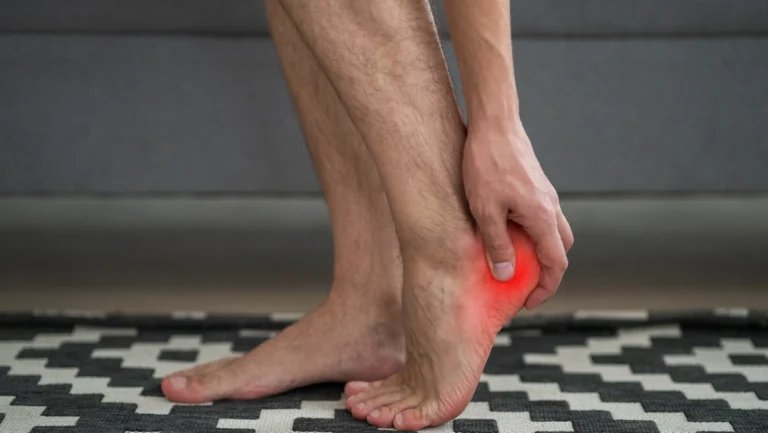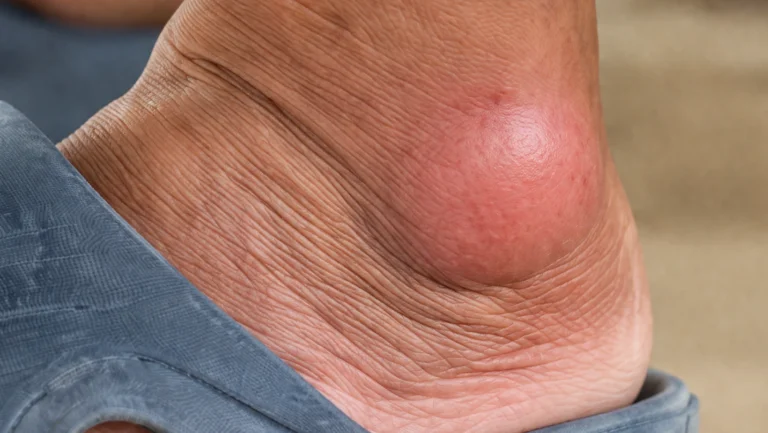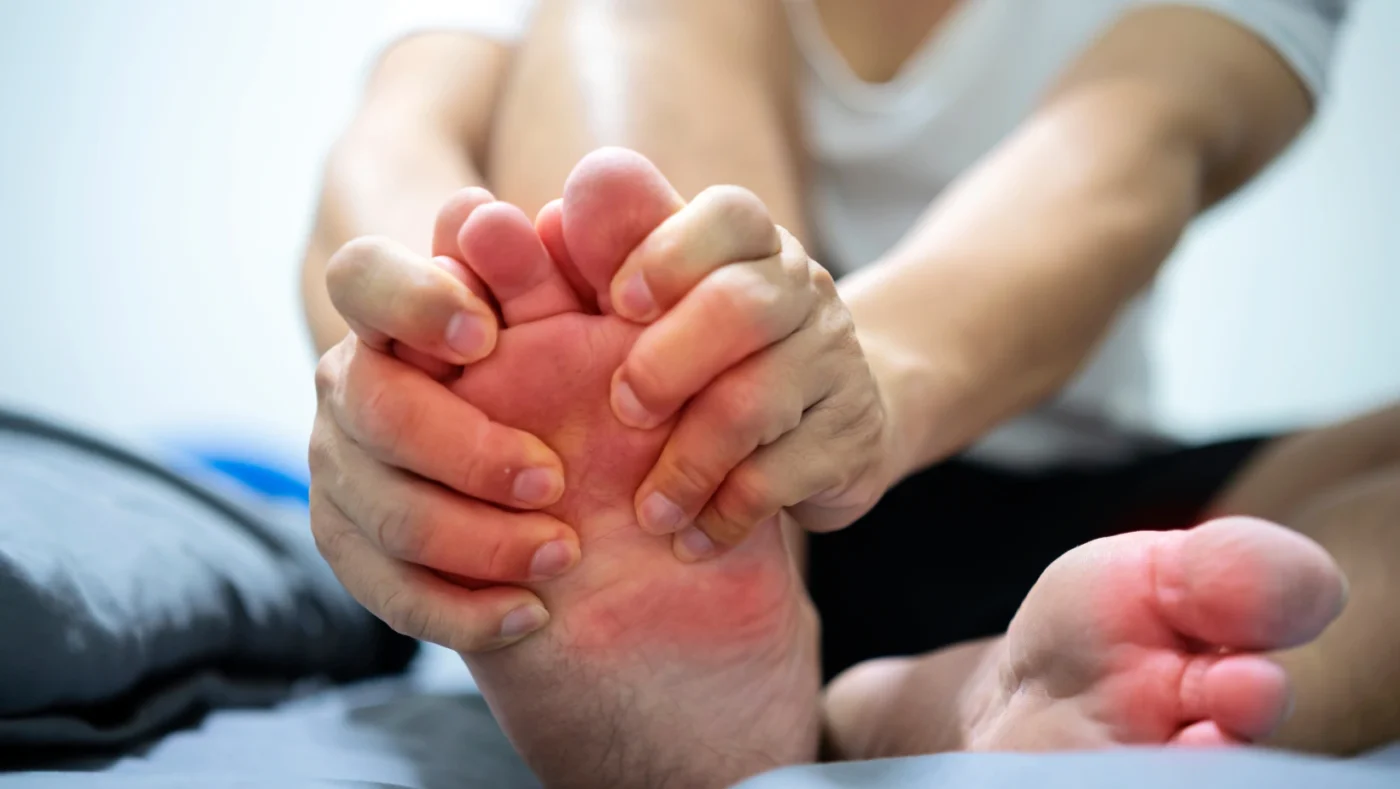

To stop gout pain at night, the fastest approach is a combination of ice therapy, elevation, and taking prescribed medication within the first hour of the attack. Gout is a form of inflammatory arthritis caused by monosodium urate crystal deposits in joints.
According to the CDC, gout affects over 8.3 million Americans, and nighttime attacks are the most reported presentation. This guide covers immediate relief steps, the right medications, sleep positions, and long-term prevention strategies.
Best Ways to Manage Gout Flare at Night
The best ways to manage gout flare at night target two things simultaneously: reducing joint inflammation and removing anything that adds pressure or heat to the affected area. Acting within the first 30 to 60 minutes of a flare makes a measurable difference in how fast pain subsides.
Elevate the Affected Joint
Keep the inflamed joint raised above heart level. For toe or foot gout, stack two firm pillows under the foot. For knee gout, place a rolled blanket underneath the calf. Elevation reduces blood pooling in the joint, which directly lowers swelling and throbbing. Lying flat with the foot at mattress level keeps fluid accumulating in the joint all night.
Apply Ice for Inflammation Control
Apply a cloth-wrapped ice pack for 20 minutes, then remove it for 20 minutes. Repeat this cycle for the first two hours. Ice reduces prostaglandin activity in inflamed synovial tissue. A 2016 trial in the Journal of Rheumatology confirmed that ice application alongside NSAIDs reduced acute gout pain scores faster than medication alone.
Stay Hydrated Before Bedtime
Drink 16 to 20 oz of water before sleeping. Dehydration concentrates serum uric acid and speeds up crystal formation in peripheral joints. Mild dehydration of just 2% body weight loss raises uric acid measurably. Avoid alcohol, coffee, or sugary drinks in the hours before bed since all three raise uric acid levels.
Avoid Pressure from Blankets
Even the light weight of a bedsheet pressing against an inflamed toe or ankle causes sharp pain during a gout flare. Use a bed cradle, also called a foot cradle or blanket lifter, to keep bedding off the joint. These are available on Amazon for under $30 and make a significant difference in difficulty sleeping due to gout pain.
Use Proper Sleep Positioning
Sleep on your back with the affected limb elevated. Side sleeping puts lateral pressure on the joint and worsens inflammation. If back sleeping is uncomfortable, use a body pillow to keep from rolling onto the affected side.
Medications for Acute Gout Attack Relief
Medications for relieving an acute gout attack work best when taken within 12 to 24 hours of the flare starting. Waiting beyond 24 hours reduces their effectiveness significantly. Always follow your doctor’s prescribed dosage.
NSAIDs (Ibuprofen, Naproxen)
Naproxen 500mg twice daily or indomethacin 50mg three times daily are the standard NSAID protocols for acute gout in the US. Indomethacin is the rheumatology preference because it reaches peak plasma concentration faster than ibuprofen.
Do not use NSAIDs if you have kidney disease, active stomach ulcers, or take blood thinners like warfarin without medical clearance first.
Colchicine for Gout Flare
The FDA-approved colchicine dosing for acute gout is 1.2mg at first sign of the attack, followed by 0.6mg one hour later. Total dose: 1.8mg. Starting colchicine within 12 hours cuts flare duration by up to 50% compared to delayed dosing. Colchicine works by blocking neutrophil migration into the joint, which directly stops crystal-driven inflammation.
Corticosteroids (If Prescribed)
Prednisone 30mg to 40mg daily for 5 days is the standard corticosteroid protocol for patients who cannot take NSAIDs or colchicine. Doctors also inject methylprednisolone directly into the joint for fast localized relief. Corticosteroids are particularly common in US patients over 65 with reduced kidney function.
Topical Pain Relief Options
Diclofenac sodium 1% gel (brand name Voltaren, available OTC in the US) applied over the inflamed joint reduces localized inflammation without the GI side effects of oral NSAIDs. It is less potent than oral indomethacin but useful for mild attacks or patients with NSAID contraindications.
How to Stop Gout Pain Immediately at Night
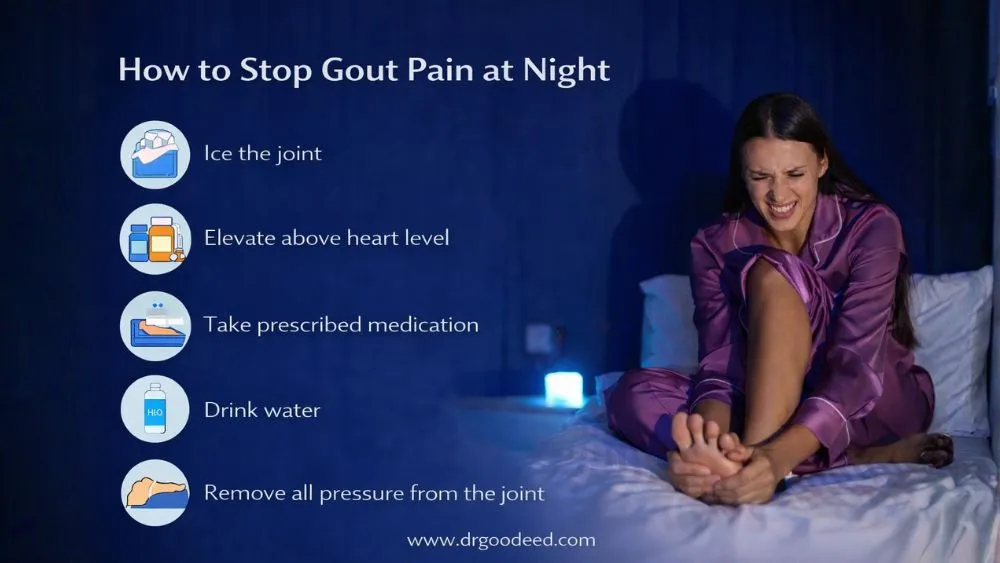
To stop gout pain immediately at night, follow this sequence in order. Skipping steps or doing them out of order reduces effectiveness.
Step-by-step quick relief routine:
- Ice the joint: Wrap an ice pack in a thin cloth. Apply for 15 to 20 minutes directly over the inflamed area. Do not apply ice directly to skin.
- Elevate above heart level: Prop the joint on pillows while lying on your back. Keep it raised continuously, not just during icing.
- Take prescribed medication: Colchicine or an NSAID taken now, within the first hour, produces the fastest pharmaceutical response. Do not wait to see if the pain worsens before taking medication.
- Drink water: Drink 16 oz of water immediately. Hydration helps the kidneys begin clearing uric acid. Add a small amount of tart cherry juice if available; a 2012 Arthritis & Rheumatology study showed it lowers serum uric acid modestly.
- Remove all pressure from the joint: Take off socks, shoes, and lift bedding off the area. Even minor contact worsens pain during an active flare.
This five-step sequence is what rheumatologists in the US recommend as the acute home management protocol before a clinic visit.
Sleep Tips for Gout Pain Relief
Difficulty sleeping due to gout pain is one of the most common complaints from American gout patients. Sleep deprivation worsens inflammation systemically by raising cortisol and interleukin-6 levels, which makes the flare worse the following day.
Best Sleeping Positions for Gout
Back sleeping with the affected joint elevated is the only position that reduces joint pressure and maintains good drainage. Stomach sleeping compresses the foot and ankle. Side sleeping adds lateral joint stress.
Keeping the Joint Supported
Use a firm pillow, not a soft one, under the inflamed limb. A soft pillow shifts and lets the joint drop, losing the elevation benefit. Roll a firm blanket under the calf for knee or ankle gout to maintain consistent elevation through the night.
Avoiding Tight Bedding or Contact
A bed cradle keeps sheets from resting on the joint. If you do not have one, drape the sheet over a stacked pair of books on either side of the foot to create a tent over the inflamed area.
Cooling the Room Temperature
Lower room temperature to 65 to 68 degrees Fahrenheit. Warmer rooms raise core body temperature and increase joint blood flow, adding to inflammation. This also helps with sleep quality independently, which matters because poor sleep raises uric acid production.
Triggers That Worsen Nighttime Gout Pain
Knowing what triggers a flare makes it easier to stop gout pain at night before it starts.
Dehydration Before Sleep
Going to bed mildly dehydrated raises serum uric acid. People who exercise in the evening and do not rehydrate afterward are at higher risk of a nighttime flare.
Alcohol or Heavy Dinner
Alcohol, especially beer, blocks renal uric acid excretion for up to 24 hours after consumption. A heavy dinner with red meat or shellfish eaten at 8 PM can trigger a flare by 2 AM. The timing aligns with when cortisol drops and body temperature decreases.
High Purine Foods at Night
Organ meats, anchovies, sardines, mussels, and red meat eaten within 3 to 4 hours of sleep raise uric acid fast enough to trigger overnight crystallization in peripheral joints.
Sudden Drop in Body Temperature
Core body temperature drops 0.5 to 1 degree Celsius during sleep. Urate crystals form faster at lower temperatures. This is why attacks peak between midnight and 4 AM, even in people who ate and drank normally that day.
Long-Term Strategies to Prevent Night Gout Attacks
Stopping individual flares matters, but severe gout pain at night relief over the long term requires keeping serum uric acid below 6 mg/dL consistently.
Maintain Low Uric Acid Levels
Allopurinol is the first-line urate-lowering drug in the US. Starting dose is 100mg daily, titrated up to 300mg to 600mg based on monthly blood tests. Febuxostat is the alternative for patients who cannot tolerate allopurinol.
The American College of Rheumatology recommends checking serum uric acid every 2 to 5 weeks during dose titration.
Follow a Gout-Friendly Diet
- Cut beer completely; replace with water or wine in moderation
- Limit red meat to twice weekly
- Avoid organ meats entirely
- Drink 2 to 3 liters of water daily
- Add low-fat dairy; studies show it lowers uric acid by about 0.25 to 0.5 mg/dL
Weight Management and Activity
Losing 10 lbs reduces serum uric acid by roughly 1 mg/dL. Low-impact activity like swimming or cycling avoids joint trauma that triggers flares, while still supporting weight loss and metabolic health.
Take Preventive Medications Consistently
Many patients stop allopurinol after a few flare-free months. This is a mistake. Uric acid builds back up within weeks of stopping. The ACR guidelines recommend staying on urate-lowering therapy indefinitely once initiated.
When to See a Doctor
See a doctor within 24 hours if:
- The joint is red, hot, and swollen with fever above 101°F; this combination requires ruling out septic arthritis, which is a medical emergency
- Pain does not respond to colchicine or NSAIDs after 48 hours
- This is the second or more flare within 12 months; this signals uncontrolled uric acid requiring long-term medication
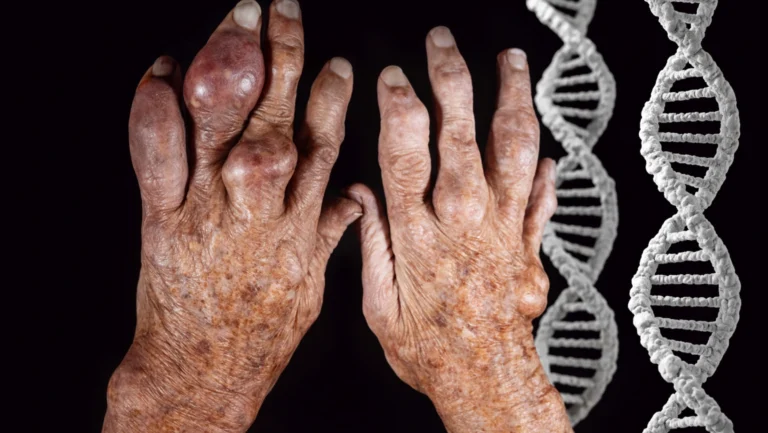
- White chalky lumps appear near any joint; these are tophi and indicate advanced gout requiring specialist management
Frequently Asked Questions
Why does gout hurt more at night?
Body temperature drops 0.5 to 1 degree Celsius during sleep, which speeds up urate crystal formation in cool peripheral joints like the toe and ankle. Cortisol, which suppresses inflammation, also hits its lowest level between 12 AM and 4 AM, allowing the immune response to run unchecked.
How long does night gout pain last?
With colchicine or NSAIDs started within 12 hours, significant pain reduction occurs by day 2 to 3. Without treatment, severe gout pain at night relief takes 10 to 14 days to arrive naturally as inflammation slowly burns out.
Can I sleep during a gout attack?
Yes, but only with the joint elevated and pressure removed. Use a bed cradle for bedding, back-sleep with pillows under the limb, and take prescribed medication before lying down. Room temperature set to 65 to 68°F also reduces overnight inflammation.
Should I use heat or ice for gout at night?
Use ice, never heat. Heat increases blood flow to the inflamed joint and worsens crystal-driven inflammation. Ice reduces prostaglandin activity in synovial tissue. Apply ice for 20 minutes on, 20 minutes off, for the first 2 hours after a flare starts.
What is the fastest way to relieve gout pain?
Colchicine 1.2mg taken within 12 hours of the flare, combined with ice packing and elevation, produces the fastest relief. Joint aspiration by a doctor is faster still, often reducing pain within hours by draining inflamed fluid directly.
Does drinking water at night help gout?
Yes. Drinking 16 oz of water before bed helps the kidneys excrete uric acid overnight. Research shows higher daily fluid intake reduces gout recurrence by 48% over 24 hours compared to low fluid intake. It does not stop an active flare but lowers frequency of future attacks.
Can blankets worsen gout pain?
Yes. Even light fabric pressure on an inflamed joint triggers sharp pain because urate crystals are pressing against nerve endings in the synovial tissue. A bed cradle or a DIY blanket tent over the foot removes contact and reduces nighttime discomfort measurably.
Is walking at night good or bad during a flare?
Bad. Walking compresses crystals into inflamed synovial tissue, worsening pain and prolonging the flare. Rest the joint completely for the first 48 hours. Resume light walking only when swelling visibly decreases and the joint tolerates light pressure without sharp pain.
What foods trigger nighttime gout attacks?
Beer, organ meats like liver and kidney, anchovies, sardines, shrimp, and fructose-sweetened sodas are the highest-risk foods. Eating any of these within 3 to 4 hours of sleep raises serum uric acid fast enough to trigger overnight crystal formation and a 2 AM attack.
Can gout wake you up from sleep?
Yes. Gout attacks are the most common reason adults wake up with sudden, severe joint pain. The combination of low body temperature, low cortisol, and mild overnight dehydration creates near-ideal conditions for crystal formation. Many patients report going to bed pain-free and waking at 2 to 3 AM unable to move the joint.