
Medical Disclaimer: This content is for informational purposes only and is not a substitute for professional medical advice, diagnosis, or treatment. Always consult a qualified healthcare professional for medical concerns.
Moringa benefits and side effects are both well-documented. Moringa oleifera, called the “drumstick tree” across South Asia and widely used across Africa and the United States, has over 1,300 published studies behind it.
One serving of fresh moringa leaves (21g) delivers 27% of the recommended daily allowance of vitamin C, 9% of iron, and 19% of vitamin B6. This guide covers what moringa does, who needs to be careful, which drugs it interacts with, and how to take it correctly.
What Are the Health Benefits of Moringa Leaves?

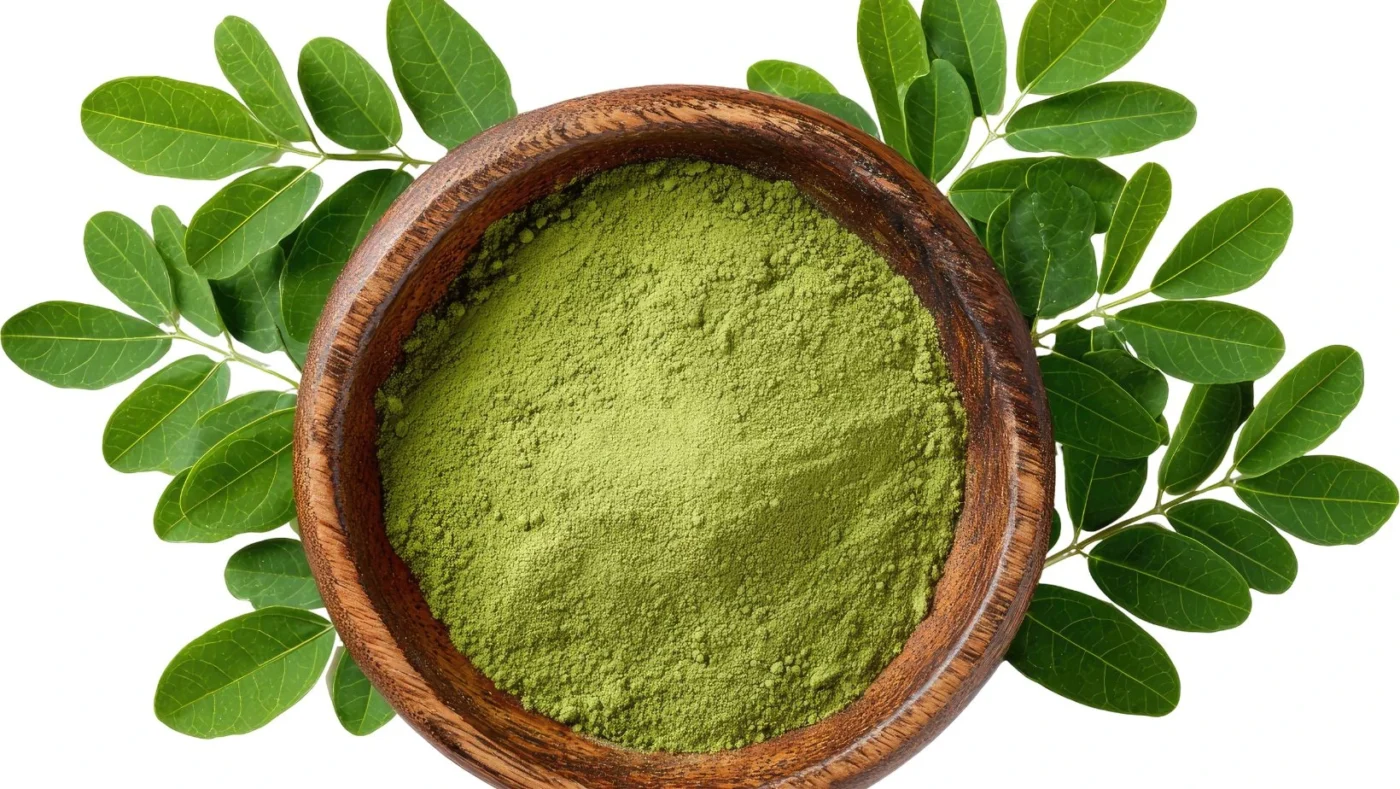
The health benefits of moringa leaves go beyond basic nutrition. Fresh moringa leaves contain 2x more protein than yogurt, 4x more calcium than milk, and 7x more vitamin C than oranges.
Rich in Antioxidants and Nutrients
Moringa leaves contain quercetin and chlorogenic acid. These two antioxidants directly fight oxidative stress, the cellular damage that accelerates aging and raises the risk of heart disease and cancer.
A 2019 study published in Phytotherapy Research found moringa leaf extract reduced oxidative stress markers by 44% in controlled lab conditions. Quercetin also blocks inflammatory enzymes without the side effects that long-term NSAID use creates.
Anti-Inflammatory Properties
Moringa contains isothiocyanates, compounds that suppress the NF-kB inflammatory pathway. When this pathway stays overactive, it drives conditions like arthritis, metabolic syndrome, and chronic gut inflammation. Moringa suppresses it. Ibuprofen does the same thing differently, but it damages the stomach lining with prolonged use. Moringa does not carry that risk at normal doses.
Supports Immune Function
Vitamin C in moringa stimulates white blood cell production. Iron supports hemoglobin, which carries oxygen to immune cells. Beta-carotene in moringa converts to vitamin A in the body. Vitamin A maintains the mucous membranes that physically block pathogens from entering the body. A deficiency in vitamin A weakens this barrier directly.
Supports Heart Health
In a 2021 clinical study from Pakistan involving 70 adults with elevated cholesterol, moringa supplementation over 90 days reduced total cholesterol by 14% and LDL by 18%. Moringa also contains oleic acid, the same heart-protective fat in olive oil. These are measured outcomes from real participants, not animal models.
May Improve Digestion
Moringa leaves provide 8g of fiber per 100g. That fiber feeds gut bacteria including Lactobacillus and Bifidobacterium, which produce short-chain fatty acids that strengthen the gut lining.
Moringa’s anti-inflammatory compounds also reduce gut lining irritation. People with IBS or recurring bloating often report fewer symptoms after 2 weeks of consistent use.
May Support Brain Function
Moringa is high in tryptophan, a direct precursor to serotonin. Serotonin regulates mood, sleep quality, and cognitive function. Moringa also contains zinc, which supports memory consolidation and neurotransmitter balance. A 2020 animal study found moringa leaf extract improved working memory and reduced cortisol-driven anxiety, both through measurable biochemical changes.
Can Moringa Help Control Blood Sugar Levels?
Moringa for blood sugar control is one of the most-studied applications of this plant. Chlorogenic acid in moringa slows glucose absorption from the digestive tract into the bloodstream, preventing post-meal blood sugar spikes.
Helps Regulate Glucose Levels
A 2021 study in the Journal of Ethnopharmacology found that 4g of moringa leaf powder per day reduced fasting blood glucose by 28% over 3 months in adults with prediabetes.
That result is comparable to early-stage metformin use, without the gastrointestinal side effects metformin commonly causes in new users.
Improves Insulin Sensitivity
Moringa activates GLUT4 transporters, the proteins that carry glucose from the blood into muscle cells. When these transporters work efficiently, the body needs less insulin to manage the same glucose load.
This is the core mechanism behind improved insulin sensitivity, and it is the same target that exercise and certain diabetes drugs act on.
Potential Support for Diabetes Management
Moringa is not a replacement for prescribed diabetes medication. As a complement to an existing management plan, the clinical evidence supports its use. Indian Ayurvedic medicine documented moringa’s blood sugar effects over 2,000 years ago.
Modern biochemistry now confirms two separate mechanisms, chlorogenic acid and isothiocyanates, working through different pathways to achieve the same outcome.
Precautions and Side Effects of Moringa
Understanding the precautions and side effects of moringa matters as much as knowing what it does. Most problems come from taking too much, too fast.
Digestive Issues (Nausea, Diarrhea)
Moringa powder side effects most commonly involve digestive symptoms such as nausea, loose stools, and cramping. High doses above 70mg per kilogram of body weight consistently cause nausea, loose stools, and cramping. Starting at 1 teaspoon (2.5g) per day and increasing slowly over 2 to 3 weeks reduces this significantly. Jumping straight to 8g on day one is where most digestive complaints come from.
Low Blood Pressure Risk
Moringa has a mild antihypertensive effect. In people already taking blood pressure medication, this adds to the drug’s effect. Blood pressure can drop below safe ranges, with symptoms including dizziness, fatigue, and lightheadedness. In healthy adults with normal blood pressure, this moringa side effect rarely appears at standard doses.
Blood Sugar Dropping Too Low
When moringa is combined with diabetes medications like metformin or glipizide, the blood sugar-lowering effects stack. The result can be hypoglycemia, where blood sugar drops below 70 mg/dL. Symptoms include trembling, sweating, and confusion. This interaction is real and requires monitoring.
Who Should Avoid or Limit Moringa
Pregnant Women
Moringa root and bark contain benzyl isothiocyanate and alkaloids that stimulate uterine contractions. These compounds carry a miscarriage risk. Drumstick leaves side effects are less established than the risks associated with root or bark preparations, and no controlled clinical trials exist in pregnant women. The standard medical recommendation is to avoid moringa supplementation during pregnancy entirely.
People on Blood Pressure or Diabetes Medication
Anyone on ACE inhibitors, beta-blockers, calcium channel blockers, insulin, or oral glucose-lowering drugs should consult a physician before using moringa. The additive effects are measurable and clinically significant, not theoretical.
Individuals With Underlying Conditions
Moringa contains goitrogens, compounds that interfere with iodine uptake in the thyroid gland. For people with hypothyroidism or those taking levothyroxine, regular moringa consumption can reduce thyroid hormone production further or interfere with medication absorption. This is a documented pharmacological interaction, not a fringe concern.
Drug Interactions With Moringa
Diabetes Medications
Moringa amplifies the glucose-lowering effect of metformin, glipizide, and insulin. Blood glucose levels need closer monitoring during the first 4 to 6 weeks of combined use.
Blood Pressure Drugs
Moringa lowers blood pressure independently. Combined with lisinopril, amlodipine, or losartan, it can push systolic pressure below 90 mmHg. Anyone taking these drugs should monitor blood pressure daily when adding moringa.
Thyroid Medications
Taking moringa and levothyroxine at the same time reduces the medication’s absorption. A 4-hour gap between the two is recommended by endocrinologists when moringa is consumed as a supplement.
Signs You Should Stop Taking Moringa
Digestive Discomfort
Diarrhea lasting more than 3 days, persistent nausea, or severe cramping signals the dose is too high. Drop to 1g per day or stop completely. Resume only after symptoms clear for at least 48 hours.
Dizziness or Weakness
Sudden dizziness, especially in people on antihypertensive drugs, is a clear warning. Check blood pressure. If readings are below 90/60 mmHg, stop moringa and contact a doctor the same day.
Allergic Reactions
Moringa belongs to the Moringaceae family. People with sensitivity to mustard-family plants sometimes react to moringa. Skin rash, itching, or any throat tightening after taking moringa warrants immediate discontinuation and medical evaluation.
FAQs
What are moringa benefits and side effects?
Moringa tree benefits and side effects include potential nutritional and metabolic benefits alongside risks such as nausea, diarrhea, low blood pressure, and medication-related hypoglycemia. Both outcomes depend on dose and individual health status.
Is moringa safe to use daily?
Yes. For healthy adults without thyroid disease or drug conflicts, 2,000 to 6,000mg of moringa leaf powder daily is safe per current clinical evidence. The WHO classifies moringa leaves as safe for human consumption. Problems appear consistently above 70mg per kilogram of body weight.
Can moringa help with blood sugar control?
Yes. Moringa for blood sugar control works via chlorogenic acid slowing glucose absorption and isothiocyanates improving insulin sensitivity. A peer-reviewed clinical trial confirmed 4g daily reduced fasting blood glucose by 28% over 3 months in prediabetic adults.
How to use moringa powder or leaves?
How to use moringa powder or leaves: mix 1 teaspoon into water, a smoothie, or oatmeal. Fresh leaves cook like spinach. Start at 1g daily, increase to 5g over 2 weeks. Avoid boiling the powder; sustained heat above 70°C degrades quercetin and chlorogenic acid significantly.
Can moringa interact with medications?
Yes. Moringa benefits and side effects both influence drug performance. It amplifies diabetes medications and blood pressure drugs, and it competes with levothyroxine absorption. Inform your prescribing doctor before starting moringa if you take any of these.
How much moringa should I take daily?
2,000 to 4,000mg per day is the evidence-backed starting range. Studies using up to 8,000mg daily reported no serious adverse effects in healthy adults. Digestive side effects appear consistently above 70mg per kilogram of body weight.
When should I stop taking moringa?
Stop immediately if blood pressure reads below 90/60 mmHg, blood sugar drops below 70 mg/dL, a skin rash appears, or diarrhea continues beyond 3 days. Do not restart without speaking to a physician first.
Sources
- Eating, Diet, & Nutrition for Constipation – National Institute of Diabetes and Digestive and Kidney Diseases (NIDDK), US – Link
- How to Get More Fibre Into Your Diet – NHS, UK – Link
- Improving Bowel Function in Constipation – Cambridge University Hospitals NHS Foundation Trust, UK – Link
- Dietary Fiber – MedlinePlus, US National Library of Medicine – Link
- Constipation – NHS, UK – Link