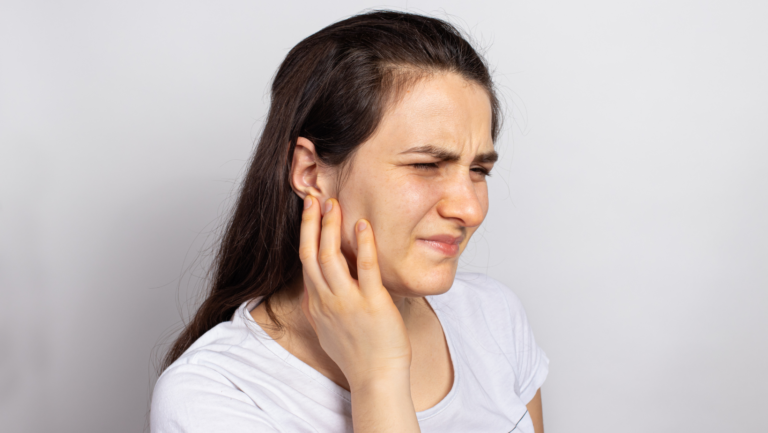

Pain on behind ear is a symptom with over a dozen possible causes, ranging from muscle tension to nerve disorders to active infections. In the United States, ear-related pain accounts for roughly 18 million doctor visits annually, and a significant portion of those involve pain located behind, rather than inside, the ear.
The area behind the ear houses the mastoid bone, the occipital nerve, several lymph nodes, and the sternocleidomastoid muscle attachment, all of which can generate pain independently. This guide covers every documented cause, associated symptoms, home management, and red flags that require medical attention.
What Causes Pain on Behind Ear

Causes of pain on behind ear ranges from benign muscle tightness to serious infections. The location alone does not confirm a diagnosis. Pain source, onset pattern, and accompanying symptoms together determine the actual cause.
The four main categories are:
- Musculoskeletal: muscle tension from poor posture, neck strain, or stress
- Infectious: bacterial or viral ear infections, mastoiditis, skin infections
- Lymphatic: swollen lymph nodes from illness or local infection
- Neurological: occipital neuralgia, referred pain from the jaw or cervical spine
Muscle Tension and Neck Strain Pain
Muscle tension and neck strain pain is the most common non-infectious cause of pain behind the ear in American adults. The sternocleidomastoid (SCM) muscle runs from the collarbone up to the mastoid bone directly behind the ear. When this muscle tightens from prolonged screen use, poor sleeping position, or stress, it creates a referred pain pattern that concentrates directly behind the ear.
Ear Infections or Inflammation
Otitis media (middle ear infection) and otitis externa (outer ear infection) both generate pain that radiates to the area behind the ear. Mastoiditis, an infection of the mastoid bone, is a direct bacterial infection of the bone itself. It requires immediate antibiotics and sometimes surgery. Mastoiditis is rare but serious; it presents with swelling, redness, and tenderness specifically over the bony area behind the ear.
Swollen Lymph nodes
Posterior auricular lymph nodes are located directly behind the ear and can cause posterior auricular pain when they become swollen or inflamed. These nodes swell in response to scalp infections, ear infections, throat infections, and sometimes systemic illnesses like mononucleosis. A swollen node feels like a small, firm lump. It is tender to the touch and usually resolves within 2 to 3 weeks once the underlying infection clears.
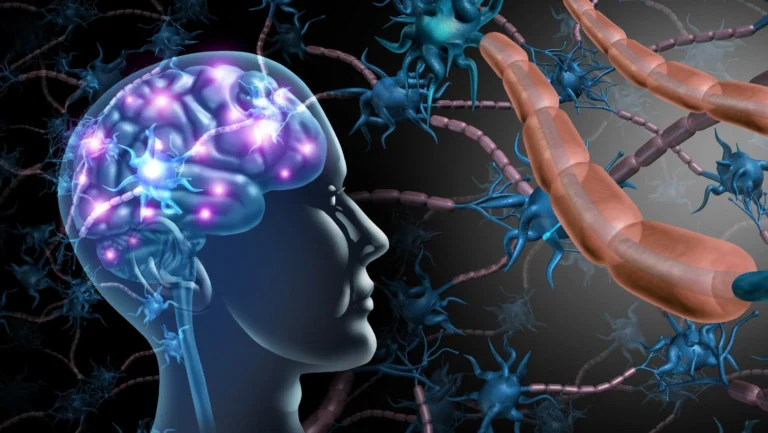
Nerve-Related Pain (Occipital Neuralgia)
Occipital neuralgia is an irritation or compression of the greater occipital nerve, which runs from the base of the skull up through the scalp. The pain is sharp, shooting, and electric in character.
It commonly starts at the base of the skull and radiates forward toward the ear and behind it. Many people mistake this for migraines. The key difference: occipital neuralgia pain is triggered by touching the scalp or back of the head, while migraines are not.
Muscle Tension and Neck Strain Pain
Muscle tension and neck strain pain behind the ear is a direct result of sustained muscle overuse or poor posture, and it is increasingly common in the United States due to remote work and extended screen time.
Poor Posture and Screen Use
Forward head posture, where the head sits 2 to 4 inches in front of the shoulders, adds 10 pounds of effective load per inch on the cervical spine. This increases tension in the SCM and upper trapezius muscles.
Both of these muscles have attachment points near the mastoid process. When they tighten, they pull on this bone and create localized pain on behind ear that worsens with head movement.
Stress-Related Muscle Tightness
Stress causes involuntary muscle contraction, particularly in the shoulders, neck, and jaw. The temporomandibular joint (TMJ), located just in front of the ear, connects to muscles that wrap around the skull. Jaw clenching and teeth grinding, both stress responses, create referred pain that concentrates behind the ear.
Pain Radiating to the Ear
Cervical spine problems at the C2 and C3 vertebra levels refer pain directly to the ear and surrounding area. A herniated disc or bone spur at these levels compresses nerves that serve the ear region. This is called cervicogenic ear pain, and it will not improve with ear drops or antibiotics because the source is in the neck, not the ear.
Pain Behind Ear When Touching
Pain behind ear when touching points to one of three causes: localized inflammation, a swollen lymph node, or skin-level irritation. The response to touch helps narrow the diagnosis.
Local Inflammation or Infection
Mastoiditis produces deep, persistent tenderness when pressing on the bony area behind the ear. The skin over the mastoid bone becomes red and warm. Unlike a swollen lymph node, mastoiditis tenderness is not a discrete lump; the entire bony area feels painful. This requires same-day medical evaluation.
Skin or Soft Tissue Irritation
A sebaceous cyst, skin abscess, or folliculitis (infected hair follicle) in the skin behind the ear creates sharp, localized pain behind ear when touching. These are surface-level and visible on examination. A sebaceous cyst feels like a movable lump under the skin. An abscess feels fluctuant, meaning it has a soft, fluid-filled center.
Tender Lymph Nodes
A posterior auricular lymph node swollen to 1 to 2 cm is tender on direct pressure. It moves slightly when touched, unlike a fixed lump. Tenderness in the node itself, rather than the bone behind it, almost always indicates an active immune response to infection somewhere in the scalp, ear canal, or throat.
Other Symptoms That May Occur
Headache or Pressure
Pain that begins behind the ear and spreads into the skull often signals occipital neuralgia or cervicogenic headache. The pressure sensation is different from a migraine; it feels like a tight band rather than a throbbing pulse.
Fever or Swelling
Fever alongside pain on behind ear indicates an active infection: mastoiditis, ear infection, or infected lymph node. A fever above 101°F (38.3°C) with ear-area swelling warrants same-day medical evaluation.
Hearing Changes
Muffled hearing, ringing (tinnitus), or a feeling of fullness in the ear alongside behind-ear pain points to middle ear involvement. This combination often indicates fluid buildup from otitis media or Eustachian tube dysfunction.
Neck Stiffness
Neck stiffness combined with pain on behind ear and fever is a red flag combination. These three symptoms together can indicate meningitis, a medical emergency. Do not wait to see if it resolves.
When Pain Behind Ear May Be Serious
Most pain on behind ear resolves within 7 to 10 days with rest or basic treatment. These signs indicate something more serious:
- Pain that worsens progressively over 48 hours without improvement
- Visible swelling or redness over the mastoid bone
- Fever above 101°F with neck stiffness
- Sudden hearing loss
- Facial drooping or weakness on one side
- Shooting electric pain from the base of the skull toward the ear
Any of the above warrants urgent medical evaluation, not a wait-and-see approach.
Home Remedies for Behind-the-Ear Pain
Home remedies for behind-the-ear pain work best for muscle-related and mild cases. These are not substitutes for medical treatment when infection or neurological causes are present.
Warm Compress
Apply a warm (not hot) compress to the area behind the ear for 15 to 20 minutes, three times daily. Heat increases local blood flow and reduces muscle spasm. For muscle tension-related pain on behind ear, most people notice reduction in pain intensity within 24 to 48 hours of consistent warm compress use.
Gentle Neck Stretching
Slowly tilt the head toward the opposite shoulder, hold for 20 to 30 seconds, and repeat three times on each side. This stretches the SCM muscle and reduces the tension pulling on the mastoid bone. Do this twice daily, never when the neck feels stiff from an acute injury.
Rest and Posture Correction
Position the computer monitor at eye level. Keep the ears aligned directly above the shoulders. Sleep on a cervical support pillow that keeps the neck in a neutral position. These corrections directly reduce the mechanical load causing muscle tension and neck strain pain behind the ear.
How to Prevent Pain Behind Ear
Maintaining Proper Posture
Keep the head in a neutral position during all screen use. Every inch forward from neutral alignment adds approximately 10 pounds of effective cervical spine load. A standing desk or monitor arm that brings the screen to eye level eliminates forward head posture entirely.
Managing Stress
Jaw clenching from stress is a direct driver of TMJ-related pain on behind ear. A night guard from a dentist prevents nighttime clenching. Magnesium glycinate (300 to 400mg daily) reduces muscle hypertonia, including in the jaw and neck, based on evidence from several clinical nutrition studies.
Avoiding Prolonged Screen Use
Take a 5-minute break from screen use every 45 to 60 minutes. Use the 20-20-20 rule for eyes (look 20 feet away for 20 seconds every 20 minutes), and pair this with a neck roll to decompress the cervical muscles. This reduces cumulative tension that drives ear pain spreading to the neck and discomfort behind the ear.
FAQs
Why do I have pain behind my ear when touching?
Pain behind ear when touching usually means an inflamed lymph node, mastoiditis, or a skin-level infection like a sebaceous cyst or abscess. If the pain is on the bone itself (not a lump), and comes with redness or fever, that is mastoiditis, which needs antibiotics within 24 hours.
Why is ear pain spreading to neck?
Pain behind ear and neck can signal SCM muscle referral, occipital neuralgia, or cervical spine nerve compression at C2 or C3. When an ear infection causes this pattern, swollen lymph nodes along the neck are usually visible or palpable. Neck stiffness with fever requires emergency evaluation.
When is behind ear pain serious?
Pain on behind ear becomes serious when it includes swelling over the mastoid bone, fever above 101°F, sudden hearing loss, or neck stiffness. These combinations indicate mastoiditis or meningitis, both of which require emergency medical care within hours, not days.
Can infections cause pain behind the ear?
Yes. Mastoiditis (bone infection), otitis media (middle ear infection), infected lymph nodes, and skin abscesses all cause pain on behind ear. Mastoiditis is the most dangerous; it develops from untreated ear infections and spreads to the mastoid bone within 2 to 3 weeks if antibiotics are delayed.
When should I see a doctor for ear pain?
See a doctor if pain lasts more than 5 days without improvement, if fever is present, if swelling appears behind the ear, or if hearing changes occur. Pain on behind ear with facial weakness or electric shooting sensations needs same-day neurological assessment.
Can posture cause pain behind the ear?
Yes. Forward head posture increases tension in the sternocleidomastoid muscle, which attaches to the mastoid bone directly behind the ear. Muscle tension and neck strain pain from poor posture generates referred pain in this area. Correcting screen height and sleeping position resolves this within 1 to 2 weeks in most cases.